

Know Few Things About The Increase In Credit Card Fraud

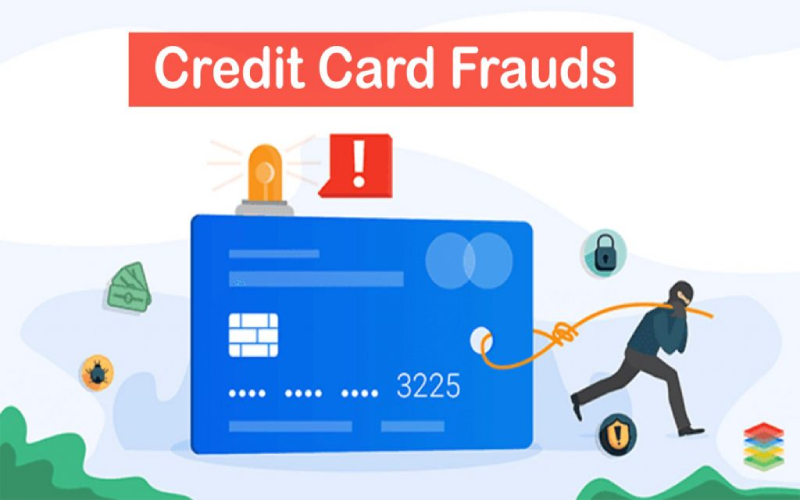

Credit card fraud remains the most common type of identity theft in the US, accounting for over 40% of all identity theft reports. A total of over 271,000 cases were reported in 2019 alone, more than doubling from the numbers reported in 2017. With theft cases increasing year by year, the world is also increasingly becoming dependent on cashless transactions. While such frauds happen online and offline, the majority of cases happened online. According to data provided by The Federal Reserve Bank of Atlanta, over 75% of consumers in the US have at least one credit card. And, the card fraud losses in the US amounts to a little more than a dime for every one hundred dollars they spend. According to some estimates, by the end of 2020, the US will see about $11 billion worth of loss due to credit card fraud. A huge amount, even for the strongest economy in the world.
So why is credit card fraud so hard to stop, especially in the US?
To be very brief, credit card frauds occur in two ways: card present or card is not present. For years, card-present frauds were the most popular type of card frauds where perpetrators were presenting stolen or counterfeit cards in order to make a purchase. But now things have taken a different path. Now, most credit card frauds are card-not-present. Usually, such frauds involve online or over-the-phone exchanges where the physical card doesn’t have to be presented.
While card-not-present frauds are very easy to conduct, people have also attained expertise in card-present frauds which involves duplicating the credit card. There are numerous ways that criminals can gain access to your credit card information. It can be as simple as looking over your shoulder while you’re making a purchase or as complex as a massive hacking operation. Like the year 2017 Equifax security breach that involved more than 200,000 credit card numbers being compromised.
To make matter worse, criminals are getting smarter and more high tech every year. The Dark Web and cryptocurrency has essentially provided a platform for all the different pieces of the fraud ecosystem to interact and grease the wheels. But this is not it. The local pizza chain or dentist or anywhere our credit card information is stored are vulnerable.
Criminals, however, aren’t the only ones responsible for credit card fraud. In recent years, companies have seen a massive increase in what’s known as friendly fraud. That’s the fraud committed by ordinary consumers out of a mistake. Companies like Google, Apple, iTunes, 80% of the frauds they see are actually these friendly frauds. Now, this is something that lies entirely in the hands of cardholders. Being a little vigilant would easily prevent such frauds.
You may be interested
Why Authorities Are Rethinking the Management of Large Public Demonstrations
Anshika Jain - Oct 15, 2026Large public demonstrations have become an important feature of modern democratic societies. From student movements and workers’ strikes to political rallies, environmental campaigns and protests demanding government…

TVK’s Bypoll Wins: What the Party’s First Electoral Test Reveals About Its Political Position
Anshika Jain - Oct 15, 2026The Tamilaga Vettri Kazhagam (TVK), led by Tamil Nadu Chief Minister C. Joseph Vijay, has cleared its first major electoral test since forming the state government. The…

Why Tribal Students Are Marching for Education and Equal Opportunities
Anshika Jain - Oct 15, 2026Education is widely recognised as a pathway to social mobility, economic independence and equal participation in society. For many tribal students in India, however, the journey towards…
Most from this category

Student Protests Over Hostel Facilities: Basic Infrastructure Is Political Issue
Anshika Jain - Oct 15, 2026
Campus Curfews and Women’s Freedom: Safety Rules Become a Discrimination?
Anshika Jain - Oct 15, 2026
When Opposition Leaders Face Detention: The Legal Boundaries of Political Protest
Anshika Jain - Oct 15, 2026
Why Internal Disagreements Within Constitutional Institutions Matter to Public Trust
Anshika Jain - Oct 14, 2026
Student Protests Over Hostel Facilities: Basic Infrastructure Is Political Issue
Anshika Jain - Oct 15, 2026Campus Curfews and Women’s Freedom: Safety Rules Become a Discrimination?
Anshika Jain - Oct 15, 2026When Opposition Leaders Face Detention: The Legal Boundaries of Political Protest
Anshika Jain - Oct 15, 2026