
Google hired microworkers to train its controversial Project Maven AI


According to a report by The Intercept, Google hired gig economy workers to help build out a contentious intelligence program that the firm and the Pentagon had paired together to construct. The employees were hired via a crowdsourcing gig company outfit named Figure Eight, which pays as little as $1 an hour for people to execute short, apparently mindless tasks. Whether the individuals were identifying items in images that were CAPTCHA-like, or other straightforward tasks, the employees were helping train Google’s AI that was made as part of a Defense Department initiative known as Project Maven.
Project Maven is a Pentagon project intended to utilize artificial intelligence and machine learning in order to differentiate objects and people in tens of thousands of hours of footage that is a drone.
By employing these crowdsourced micro employees, Google was able to use them to teach algorithms that it had been running to differentiate between human targets and surrounding objects. According to The Intercept, these employees had no idea what they had been constructing or who their work benefited.
Google said as it included Project Maven after over 3,000 workers signed a petition in protest of the organization’s involvement in the initiative that it had decided to not renew its contract with the Defense Department. The deal is set to finish in March 2019. Figure Eight, which was called Crowdflower, is one of the largest platforms that uses microworkers.
On its website, Figure Eight says its stage “unites human intelligence at scale cutting-edge versions to make the highest quality training data for your machine learning (ML) jobs” By partnering with those microworker outfits, Google could cheaply and quickly build out its AI.
You may be interested
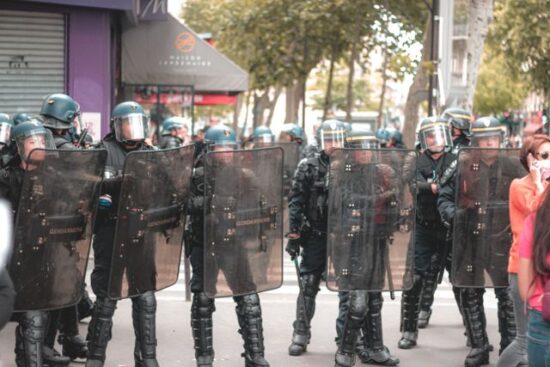
Why Authorities Are Rethinking the Management of Large Public Demonstrations
Anshika Jain - Oct 15, 2026Large public demonstrations have become an important feature of modern democratic societies. From student movements and workers’ strikes to political rallies, environmental campaigns and protests demanding government…

TVK’s Bypoll Wins: What the Party’s First Electoral Test Reveals About Its Political Position
Anshika Jain - Oct 15, 2026The Tamilaga Vettri Kazhagam (TVK), led by Tamil Nadu Chief Minister C. Joseph Vijay, has cleared its first major electoral test since forming the state government. The…
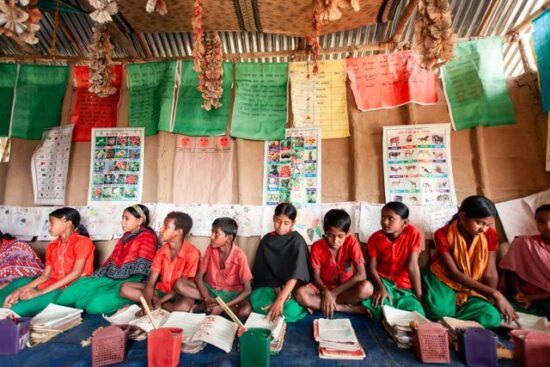
Why Tribal Students Are Marching for Education and Equal Opportunities
Anshika Jain - Oct 15, 2026Education is widely recognised as a pathway to social mobility, economic independence and equal participation in society. For many tribal students in India, however, the journey towards…
Most from this category
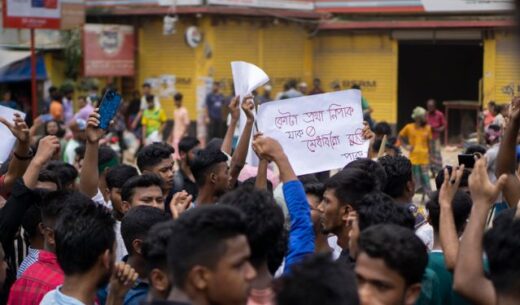
Student Protests Over Hostel Facilities: Basic Infrastructure Is Political Issue
Anshika Jain - Oct 15, 2026
Campus Curfews and Women’s Freedom: Safety Rules Become a Discrimination?
Anshika Jain - Oct 15, 2026
When Opposition Leaders Face Detention: The Legal Boundaries of Political Protest
Anshika Jain - Oct 15, 2026
Why Internal Disagreements Within Constitutional Institutions Matter to Public Trust
Anshika Jain - Oct 14, 2026
Student Protests Over Hostel Facilities: Basic Infrastructure Is Political Issue
Anshika Jain - Oct 15, 2026Campus Curfews and Women’s Freedom: Safety Rules Become a Discrimination?
Anshika Jain - Oct 15, 2026When Opposition Leaders Face Detention: The Legal Boundaries of Political Protest
Anshika Jain - Oct 15, 2026