India’s Covid Crisis: The Newsroom Counting the Uncounted Deaths


On April 1, the wife and daughter of the editor of a leading newspaper in the Western Indian state of Gujarat went to a state hospital to get her daughter a Covid-19 test.
Waiting in line, they saw two body bags in the gurneys. Staff at a hospital in the capital, Gandhinagar, said patients had been killed by Covid-19.
The mother and daughter returned home and told Rajesh Pathak, organizing the local Sandesh program, about what they had seen.
Mr. Pathak called his reporters that night and decided to investigate further. After all, government media reports did not indicate that Covid-19 had died in Gandhinagar yet, “he said.
The next day a group of journalists began calling Covid-19 hospital hospitals in seven cities – Ahmedabad, Surat, Rajkot, Vadodara, Gandhinagar, Jamnagar, and Bhavnagar – and continued to discuss the deaths. Since then, Sandesh, a 98-year-old Gujarati language newspaper, has published daily censuses, often more than the official number. “We have our resources in hospitals, and the government has not denied any of our reports. But we still needed assurance to see for ourselves,” Mr. Pathak said.
Sandesh broadcasters inspect 21 crematoriums and find more than 200 Covid-19 funerals in one night.
So the newspaper decided to do journalism of old leather shoes. On the night of April 11, two journalists and a photographer evacuated the morgue of a 1,200-bed Covid-19 hospital in Ahmedabad. Over 17 hours, they counted 69 body bags that came out of one place before being loaded into waiting ambulances. The next day, Gujarat officially registered the deaths of 55 people, including 20 from Ahmedabad.
On April 16, journalists drove 150 kilometers (93 miles) around Ahmedabad and visited 21 crematoriums. When they counted the body bags and pyres, they checked the registers, talked to cremators, looked at the “slips” that gave the cause of death, took pictures, and recorded videos. They found that most of the deaths were caused by “illness,” although the bodies were treated under strict contracts. By the end of the night, the group had counted more than 200 bodies. But the next day, Ahmedabad counted only 25 deaths.
Throughout April, Sandesh’s courageous journalists actively reported the deaths in seven cities. On April 21, they counted 753 deaths, the highest number in a single day since the second deadly wave swept the western world. In a few days, they counted over 500 people. On May 5, the paper listed 83 deaths in Vadodara. The official figure was 13.
But reports from other newspapers have raised the issue of the census. An English Hindu newspaper, for example, reported that 689 bodies had been cremated in seven cities following Covid-19 policies on April 16, when the official total death toll was 94. Some experts view that as the last month only Gujarat may have an unaccounted for Covid-19 death with an astonishing 10th.
As the epidemic forced people to distance themselves from grief rituals, the newspapers were full of burial books.
You may be interested
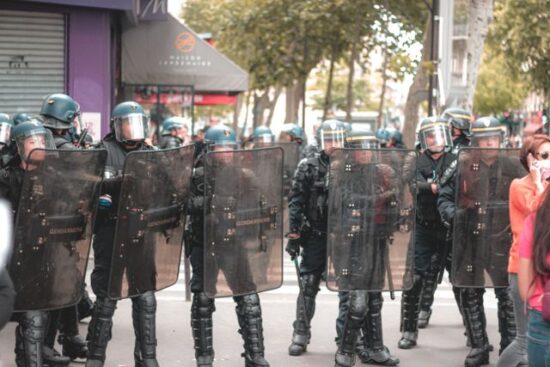
Why Authorities Are Rethinking the Management of Large Public Demonstrations
Anshika Jain - Oct 15, 2026Large public demonstrations have become an important feature of modern democratic societies. From student movements and workers’ strikes to political rallies, environmental campaigns and protests demanding government…

TVK’s Bypoll Wins: What the Party’s First Electoral Test Reveals About Its Political Position
Anshika Jain - Oct 15, 2026The Tamilaga Vettri Kazhagam (TVK), led by Tamil Nadu Chief Minister C. Joseph Vijay, has cleared its first major electoral test since forming the state government. The…
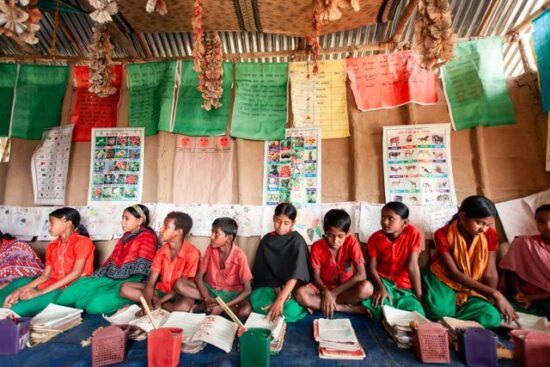
Why Tribal Students Are Marching for Education and Equal Opportunities
Anshika Jain - Oct 15, 2026Education is widely recognised as a pathway to social mobility, economic independence and equal participation in society. For many tribal students in India, however, the journey towards…
Most from this category
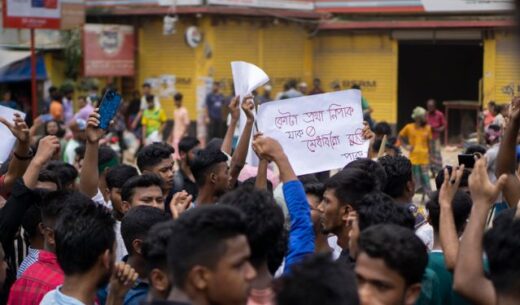
Student Protests Over Hostel Facilities: Basic Infrastructure Is Political Issue
Anshika Jain - Oct 15, 2026
Campus Curfews and Women’s Freedom: Safety Rules Become a Discrimination?
Anshika Jain - Oct 15, 2026
When Opposition Leaders Face Detention: The Legal Boundaries of Political Protest
Anshika Jain - Oct 15, 2026
Why Internal Disagreements Within Constitutional Institutions Matter to Public Trust
Anshika Jain - Oct 14, 2026
Student Protests Over Hostel Facilities: Basic Infrastructure Is Political Issue
Anshika Jain - Oct 15, 2026Campus Curfews and Women’s Freedom: Safety Rules Become a Discrimination?
Anshika Jain - Oct 15, 2026When Opposition Leaders Face Detention: The Legal Boundaries of Political Protest
Anshika Jain - Oct 15, 2026