

Hidden Cost of AI Data Centres: Electricity, Water and Infrastructure Demand

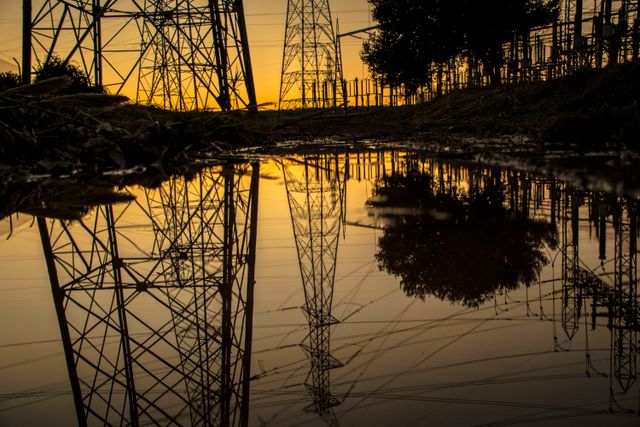

Artificial intelligence is often presented as a digital revolution that can improve productivity, accelerate scientific research, automate business operations and transform everyday services. From AI-powered assistants and intelligent search engines to medical research platforms and industrial automation, the technology is becoming part of an expanding range of applications. However, behind every AI-generated response, automated decision or complex model is a physical infrastructure system that requires electricity, water, computing equipment and substantial investment.
AI data centres are at the centre of this transformation. These specialised facilities contain powerful processors, storage systems and networking equipment that train and operate artificial intelligence models. As AI adoption increases, companies are building larger facilities with higher computing capacity. The expansion creates economic opportunities, but it also places growing pressure on electricity networks, water resources, land availability and construction supply chains.
The environmental cost of artificial intelligence is therefore not limited to the electricity consumed by an individual AI query. It includes the resources required to manufacture advanced processors, construct data centres, generate electricity, cool servers and maintain infrastructure continuously. These demands are becoming an important concern for governments, technology companies and local communities.
The challenge is not to stop AI development, but to ensure that its infrastructure grows responsibly. Understanding the hidden costs of AI data centres is essential for evaluating whether the digital economy can expand without placing unsustainable pressure on essential natural and public resources.
Why AI Data Centres Require So Much Infrastructure
Traditional data centres were primarily designed to host websites, store information, operate business applications and manage cloud services. AI data centres have additional requirements because modern artificial intelligence workloads can involve extremely intensive calculations. Training advanced models requires large groups of specialised processors to work together, exchange information and process enormous datasets.
Graphics processing units and other AI accelerators are designed to perform many calculations simultaneously. This makes them effective for machine learning, but high-performance processors consume substantial amounts of electricity and produce considerable heat. As companies increase the number of processors within individual facilities, the requirements for electrical distribution, cooling and network connectivity also increase.
A modern AI data centre is therefore more than a building filled with servers. It requires substations, transformers, backup power systems, cooling equipment, high-speed fibre connections, security systems and specialised construction. Its operations must remain stable around the clock because interruptions can affect AI services, cloud platforms and business applications used by customers across multiple countries.
The International Energy Agency’s 2026 analysis highlights how quickly this infrastructure is expanding. Its report Key Questions on Energy and AI estimates that global data centre electricity consumption increased by 17% in 2025, while electricity use by AI-focused data centres rose by approximately 50%. The IEA projects that total data centre electricity consumption could increase from around 485 terawatt-hours in 2025 to approximately 950 terawatt-hours by 2030.
These figures demonstrate that AI’s growth is closely connected to the physical capacity of the energy and technology sectors.
Electricity Demand: The Biggest Operational Challenge
Electricity is one of the most significant ongoing costs of operating an AI data centre. Servers require continuous power to perform calculations, store information and communicate with other systems. Cooling equipment, lighting, networking systems and backup infrastructure also consume electricity.
As AI models become more advanced, computing workloads can become increasingly demanding. Training a large model may require thousands of processors operating together for extended periods. Once the model is released, millions of users may interact with it, creating continuous inference workloads. AI applications involving video generation, complex reasoning and autonomous agents can require considerably more computing resources than simple digital operations.
The electricity challenge is not only about the total amount of power consumed. Data centres require reliable electricity at specific locations and often need large amounts of capacity available continuously. A region may have sufficient electricity generation at a national level but still lack the transmission infrastructure needed to deliver power to a particular data centre location.
The IEA’s November 2026 World Energy Outlook identifies growing bottlenecks involving transformers, gas turbines and other essential electricity equipment. It also notes that the rapid expansion of data centre demand can require dedicated grid connections, network reinforcement and additional generation capacity.
This creates a planning challenge for electricity providers. Power infrastructure generally requires longer development timelines than data centres. If technology companies construct facilities faster than electricity networks can expand, projects may experience delays or face higher connection costs.
How Data Centres Can Affect Electricity Prices
The growing electricity requirements of AI infrastructure have raised concerns about the possible impact on household and business electricity bills. When a large data centre connects to an electricity network, the grid may need additional transformers, transmission lines, substations and generation capacity. These investments require funding and can influence the cost of electricity supply.
However, the impact is not identical in every region. If a data centre uses existing spare capacity and pays the appropriate costs associated with its connection, it may help spread the fixed costs of the electricity network across a larger customer base. If a facility requires expensive new infrastructure and those costs are shared across other consumers, households and smaller businesses could face additional financial pressure.
The location and operating behaviour of a data centre also matter. Facilities that can adjust certain computing workloads during periods of high electricity demand may help reduce pressure on the grid. Battery storage, flexible computing schedules and suitable electricity contracts can improve how data centres interact with the power system.
The IEA’s 2026 analysis emphasises that the relationship between data centre expansion and electricity prices is complex. The outcome depends on local grid capacity, infrastructure investment, cost allocation and the flexibility that data centres can offer.
For this reason, data centre developers and electricity regulators need to coordinate before major facilities become operational. Planning should consider the effect on existing customers rather than evaluating a project only through its private investment value.
Water Consumption: The Less Visible Cost of AI
Electricity receives much of the attention in discussions about AI infrastructure, but water is another important resource. Data centres generate heat because electrical energy used by computing equipment is eventually converted into thermal energy. This heat must be removed to maintain safe operating conditions and prevent equipment from overheating.
Some facilities use cooling towers and evaporation-based systems that consume water during normal operations. Other designs rely on air cooling, liquid cooling or combinations of different technologies. The amount of water required depends on the climate, facility design, computing density and cooling method.
The water footprint extends beyond the data centre itself. Electricity generation can require water, while semiconductor manufacturing uses water during the production and cleaning of advanced chips. Consequently, the total water impact of AI infrastructure includes direct consumption at data centres as well as water used throughout the wider supply chain.
The IEA’s World Energy Outlook 2026 estimates that water consumption associated with data centres reached approximately 885 billion litres in 2025. Its analysis indicates that nearly 40% was associated with electricity generation, around one-quarter with direct cooling requirements and the remainder with semiconductor manufacturing and primary energy supply. The report also notes that around 30% of existing and planned global data centre capacity is located in areas experiencing high water stress.
These findings reveal why water planning cannot be treated as a secondary environmental issue. A data centre may operate efficiently from a computing perspective while still creating pressure on a local water system, particularly when it is located in a region with limited freshwater availability.
Why Data Centre Locations Matter
Data centres are often developed in locations selected for reliable electricity, high-speed connectivity, available land, tax incentives and access to customers. These commercial factors are important, but they do not always reflect the environmental capacity of the surrounding area.
A region with strong digital connectivity may also experience water shortages, high temperatures or limited electricity transmission capacity. Building a large AI facility in such a location can increase competition for resources that are already needed by households, agriculture and local industries.
Water stress is especially important because data centre water requirements are concentrated geographically. Global water consumption figures may appear manageable when compared with total worldwide water availability, but the local impact can be much more serious. A facility drawing water from a stressed basin can create concerns even when its contribution to global consumption is relatively small.
The location of electricity generation also matters. A data centre may purchase renewable energy through contracts, but the actual environmental impact depends on how electricity is supplied to the grid at different times and how new generation capacity is developed. Renewable energy procurement is valuable, but it should be supported by transparent accounting and a realistic assessment of local electricity conditions.
Data centre planning should therefore consider water availability, grid readiness, climate conditions, land use and community needs together. Evaluating these factors before construction can prevent expensive infrastructure conflicts later.
India’s Growing AI Infrastructure and Resource Requirements
India is becoming an increasingly important destination for data centre investment. The country’s expanding digital economy, cloud adoption, online services and artificial intelligence ambitions are encouraging domestic and international companies to develop additional computing capacity.
According to information provided by the Ministry of Electronics and Information Technology in August 2026, India’s installed data centre capacity had increased from approximately 375 megawatts in 2020 to around 1,575 megawatts. The government also cited an estimate from the Central Electricity Authority that data centre electricity demand could reach approximately 17 gigawatts by 2031–32.
However, India’s infrastructure expansion must account for regional differences in electricity and water availability. Major data centre markets include Mumbai and Navi Mumbai, Chennai, Hyderabad, Bengaluru, Delhi NCR and Jamnagar. These locations have different climate conditions, resource constraints and electricity requirements.
The government has highlighted the adoption of advanced cooling systems, including direct-to-chip liquid cooling, adiabatic cooling, immersion cooling and closed-loop liquid cooling. It has also referred to Indian standards covering energy performance, carbon usage and water usage in data centres.
In October 2026, the government also publicised a NITI Aayog framework intended to help states evaluate data centre proposals through factors such as power readiness, water availability, environmental sustainability and economic value. This reflects the growing need to assess infrastructure investment beyond the amount of capital a project promises to bring.
For India, the long-term objective should be to develop data centres that support digital growth while protecting local resources and strengthening the reliability of essential infrastructure.
The Pressure on Electricity Grids and Supporting Equipment
AI data centres place demands on more than electricity generation. They also require an extensive network of supporting equipment that transfers power safely and reliably from generation facilities to computing systems.
Transformers, switchgear, power distribution units, cables and backup systems are essential to maintaining uninterrupted operations. As data centre projects become larger, demand for these components can increase rapidly. If manufacturers cannot expand production at the same speed, equipment shortages may delay construction and raise project costs.
Grid upgrades can also take several years because they require planning, regulatory approvals, land access and coordination between different authorities. A data centre developer may be ready to begin operations, but the local electricity network may not yet have the capacity to support its full requirements.
The pressure is not limited to the technology sector. Electricity networks also need to support residential growth, industrial production, transport electrification and other economic activities. Poorly coordinated expansion can create competition between different users.
Battery storage and flexible computing can help manage some of these challenges. Data centres may use batteries to support short-term power requirements and shift non-urgent computing workloads to periods when electricity is more readily available. These measures cannot replace the need for adequate generation and transmission capacity, but they can improve overall system flexibility.
Carbon Emissions and the Environmental Footprint of AI
The environmental impact of AI data centres depends partly on the sources used to generate their electricity. Facilities powered by electricity from carbon-intensive generation can contribute more greenhouse gas emissions than facilities supported by cleaner energy sources.
The IEA’s Powering Artificial Intelligence report estimates that data centres are associated with around 150 million tonnes of carbon dioxide emissions from electricity consumption. Under its central scenario, this figure could rise to approximately 350 million tonnes by 2035.
The carbon footprint also extends beyond daily electricity use. Manufacturing advanced processors requires energy-intensive industrial processes, while construction involves concrete, steel, electrical equipment and other materials. Replacing servers and specialised hardware creates additional resource requirements and electronic waste.
Companies can reduce these impacts through renewable electricity procurement, energy-efficient processors, improved cooling, longer equipment lifecycles and responsible hardware recycling. However, environmental reporting must cover the entire infrastructure system rather than focusing only on the electricity consumed inside a data centre.
A company may improve the efficiency of each computing task while increasing its total energy consumption because it offers more AI services and attracts more users. This is why both efficiency and overall resource consumption need to be measured.
Can Better Cooling Technology Reduce Water and Energy Use?
Cooling technology is developing rapidly as AI processors become more powerful. Traditional air-cooling systems may become less effective in facilities with extremely high computing density. Newer approaches are designed to transfer heat more efficiently and support larger workloads.
Direct-to-chip liquid cooling circulates coolant close to the components that generate the most heat. This can improve thermal management and reduce the need for some conventional cooling processes. Immersion cooling places computing equipment in specially designed fluids that transfer heat away from electronic components. Closed-loop systems circulate coolant through equipment while limiting the need for continuous water replacement.
These technologies can improve efficiency, but no cooling system is completely free of trade-offs. Some designs may reduce direct water consumption while requiring more electricity. Others may use less energy but depend on water availability. The most suitable option depends on local climate conditions, the design of the facility and the type of computing equipment being operated.
The IEA highlights this relationship between water and energy efficiency. Cooling systems that minimise water use may consume more electricity, while some water-efficient designs require different equipment and operational arrangements.
Therefore, data centre sustainability should be assessed through both water and electricity performance rather than relying on a single efficiency measure.
How AI Can Help Improve Its Own Infrastructure Efficiency
Artificial intelligence can also support the management of the infrastructure that makes AI possible. Data centre operators can use machine learning systems to monitor temperature, electricity consumption, cooling performance and equipment behaviour. These systems may identify unusual patterns and recommend adjustments before operational problems become serious.
Predictive maintenance can help identify equipment that may require servicing, reducing the possibility of unexpected failures. AI-based energy management can also help operators adjust cooling and power distribution according to computing demand and external weather conditions.
Another opportunity involves workload optimisation. Not every AI task requires the most powerful available processor or the largest model. Routine activities may be handled by smaller models, while more complex tasks can be directed to advanced systems. This approach can reduce unnecessary computing demand without eliminating the benefits of AI.
Software developers can also improve model efficiency through quantisation, compression and more efficient algorithms. These methods may reduce the processing resources required for certain applications. However, efficiency gains must be evaluated against increasing usage, because lower costs can encourage more frequent and resource-intensive AI activity.
The objective should be to improve the amount of useful work produced per unit of electricity and water while ensuring that the total infrastructure footprint remains manageable.
Building a More Sustainable AI Data Centre Ecosystem
Sustainable data centre development requires coordination between technology companies, electricity providers, governments, water authorities and local communities. Infrastructure planning should begin before construction, with a clear understanding of how much electricity and water a proposed facility will require throughout its operational life.
Developers should select locations based on the availability of reliable power, renewable energy opportunities, water resources and suitable transmission infrastructure. Projects in water-stressed regions should demonstrate how they will minimise freshwater consumption and avoid competing with essential public needs.
Companies should also disclose meaningful environmental performance information. Metrics such as power usage effectiveness, water usage effectiveness and carbon emissions can help regulators and customers understand how efficiently facilities operate. These indicators should be accompanied by information about electricity sources, water withdrawal and consumption, and the wider supply chain.
Governments can support sustainable development by connecting investment incentives with measurable environmental and infrastructure commitments. Grid operators should evaluate the cumulative impact of several data centres planned in the same region rather than assessing each project in isolation.
The NITI Aayog framework announced in 2026 reflects this broader approach by encouraging states to evaluate data centre proposals across power, water, location, sustainability and economic considerations.
Ultimately, sustainable AI infrastructure requires a balance between technological ambition and the capacity of the surrounding environment.
Conclusion
AI data centres are becoming essential infrastructure for the digital economy, supporting everything from advanced research and cloud computing to business automation and intelligent consumer applications. However, their expansion carries hidden costs that extend far beyond servers and software. Electricity demand, water consumption, cooling requirements, grid upgrades, construction materials and carbon emissions all contribute to the true environmental footprint of artificial intelligence.
The challenge is particularly important for countries such as India, where digital infrastructure is expanding alongside growing demand for electricity, water and other essential resources. Investment can create economic opportunities and strengthen technological capabilities, but it must be supported by responsible planning and transparent environmental standards.
The future of AI should not be measured only by the size of models, the number of processors or the speed of data centres. It should also be measured by how efficiently these systems use natural resources and how responsibly they operate within local communities.
Artificial intelligence has the potential to improve energy management, scientific research and environmental monitoring. To realise these benefits, the infrastructure powering it must follow the same principles of efficiency and sustainability. The next phase of AI development will depend not only on building more computing capacity, but on building it in a way that the planet’s electricity networks, water systems and communities can support over the long term.
Online Internship with Certificate
You may be interested

Digital Payment Fraud in India: Fake Screenshots and Impersonation Scams Continue to Spread
Anshika Jain - Nov 26, 2026Digital payments have transformed the way people exchange money in India. From small neighbourhood shops and street vendors to large retailers and online businesses, millions of transactions…

Future of Global AI Regulation: Can Countries Agree on Common Technology Rules
Anshika Jain - Nov 26, 2026Artificial intelligence is becoming one of the most influential technologies in the modern world. It is transforming healthcare, education, banking, manufacturing, transportation, communication, scientific research and public…

AI Chip Restrictions in November: How Could They Change the Global Technology Industry
Anshika Jain - Nov 26, 2026Artificial intelligence is becoming one of the most important drivers of global technological and economic development. From generative AI applications and autonomous systems to advanced scientific research,…
Most from this category

AI Investment Boom: Technology Companies Spending Too Much on AI Infrastructure
Anshika Jain - Nov 26, 2026
India and the Indo-Pacific: Maritime Security and Critical Minerals Becoming Priorities
Anshika Jain - Nov 25, 2026
US-China Technology Rivalry: Advanced AI Chips Becoming a Major Diplomatic Issue
Anshika Jain - Nov 25, 2026
Cloud Infrastructure Outages Disrupt Banking and Government Services
Anshika Jain - Nov 26, 2026AI Investment Boom: Technology Companies Spending Too Much on AI Infrastructure
Anshika Jain - Nov 26, 2026India and the Indo-Pacific: Maritime Security and Critical Minerals Becoming Priorities
Anshika Jain - Nov 25, 2026