

India’s Inflation Crosses the RBI’s Comfort Zone: What Does It Mean for Household Budgets

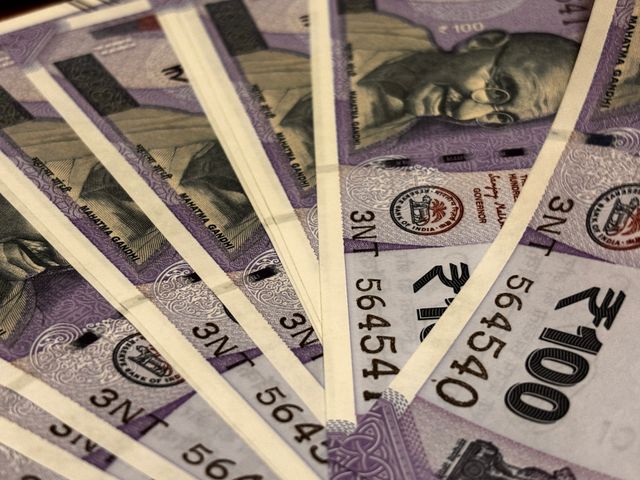

India’s rising inflation has become an important concern for households as the cost of everyday essentials, food products, transport and several services puts increasing pressure on monthly budgets. When prices rise faster than household incomes, families may find it difficult to maintain their usual standard of living, manage savings and meet financial commitments. The impact is particularly noticeable among middle-income and lower-income households because a significant share of their earnings is spent on essential goods and services.
The latest inflation figures have brought this concern into sharper focus. According to the Ministry of Statistics and Programme Implementation (MoSPI), India’s retail inflation, measured through the Consumer Price Index (CPI), increased to 6.09% in October 2026, compared with 5.54% in September 2026. Food inflation rose more sharply to 8.94%, indicating that the cost of food was increasing faster than the overall price level. The October figures were provisional and were released on November 12, 2026.
This development is significant because India’s inflation target is 4%, with an officially permitted tolerance range of 2% to 6%. October’s 6.09% reading moved slightly above the upper limit of that range. Although the difference may appear small in percentage terms, persistent inflation above the target range can affect household purchasing power, borrowing costs, business decisions and the broader economy.
Understanding what this development means requires looking beyond the headline inflation number. The real question for households is how rising prices influence grocery bills, school expenses, healthcare, transport, housing and savings, and what families can do to manage their finances when the cost of living increases.
What Does It Mean When Inflation Crosses the RBI’s Comfort Zone?
The Reserve Bank of India follows a flexible inflation-targeting framework. Under this system, the central government sets an inflation target in consultation with the RBI, while the Monetary Policy Committee (MPC) uses monetary policy to help maintain price stability without ignoring economic growth.
For the period from April 1, 2026, to March 31, 2031, the government has retained the CPI inflation target at 4%, with a lower tolerance level of 2% and an upper tolerance level of 6%. These levels were formally notified through a government gazette notification dated March 25, 2026.
The 4% figure represents the central target, while the 2–6% range provides a permitted margin around it. Therefore, when inflation reaches 6.09%, it is not simply moving above the preferred 4% level; it is also marginally exceeding the upper tolerance limit.
However, one monthly reading above 6% does not automatically mean that the RBI has formally failed to meet its inflation target. Under the framework, failure is assessed when average inflation remains above the upper tolerance level for three consecutive quarters, or below the lower limit for the same period. The latest figure is therefore a warning sign that policymakers will monitor, rather than an automatic declaration of a formal target failure.
For ordinary households, the significance is more immediate. Higher inflation means that the same amount of money may purchase fewer goods and services than it did previously. If salaries and other household income do not increase at a similar pace, families effectively experience a reduction in purchasing power.
Why Has India’s Inflation Increased?
Inflation can rise for several reasons, including higher production costs, supply shortages, increased demand, international commodity prices, transportation expenses and changes in weather conditions. In India’s latest inflation figures, food prices have emerged as a particularly important source of pressure.
According to the October 2026 CPI release, food inflation increased to 8.94%, compared with 7.74% in September. Rural food inflation reached 9.09%, while urban food inflation stood at 8.68%. Overall retail inflation was also higher in rural areas, at 6.63%, than in urban areas, at 5.41%.
Food prices can rise when agricultural production is affected by irregular rainfall, insufficient water availability, crop damage, heat conditions or disruptions in supply chains. Even when the overall availability of food is adequate, transportation delays, storage limitations and local market conditions can create temporary shortages and increase retail prices.
International commodity markets can add further pressure. Changes in crude oil prices, edible oil prices, fertiliser costs and imported food commodities can influence domestic production and transportation expenses. When businesses face higher input costs, some of these increases may eventually be passed on to consumers.
Inflation can also become broader when higher costs spread beyond food and fuel. Businesses may increase prices for manufactured products, restaurant services, transportation and other activities. If this process continues, households can experience rising expenses across several categories rather than only in grocery markets.
How Rising Food Inflation Affects Monthly Grocery Budgets
Food inflation is particularly important for Indian households because food represents a substantial part of everyday expenditure. Groceries are not optional purchases, and families cannot easily eliminate essential items such as vegetables, cereals, pulses, milk, cooking oil and other basic ingredients.
When food prices rise, households may initially respond by reducing spending on discretionary items. However, if prices remain elevated, families may eventually change their regular consumption patterns. They might purchase smaller quantities, switch to less expensive brands, reduce the frequency of certain purchases or replace some food items with cheaper alternatives.
Consider a household that spends ₹10,000 every month on groceries. If the average cost of its grocery basket increases by 8%, the same basket would cost approximately ₹10,800, assuming its composition and quantities remain unchanged. The additional ₹800 may seem manageable in isolation, but it becomes more significant when combined with higher electricity bills, transport expenses, school costs and medical spending.
The actual increase experienced by a household will depend on its purchasing habits. A family that regularly buys products experiencing sharp price increases may face a higher cost-of-living impact than the national food inflation figure suggests. This is why official inflation statistics and individual household experiences do not always match exactly.
Why Rural and Urban Households Experience Inflation Differently
Inflation does not affect every household in the same way. The difference between rural and urban inflation figures in October 2026 illustrates how the cost of living can vary depending on location, income sources, consumption patterns and access to essential goods.
The latest data placed rural retail inflation at 6.63%, compared with 5.41% in urban areas. Rural food inflation was also slightly higher, at 9.09%, against 8.68% in urban areas.
Rural households may be particularly exposed to food price changes because their budgets often include substantial spending on essential commodities. Agricultural families can also experience a complicated relationship with inflation. Higher prices for agricultural products may benefit some producers, but increased costs for fertilisers, seeds, diesel, electricity and other inputs can reduce the financial benefit. Families that depend on purchasing food rather than producing it may face additional pressure.
Urban households encounter a different combination of expenses. Rent, commuting, school fees, restaurant services, electricity, healthcare and other services can represent substantial portions of their monthly budgets. Even if some food prices stabilise, increases in these categories can keep overall household expenditure high.
Income differences also influence the impact. A household with a higher income may have more flexibility to absorb an increase in grocery or transport expenses. A family with limited disposable income may need to reduce savings or postpone important purchases to manage the same price increase.
Therefore, national inflation figures provide an important economic overview, but they cannot fully describe the financial pressure experienced by every household.
The Impact of Inflation on Education, Healthcare and Essential Services
Rising inflation is not limited to the prices visible in supermarkets. It can gradually affect the cost of education, healthcare, personal services and other expenses that families consider essential.
Education expenses may include school fees, tuition, books, uniforms, transportation, digital learning subscriptions and accommodation for students studying away from home. When educational institutions face higher operating costs, some of these expenses may increase. Families with children in private schools or students pursuing higher education can therefore face additional pressure on their annual budgets.
Healthcare costs can also become more difficult to manage. Medical consultations, diagnostic tests, medicines, hospital services and health insurance premiums may increase for different reasons. Families managing regular medical expenses can find it particularly challenging when these costs rise alongside food and housing expenditure.
Transport is another important area. Higher fuel prices or operating costs can affect bus fares, taxi services, delivery charges and the movement of goods. Even households that do not own vehicles may experience indirect effects when businesses pass higher logistics expenses into the prices of products and services.
The impact can be gradual rather than immediate. A small increase in several different categories may appear insignificant individually, but together these changes can create a noticeable difference in a family’s monthly spending.
How Inflation Reduces Household Savings
One of the most important long-term consequences of inflation is its effect on savings. When household expenses rise faster than income, families may have less money available to save after paying for essential needs.
For example, a household earning ₹50,000 per month may previously have allocated ₹8,000 towards savings. If grocery bills, transport expenses, electricity charges and education costs increase by a combined ₹3,000 without a corresponding salary increase, the amount available for savings may fall to ₹5,000.
This reduction can affect financial security. Households may find it harder to build an emergency fund, save for education, prepare for retirement or make a down payment on a home. Some families may also need to withdraw money from existing savings to manage regular expenditure.
Inflation can affect the real value of savings even when the nominal balance remains unchanged. If money earns an interest rate lower than the inflation rate, its purchasing power may decline over time. For example, if savings earn 5% annually while prices rise by 6%, the real return before taxes and other considerations is negative.
This does not mean that households should stop saving. Instead, it highlights the importance of considering inflation when selecting savings and investment options. Families need to balance liquidity, safety, time horizon and potential returns rather than keeping all their savings in an account that may not preserve purchasing power over the long term.
What Happens to Home Loans, Personal Loans and EMIs?
Inflation also matters for households that borrow money. When inflation remains above the central bank’s target, the RBI may consider monetary policy adjustments to prevent price pressures from becoming persistent. One important instrument is the policy repo rate, which influences borrowing conditions across the financial system.
If the RBI increases the repo rate, banks may eventually raise lending rates on certain loans. The extent and timing of the impact depend on the loan’s interest-rate structure, the bank’s lending benchmarks and the terms of the borrower’s agreement.
For a household with a floating-rate home loan, an increase in the applicable lending rate may result in a higher monthly instalment or a longer repayment period, depending on how the lender adjusts the loan. Personal loans, vehicle loans and other borrowing arrangements may also become more expensive when lending conditions tighten.
Higher interest rates can create additional pressure for families already dealing with rising grocery and transport costs. A household paying a substantial EMI may have less flexibility to adjust its budget when essential expenses increase.
However, it is important not to assume that every increase in inflation will immediately lead to higher loan rates. The RBI considers several factors, including the expected persistence of inflation, economic growth, liquidity and the broader financial environment. Its policy decisions are intended to balance price stability with economic activity.
For borrowers, this makes it useful to understand whether their loans are fixed-rate or floating-rate and how changes in interest rates could affect future repayments.
Why Inflation Can Affect Small Businesses and Household Incomes
Household budgets are also influenced by the financial condition of employers and small businesses. When input costs increase, businesses may face higher expenses for raw materials, packaging, electricity, transportation, rent and wages.
Small businesses can find it particularly difficult to absorb these increases because they may have limited financial reserves and less bargaining power with suppliers. A neighbourhood shop, restaurant, local manufacturer or service provider may eventually increase selling prices to protect its operating margins.
Some businesses may instead reduce profit margins, postpone expansion or limit hiring. If these pressures continue, they can influence employment opportunities and salary growth. Households may then face a double challenge: higher living costs and slower growth in their income.
The relationship between inflation and wages is not automatic. Some workers may receive salary increases, while others may experience little change in earnings. Informal-sector workers, daily-wage earners and people with irregular income can be particularly vulnerable because their earnings may not adjust quickly when prices rise.
This is why inflation is not only a concern for consumers. It also influences business investment, employment conditions and the wider economy.
How the RBI May Respond to Rising Inflation
The RBI’s main responsibility under India’s monetary policy framework is to maintain price stability while keeping economic growth in mind. When inflation rises, the Monetary Policy Committee examines whether the increase is temporary or likely to persist.
If inflation is primarily caused by temporary supply disruptions, such as a short-lived rise in vegetable prices, monetary policy may have limited ability to address the immediate cause. Interest-rate increases cannot directly improve crop production, repair damaged roads or remove a shortage of agricultural supplies.
However, if inflation becomes widespread and begins influencing wages, business pricing decisions and consumer expectations, the RBI may consider tighter monetary conditions. A higher policy rate can increase borrowing costs and moderate demand across parts of the economy. This may gradually reduce the pressure that excessive demand places on prices.
The challenge is that monetary policy works with a time lag. Higher borrowing costs may help contain inflation over time, but they can also make loans more expensive for households and businesses. The RBI must therefore consider the potential effects on consumption, investment and employment.
Reuters reported on November 12, 2026, that October’s 6.09% retail inflation had moved above the RBI’s 6% upper tolerance limit, with food inflation at 8.94%. Its November 17 analysis also discussed concerns about whether supply-side price pressures could become more persistent and how the RBI might respond at its December policy review. These were economic assessments and expectations, not confirmation of a future rate decision.
Which Household Expenses May Feel the Pressure First?
The impact of inflation depends on which products and services are becoming more expensive. When food inflation rises sharply, households usually notice the change through grocery purchases. When transport costs increase, commuting and delivery expenses may become more expensive. If service-sector prices rise, families may gradually face higher bills for education, healthcare, restaurants and accommodation.
The October 2026 inflation data also showed that price pressures were not restricted to food. Reuters reported that inflation had broadened across several consumer categories, with transport and core inflation also accelerating. It noted that 19 of the 43 CPI sub-groups recorded inflation of at least 4%.
This matters because households cannot always compensate for increases in one category by reducing spending in another. A family may be able to postpone buying new clothes, but it cannot indefinitely avoid healthcare, school fees, commuting or essential groceries.
The financial impact is therefore determined by the combination of price increases and the flexibility of household expenditure. Families with fixed monthly commitments may find it especially difficult to adjust when several categories become more expensive at the same time.
How Families Can Manage Their Budgets During High Inflation
Managing household finances during inflation requires understanding where money is being spent and identifying expenses that can be adjusted without compromising essential needs. A monthly budget can help families distinguish between fixed commitments, essential variable expenses and discretionary purchases.
Reviewing grocery spending is a practical starting point. Comparing prices across local shops, planning meals in advance and avoiding unnecessary food waste can help households manage their food budgets. Seasonal produce and locally available alternatives may also provide opportunities to control expenses without reducing nutritional quality.
Families can review recurring subscriptions, entertainment spending, frequent online purchases and other non-essential expenses. These adjustments may not completely offset inflation, but they can create additional room in the monthly budget.
It is also important to maintain an emergency fund. Unexpected medical expenses, job disruptions or urgent household repairs can become more difficult to manage when prices are already high. Maintaining accessible savings can reduce the need to depend on expensive short-term borrowing.
Borrowers should review their loan terms and understand how changes in floating interest rates may affect their EMIs. Before taking a new loan, households should consider whether the repayment amount would remain manageable if interest rates or regular expenses increased.
Finally, families should avoid making rushed investment decisions simply because inflation is rising. Financial choices should reflect individual income stability, financial goals, risk tolerance and the time period for which money can remain invested.
What Could Happen to India’s Inflation in the Coming Months?
The future direction of inflation will depend on several interconnected factors. Food supply conditions, agricultural production, international energy prices, transportation costs and the movement of the rupee can all influence domestic prices. Weather conditions will also remain important because disruptions to agricultural output can quickly affect the availability and cost of essential food items.
If food prices moderate and supply chains improve, headline inflation could gradually move towards the RBI’s target range. However, if food prices remain elevated and increases spread across other consumer categories, inflation could stay above the upper tolerance limit for longer.
The RBI’s policy decisions will depend on whether price pressures appear temporary or persistent. Policymakers will also need to consider the impact of any monetary tightening on household borrowing, business investment and economic growth.
For consumers, it is important to distinguish between the inflation rate and the actual price level. Even if inflation falls in the coming months, it does not necessarily mean that grocery prices, school fees or transport costs will return to their earlier levels. It generally means that prices are increasing more slowly than before.
This distinction is important for financial planning. Households should not assume that a decline in the inflation rate will immediately reduce their monthly expenses. Instead, they should consider how current prices compare with their income and financial commitments.
Conclusion
India’s October 2026 inflation reading of 6.09% is significant because it has moved above the RBI’s upper tolerance limit of 6%. The increase has been accompanied by food inflation of 8.94%, making the development particularly important for households that spend a substantial portion of their income on essential goods.
The consequences extend beyond grocery bills. Higher inflation can reduce savings, increase the cost of education and healthcare, influence transport expenses and create uncertainty for borrowers. Rural and urban households may experience these pressures differently depending on their income, location and consumption patterns.
Although the RBI can use monetary policy to manage persistent inflation, many immediate price pressures also depend on agricultural production, supply chains, international markets and government measures. This makes inflation management a broader economic challenge rather than a responsibility that can be addressed through interest rates alone.
For households, understanding inflation is the first step towards managing its effects. Tracking monthly expenditure, maintaining emergency savings, reviewing borrowing commitments and making informed financial decisions can help families remain prepared. Ultimately, price stability matters not only for economic indicators but also for the everyday financial security and purchasing power of millions of Indian households.
Online Internship with Certificate
You may be interested

Wholesale Inflation Rises to 12.29%: Why Could Everyday Products Become More Expensive
Anshika Jain - Nov 19, 2026The cost of producing, transporting and distributing goods is an important factor behind the prices consumers eventually pay in shops and markets. When businesses face higher expenses…

Cyclone-Related Flooding: Inland Districts Face Serious Risks Even Away From the Coast
Anshika Jain - Nov 19, 2026When a cyclone approaches or crosses a coastline, public attention often focuses on the areas expected to experience the strongest winds, storm surges and direct coastal damage.…

Can AI and Satellite Imaging Improve Cyclone Landfall Predictions in India
Anshika Jain - Nov 19, 2026Cyclones are among the most destructive natural hazards affecting India's coastal regions. Every year, weather systems developing over the Bay of Bengal and the Arabian Sea create…
Most from this category

Why Do Cyclones Sometimes Change Their Landfall Predictions Within 24 Hours
Anshika Jain - Nov 19, 2026
Cyclone Akvan Landfall on November 20: Which Coastal Areas Could Face the Greatest Risk
Anshika Jain - Nov 19, 2026
Cyclone Akvan Strengthens Over the Bay of Bengal: Why Is Andhra Pradesh on High Alert
Anshika Jain - Nov 18, 2026
Why Does a Strong US Dollar Sometimes Put Pressure on Indian Bullion Prices
Anshika Jain - Nov 18, 2026
Why Do Cyclones Sometimes Change Their Landfall Predictions Within 24 Hours
Anshika Jain - Nov 19, 2026Cyclone Akvan Landfall on November 20: Which Coastal Areas Could Face the Greatest Risk
Anshika Jain - Nov 19, 2026Cyclone Akvan Strengthens Over the Bay of Bengal: Why Is Andhra Pradesh on High Alert
Anshika Jain - Nov 18, 2026