
Nine deaths and 25 injuries reported in a bus accident in Uttarakhand’s Tehri Garhwal

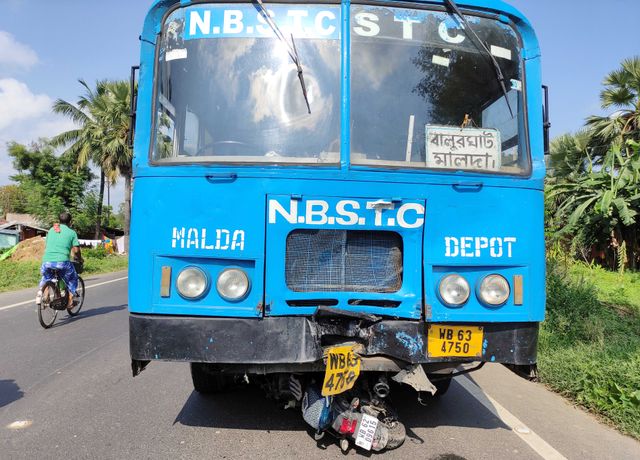

A tragic road accident in Uttarakhand’s Tehri Garhwal district claimed nine lives and left 25 people injured on the morning of 17 November 2026. A passenger bus travelling from Haridwar towards Joshimath plunged into a gorge near Gular Bridge on the Rishikesh–Badrinath National Highway. The vehicle reportedly fell approximately 100 metres after breaking through an iron roadside railing, turning an early-morning journey into a major rescue operation.
The bus was carrying 34 people, including the driver, when the accident occurred. Police officials reported that seven passengers died at the scene, while two others later succumbed to their injuries during treatment at AIIMS Rishikesh. The remaining injured passengers were taken to medical facilities for treatment. The incident prompted an extensive emergency response involving police personnel, the State Disaster Response Force (SDRF), fire services, medical teams, and other rescue personnel.
The accident once again brought attention to road safety in Uttarakhand’s mountainous regions, where narrow roads, steep slopes, sharp turns, and deep valleys can make road travel particularly challenging. It also raised important questions about vehicle safety, emergency preparedness, road infrastructure, and the measures required to reduce the risk of serious accidents on hill highways.
What Happened Near Gular Bridge in Tehri Garhwal?
According to information shared by police officials, the passenger bus departed from Haridwar at approximately 3:15 am on 17 November. It was travelling towards Joshimath, carrying 34 people, including the driver and conductor. The journey involved travel along the Rishikesh–Badrinath National Highway, an important route connecting several destinations in Uttarakhand’s mountainous region.
At approximately 4:50 am, the bus reportedly went out of control near Gular Bridge in the Gular Ghati area of Tehri Garhwal district. The vehicle broke through an iron roadside railing and plunged into a gorge approximately 100 metres below the road, reaching the Gular Gad stream.
The steep location made the incident particularly dangerous and complicated the initial rescue effort. The bus had fallen far below the road, making it difficult for emergency personnel to reach the vehicle and evacuate passengers quickly. The accident occurred during the early morning hours, when visibility and access conditions can present additional challenges in mountainous areas.
Police officials confirmed the loss of nine lives and injuries to 25 passengers. The accident involved people travelling from different parts of the country, highlighting how long-distance public transport connects passengers across states but can also create complex rescue and family communication requirements when a major incident occurs.
Casualties and Injuries Reported After the Accident
The confirmed toll of the accident stood at nine deaths and 25 injuries. Seven people were reported to have died at the accident site, while two others died after being taken to AIIMS Rishikesh for medical treatment. The injured passengers were evacuated from the gorge and transported to hospitals for medical attention.
The deceased included the bus driver and conductor, along with passengers from Uttarakhand, Uttar Pradesh, West Bengal, and Madhya Pradesh. The identification of victims helped authorities communicate with their families and complete the necessary procedures following the accident.
The injured passengers also came from different states, including Jharkhand, Bihar, Assam, Delhi, and several districts of Uttarakhand. The presence of passengers from multiple regions made coordination between hospitals, local authorities, and families especially important.
Medical treatment following a serious road accident can involve several stages. Patients may initially require emergency stabilisation before doctors assess fractures, head injuries, internal injuries, or other complications. Those with more serious conditions may need specialist treatment and continuous monitoring. The condition of injured passengers can also change after admission, making follow-up medical information important for families.
The incident was a reminder that the consequences of a road accident extend beyond the immediate casualty figures. Families of those who died faced sudden loss, while injured passengers and their relatives had to deal with hospital treatment, travel arrangements, and uncertainty about recovery.
Rescue Operation Conducted by SDRF, Police and Emergency Teams
Following information about the accident, emergency teams were mobilised to the Gular Bridge area. Police personnel from Muni Ki Reti and Narendra Nagar police stations, along with fire service staff and disaster response teams, reached the location to assist with rescue and relief operations.
The State Disaster Response Force played an important role in evacuating passengers from the gorge. Personnel from the Indo-Tibetan Border Police stationed at Shivpuri also assisted the operation. The involvement of multiple agencies was necessary because the accident site was located in difficult terrain, well below the highway.
Rescue operations in mountainous regions often require specialised equipment, trained personnel, and careful coordination. When a vehicle falls into a deep gorge, rescuers may need to descend steep slopes, locate passengers inside or around the damaged vehicle, provide immediate assistance, and transport injured people to a point accessible to ambulances.
The distance between the road and the accident site can make even basic evacuation difficult. Injured passengers may need to be moved carefully to prevent further harm, particularly when they have suspected spinal injuries, fractures, or serious trauma.
According to reports, all injured passengers were evacuated from the accident location and taken to hospitals. The passengers’ belongings were also secured at the Gular police outpost. Such steps are important after major accidents because personal documents, mobile phones, luggage, and other belongings may help authorities identify passengers and support families during the investigation.
Medical Treatment and Support at AIIMS Rishikesh
AIIMS Rishikesh became an important medical centre for passengers injured in the accident. The hospital received injured people for treatment, and two passengers later died while receiving medical care. Other injured passengers were also taken to hospitals for assessment and treatment.
The medical response following a major accident involves more than treating visible injuries. Doctors must assess the possibility of internal bleeding, head trauma, chest injuries, fractures, and other conditions that may not be immediately apparent. Patients may require diagnostic tests, emergency procedures, specialist consultations, or observation depending on the seriousness of their injuries.
For families, hospitals also become the primary point of contact for information about the condition of injured relatives. Clear communication from medical authorities is essential, particularly when patients have been transferred from a remote accident location and their relatives are travelling from other states.
The administration issued helpline details to help people obtain information related to the accident. The AIIMS Rishikesh Trauma and Disaster Helpline was listed as 1800-180-4278, with WhatsApp support at 9084670331. The Tehri Garhwal District Disaster Control Room also provided contact numbers for assistance and information.
The availability of official contact channels can reduce confusion during emergencies. It helps families seek verified information rather than depending entirely on unconfirmed social media messages or informal updates.
Investigation Underway to Establish the Cause
Although initial reports stated that the bus went out of control before plunging into the gorge, the precise cause of the accident required investigation. A vehicle losing control is a description of what happened immediately before a crash, not necessarily a complete explanation of why it occurred.
Investigators may need to examine several factors, including the vehicle’s mechanical condition, braking system, tyres, steering components, speed, road geometry, weather conditions, and the driver’s condition. Witness statements, available CCTV footage, vehicle records, and the physical evidence at the accident site can also help establish the sequence of events.
The condition of the roadside railing is another important aspect of the investigation. Reports stated that the bus broke through an iron barrier before falling into the gorge. Investigators may need to examine the structure, its installation, maintenance, and ability to withstand the impact of a vehicle.
However, it would be premature to attribute the accident to a specific cause without the findings of the official investigation. Mechanical failure, driver error, road conditions, and other factors should not be treated as confirmed explanations unless supported by evidence.
A detailed investigation is important not only for determining responsibility but also for identifying measures that could prevent similar incidents. If a road-design or infrastructure problem is discovered, corrective action may be required. If vehicle maintenance or operating practices are found to have contributed, the relevant transport and enforcement authorities may need to respond accordingly.
Uttarakhand’s Mountain Roads and Road Safety Challenges
Uttarakhand’s geographical landscape makes road safety a particularly important public issue. The state contains mountainous terrain, steep gradients, narrow roads, sharp bends, river valleys, and routes that connect remote settlements with larger towns and cities. Roads are essential for tourism, healthcare access, education, trade, and everyday transportation, but travelling through these areas requires careful planning and strong safety measures.
The Rishikesh–Badrinath National Highway is an important route for people travelling towards destinations in the Garhwal region. It carries local traffic as well as tourists, pilgrims, commercial vehicles, and public transport services. During busy travel periods, different types of vehicles share roads that may have limited space and challenging driving conditions.
On mountain roads, a small driving error can have serious consequences when a vehicle is travelling close to a steep slope or deep valley. Sharp turns, sudden changes in road width, falling rocks, damaged surfaces, and limited visibility can increase driving difficulty. Weather conditions may also affect road grip and visibility, particularly during rain, fog, or snowfall.
These challenges make responsible driving essential. Drivers operating passenger vehicles on hill routes need to maintain suitable speeds, avoid risky overtaking, follow vehicle maintenance schedules, and remain alert to road conditions. Passengers also depend on transport operators and regulatory authorities to ensure that vehicles are fit for service and journeys are planned safely.
At the same time, road safety cannot depend entirely on driver behaviour. Proper barriers, road markings, warning signs, drainage systems, slope protection, and regular infrastructure inspections are equally important.
A Wider Series of Road Accidents Across Uttarakhand
The Tehri Garhwal bus tragedy occurred during a particularly serious period of road accidents in the state. According to a report carried by ThePrint citing the Press Trust of India, five separate accidents in Tehri Garhwal and Rudraprayag districts between Monday night and Tuesday morning resulted in 17 deaths and 38 injuries.
The bus crash near Gular Bridge was one of these incidents. Another accident involved a Bolero vehicle that reportedly fell into a gorge in Rudraprayag district, killing four people and injuring six. Separate incidents involving two-wheelers and a utility vehicle were also reported in Tehri Garhwal.
These were separate accidents and should not be confused with the casualty figures from the bus crash. The bus incident alone resulted in nine deaths and 25 injuries. The wider figures demonstrate the scale of the road-safety concerns reported across the two districts during that period.
When several serious accidents occur within a short time, they underline the importance of reviewing road conditions, emergency response arrangements, vehicle safety, and enforcement practices. However, each accident requires an independent investigation because the circumstances may be different.
The wider series of incidents also highlights the importance of reliable local emergency services. In mountainous districts, the time taken to reach an accident site and transport injured people to hospitals can significantly influence rescue operations.
Government Response and Financial Assistance for Victims
Uttarakhand Chief Minister Pushkar Singh Dhami expressed grief over the accidents and conveyed condolences to the families who lost their loved ones. He also wished the injured passengers a speedy recovery and directed officials to ensure that they received proper medical treatment and necessary assistance.
The state government announced financial assistance for those affected by the accidents. According to reports, the families of people who died were to receive ₹2 lakh, while injured passengers were to receive ₹1 lakh. Assistance of up to ₹40,000 was also announced for people with minor injuries.
Financial assistance cannot compensate families for the loss of a loved one, but it can provide some immediate support during a difficult period. Families affected by serious accidents may face expenses related to hospital treatment, transportation, accommodation, and other urgent requirements.
Government support also needs to include administrative coordination. This may involve helping families identify victims, complete documentation, receive compensation, and access medical services. For injured passengers, continuity of treatment and appropriate follow-up care are equally important.
The effectiveness of the response ultimately depends on how quickly and transparently assistance reaches those affected. Clear communication between district authorities, hospitals, police departments, and families can make the process more manageable.
Why Roadside Barriers and Infrastructure Maintenance Matter
The bus reportedly broke through an iron roadside railing before plunging into the gorge. This detail makes roadside protection an important part of the discussion surrounding the accident.
Road barriers are designed to reduce the risk of vehicles leaving the road in certain circumstances. Their effectiveness depends on factors such as design, installation, material strength, maintenance, road geometry, and the type of vehicle they are intended to protect against. A barrier cannot prevent every accident, particularly when a vehicle approaches at high speed or experiences an unusually severe impact. Nevertheless, properly designed and maintained roadside protection can be an important safety measure.
In mountainous areas, infrastructure planning must account for the consequences of a vehicle leaving the carriageway. A road next to a deep gorge requires appropriate protective systems, clear warning signs, and regular inspections. Damaged barriers, loose fittings, corrosion, or gaps in protection can reduce their effectiveness.
Authorities responsible for highways and local roads need to assess high-risk stretches and identify locations where additional safety measures may be required. Such assessments should consider accident history, traffic volume, road width, gradient, visibility, and the severity of potential falls.
The investigation into the Gular Bridge accident may help clarify whether the existing roadside infrastructure played any role in the incident. Any recommendations should be based on technical findings rather than assumptions.
Improving Passenger Transport Safety in Hill Regions
The accident has renewed attention on the need for stronger safety practices among public transport operators working in mountainous regions. Passenger buses carry several people at a time, so a single serious accident can have devastating consequences for many families.
Transport operators need to ensure that vehicles undergo regular inspections and that critical components such as brakes, tyres, steering systems, lights, and suspension are maintained properly. Drivers should be appropriately trained and familiar with the conditions of the routes they operate.
Scheduling is another important consideration. Long journeys, overnight travel, fatigue, and demanding road conditions can create additional risks if not managed carefully. Transport companies should ensure that operating schedules comply with applicable rules and allow drivers to remain alert throughout their journeys.
Authorities also have an important role in checking vehicle fitness, enforcing speed limits, monitoring permit conditions, and taking action against unsafe operating practices. Road engineering improvements should complement these measures rather than being treated as a separate responsibility.
Passengers can also contribute to safer travel by choosing authorised services, wearing seat belts where available, avoiding pressure on drivers to travel faster, and reporting visibly unsafe driving or vehicle conditions. However, the primary responsibility for operating a safe passenger service remains with transport providers and the relevant authorities.
The Importance of Emergency Preparedness in Remote Areas
The rescue operation near Gular Bridge demonstrated the importance of coordinated emergency response in mountainous districts. When an accident occurs in a remote or difficult-to-access location, the effectiveness of rescue services depends on communication, trained personnel, equipment, ambulance availability, and coordination between agencies.
The SDRF, police, fire services, ITBP, and medical teams all have specialised responsibilities during major incidents. Their ability to work together can improve the speed and organisation of rescue operations. Emergency access routes, local response centres, and reliable communication systems can also help reduce delays.
Hospitals in and around mountain districts need appropriate arrangements for receiving accident victims, assessing injuries, and transferring critically injured patients when specialist care is required. A coordinated referral system can help patients reach the medical facilities best equipped to treat their conditions.
The Gular accident also demonstrated the value of official helplines during emergencies. When people from several states are involved, families may need a central source of information to confirm whether their relatives were travelling on the bus and where they have been taken for treatment.
Strengthening emergency preparedness should therefore remain an important part of Uttarakhand’s wider road-safety strategy.
Conclusion
The bus accident near Gular Bridge in Tehri Garhwal on 17 November 2026 was a devastating incident that claimed nine lives and injured 25 passengers. The bus, travelling from Haridwar towards Joshimath with 34 people on board, plunged approximately 100 metres into a gorge after reportedly breaking through a roadside railing. Rescue teams, including the SDRF, police, fire services, and ITBP personnel, worked to evacuate passengers and support the injured.
The tragedy brought attention to the risks associated with road travel in mountainous regions and the importance of vehicle maintenance, safe driving practices, reliable roadside protection, and effective emergency response. The government’s announcement of financial assistance provided an immediate support measure, while the investigation remains important for establishing the circumstances that led to the crash.
Preventing similar incidents will require a coordinated approach involving transport operators, road authorities, law enforcement agencies, emergency services, and passengers. Mountain roads are essential to Uttarakhand’s connectivity, but their safety must remain a priority. Better infrastructure, responsible driving, regular vehicle inspections, and stronger emergency preparedness can help reduce risks and protect lives on the state’s challenging road network.
Online Internship with Certificate
You may be interested
MS Dhoni Retires from IPL: Chennai Super Kings Appoint Legendary Captain as Team Mentor
Anshika Jain - Nov 24, 2026Indian cricket witnessed the end of a remarkable chapter on 17 November 2026, when Mahendra Singh Dhoni officially brought his Indian Premier League (IPL) playing career to…
ASEAN–India Discussions on 17 November 2026: Maritime Security and Investment
Anshika Jain - Nov 24, 2026India and the Association of Southeast Asian Nations (ASEAN) strengthened their regional engagement on 17 November 2026, when Prime Minister Narendra Modi participated in the 23rd ASEAN–India…
A building collapse in Delhi’s Vivek Vihar reportedly killed two people on 17 November
Anshika Jain - Nov 24, 2026A tragic building collapse in Delhi’s Vivek Vihar area claimed two lives and left four people injured on the morning of 17 November 2026. The incident occurred…
Most from this category
Tamil Nadu’s proposed shipbuilding cluster in Thoothukudi was highlighted on 17 November.
Anshika Jain - Nov 24, 2026
SpiceJet passenger disruption at Mumbai Airport, with cancellations reported on 18 November
Anshika Jain - Nov 24, 2026


Tamil Nadu’s proposed shipbuilding cluster in Thoothukudi was highlighted on 17 November.
Anshika Jain - Nov 24, 2026SpiceJet passenger disruption at Mumbai Airport, with cancellations reported on 18 November
Anshika Jain - Nov 24, 2026Cement Sector Earnings in Q3 FY27: Can Higher Prices Offset Rising Costs
Anshika Jain - Nov 20, 2026