Silver Falls Below Recent Highs: Is This a Buying Opportunity or a Warning for Investors

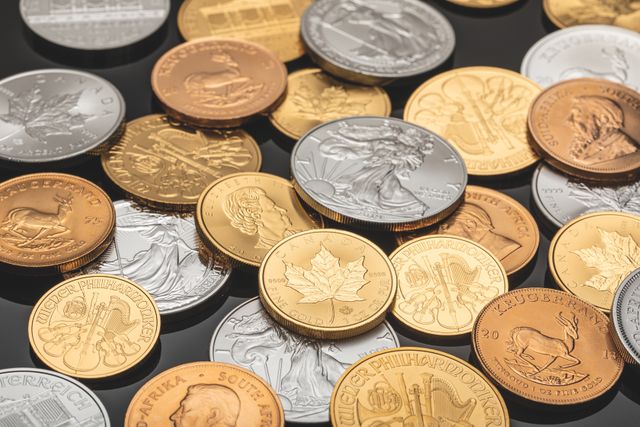

Silver has attracted considerable attention from investors after experiencing a powerful rally followed by a sharp market correction. The precious metal, which reached extraordinary highs earlier in 2026, has since lost significant momentum. Its decline has raised an important question for investors: does the fall represent an opportunity to purchase silver at comparatively lower prices, or is it an early warning that the market could experience further weakness?
This question is particularly important because silver occupies a unique position in the global financial system. Unlike gold, which is primarily valued as a monetary and investment asset, silver has extensive industrial applications. It is used in solar panels, electric vehicles, electronics, electrical equipment and several manufacturing processes. Consequently, its price is influenced by investment sentiment as well as industrial demand, economic growth, currency movements and interest-rate expectations.
For Indian investors, the situation is especially relevant because silver is widely purchased in the form of jewellery, coins, bars and investment products. Changes in international prices can influence domestic market rates, although the rupee-dollar exchange rate, import costs, taxes and local premiums also affect the final price.
A decline from recent highs does not automatically make silver an attractive investment. Investors must understand why prices are falling, whether the factors behind the correction are temporary or long-lasting, and what developments could influence the metal’s next movement. Examining these factors can help distinguish a genuine buying opportunity from a market warning.
Understanding the Recent Decline in Silver Prices
Silver’s recent decline is not an isolated movement but part of a broader correction across precious metals. On November 18, 2026, silver futures on India’s Multi Commodity Exchange were trading around ₹1.65 lakh per kilogram, while international silver prices were near $46 per ounce. These levels represent a substantial decline from the record highs reached earlier in the year.
The scale of the correction is important. Silver’s international price reached approximately $121.79 per ounce in January 2026 before falling below $47 in November. In India, MCX silver futures had previously reached approximately ₹4.20 lakh per kilogram. The November decline has therefore erased a considerable portion of the gains accumulated during the earlier rally.
Such a sharp correction can create two competing interpretations. Long-term investors may view lower prices as an opportunity to accumulate an asset with important industrial applications. Short-term traders, however, may interpret the same decline as evidence that the market has entered a prolonged bearish phase.
The distinction between these interpretations depends on the underlying reasons for the fall. If prices are declining mainly because of temporary profit-booking, the market could eventually stabilise. If industrial demand, investment flows and broader economic conditions continue weakening, further downside may remain possible.
Why Silver Prices Have Fallen From Their Recent Highs
Stronger US Dollar Is Reducing Silver’s Investment Appeal
The US dollar plays a significant role in determining international silver prices because the metal is traded globally in dollar-denominated markets. When the dollar strengthens, silver becomes more expensive for buyers using other currencies. This can reduce international purchasing interest and place pressure on commodity prices.
A stronger dollar can also influence investment allocation. Investors may prefer dollar-denominated assets when the currency offers greater relative attractiveness, reducing demand for precious metals.
During November 2026, dollar strength has been accompanied by rising US Treasury yields and expectations of a more restrictive monetary policy. These developments have created an unfavourable environment for silver and gold. Market reporting on November 18 identified the stronger dollar and higher yields as major factors behind the continuing decline.
For Indian investors, currency movements introduce an additional consideration. Even if international silver prices decline, a weaker rupee can partly offset the reduction in domestic prices. Conversely, a stronger rupee can amplify the effect of falling international rates.
Interest Rate Expectations Are Creating Pressure
Silver does not generate regular interest income. Unlike government bonds or fixed-income investments, its potential return generally depends on changes in market prices.
When investors expect interest rates to remain high or increase further, income-producing assets may become more attractive relative to precious metals. Higher bond yields can therefore reduce the opportunity appeal of holding silver.
The Federal Reserve’s monetary policy outlook has become an important factor in the current correction. Expectations of further rate increases have strengthened the argument for holding dollar-based financial assets instead of non-yielding commodities. These expectations have contributed to selling pressure across precious metals.
However, interest rates do not determine silver prices independently. Inflation expectations, industrial demand, geopolitical developments and investment flows can sometimes support precious metals even during periods of elevated interest rates.
Industrial Demand Is Facing New Challenges
Silver is not simply an investment commodity. It is an important industrial material used in solar photovoltaic cells, electronics, electrical equipment, electric vehicles and several manufacturing applications.
This industrial role has historically supported expectations of long-term demand. However, recent forecasts suggest that consumption is facing pressure.
According to research from Metals Focus reported by Reuters on November 13, global silver demand is expected to decline by approximately 5% in 2026. Industrial demand is projected to fall by around 3%, while jewellery and silverware demand are also expected to weaken.
These projections have challenged the assumption that industrial consumption would continue expanding strongly enough to support elevated silver prices.
The solar industry is particularly important because manufacturers are increasingly focused on reducing production costs. When silver becomes expensive, companies have stronger incentives to improve material efficiency and investigate alternatives.
This does not mean that silver will lose its industrial importance. It means that growth in industrial applications does not automatically translate into proportional growth in silver consumption.
Is the Silver Rally Losing Its Fundamental Support?
One of the central questions for investors is whether the earlier silver rally was supported by sustainable demand or amplified by temporary market conditions.
The strong rise during 2025 and early 2026 was influenced by investment inflows, concerns about physical market liquidity and expectations of continued industrial consumption. Silver gained approximately 147% during 2025 before reaching its January 2026 record.
However, the market environment has changed. Investment demand has cooled, industrial consumption forecasts have weakened and physical market conditions have become less restrictive.
Reuters reported that silver-backed exchange-traded products received approximately 278 million ounces of inflows during 2025. For 2026, Metals Focus expects net outflows of around 45 million ounces. These figures indicate a significant change in investment demand.
When investors withdraw money from silver-backed products, the resulting selling can increase the supply of metal available to the market. This can reduce the tightness that previously supported prices.
The change in investment behaviour suggests that the market is reassessing the assumptions behind its earlier rally. For investors considering buying silver, understanding this shift is more important than simply comparing today’s price with its historical peak.
Is the Current Price Attractive for Long-Term Investors?
A substantial price decline can make an asset appear attractive, particularly when it has previously traded at much higher levels. However, an asset does not become undervalued merely because it has fallen significantly.
Long-term investors need to examine whether the current market price reflects temporary pessimism or a genuine deterioration in future demand expectations.
Silver continues to have important industrial applications. Its electrical and thermal properties make it valuable in several technologies, including photovoltaic systems, electronic components and specialised manufacturing processes. Continued technological development could support demand over longer periods.
The expansion of renewable energy infrastructure and electrification also provides potential long-term demand drivers. However, the amount of silver required by individual applications may change as manufacturing technologies become more efficient.
Investors must therefore distinguish between the growth of an industry and the growth of silver consumption within that industry. A rapidly expanding solar market, for example, does not guarantee equivalent growth in silver demand if manufacturers reduce the amount of metal used in each panel.
Long-term attractiveness should consequently be assessed through supply-demand conditions, industrial consumption, investment demand and the broader economic outlook rather than the size of the recent correction alone.
Why Silver’s Industrial Role Could Still Support Its Long-Term Outlook
Despite the current weakness, silver retains characteristics that distinguish it from many other investment assets. Its industrial applications create demand that is connected to technological development and manufacturing activity.
Solar energy remains an important example. Silver is used in photovoltaic technology because of its excellent electrical conductivity. As countries continue developing renewable energy infrastructure, the metal may remain relevant to solar manufacturing.
Electric vehicles and advanced electronics also depend on materials with reliable electrical performance. Silver is used in various components and connections where conductivity and durability are important.
However, technological progress can create both opportunities and risks. Manufacturers may develop new methods that improve silver efficiency, while alternative materials may become commercially attractive in selected applications.
This means that silver’s industrial outlook should not be evaluated only through the projected expansion of renewable energy or electronics. Investors also need to monitor material substitution, manufacturing efficiency and changes in the cost structure of industrial production.
If industrial consumption stabilises and investment demand gradually returns, silver could regain support. Until then, its long-term technological relevance may coexist with considerable short-term price volatility.
Silver Versus Gold: Which Metal Faces Greater Risk?
Silver and gold are often grouped together as precious metals, but their market structures are different.
Gold is widely held as a reserve asset and a form of wealth preservation. Central banks, institutional investors and individuals purchase it for reasons that include portfolio diversification and protection against certain economic uncertainties.
Silver also attracts investment demand, but its industrial role makes it more sensitive to changes in manufacturing activity. When industrial expectations weaken, silver may experience additional pressure beyond the factors affecting gold.
This difference helps explain why silver can experience larger percentage movements during both rallies and corrections. Its relatively smaller market and exposure to speculative trading can further amplify price fluctuations.
The November 2026 correction illustrates this vulnerability. Silver has fallen significantly from its January peak, while the broader precious metals market has also weakened under pressure from interest-rate expectations and currency movements.
For investors choosing between the two metals, the decision should reflect their investment objectives and risk tolerance. Gold may be more suitable for investors primarily seeking exposure to a monetary precious metal, while silver provides exposure to both precious-metal investment demand and industrial activity. Neither asset is guaranteed to preserve capital during a market correction.
How Indian Investors Should Evaluate the Buying Opportunity
India has a strong cultural and investment connection with silver. Households purchase the metal through jewellery, utensils, coins and bars, while market participants also use exchange-traded and commodity-market instruments.
The recent correction has attracted attention because domestic prices have fallen substantially from their January highs. However, Indian silver prices are influenced by more than international market movements.
The rupee-dollar exchange rate is particularly important because India relies heavily on imported silver. Import-related costs, applicable duties, GST and local premiums also influence domestic prices.
For example, a decline in international silver prices may not translate into an identical percentage decline in the Indian market if the rupee weakens against the dollar. Similarly, changes in import costs or local demand can influence the difference between international reference prices and domestic retail rates.
Investors should also distinguish between purchasing physical silver and trading silver futures. Physical purchases involve storage, purity verification, making charges where applicable and resale considerations. Futures trading introduces leverage, margin requirements and the possibility of rapid losses.
Exchange-traded products provide another route, but investors should examine expense ratios, tracking differences, liquidity and the structure of the specific product before investing.
The most appropriate approach depends on the intended holding period, financial circumstances and ability to tolerate volatility.
Should Investors Buy Silver Immediately or Wait for Stability?
The decision to buy silver during a sharp correction depends on an individual’s investment strategy. There is no universal answer because different investors face different financial circumstances and market expectations.
Investors with a long-term horizon may consider gradual accumulation rather than attempting to identify the exact bottom. A phased approach spreads purchases across different price levels and reduces dependence on a single entry point. However, it does not eliminate the risk of further losses if the market continues declining.
Short-term investors may prefer to wait for evidence that selling pressure is weakening. Price stabilisation, improved trading momentum and a recovery in investment demand could provide stronger indications that the correction is losing intensity.
Another important consideration is the distinction between a temporary price rebound and a sustained recovery. A short-term increase after a steep decline does not necessarily indicate that the market has entered a new upward trend.
Investors should also avoid purchasing silver solely because its current price is far below its historical high. Historical prices do not guarantee future recovery, and market valuations can change when underlying demand and supply conditions evolve.
A disciplined investment decision should consider portfolio diversification, liquidity requirements and the potential impact of additional price declines.
Important Indicators to Watch Before Making an Investment Decision
The future direction of silver will depend on developments across several interconnected markets. US monetary policy is one of the most important factors because interest-rate expectations influence bond yields, currency movements and demand for non-yielding assets.
The US dollar index and Treasury yields will therefore remain important indicators. A sustained reduction in yields or weakening dollar could improve the investment environment for precious metals, although other factors would still influence silver’s performance.
Industrial demand is another important indicator. Investors should monitor solar manufacturing activity, electronics production and the use of silver in electric vehicles and other technologies. Evidence of stabilising consumption could improve market sentiment.
Exchange-traded product flows can provide additional information about financial demand. A return to sustained inflows could indicate that investors are becoming more interested in silver again. Continued outflows, on the other hand, may suggest that investment sentiment remains weak.
Physical market conditions also matter. Mine production, recycling, inventories and regional availability can influence the balance between supply and consumption.
Finally, domestic investors should monitor the rupee-dollar exchange rate and changes in Indian import-related costs. These factors can influence the domestic silver price even when international prices remain relatively stable.
Risks of Treating a Price Crash as an Investment Opportunity
One of the most common investment mistakes is assuming that a sharp price decline automatically creates a bargain. This approach can be dangerous when the market is experiencing a fundamental change rather than a temporary correction.
Silver may continue falling if the dollar remains strong, bond yields increase further or industrial demand weakens more than expected. Investment outflows could also continue, creating additional selling pressure.
Another risk comes from excessive concentration. Investors who allocate a large portion of their savings to one volatile commodity may experience substantial financial stress if prices decline further.
Leverage increases this risk. Futures and other leveraged products can magnify both gains and losses. A relatively small adverse price movement may trigger margin calls or forced position closures.
Physical silver has different risks. Storage, insurance, purity verification and resale spreads can reduce the actual return received by an investor. Jewellery purchases may also involve making charges that are not recovered when the item is sold.
These considerations demonstrate why a buying opportunity must be evaluated through risk-adjusted expectations rather than the apparent discount from a previous market high.
What Could Trigger a Recovery in Silver Prices?
A sustained recovery would probably require improvements in several market conditions rather than one isolated development.
A more supportive monetary environment could provide an initial positive influence. If expectations of further interest-rate increases weaken, bond yields may ease and precious metals could become more attractive to investors.
A weaker US dollar could also improve international purchasing conditions. This may support investment demand, particularly if global economic uncertainty encourages investors to diversify their portfolios.
On the industrial side, stronger demand from solar, electronics and electrical manufacturing could improve the physical market outlook. Greater clarity about future consumption and supply availability may help restore investor confidence.
Renewed inflows into silver-backed investment products could provide another positive signal. However, any recovery would need to be supported by actual demand rather than speculative buying alone.
For Indian investors, a stable or weaker rupee could influence domestic prices differently depending on international silver movements. Consequently, a global recovery may not produce an identical domestic return.
The timing and strength of a recovery remain uncertain. Investors should therefore avoid relying on fixed price predictions as the basis for financial decisions.
Conclusion: Buying Opportunity or Warning for Investors?
Silver’s decline from its recent highs presents both opportunities and risks. Lower prices may attract long-term investors who believe that the metal’s industrial applications and future investment demand will remain strong. However, the correction also reflects genuine concerns about higher interest rates, a stronger US dollar, weaker industrial consumption and changing investment flows.
The current market situation should therefore not be interpreted as an automatic buying signal. Investors need to determine whether the decline is primarily a temporary correction or evidence of a longer-lasting change in the silver market.
Silver continues to have an important role in renewable energy, electronics and modern manufacturing. These applications may support future demand, but technological substitution and manufacturing efficiency could influence how much silver is required.
For Indian investors, currency movements, import costs and the difference between physical and financial silver products add further considerations. A gradual investment strategy, careful risk assessment and attention to market fundamentals may be more appropriate than attempting to predict the exact market bottom.
Ultimately, silver’s fall below recent highs is both a potential opportunity and a warning. The opportunity lies in the possibility that current prices may offer attractive long-term exposure. The warning lies in the fact that prices can decline further when economic conditions and market fundamentals remain unfavourable. Understanding both sides is essential before making an investment decision.
Online Internship with Certificate
You may be interested

Cyclone Akvan Strengthens Over the Bay of Bengal: Why Is Andhra Pradesh on High Alert
Anshika Jain - Nov 18, 2026Cyclone Akvan has intensified over the Bay of Bengal, putting coastal Andhra Pradesh and neighbouring regions on heightened alert. The developing weather system has raised concerns about…
Why Does a Strong US Dollar Sometimes Put Pressure on Indian Bullion Prices
Anshika Jain - Nov 18, 2026The US dollar plays an important role in determining the direction of international commodity markets, including gold and silver. Although India has a strong domestic market for…
Can India’s Solar Industry Influence Long-Term Silver Demand
Anshika Jain - Nov 18, 2026India's rapidly expanding solar industry is creating an important connection between renewable energy development and the global silver market. Silver is widely recognised as a precious metal…
Most from this category
How US Federal Reserve Rate Expectations Are Influencing India’s Silver Market
Anshika Jain - Nov 18, 2026
Silver Prices Crash in November 2026: Why Is the Precious Metal Losing Its Momentum
Anshika Jain - Nov 18, 2026
Climate Finance in November 2026: Who Will Pay for the Transition to a Low-Carbon Economy
Anshika Jain - Nov 17, 2026
How US Federal Reserve Rate Expectations Are Influencing India’s Silver Market
Anshika Jain - Nov 18, 2026Silver Prices Crash in November 2026: Why Is the Precious Metal Losing Its Momentum
Anshika Jain - Nov 18, 2026Could Changes in US AI Policy Affect India’s Technology Sector
Anshika Jain - Nov 17, 2026