Why Do Heavy Rains Disrupt Transport Beyond the Monsoon Season?

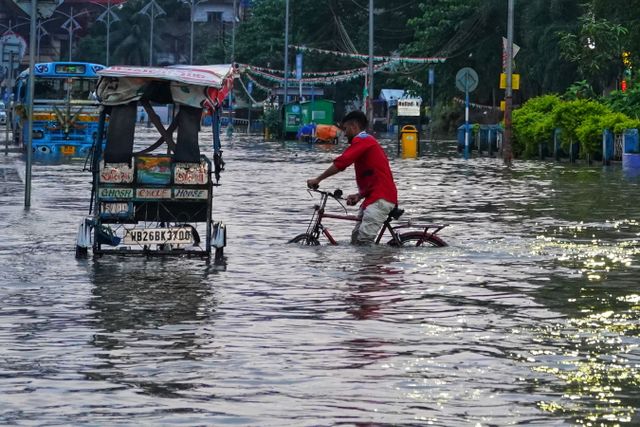

Heavy rainfall is often associated with India’s monsoon season, when roads become waterlogged, railway services face delays and flights are diverted or cancelled. However, transport disruption is no longer a concern limited to June through September. Intense rainfall can also occur during pre-monsoon thunderstorms, post-monsoon weather systems and other unusual seasonal conditions. Even a relatively short spell of rain can interrupt daily travel when it overwhelms drainage systems, damages roads or affects the reliability of transport infrastructure.
The problem is not simply the amount of rain that falls. Its intensity, duration, geographical concentration and timing all influence the damage it can cause. One city may experience flooding after a few hours of intense rainfall, while another may remain vulnerable for days because rivers are already swollen, the ground is saturated or drainage outlets cannot discharge water efficiently. Transport networks also depend on interconnected systems, including electricity, telecommunications, signalling, road access and emergency services. A failure in one component can disrupt journeys well beyond the location where the rain originally fell.
Climate change, urbanisation, ageing infrastructure and inadequate maintenance can further increase these vulnerabilities. The Intergovernmental Panel on Climate Change (IPCC) identifies heavy precipitation, flooding and associated infrastructure disruption as significant risks across Asia. Understanding why transport systems remain vulnerable beyond the conventional monsoon period is essential for developing safer roads, more resilient railway networks, reliable aviation operations and better year-round disaster preparedness.
Why Heavy Rainfall Does Not Follow a Perfectly Fixed Calendar
India’s climate has distinct seasonal patterns, but these patterns do not mean that intense rainfall is impossible outside the main monsoon months. Weather systems can develop or persist under different atmospheric conditions, bringing substantial rainfall to particular regions even when the wider country is relatively dry.
During the pre-monsoon season, thunderstorms can produce intense rainfall over short periods. These events may affect cities, highways and airports before drainage systems have been fully prepared for a sudden downpour. In some locations, heavy rainfall is associated with thunderstorms, local atmospheric instability or moisture transported from nearby seas. The impact can be particularly severe when intense rain falls over a densely built-up area within a short period.
Post-monsoon rainfall presents a different set of challenges. In October and November, parts of southern and eastern India may experience substantial rainfall associated with the northeast monsoon, tropical disturbances or cyclonic systems. Tamil Nadu, coastal Andhra Pradesh and other parts of the eastern coast can receive significant rainfall during this period. Meanwhile, western disturbances and their interactions with other weather systems can contribute to precipitation in northern India, particularly over mountainous areas.
Research published in npj Climate and Atmospheric Science has documented changes in the frequency of extreme rainfall events across different seasons in India. Its findings indicate that rainfall extremes should not be assessed exclusively through monsoon-season averages.
This does not mean that every region is experiencing the same pattern or that every heavy rainfall event is caused by climate change. Rainfall trends differ by location, season and the type of weather system involved. The important point for transport planning is that infrastructure must be prepared for locally relevant rainfall hazards throughout the year, rather than assuming that significant risks disappear when the principal monsoon season ends.
Urbanisation and Drainage Systems That Cannot Handle Sudden Downpours
One of the most important reasons heavy rain disrupts transport outside the monsoon season is the way urban areas have changed. Roads, pavements, parking areas, buildings and other paved surfaces reduce the amount of rainwater that can naturally soak into the ground. Instead, a larger share of the water flows rapidly across streets and into stormwater drains.
When rainfall intensity exceeds the capacity of those drains, water accumulates on roads and at underpasses, junctions and low-lying intersections. Even if the rainfall lasts only a short time, traffic can slow dramatically because vehicles cannot safely pass through flooded sections. Two-wheelers and smaller vehicles are particularly vulnerable to hidden potholes, uncovered drains and strong water currents.
The problem becomes more complicated when stormwater drains are blocked by waste, sediment or construction debris. Inadequate maintenance reduces the amount of water the drainage network can carry. Poorly designed road gradients, construction that alters natural drainage routes and encroachment on water channels can further restrict the movement of runoff.
A systematic review of urban pluvial flooding in India identifies intense rainfall, urban development, reduced ground permeability and inadequate or congested drainage as important contributing factors.
These weaknesses do not automatically disappear outside the monsoon season. A city may have enough drainage capacity for ordinary rainfall but remain unprepared for a concentrated cloudburst or an unusually intense thunderstorm in another month. Effective urban planning therefore requires drainage systems designed around local rainfall intensity and flood risk, alongside regular inspections and maintenance.
How Climate Change Can Increase Transport Vulnerability
Climate change can influence the intensity and distribution of heavy precipitation, although its effects vary across regions and seasons. Warmer air can hold more water vapour, and changes in atmospheric circulation can alter where moisture accumulates and how rainfall develops. These processes can contribute to more intense precipitation events under appropriate weather conditions.
The IPCC’s assessment of the physical science of climate change explains that heavy precipitation is projected to become more intense and frequent across many parts of Asia as global warming increases. However, local outcomes depend on geography, circulation patterns, seasonal conditions and the level of warming. It would therefore be inaccurate to attribute every unusual rainfall event or transport disruption directly to climate change without examining the specific evidence.
For transport systems, the practical concern is that infrastructure designed around historical weather patterns may not perform reliably under changing rainfall conditions. A drainage network built using outdated rainfall assumptions may be overwhelmed by a storm that exceeds its original design capacity. Roads may experience repeated erosion, while railway embankments can become vulnerable to water accumulation and slope instability.
The World Bank’s 2025 report on resilient and prosperous cities in India highlights how rapid urban expansion can reduce cities’ ability to absorb stormwater and increase their exposure to flooding. The combination of changing rainfall hazards and expanding built-up areas makes climate-resilient infrastructure planning increasingly important.
Climate adaptation does not mean rebuilding every road or railway immediately. It means identifying the most vulnerable locations, updating engineering standards where necessary, improving drainage and slope protection, and ensuring that new infrastructure accounts for future weather risks rather than relying entirely on historical averages.
Why Roads Remain Vulnerable Even After the Rain Stops
Road disruption can continue long after rainfall has ended because the immediate accumulation of water is only one part of the problem. Heavy rain can weaken road foundations, wash away material beneath the surface, damage shoulders and expose existing construction defects. When water enters cracks in the road surface, repeated vehicle loading can worsen the damage.
Potholes and pavement failures may become more visible after water recedes. Drivers can also encounter debris, fallen branches, damaged traffic signals and malfunctioning streetlights. In some places, water remains trapped in depressions because drainage outlets are poorly positioned or blocked. These conditions can reduce road capacity for hours or days after the rainfall itself.
Highways face additional risks where they cross rivers, streams, floodplains and hilly terrain. Floodwater may undermine bridges or approach roads, while landslides can block mountain routes. Even a short closure of a major highway can affect freight movement, emergency services and access to nearby communities.
The consequences are not limited to direct damage. When a main road becomes impassable, vehicles divert onto smaller roads that may not be designed to carry heavy traffic. This increases congestion, raises the risk of collisions and delays buses, ambulances and delivery vehicles. A localised flood can therefore create a much wider transport problem.
Preventing such disruption requires regular pavement inspections, effective stormwater drainage, slope stabilisation and rapid post-rainfall assessments. Authorities should prioritise repairs according to the severity of the damage and the importance of the route. Restoring traffic quickly is important, but reopening a road without checking whether its structure remains safe can create additional risks.
Railway Disruption: Tracks, Embankments and Signalling Systems
Railways are vulnerable to heavy rainfall because their operation depends on the condition of tracks, bridges, embankments, drainage channels and signalling equipment. Water accumulating around a track can weaken the supporting formation, while erosion may remove material from beneath railway infrastructure. In hilly areas, intense rain can trigger landslides or wash debris onto the tracks.
Railway safety procedures may require speed restrictions or temporary suspensions when track conditions are uncertain. These precautions can lead to delays and cancellations, but they are necessary when the integrity of the track or surrounding ground cannot be confirmed. A train service may remain disrupted after the rain has stopped because inspection teams need to assess damage and verify that the route is safe.
Heavy rain can also affect electrical and signalling equipment. Water intrusion, power interruptions and damage to communication systems may prevent trains from operating according to their normal schedules. Because railway networks depend on coordinated timetables and shared infrastructure, a disruption on one section can affect services elsewhere.
The risks can persist beyond the main monsoon season if a region experiences intense post-monsoon rainfall or if earlier rain has left the ground saturated. Soil saturation is particularly important because slopes and embankments may become unstable after prolonged or repeated rainfall. A later storm can trigger failure even when it is not the largest rainfall event of the season.
Railway resilience therefore requires drainage maintenance, embankment monitoring, inspection of vulnerable bridges and slopes, and reliable weather alerts. Authorities can use rainfall observations, water-level sensors and other monitoring technologies to identify locations requiring closer inspection. Such systems should support engineering judgement and established safety procedures rather than automatically determine whether a route is safe.
How Heavy Rain Affects Airports and Air Travel
Air transport is affected by rainfall through several interconnected mechanisms. Heavy rain can reduce visibility, complicate aircraft approach and landing procedures, create standing water on runways and disrupt access to airport terminals. Thunderstorms may also bring lightning, strong winds and wind shear, creating conditions in which aircraft operations require additional precautions.
Even when an airport’s runways remain operational, flights can be delayed because incoming aircraft cannot land at their scheduled times. Aircraft may need to hold, divert to another airport or wait for improved conditions. These delays can then affect subsequent departures because the same aircraft and crew are scheduled to operate multiple flights.
Airport operations also depend on ground transport, electricity, baggage systems, communications and staff availability. Flooded access roads can delay passengers and airport employees. Water entering operational buildings or disrupting ground equipment can further affect airport capacity.
The impact may extend well beyond the location experiencing rainfall. A flight departing from a city with clear weather can still be delayed if the aircraft scheduled to operate it is arriving from an airport affected by a storm. This is why weather-related aviation disruption can spread across a network even when only a limited number of airports experience severe conditions.
Improved forecasting, runway drainage, operational contingency plans and clear passenger communication can reduce avoidable disruption. Airlines and airports must also distinguish between delays caused by immediate weather conditions and those caused by the wider effects of earlier disruptions. Better coordination can help passengers receive timely updates and make alternative arrangements when necessary.
The Hidden Cost of Transport Disruption
When heavy rain interrupts transport, the financial and social consequences can exceed the visible damage to infrastructure. Workers may lose wages or arrive late for shifts, students may miss examinations, patients may struggle to reach hospitals, and businesses may experience delays in receiving supplies. Small businesses and informal workers can be especially vulnerable because they may have limited capacity to absorb lost income.
Freight delays can affect food distribution, manufacturing, retail operations and other supply chains. Perishable goods may deteriorate when vehicles are stranded, while delivery delays can increase operating costs. Transport disruption can also affect emergency response when ambulances, fire services and rescue teams cannot reach their destinations efficiently.
For passengers, uncertainty can be as damaging as the delay itself. People may not know whether a road will reopen, whether a train will resume service or whether an airport disruption will affect connecting travel. Without reliable information, they may spend additional money on accommodation, alternative transport or rescheduled bookings.
These costs are difficult to capture through infrastructure-damage estimates alone. Transport authorities should therefore assess both direct physical damage and the wider economic consequences of service interruptions. Understanding these effects can help governments prioritise investments in the routes and facilities where failures create the greatest disruption.
Building Transport Systems That Can Withstand Heavy Rain Year-Round
A more resilient transport system begins with understanding local hazards. Authorities need to identify locations vulnerable to urban flooding, river overflow, landslides, embankment failure and drainage congestion. Historical records are useful, but they should be combined with current rainfall observations, updated climate information, engineering assessments and land-use changes.
Drainage systems should be inspected and maintained before periods of elevated rainfall risk, but maintenance must continue throughout the year. Drains can become blocked between monsoon seasons, and construction work can alter water-flow patterns unexpectedly. Regular inspections of culverts, bridges, road surfaces and railway embankments can help detect weaknesses before severe weather exposes them.
Weather forecasting must also be connected to operational decisions. The India Meteorological Department provides forecasts and warnings that authorities can use to prepare for heavy rainfall and associated hazards. Its weather and warning services offer information that can support planning by transport operators, emergency services and local administrations.
Forecasts are most useful when agencies translate them into clear actions. A warning may prompt closer inspection of vulnerable road sections, deployment of repair teams, adjustments to railway operations or communication with passengers about potential disruption. Coordination among meteorological services, municipal authorities, transport operators and emergency responders can reduce delays in decision-making.
Infrastructure design should increasingly account for resilience rather than focusing exclusively on construction cost. This includes appropriate drainage capacity, flood-resistant electrical equipment, stronger embankments, protected signalling systems and carefully planned routes around known hazards. Nature-based measures, such as restoring wetlands and protecting natural drainage channels, can also help reduce runoff in suitable locations.
Finally, authorities should evaluate every major disruption to understand what failed and why. If a road repeatedly floods at the same junction, temporary pumping may not be enough; the underlying drainage or land-use problem needs attention. If a railway line repeatedly requires emergency inspections after rain, its drainage, embankment stability and monitoring arrangements may need reassessment. Learning from these events can turn repeated disruption into an opportunity for long-term improvement.
Conclusion: Transport Resilience Must Extend Beyond the Monsoon
Heavy rainfall disrupts transport beyond the monsoon season because India’s rainfall patterns are varied, localised extreme events can occur in different months, and transport infrastructure remains exposed to physical and operational weaknesses throughout the year. Urbanisation can increase surface runoff, inadequate drainage can prolong waterlogging, and changing rainfall hazards can place additional pressure on roads, railways and airports.
The effects are interconnected. A flooded road can delay emergency services and freight deliveries, a damaged railway embankment can interrupt an entire route, and a thunderstorm can disrupt flights far beyond the airport where it occurs. The consequences often continue after the rain stops because infrastructure needs inspection, repairs and safety verification before normal operations can resume.
The solution is not simply to prepare for a few months of rain. It is to build transport systems that account for changing weather conditions throughout the year. Better drainage, reliable forecasts, preventive maintenance, climate-informed engineering and coordinated emergency planning can all reduce the likelihood and severity of disruption.
Ultimately, resilient transport is about more than keeping vehicles moving. It is about ensuring that people can reach work, education, healthcare and essential services even when weather conditions become difficult. By treating heavy rainfall as a year-round infrastructure challenge rather than a seasonal inconvenience, India can build transport networks that are safer, more reliable and better prepared for an uncertain climate.
Online Internship with Certificate
You may be interested
Women’s Safety After Dark: Why Street Design, Police Response Must Work Together
Anshika Jain - Oct 23, 2026A city’s safety cannot be measured only by its crime statistics, the number of police stations it operates or the cameras installed across its streets. For women,…

Paper Leaks and Accountability: Competitive Examinations More Trustworthy?
Anshika Jain - Oct 23, 2026Competitive examinations are among the most consequential gateways to education and employment in India. Examinations such as NEET, JEE, CUET, UGC-NET, UPSC and various government recruitment tests…

AI in Examinations: Institutions Detect Cheating Without Accusing Students?
Anshika Jain - Oct 23, 2026Artificial intelligence is changing how universities conduct examinations, evaluate student performance, and protect academic integrity. Online proctoring systems can monitor examination sessions, detect unusual activity, compare submitted…
Most from this category


Missing Children and Delayed Investigations: Inter-State Police Coordination Improve?
Anshika Jain - Oct 23, 2026
When a Case Is Solved Years Later: How Forensic Advances Can Reopen Cold Investigations
Anshika Jain - Oct 22, 2026

Medical Intern Stipend Protests: India’s Healthcare Training System
Anshika Jain - Oct 23, 2026Missing Children and Delayed Investigations: Inter-State Police Coordination Improve?
Anshika Jain - Oct 23, 2026When a Case Is Solved Years Later: How Forensic Advances Can Reopen Cold Investigations
Anshika Jain - Oct 22, 2026