In the digital age, communication has evolved far beyond traditional newspapers, television debates, and political speeches. Social media platforms have transformed the way people consume information, share opinions, and engage in political discussions. Among the many forms of digital expression that have emerged, memes have become one of the most powerful and influential tools of communication. What initially began as humorous internet content has evolved into a significant medium for political commentary, public criticism, and social awareness.
Memes are now deeply embedded in modern political culture. They combine humor, satire, images, text, and popular culture references to communicate ideas quickly and effectively. Their simplicity and relatability allow complex political issues to be understood and shared among large audiences within seconds. In many cases, memes have become more influential than lengthy political analyses because they appeal directly to emotions, humor, and public sentiment.
The rise of memes as political commentary reflects broader changes in media consumption and public engagement. In a fast-paced digital environment where attention spans are shrinking, memes provide a concise and accessible way to discuss serious political matters. At the same time, their growing influence raises important questions about misinformation, political polarization, ethics, and the future of democratic discourse.
Understanding Memes in the Digital Era
The term “meme” was originally introduced by Richard Dawkins in his book The Selfish Gene to describe ideas and cultural symbols that spread through imitation. In the internet era, memes have taken on a new meaning, referring primarily to humorous images, videos, or phrases that spread rapidly online.
Internet memes are designed for quick communication. A single image combined with a short caption can convey sarcasm, criticism, irony, or social commentary in ways that are instantly understandable. This efficiency makes memes particularly effective in political discussions where public attention is limited and emotional reactions are strong.
Memes often rely on cultural familiarity and shared experiences. Political memes use recognizable public figures, events, speeches, or controversies to create commentary that resonates with audiences. Their ability to simplify complex political narratives contributes to their widespread popularity.
The Evolution of Political Commentary
Political commentary has always existed in different forms, from newspaper cartoons and satirical literature to television comedy shows. Satire has historically been used to criticize authority, expose hypocrisy, and encourage public debate.
Modern memes can be viewed as the digital evolution of political cartoons. Like traditional satire, memes use humor and exaggeration to comment on social and political issues. However, memes differ in speed, accessibility, and participation. Unlike newspaper cartoons created by professional artists, memes can be produced and shared instantly by ordinary individuals using smartphones and social media platforms.
This democratization of political commentary has significantly altered public discourse. Political opinions are no longer shaped exclusively by journalists, analysts, or institutions. Citizens themselves actively participate in creating and spreading political narratives through memes.
Why Memes Are So Effective in Politics
One of the main reasons memes have become powerful political tools is their ability to communicate messages quickly. In an era dominated by short attention spans and constant information overload, concise content has greater impact.
Memes also rely heavily on humor, which makes political criticism more engaging and shareable. People are more likely to interact with entertaining content than lengthy political discussions. Humor lowers barriers to participation and encourages audiences to engage with political topics they might otherwise ignore.
Another important factor is emotional connection. Memes often reflect frustration, anger, hope, or collective experiences, allowing people to feel part of a larger community. This emotional resonance helps memes spread rapidly across digital networks.
Social media algorithms further amplify their influence. Platforms such as Instagram, X (foremerly Twitter), and Facebook prioritize content that generates engagement, and memes often perform exceptionally well because they are easy to consume and share.
Memes and Political Awareness
Despite being humorous, memes can contribute significantly to political awareness. They simplify complex issues and introduce political discussions to younger audiences who may not regularly follow traditional news sources.
For many people, memes serve as an entry point into political engagement. A meme about inflation, corruption, elections, or international conflicts may encourage users to seek additional information about the issue. In this way, memes can increase public participation in political discourse.
Political movements and activists also use memes strategically to spread awareness and mobilize support. During elections, protests, and social campaigns, memes become tools for persuasion, identity-building, and public mobilization.
The accessibility of memes allows individuals from different educational and social backgrounds to engage in political discussions. This broad participation reflects the increasingly decentralized nature of political communication.
Role of Memes During Elections
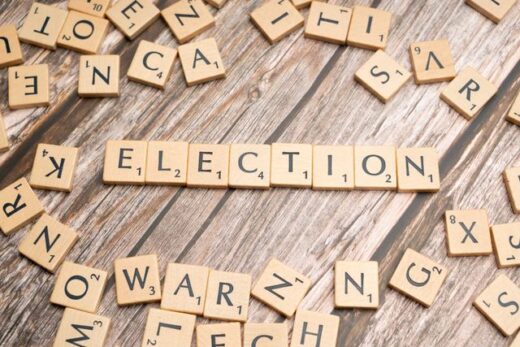
Elections have become major arenas for meme culture. Political parties, supporters, and independent users frequently create memes to promote candidates, criticize opponents, and influence voter perceptions.
Memes are especially influential among younger voters who spend significant time on social media. Political campaigns now recognize the importance of digital humor and online trends in shaping public the opinion.
Some political leaders themselves have embraced meme culture to appear relatable and modern. By engaging with internet humor, politicians attempt to connect with digitally active audiences and humanize their public image.
However, election-related memes can also contribute to misinformation and polarization. Simplified narratives and emotionally charged content may distort facts or reinforce biased perspectives.
Satire, Criticism, and Freedom of Expression
Memes have become a modern form of political satire, allowing citizens to challenge authority and criticize leaders in creative ways. In democratic societies, satire plays an important role in holding power accountable.
Political memes often expose contradictions, broken promises, and controversial decisions through humor and irony. Because memes are informal and decentralized, they can bypass traditional media structures and reach audiences directly.
This makes memes particularly powerful in environments where mainstream media faces restrictions or public distrust. Citizens can use memes to express dissent, question official narratives, and participate in political conversations without relying on institutional platforms.
At the same time, the line between satire and misinformation can become blurred. While satire is intended to provoke thought and criticism, misleading memes may spread false claims disguised as humor.
Memes and Political Polarization
Although memes can encourage engagement, they also contribute to political polarization. Social media platforms often create echo chambers where users are exposed primarily to content that aligns with their existing beliefs.
Political memes frequently reinforce ideological divisions by mocking opposing viewpoints rather than encouraging balanced discussion. Humor can sometimes dehumanize political opponents and reduce complex debates to simplistic stereotypes.
The viral nature of memes intensifies this effect. Emotionally charged or controversial content spreads rapidly, often prioritizing entertainment over factual accuracy. As a result, memes can strengthen partisan identities and deepen social divisions.
This raises concerns about the quality of democratic discourse in the digital era. While memes increase participation, they may also reduce nuanced political discussion.
The Problem of Misinformation
One of the greatest challenges associated with political memes is misinformation. Because memes are short and visually appealing, they can spread inaccurate or manipulated information very quickly.
False claims presented humorously are often shared without verification. Many users consume memes casually and may not fact-check the content before spreading it further. This creates opportunities for propaganda, manipulation, and disinformation campaigns.
Political groups and malicious actors sometimes deliberately use memes to influence public opinion, spread conspiracy theories, or attack opponents. During major elections and global events, misinformation through memes has become a growing concern for governments and technology companies.
The challenge lies in balancing freedom of expression with the need to prevent harmful misinformation.
Youth Culture and Political Participation
Memes are particularly influential among younger generations who consume information primarily through digital platforms. Traditional political communication methods often fail to engage young audiences, whereas memes feel relatable, accessible, and culturally relevant Commentary .
This has transformed political participation. Young people increasingly express opinions, debate issues, and organize activism through meme culture and online communities.
The use of humor and creativity makes politics appear less intimidating and more approachable. In some cases, memes have contributed to increased political awareness and civic engagement among youth populations.
However, there is also concern that excessive reliance on meme-based communication may oversimplify serious issues and encourage superficial engagement rather than deep understanding.
Memes in Global Politics
Political memes are not limited to any single country or culture. They have become a global phenomenon influencing public discourse worldwide.
International political events such as elections, wars, diplomatic conflicts, and economic crises often generate viral meme trends. Memes can shape global perceptions of leaders, countries, and ideologies.
In authoritarian contexts, memes may serve as subtle forms of resistance where direct criticism is risky. Humor allows citizens to express dissatisfaction while avoiding overt confrontation.
This global dimension demonstrates how digital culture is reshaping political communication across borders.
Ethical Concerns and Digital Responsibility
The increasing influence of political memes raises important ethical questions. Humor can easily cross into harassment, hate speech, or misinformation. Public figures, communities, and individuals may become targets of online ridicule or manipulation.
Digital responsibility is therefore essential. Content creators and users must recognize the potential impact of memes on public opinion and social harmony.
Social media companies also face pressure to regulate harmful content without undermining free expression. Striking this balance remains one of the major challenges of the digital era.
The Future of Political Communication
Memes are likely to remain an important part of political communication in the future. As digital culture continues evolving, visual and interactive forms of content will play an increasingly central role in shaping public opinion.
Artificial intelligence, deepfake technology, and algorithm-driven media environments may further transform meme culture, creating both opportunities and risks.
Political leaders, activists, journalists, and citizens will need to adapt to this changing communication landscape while ensuring that democratic values and factual integrity are preserved.
Conclusion: Humor, Influence, and the Digital Public Sphere
Memes have evolved from simple internet jokes into powerful tools of modern political commentary. They reflect the changing nature of communication in a digital world where speed, emotion, and accessibility often determine influence.
Their ability to simplify complex issues, engage younger audiences, and challenge authority has made them a significant force in political culture. At the same time, their role in spreading misinformation and deepening polarization highlights the risks associated with digital communication.
The growing influence of memes demonstrates that politics is no longer confined to traditional institutions and media platforms. Public discourse now unfolds through smartphones, social media feeds, and viral images shared across the internet.
Ultimately, memes represent both the strengths and weaknesses of modern democracy. They empower ordinary individuals to participate in political conversations, but they also demand greater responsibility, critical thinking, and media literacy in an increasingly interconnected digital society.