Rupee Touches a Seven-Month High: Why Is the Indian Currency Gaining Strength

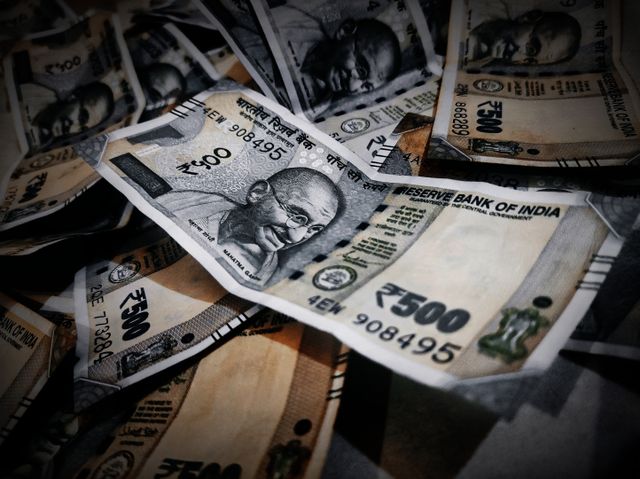

The Indian rupee has made a notable recovery against the US dollar in November 2026, reaching its strongest level in more than seven months. On November 20, the currency strengthened past the ₹93-per-dollar mark for the first time since April 20, touching an intraday high of approximately ₹92.91. This movement represents a significant improvement after a prolonged period of weakness during which the rupee had approached its record low against the US dollar. The latest appreciation has attracted attention from investors, businesses, policymakers and ordinary consumers because currency movements influence everything from international trade and fuel prices to overseas education and travel expenses.
The recovery is being supported by several developments, including strong foreign investment in Indian financial markets, relatively softer crude oil prices, improved demand for Indian assets and changes in currency market positioning. The Reserve Bank of India (RBI) has also played an important role in managing pressure on the currency through its foreign exchange market measures. Interestingly, the rupee has strengthened even while the US dollar has remained relatively firm against several other currencies, making its recent performance particularly noteworthy.
However, a stronger rupee does not automatically indicate that every part of the Indian economy is improving. Currency appreciation creates advantages for importers and consumers but can also present challenges for exporters and businesses earning revenue in foreign currencies. Understanding the reasons behind the rupee’s recovery requires examining the relationship between international investment, oil prices, central bank policies and global economic conditions.
What Does It Mean When the Rupee Touches a Seven-Month High?
The exchange rate between the Indian rupee and the US dollar indicates how many rupees are required to purchase one dollar. When the exchange rate moves from ₹96 per dollar to ₹93 per dollar, the rupee has strengthened because fewer rupees are needed to purchase the same amount of US currency.
A seven-month high means the rupee has reached a stronger level than it has recorded during the preceding seven months. In the current situation, the currency’s movement above the ₹93-per-dollar threshold represents a significant recovery from the weaker levels recorded earlier in 2026.
On November 20, the rupee touched approximately ₹92.91 during intraday trading, while other market updates reported levels around ₹92.87 to ₹92.99 at different points in the session. These figures reflect movements during trading rather than one fixed exchange rate for the entire day. The currency’s appreciation also extended a recovery that had gathered momentum during November, with the rupee gaining more than ₹1 against the dollar over the week leading up to November 20.
This development is important because exchange rates influence the cost of international transactions. A stronger rupee can reduce the domestic cost of imported goods and services, while a weaker rupee generally makes foreign purchases more expensive. For a country such as India, which imports substantial quantities of crude oil, machinery, electronics and other commodities, currency movements have considerable economic implications.
Foreign Investment Inflows Are Supporting the Rupee
One of the most important reasons behind the rupee’s recent appreciation is the return of foreign investment to Indian financial markets. Foreign portfolio investors, commonly known as FPIs, purchase financial assets such as shares and government securities in countries where they expect attractive investment opportunities.
When overseas investors invest in Indian equities, they generally need to convert foreign currency into rupees to purchase domestic assets. This creates demand for the Indian currency in the foreign exchange market. When such inflows become substantial, they can support the rupee, particularly when dollar demand from importers and other market participants is relatively moderate.
November 2026 has witnessed a significant improvement in foreign investor participation. Reports indicate that foreign investors have directed more than $12 billion into Indian equities during the month, while overseas purchases of domestic debt securities have also provided additional support. These inflows have helped strengthen demand for the rupee and improved sentiment towards Indian financial assets.
The recovery in Indian stock markets has further supported this trend. When equity prices rise and investors become more confident about a market’s prospects, international funds may increase their exposure to that country. This creates a connection between stock market performance and currency movements.
However, foreign portfolio investment can be volatile. Investors may withdraw funds if global financial conditions change, domestic market valuations become unattractive or geopolitical uncertainty increases. Therefore, sustained foreign investment will be important if the rupee is to maintain its recent strength.
Softer Crude Oil Prices Are Reducing Pressure on the Currency
Crude oil prices are particularly important for the Indian rupee because India depends heavily on imported petroleum to meet its energy requirements. Oil purchases are generally conducted in US dollars, meaning Indian importers need to obtain foreign currency to pay international suppliers.
When crude oil prices increase significantly, India’s oil import bill rises. This creates additional demand for dollars and can put pressure on the rupee. Higher oil prices may also increase transportation, manufacturing and energy costs, contributing to domestic inflation.
The recent moderation in crude oil prices has provided some relief. During the November 20 trading session, Brent crude was reported near $92 per barrel, remaining below the psychologically important $100 level. Although oil prices can fluctuate rapidly because of geopolitical developments and changes in global supply, their relative moderation has reduced concerns about India’s import expenditure.
Lower oil prices can support the rupee through several channels. They reduce the amount of dollars required to purchase a given volume of crude oil, potentially ease pressure on the country’s trade balance and lower the foreign exchange requirements of oil-importing companies.
The benefit is not limited to currency markets. More moderate energy costs can also reduce pressure on transportation and production expenses. This may help businesses manage operating costs and reduce some inflationary pressures, although the final impact depends on domestic fuel pricing, taxes and other economic factors.
For the rupee, the sustainability of this support will depend on whether international oil prices remain relatively stable. A sudden increase caused by geopolitical tensions, supply disruptions or stronger global demand could quickly increase India’s dollar requirements.
Global Investment Trends Are Redirecting Capital Towards India
Another important factor behind the rupee’s recovery is the changing direction of international investment. Global investors regularly adjust their portfolios according to economic growth expectations, company valuations, interest rates and market risks.
During periods when investors concentrate heavily on a particular sector or group of technology companies, other markets may receive comparatively less attention. When those investment positions become less attractive, capital can move towards alternative destinations.
Recent concerns surrounding global artificial intelligence-related technology investments have contributed to changes in market positioning. As some investors reassess exposure to expensive technology stocks and related assets, Indian equities have attracted renewed interest. India’s relatively resilient market performance has helped make domestic assets more attractive to some international investors.
Reuters reported that the movement of foreign capital towards Indian equities was an important factor in the rupee’s recovery. The currency has benefited from substantial overseas investment even as global technology-related market uncertainty has influenced investor decisions elsewhere.
This development highlights how the Indian currency is connected to global financial markets. The rupee does not move only according to domestic economic indicators. Decisions made by international fund managers, changes in global risk appetite and developments in major economies can influence demand for Indian assets.
Nevertheless, these capital movements should not be interpreted as a permanent shift. International investors may change their positions quickly if global market conditions or expectations about India’s economic performance change.
How the RBI’s Measures Have Influenced the Rupee
The Reserve Bank of India plays a significant role in maintaining orderly conditions in the foreign exchange market. Although the rupee operates within a market-based exchange rate framework, the central bank may intervene when currency movements become disorderly or threaten financial stability.
The RBI can buy or sell dollars in the foreign exchange market to manage liquidity and reduce excessive volatility. When it sells dollars, it increases the supply of foreign currency and can help address sharp demand for dollars. When it buys dollars, it adds to foreign exchange reserves and can moderate excessive appreciation.
Earlier in 2026, the RBI undertook substantial foreign exchange market intervention to address pressure on the rupee. However, as foreign investment returned and oil-related concerns eased, the pressure on the currency reduced. Reuters reported that the central bank’s net dollar sales fell significantly during the second half of October and early November compared with the preceding period.
The RBI also introduced measures affecting banks’ forward foreign exchange positions in October. Such measures can influence how financial institutions manage dollar exposure and may affect speculative and hedging demand in the market.
The changing market environment has allowed the central bank to reduce its immediate support for the rupee. Analysts have also interpreted its more recent approach as allowing greater room for the currency to appreciate when market conditions support it.
However, RBI intervention should not be understood as an attempt to guarantee a particular exchange rate. The central bank’s broader objectives include maintaining orderly market conditions, managing excessive volatility and protecting macroeconomic stability. Its future decisions will depend on inflation, capital flows, foreign exchange reserves and international developments.
Unwinding of Bearish Positions Has Added to the Recovery
Currency markets are influenced not only by actual trade and investment transactions but also by expectations about future exchange rates. Traders may take positions based on whether they expect the rupee to appreciate or depreciate.
A bearish rupee position reflects an expectation that the currency will weaken against the dollar. When a large number of traders hold such positions, changes in market sentiment can produce significant movements.
During the earlier period of rupee weakness, some market participants had positioned themselves for further depreciation. However, as foreign investment increased, oil prices moderated and the currency began recovering, the outlook changed.
Traders who had expected further weakness started reducing or closing their bearish positions. This process is known as short-covering. When traders unwind positions that involve buying dollars and selling rupees, they may create additional demand for the Indian currency.
Reuters identified the unwinding of bearish rupee positions as another factor supporting the recent rally. Changes in derivatives markets and forward currency pricing have also reflected the improving sentiment towards the rupee.
Short-covering can accelerate an existing currency movement, but it is not necessarily a reliable indicator of long-term economic strength. Once these positions have been closed, the additional support they provide may reduce. Sustained appreciation will therefore require continued demand for the rupee from trade, investment and other underlying economic activity.
Why Is the Rupee Strengthening Despite a Firm US Dollar?
One particularly interesting aspect of the recent currency movement is that the rupee has appreciated even while the US dollar has remained relatively strong against several major currencies.
Normally, a stronger dollar can put pressure on emerging-market currencies because international investors may prefer dollar-denominated assets. Higher US interest rates or expectations of further monetary tightening can make American financial instruments more attractive, increasing demand for dollars.
However, exchange rates depend on both sides of a currency pair. The rupee can strengthen against the dollar if demand for Indian currency increases sufficiently, even when the dollar remains strong elsewhere.
In November, substantial foreign investment inflows, lower crude oil prices and the unwinding of bearish positions have helped offset some of the pressure created by global dollar strength. This indicates that domestic and India-specific factors have played an important role in the recent recovery.
The situation also demonstrates why currency movements cannot be explained by examining the US dollar alone. Investors must consider India’s economic conditions, capital flows, import requirements and central bank policies alongside developments in the United States.
How a Stronger Rupee Could Benefit Indian Consumers
A stronger rupee can create several benefits for Indian consumers, particularly when it reduces the domestic cost of imported goods and services.
One important area is international energy purchases. If the rupee strengthens while global crude oil prices remain stable, the cost of importing oil may decline in rupee terms. This can reduce some of the pressure on fuel-related expenses, although domestic petrol and diesel prices also depend on taxes, refining costs, distribution expenses and government policies.
Imported electronics, machinery, industrial components and certain raw materials may also become less expensive for businesses when their foreign currency costs decline. If companies pass these savings on to consumers, the prices of some imported or import-dependent products may become more affordable.
Students planning to study abroad could also benefit. Tuition fees, accommodation and other expenses in countries where payments are made in foreign currencies may require fewer rupees when the Indian currency strengthens. Similarly, overseas travellers may find that their foreign currency purchases become relatively less expensive.
However, these benefits are not immediate or guaranteed. Businesses may have purchased inventory at earlier exchange rates, while international prices and service charges can change independently of currency movements. A stronger rupee can reduce import costs, but the final benefit depends on how companies and service providers adjust their prices.
What Does Rupee Appreciation Mean for Indian Exporters?
While a stronger rupee can benefit importers, it may create challenges for exporters. Indian companies that sell products and services internationally often receive payments in dollars or other foreign currencies. When these earnings are converted into rupees, an appreciating currency can reduce the amount received in domestic terms.
For example, if an exporter receives $100,000, the rupee value of that payment will be lower at an exchange rate of ₹93 per dollar than at ₹96 per dollar. Unless the exporter increases prices, improves efficiency or uses currency hedging strategies, its rupee-denominated revenue may decline.
This can affect businesses in sectors such as textiles, pharmaceuticals, engineering goods, information technology services and other export-oriented industries. The impact will differ according to the proportion of imported inputs used by each business. Exporters that purchase substantial raw materials from overseas may benefit from lower import costs, partially offsetting the effect of currency appreciation.
A stronger rupee can also influence international competitiveness. If Indian products become more expensive for overseas buyers relative to competing products, exporters may face pressure on demand or profit margins. However, competitiveness depends on productivity, quality, logistics, labour costs and international pricing, not just the exchange rate.
Therefore, exporters generally prefer predictable currency movements rather than sudden appreciation or depreciation. Stability helps businesses plan contracts, manage foreign currency earnings and make investment decisions.
Could the Rupee’s Recovery Continue?
The future direction of the rupee will depend on several domestic and international factors. Continued foreign investment inflows could provide additional support, particularly if Indian equity markets remain attractive to overseas investors. A stable crude oil market could also reduce the pressure created by India’s energy import requirements.
The behaviour of the US dollar will remain important. If the Federal Reserve maintains a relatively restrictive monetary policy or signals further interest rate increases, dollar demand could strengthen. Higher US yields may encourage investors to move funds towards American assets, potentially reducing support for emerging-market currencies.
Geopolitical developments are another major uncertainty. Tensions affecting oil-producing regions, disruptions to shipping routes or changes in global energy supply could increase crude prices and place renewed pressure on the rupee.
The RBI’s policy decisions will also influence market expectations. The central bank may continue to manage excessive volatility, monitor foreign exchange liquidity and balance the benefits of currency stability against the need to maintain adequate reserves.
Market analysts have highlighted the importance of sustained foreign inflows and relatively moderate oil prices for maintaining the recent recovery. However, a seven-month high should not be interpreted as a guarantee of continued appreciation. Currency markets can change direction quickly when economic expectations or global conditions shift.
What the Rupee’s Performance Reveals About the Indian Economy
The rupee’s recent recovery offers an indication of how international investment sentiment and domestic economic conditions interact. Strong foreign inflows suggest that overseas investors are finding opportunities in Indian financial assets, while relatively softer oil prices are easing one of the country’s important external cost pressures.
However, the exchange rate is only one indicator of economic performance. A stronger currency does not automatically mean that employment, industrial production, household incomes or domestic consumption are improving at the same pace.
India’s long-term economic strength depends on several broader factors, including manufacturing productivity, export competitiveness, infrastructure development, investment, fiscal management and the ability to generate sustainable employment. A stable currency can support these activities by reducing uncertainty around international transactions, but it cannot replace structural economic improvements.
The current recovery also highlights the importance of maintaining a balanced external position. Countries that depend heavily on imported energy and international capital flows remain sensitive to global financial conditions. Expanding export capacity, improving domestic energy security and attracting stable long-term investment can help strengthen resilience against external shocks.
Conclusion
The Indian rupee’s rise to a seven-month high in November 2026 reflects a combination of improving foreign investment flows, relatively softer crude oil prices, changing global investment patterns and the unwinding of bearish currency positions. The RBI’s earlier market measures and its evolving approach to foreign exchange intervention have also influenced market conditions.
The recovery offers potential advantages for importers, consumers, overseas students and businesses that depend on foreign raw materials. At the same time, exporters may face pressure on their rupee-denominated earnings if the currency appreciates too quickly.
The sustainability of the rally will depend on whether foreign investment remains strong, crude oil prices stay relatively moderate and global financial conditions remain supportive. Developments in US monetary policy, geopolitical risks and domestic economic performance will continue to influence the currency.
Ultimately, the rupee’s seven-month high is an important financial development, but its wider significance lies in what it reveals about India’s relationship with global capital markets, energy prices and international trade. A stable and competitive currency, supported by strong economic fundamentals, will remain important for India’s long-term growth.
Online Internship with Certificate
You may be interested

Cement Sector Earnings in Q3 FY27: Can Higher Prices Offset Rising Costs
Anshika Jain - Nov 20, 2026India’s cement industry is entering the third quarter of FY27 with an important profitability question: can higher cement prices protect company earnings from rising production and operating…
Can Higher Inflation Change the RBI’s Interest-Rate Strategy in November
Anshika Jain - Nov 20, 2026India's inflation outlook has become an important concern for economic policymakers in November 2026. Rising food prices, higher energy costs, geopolitical tensions and fluctuations in international commodity…

Oil Price Shocks and Indian Kitchens: Global Energy Costs Reach Household Expenses
Anshika Jain - Nov 20, 2026The price of cooking a meal in an Indian household is influenced by much more than the cost of vegetables, rice, wheat, pulses and edible oil displayed…
Most from this category

Foreign Investment Inflows and the Rupee: Global Investors Influencing India’s Currency
Anshika Jain - Nov 20, 2026
Wholesale Inflation Rises to 12.29%: Why Could Everyday Products Become More Expensive
Anshika Jain - Nov 19, 2026
India’s Inflation Crosses the RBI’s Comfort Zone: What Does It Mean for Household Budgets
Anshika Jain - Nov 19, 2026
Why Can a Stronger Rupee Help Importers but Challenge Exporters
Anshika Jain - Nov 20, 2026Foreign Investment Inflows and the Rupee: Global Investors Influencing India’s Currency
Anshika Jain - Nov 20, 2026Wholesale Inflation Rises to 12.29%: Why Could Everyday Products Become More Expensive
Anshika Jain - Nov 19, 2026