

Electric Vehicles and Battery Recycling: The Next Challenge for Clean Transportation

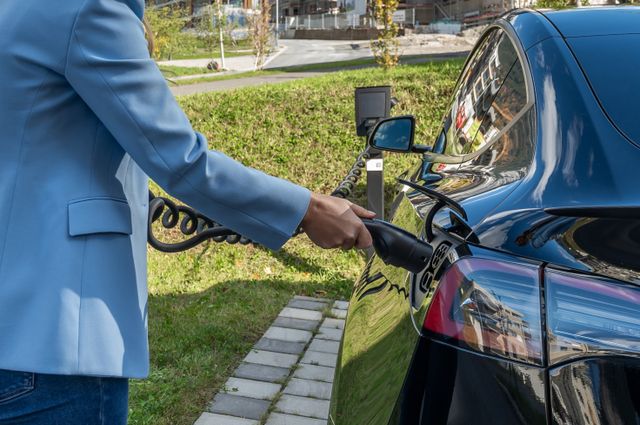

Electric vehicles (EVs) are transforming the transportation industry by offering an alternative to conventional vehicles powered by petrol and diesel. Governments, automobile manufacturers, technology companies, and consumers are increasingly exploring electric mobility as a way to reduce dependence on fossil fuels and address air pollution. Improvements in battery technology, charging infrastructure, and vehicle design have also contributed to the growing interest in electric transportation.
However, the transition to electric vehicles involves more than replacing traditional engines with electric motors. As the number of electric vehicles increases, the management of used batteries is becoming an important environmental, economic, and technological challenge. Electric vehicle batteries contain valuable materials that can potentially be recovered and reused, but they also require specialised collection, transportation, processing, and recycling systems.
Battery recycling is therefore emerging as a crucial part of the clean transportation ecosystem. If batteries are not managed responsibly at the end of their useful life, the environmental benefits of electric mobility may be reduced. At the same time, effective recycling can support resource recovery, reduce pressure on raw material extraction, and create new business opportunities.
The future of electric transportation will depend not only on how efficiently vehicles operate but also on how responsibly their batteries are manufactured, used, reused, and recycled.
Understanding Electric Vehicle Batteries
Electric vehicles use rechargeable battery packs to store electrical energy. These batteries provide power to the electric motor and other vehicle systems. Different types of batteries are used in the industry, but lithium-ion technology has become widely adopted because of its energy density, rechargeability, and performance characteristics.
An EV battery pack contains multiple cells, electronic control systems, cooling components, and protective structures. The design and chemistry of a battery can vary depending on the vehicle model, manufacturer, performance requirements, and cost considerations.
Battery performance gradually changes through repeated charging and discharging. Over time, a battery may lose some of its original capacity, reducing the distance a vehicle can travel on a full charge. However, a battery that is no longer suitable for vehicle use may still have potential for other applications.
The complexity of battery packs creates challenges for repair and recycling. Safe handling requires specialised knowledge, suitable equipment, and appropriate procedures. Damaged batteries can create fire and safety risks if they are improperly stored, transported, or dismantled.
Why Battery Recycling Is Becoming Important
The growing adoption of electric vehicles is likely to increase the number of batteries reaching the end of their first useful life. Although batteries can last for several years, their eventual replacement creates a need for effective collection and processing systems.
Battery recycling is important because EV batteries contain materials that require energy and resources to extract and process. Recovering useful materials from used batteries may reduce the need for some new raw material extraction and support the development of a more circular supply chain.
Recycling can also help prevent improper disposal. Batteries should not be treated like ordinary household waste because they contain complex chemical components and may present safety risks. Specialised systems are needed to identify, collect, transport, and process them.
The recycling process can involve recovering materials such as lithium, nickel, cobalt, copper, aluminium, and other components, depending on battery chemistry and processing technology. The quantity and economic value of recoverable materials differ between battery types.
A well-developed recycling system can support both environmental objectives and industrial resource security.
The Environmental Challenges of Battery Production
Electric vehicles do not produce exhaust emissions while operating, but their overall environmental impact depends on several factors, including battery production, electricity generation, manufacturing processes, and vehicle usage.
The production of batteries requires raw materials that may be obtained through mining and other industrial activities. Mining can affect land, water resources, biodiversity, and local communities when it is not properly managed. The environmental impact varies according to the material, location, extraction method, and regulatory practices.
Battery manufacturing also requires energy and complex supply chains. The environmental benefits of electric vehicles may be greater when batteries are produced using cleaner energy and when vehicles are charged using electricity from lower-emission sources.
These considerations do not eliminate the potential benefits of electric mobility, but they demonstrate why sustainability must be evaluated across the entire lifecycle of a vehicle. Battery recycling and material recovery can become important components of this broader approach.
How the Battery Recycling Process Works
Battery recycling involves several stages, and the exact process depends on the battery chemistry, condition, design, and intended recovery method. The process generally begins with the collection and assessment of used or damaged batteries.
Before recycling, batteries may be inspected to determine their condition and identify safety risks. Some battery packs can be repaired or reused, while others may require complete processing. Safe discharge and handling are essential because batteries may retain electrical energy even after removal from a vehicle.
The next stage may involve dismantling the battery pack into smaller components. This work requires specialised tools and safety procedures. The materials are then processed using different techniques to separate and recover valuable components.
Mechanical processing may be used to break down materials and separate certain components. Other methods, including hydrometallurgical or pyrometallurgical processes, may help recover specific metals. Emerging technologies are also being developed to improve recovery efficiency and reduce energy use.
Recycling facilities must manage chemical exposure, fire risks, waste materials, and emissions. The process requires technical expertise and appropriate environmental controls to ensure that recycling does not create additional hazards.
Battery Reuse and Second-Life Applications
Not every battery that is no longer suitable for vehicle use needs to be recycled immediately. Some batteries may retain enough capacity for stationary applications. This concept is often described as second-life battery use.
Used EV batteries may potentially support energy storage systems, backup power, renewable energy integration, or other stationary applications. These systems generally have different performance requirements from vehicles, where weight, size, and rapid power delivery are especially important.
Second-life applications can extend the useful period of a battery and delay the recycling stage. However, their feasibility depends on battery condition, safety, testing costs, performance requirements, and the availability of suitable markets.
Batteries must be evaluated carefully before being reused. A battery with internal damage or unstable performance may not be appropriate for another application. Monitoring systems and professional installation are important for reducing safety risks.
The combination of reuse and recycling may support a more circular battery economy. Reuse can extend product value, while recycling can recover materials when batteries are no longer suitable for further applications.
Challenges Related to Battery Collection
One of the major difficulties in battery recycling is the development of an efficient collection network. Electric vehicles are distributed across different cities, regions, and communities. Batteries may be located at authorised service centres, repair facilities, dealerships, recycling units, or private locations.
Collecting used batteries requires coordination between vehicle owners, manufacturers, service providers, transport companies, and recycling facilities. Transportation must follow appropriate safety requirements, particularly when batteries are damaged or defective.
The design of battery packs can also affect recycling efficiency. Some packs are difficult to dismantle because of adhesives, complex structures, or integrated components. Standardised designs and improved repairability may help reduce processing costs.
Clear information about battery ownership, condition, chemistry, and history can support safer handling. Digital tracking systems may eventually help businesses monitor batteries throughout their lifecycle, although data protection and system compatibility must be considered.
Without reliable collection and identification systems, valuable materials may be lost and safety risks may increase.
The Economic Potential of Battery Recycling
Battery recycling is not only an environmental activity; it is also developing into a potential industrial sector. The demand for battery materials may encourage investment in recycling facilities, recovery technologies, logistics, research, and specialised workforce training.
Recovering valuable materials can support manufacturers by creating alternative sources of raw materials. The financial viability of recycling depends on battery chemistry, material prices, processing costs, facility scale, energy consumption, and regulatory requirements.
Some battery types contain higher quantities of materials that are economically attractive to recover, while others may require different recycling approaches. Advances in technology may improve the recovery of materials from a wider range of batteries.
Entrepreneurs can explore opportunities in battery testing, collection, repair, dismantling, recycling equipment, software systems, and safety services. However, this sector requires significant technical knowledge and compliance with environmental and industrial regulations.
Businesses entering the battery recycling industry must prioritise safety and long-term operational reliability rather than focusing only on the commercial value of recovered materials.
Battery Recycling and India’s Clean Mobility Transition
India’s electric mobility sector is developing across two-wheelers, three-wheelers, passenger vehicles, buses, and commercial transportation. Electric two-wheelers and three-wheelers are particularly relevant to urban mobility and last-mile transportation.
As the EV market expands, battery management will become increasingly important for manufacturers, fleet operators, service providers, and recycling businesses. India’s diverse transportation conditions also create different battery usage patterns and maintenance requirements.
Battery recycling can support domestic resource recovery and reduce some dependence on imported raw materials. However, the effectiveness of recycling systems depends on infrastructure, collection networks, technical capacity, consumer awareness, and regulatory implementation.
India also needs trained professionals who understand battery chemistry, electrical systems, vehicle maintenance, fire safety, waste management, and environmental compliance. Educational institutions and skill-development organisations can contribute by developing relevant training programmes.
The growth of electric mobility should therefore be supported by a complete ecosystem that includes manufacturing, charging, maintenance, battery reuse, recycling, and responsible disposal.
The Role of Government Regulations and Industry Standards
Battery recycling requires clear rules and safety standards. Governments may establish requirements for battery producers, importers, vehicle manufacturers, recyclers, and other stakeholders. These rules can address collection responsibilities, recycling targets, reporting, transportation, and environmental protection.
In India, battery waste management is governed by regulatory frameworks that place responsibilities on relevant producers and other stakeholders. Businesses must review the latest applicable requirements because rules, reporting systems, and implementation procedures can change.
Industry standards can also improve battery safety and recycling efficiency. Common labelling systems, battery identification, testing procedures, and design practices may help recycling facilities handle products more effectively.
Regulation alone, however, is not sufficient. Successful implementation requires monitoring, enforcement, technical capacity, investment, and cooperation across the supply chain. Manufacturers and recycling businesses should maintain transparent records and follow appropriate safety procedures.
Strong standards can support public confidence while encouraging responsible innovation in the battery industry.
Technology and Innovation in Battery Recycling
Technology is playing an important role in improving battery recycling. Researchers and businesses are exploring methods to recover valuable materials more efficiently, reduce processing costs, and minimise environmental impacts.
Artificial intelligence and data analytics may support battery health assessment, sorting, predictive maintenance, and recycling process optimisation. Digital systems can help identify battery conditions and determine whether a battery is suitable for reuse or recycling.
Automation may also reduce the need for manual handling during certain stages of dismantling and processing. However, automated systems must be designed to manage different battery formats and safety conditions.
New battery chemistries may create additional challenges and opportunities. Recycling methods developed for one type of battery may not work equally well for another. Continuous research is therefore necessary to adapt recycling processes to changing battery technologies.
Innovation should focus not only on recovering materials but also on improving battery design. Batteries designed for easier repair, replacement, dismantling, and recycling may reduce waste and support more efficient lifecycle management.
Skill Development and Career Opportunities
The growth of electric vehicles and battery recycling is creating opportunities across technical and non-technical fields. Engineers may work on battery design, electrical systems, thermal management, recycling equipment, and energy storage. Chemistry and environmental science professionals may contribute to material recovery, testing, and waste management.
Technicians are needed for battery inspection, maintenance, diagnostics, and safe dismantling. Business professionals can work in supply-chain management, logistics, finance, and sustainable operations. Software developers may create systems for battery monitoring, vehicle management, and recycling documentation.
Students interested in this sector can begin by learning the fundamentals of electric mobility, renewable energy, electronics, environmental sustainability, and data analysis. Practical projects and internships can help learners understand how theoretical concepts are applied in industrial settings.
Platforms such as EasyShiksha can support students through online courses, quizzes, certificates, and internship opportunities related to technology and professional development. Combining structured learning with practical exposure can help learners explore emerging career areas.
As the clean transportation sector develops, interdisciplinary knowledge may become increasingly important. Professionals who understand both technical systems and environmental responsibilities can contribute to more effective solutions.
Consumer Awareness and Responsible Battery Disposal
Consumers also have a role in supporting responsible battery management. Electric vehicle owners should follow manufacturer instructions for charging, maintenance, storage, and servicing. Batteries that show signs of damage, overheating, swelling, or unusual performance should be assessed by qualified professionals.
Used batteries should not be dismantled or discarded through informal waste channels. Owners should contact authorised service centres, manufacturers, or approved collection and recycling providers where available.
Awareness campaigns can help consumers understand battery safety and the importance of proper disposal. Vehicle manufacturers and dealerships can provide information about battery warranties, replacement processes, recycling arrangements, and end-of-life options.
Transparent communication can improve consumer confidence and encourage participation in formal recycling systems. It can also reduce the risk of unsafe handling and improper disposal.
The Future of Electric Vehicles and Battery Recycling
The future of electric transportation will depend on improvements across the complete battery lifecycle. Manufacturers may focus on longer-lasting batteries, safer designs, improved energy density, and materials that are easier to recover.
Recycling companies may develop more efficient processing systems, while governments and industries may strengthen collection and compliance mechanisms. Battery reuse could become more common where technical and economic conditions support second-life applications.
The integration of renewable energy and battery storage may also create new markets for used batteries. However, safety, performance, and environmental assessment will remain essential before batteries are reused in stationary systems.
A sustainable electric vehicle ecosystem will require collaboration among manufacturers, technology companies, governments, researchers, recyclers, consumers, and educational institutions. No single stakeholder can address every challenge independently.
Conclusion: Making Clean Transportation More Sustainable
Electric vehicles offer important opportunities to transform transportation and reduce dependence on conventional fuels. However, their environmental benefits must be considered across the entire lifecycle of the vehicle, especially the production, use, reuse, and recycling of batteries.
Battery recycling is becoming a central challenge because used batteries contain valuable materials but also require specialised handling and processing. Effective recycling systems can support resource recovery, reduce waste, and create new industrial and employment opportunities.
The development of clean transportation should therefore extend beyond vehicle sales and charging infrastructure. It should include responsible battery design, safe collection, second-life applications, efficient recycling, technical education, and transparent regulation.
For students and aspiring professionals, this emerging sector offers opportunities to develop skills in engineering, electronics, environmental science, technology, business management, and sustainability. With continued innovation and collaboration, electric mobility and battery recycling can work together to create a transportation system that is not only cleaner during operation but also more responsible throughout its lifecycle.
You may be interested

Celebrity Branding: How Public Figures Build Businesses Beyond Films
Anshika Jain - Sep 18, 2026The role of celebrities has changed significantly in the modern business environment. Actors, musicians, athletes, television personalities, and digital creators are no longer associated only with entertainment…

Green Startups: How Businesses Are Responding to Environmental Challenges
Anshika Jain - Sep 18, 2026Environmental challenges are influencing the way businesses operate, innovate, and plan for the future. Climate change, increasing pollution, resource shortages, waste generation, and the overuse of non-renewable…

India’s Startup Ecosystem: Why Tier-2 and Tier-3 Cities Matter
Anshika Jain - Sep 18, 2026India’s startup ecosystem has experienced significant transformation over the past decade. While metropolitan cities such as Bengaluru, Mumbai, Delhi, Hyderabad, and Pune have traditionally attracted major attention…
Most from this category


Digital Payments and Small Shops: How Technology Is Changing Local Businesses
Anshika Jain - Sep 17, 2026
Cybercriminals and Fake Online Platforms: How Users Are Being Tricked by Trusted Websites
Anshika Jain - Sep 17, 2026
The Rise of Citizen Journalism: When Ordinary People Become the First Source of Breaking News
Anshika Jain - Sep 17, 2026
Digital Payments and Small Shops: How Technology Is Changing Local Businesses
Anshika Jain - Sep 17, 2026Cybercriminals and Fake Online Platforms: How Users Are Being Tricked by Trusted Websites
Anshika Jain - Sep 17, 2026