Why Are Indian Exporters Watching US Trade Policy More Closely in November

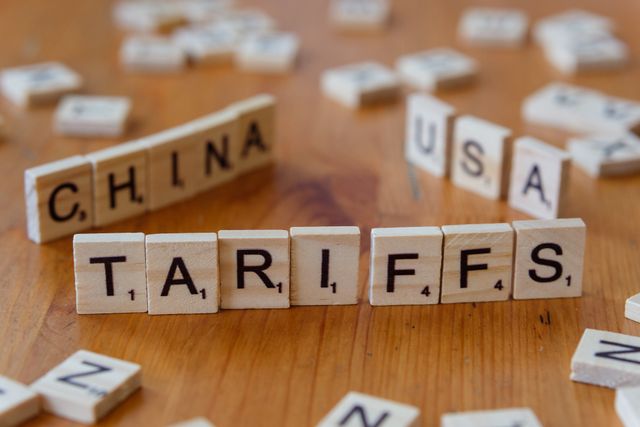

The United States remains one of India’s most important export destinations, making changes in American trade policy a major concern for Indian businesses. From textiles and engineering goods to pharmaceuticals, chemicals, jewellery, footwear and information technology services, companies across several Indian industries depend on access to the American market. Even a relatively small change in import duties, product regulations or customs requirements can influence their costs, competitiveness and future business plans.
In November 2026, Indian exporters are paying particularly close attention to developments in Washington. The uncertainty surrounding the India-US bilateral trade agreement, the future of American tariffs and the outcome of the US midterm elections has made trade policy an important business issue. The November 3 midterm elections changed the political balance in Congress, with Democrats gaining control of both chambers. This development could increase legislative scrutiny of the Trump administration’s trade and tariff decisions, although it does not automatically remove existing duties or guarantee immediate relief for Indian exporters.
The importance of these developments becomes clearer when India’s export relationship with the United States is considered. According to Reuters reporting published in October, Indian goods exports to the US increased to $42.79 billion during April–August 2026, compared with $40.39 billion during the corresponding period a year earlier. India also recorded a trade surplus of nearly $34 billion with the United States in FY2025–26. These figures demonstrate the importance of American demand to Indian exporters and explain why businesses are closely monitoring the possibility of further tariff changes.
For exporters, the concern is not limited to the percentage of duty applied to a product. Trade policy can influence pricing decisions, supplier relationships, investment commitments, production schedules and the ability to compete against manufacturers from other countries. Understanding why Indian businesses are watching US trade policy more closely in November requires examining the current negotiations, the political environment, sector-specific risks and the possible consequences for India’s export economy.
1. The India-US Trade Agreement Remains a Major Concern
One of the biggest reasons for exporters’ attention is the unfinished India-US Bilateral Trade Agreement. Both countries have been negotiating a broader trade arrangement intended to improve market access, address tariff differences and strengthen economic cooperation. An interim framework was announced in February 2026, but negotiations over the final agreement have faced difficulties.
The February framework outlined an 18% reciprocal tariff rate for originating Indian goods across several categories, including textiles and apparel, leather and footwear, plastics and rubber, organic chemicals, home décor, artisanal products and certain machinery. It also identified categories that could receive preferential treatment or tariff removal, subject to the successful conclusion and implementation of the agreement. The framework included commitments relating to market access, rules of origin, digital trade and supply-chain cooperation.
However, an announced framework should not be confused with a fully implemented trade agreement. The final terms, product coverage, exemptions and implementation arrangements remain important for businesses planning future shipments. Reuters reported on October 6 that negotiations had reached a difficult stage, with officials indicating that a final agreement was not imminent. Disagreements over market access, energy purchases and tariff treatment have complicated progress.
For exporters, this uncertainty makes long-term planning more difficult. A manufacturer deciding whether to expand production for American customers needs clarity about the duties that will apply when the products reach the US market. If tariff arrangements change during the investment or shipment cycle, the expected commercial return can be affected.
2. US Midterm Elections Have Added a New Political Dimension
The November 3, 2026, US midterm elections have become another important development for Indian exporters. Democrats gained control of both the House of Representatives and the Senate, changing the political balance in Washington. The new Congress is scheduled to take office in January 2027, meaning the immediate effect on existing trade measures may be limited. Nevertheless, the result could increase congressional scrutiny of the administration’s tariff and trade policies.
The change matters because trade policy is influenced by more than negotiations between two governments. Congressional oversight, legislation, industry pressure and domestic political priorities can all shape the environment in which trade decisions are made. A Congress more willing to examine tariff measures could create additional pressure for explanations about their economic impact on American businesses and consumers.
The Economic Times reported on November 5 that experts believed the Democratic gains could give India more room to seek a balanced trade agreement. However, the report also indicated that the existing 18% tariff arrangement was unlikely to change immediately and that the bilateral agreement could face further delays.
This is an important distinction. A change in congressional control may influence the political environment, but it does not automatically cancel tariffs imposed through existing executive or statutory mechanisms. Indian exporters therefore cannot assume that the election result will immediately reduce the cost of entering the American market.
3. Tariff Uncertainty Is Affecting Export Pricing and Competitiveness
Tariffs are among the most direct ways in which US trade policy affects Indian exporters. An import duty increases the cost of bringing a product into the American market. Depending on the commercial agreement, the additional expense may be absorbed by the Indian exporter, passed on to the American importer or reflected in the final selling price.
This creates a competitive challenge. If Indian products become more expensive because of additional duties, American buyers may compare them with products sourced from countries facing lower tariff rates. Even when an Indian manufacturer offers good quality and reliable delivery, a higher landed cost can influence purchasing decisions.
The situation is particularly important for industries that operate with relatively narrow profit margins. Textile manufacturers, footwear companies, engineering exporters and smaller suppliers may find it difficult to absorb sudden increases in duties without affecting profitability. Large companies may have greater financial flexibility, but they also need to manage contracts, production commitments and customer relationships.
Tariff uncertainty can also influence negotiations between exporters and American buyers. Importers may request price reductions, shorter payment periods or contractual provisions that allow prices to be reviewed if duties change. Indian businesses may consequently face pressure from both sides: higher trade costs and demands from customers to remain competitive.
For this reason, exporters are paying attention not only to the headline tariff rate but also to the exact product classification, country-of-origin requirements, exemptions and implementation dates. A change affecting one product category may not apply to another, even when both are manufactured by the same company.
4. Different Industries Face Different Levels of Trade Policy Risk
The impact of American trade policy is not identical across India’s export sectors. Each industry has a different combination of tariff exposure, supply-chain structure, product regulations and dependence on US customers.
Textiles, Apparel and Leather Products
Textiles, garments, footwear and leather products are particularly sensitive to changes in import duties because they compete with suppliers from several manufacturing economies. Indian companies exporting these products must consider the landed cost of their goods in the United States, where buyers often compare suppliers across countries before placing large orders.
The February 2026 interim framework specifically included textiles and apparel, leather and footwear among the categories associated with the proposed 18% reciprocal tariff treatment. However, exporters still need clarity about the final agreement and the implementation of relevant tariff arrangements.
For smaller manufacturers, even a limited increase in costs can affect the competitiveness of an export order. Companies may respond by improving production efficiency, negotiating better input prices or exploring additional markets. However, changing a buyer relationship or establishing a new international distribution network can take considerable time.
Pharmaceuticals and Medical Products
Pharmaceutical exports require a different approach because market access is influenced by both trade duties and regulatory requirements. Indian pharmaceutical companies supply generic medicines and other healthcare products to the American market, but their ability to compete depends on quality standards, product approvals, manufacturing compliance and pricing.
The February framework identified generic pharmaceuticals and certain pharmaceutical products for possible preferential treatment, subject to further conditions. The US Section 232 investigation into pharmaceuticals and pharmaceutical ingredients was also relevant to the negotiations.
This means pharmaceutical exporters must follow both tariff developments and regulatory decisions. A favourable tariff arrangement cannot replace the need to meet American quality and compliance requirements.
Engineering Goods and Industrial Products
Engineering goods exporters may face pressure when tariffs increase the cost of machinery, components, industrial equipment and manufactured products. American customers purchasing these goods often evaluate total landed cost, technical specifications, delivery schedules and after-sales support.
Companies supplying specialised machinery may have some protection from price competition because customers depend on technical compatibility and product reliability. However, suppliers of standardised industrial goods can face greater pressure when alternative sources are available.
Chemicals, Plastics and Rubber Products
Chemical and industrial-material exporters also need to monitor tariff changes carefully. Their competitiveness can be influenced by the cost of raw materials, international energy prices, transportation and customs duties. A tariff increase may be particularly difficult for manufacturers whose products are already exposed to fluctuating commodity prices.
The February trade framework included organic chemicals, plastics and rubber among the categories covered by its proposed tariff arrangements. The final treatment of these products therefore remains important for businesses with significant US exposure.
5. Additional Section 301 Measures Have Increased Compliance Concerns
Another important development is the US use of Section 301 of the Trade Act of 1974. These measures can impose additional duties following investigations into foreign government practices or other trade-related concerns. For Indian exporters, understanding the legal basis and product coverage of each measure is essential because different tariff mechanisms can apply to different goods.
In July 2026, India’s Ministry of Commerce and Industry issued a statement explaining the final US Section 301 measures relating to forced-labour enforcement. The statement said that the United States had imposed an additional 10% duty on covered imports from India, lower than the initially proposed 12.5%. It also explained that an estimated 45% of India’s exports to the US remained outside the scope of this additional duty, while the remaining 55% would attract it, subject to the relevant product coverage and other applicable measures.
The statement also clarified that certain products, including generic pharmaceuticals, smartphones and specified goods, were outside the additional 10% measure. Products already covered by Section 232 measures, such as steel, aluminium and auto parts, were also treated separately. The government noted that the textile-specific mechanism referred to in the final measures had not yet been established and operationalised at the time of its announcement.
This illustrates why exporters cannot calculate their US market costs using a single general tariff announcement. They need to determine which legal measure applies to their product, whether exemptions are available and whether the product is subject to additional regulatory requirements.
For businesses, tariff classification and documentation have consequently become important commercial responsibilities rather than merely administrative tasks.
6. Rules of Origin and Supply-Chain Transparency Are Becoming More Important
Rules of origin determine the country in which a product is considered to have been manufactured or sufficiently transformed for trade purposes. These rules are important because tariff preferences and trade restrictions often depend on where a product originates.
For Indian exporters, this creates additional responsibilities when production involves components sourced from multiple countries. A product assembled in India may contain imported materials, components or subassemblies. Depending on the applicable rules, the exporter may need to demonstrate that the product satisfies the required origin criteria before claiming preferential treatment.
The February 2026 India-US framework specifically referred to the establishment of rules of origin to ensure that the benefits of the agreement accrue predominantly to the two countries. It also included cooperation on supply-chain resilience and economic security.
These requirements can affect companies that rely on complex international supply networks. Exporters may need stronger supplier records, material declarations, production documentation and traceability systems. Businesses that cannot establish the origin of their products clearly may face delays, additional scrutiny or difficulties claiming applicable tariff benefits.
Supply-chain transparency is becoming particularly important as governments increasingly connect trade policy with economic security, forced-labour prevention and the reliability of strategic suppliers. Indian manufacturers that maintain accurate documentation and transparent sourcing practices may be better prepared to respond to changing requirements.
7. American Trade Policy Can Influence Investment and Employment in India
The consequences of trade policy extend beyond individual export orders. When companies are uncertain about future tariffs, they may reconsider plans to expand factories, purchase machinery or hire additional employees.
For example, an Indian garment manufacturer considering a new production facility for American buyers may postpone investment if it cannot estimate future import duties. Similarly, an engineering exporter may delay expanding capacity until it has greater clarity about the commercial conditions under which its products will enter the US market.
Smaller exporters can be particularly cautious because they may not have enough financial resources to absorb a sudden increase in duties or a prolonged delay in customer orders. Uncertainty can also affect banks and financial institutions assessing the risks of providing working capital to export businesses.
The impact can spread through manufacturing clusters. A large exporter may depend on several smaller suppliers for packaging, components, stitching, processing, transport and other services. If the main exporter reduces orders because of weaker American demand, the effects can reach businesses that do not directly export to the United States.
On the other hand, stable trade arrangements can encourage long-term investment. When businesses have greater confidence about market access, they can plan production capacity, workforce requirements and supplier relationships more effectively. This is why exporters are following the trade negotiations not only for their immediate effect on customs duties but also for their influence on India’s wider manufacturing ecosystem.
8. Can India’s Competitors Gain an Advantage?
Indian exporters do not compete with American manufacturers alone. They also compete with suppliers from Vietnam, Bangladesh, China, Mexico, Thailand and other manufacturing economies. Differences in tariffs, labour costs, logistics, product quality and trade agreements can influence which country becomes more attractive to American buyers.
If Indian goods face higher import duties than comparable products from competing countries, buyers may shift some orders to alternative suppliers. This is particularly relevant in textiles, apparel, footwear, furniture and standardised industrial products, where customers can sometimes change sourcing locations without completely redesigning their supply chains.
However, tariffs are not the only factor influencing sourcing decisions. American companies also consider production capacity, delivery reliability, quality consistency, political risk, supplier diversification and the availability of specialised components. Indian exporters can remain competitive when they offer dependable products, efficient logistics and strong customer relationships.
The changing US-China trade relationship also creates opportunities and risks. American companies seeking to diversify their supply chains may consider additional suppliers in India. However, these opportunities depend on India’s ability to provide competitive pricing, reliable infrastructure and predictable market access.
The challenge for Indian businesses is therefore to avoid depending entirely on tariff advantages. Long-term competitiveness requires investment in productivity, technology, product development and international quality standards.
9. What the US Midterm Results Could Mean for Future Trade Negotiations
The Democratic gains in the November 3 midterm elections have introduced a new political factor into India-US trade discussions. With Democrats taking control of both chambers of Congress, the Trump administration may face greater scrutiny of its economic and trade decisions when the new Congress begins its work in January 2027.
According to the Economic Times report published on November 5, experts believe the changed political environment could provide India with additional room to negotiate a more balanced agreement. However, the report also cautioned that the existing tariff arrangement is unlikely to change immediately and that negotiations could face delays.
Greater scrutiny could influence discussions about the economic consequences of tariffs for American businesses, consumers and supply chains. Import duties can increase costs for US manufacturers that rely on foreign components and for retailers that depend on international suppliers. If congressional hearings or political debates bring these consequences into greater focus, the administration may face additional pressure to explain its trade strategy.
Nevertheless, the US president retains significant authority under existing trade laws, and congressional control does not automatically translate into the cancellation of tariffs. The exact impact will depend on the legal mechanism behind each measure, the possibility of legislative action and the administration’s approach to negotiations.
Indian exporters should therefore treat the election outcome as an important political development rather than an immediate commercial breakthrough. The practical benefit will depend on whether it leads to clearer tariff commitments, a more predictable agreement and improved market access.
10. How Indian Exporters Can Prepare for Changing US Trade Policy
Indian businesses cannot control decisions made by the US government, but they can strengthen their ability to respond to changes. One important step is to examine product-level tariff exposure. Exporters should identify the correct customs classification for each product and understand which tariff measures, exemptions and regulatory requirements may apply.
Companies should also review their contracts with American buyers. Long-term supply agreements need clear provisions explaining how unexpected tariff changes will be handled. Depending on the commercial relationship, businesses may negotiate mechanisms for sharing additional costs, revising prices or adjusting delivery commitments if trade conditions change.
Diversifying export markets can reduce dependence on a single destination. Indian manufacturers may explore opportunities in Europe, the Middle East, Southeast Asia, Africa and other regions while continuing to serve their established American customers. Market diversification requires investment in distribution, compliance and customer development, but it can reduce the risks associated with sudden policy changes in one country.
Supply-chain transparency is equally important. Exporters should maintain accurate records of raw materials, suppliers, manufacturing processes and product origin. This can help them respond to customs inquiries and demonstrate compliance with relevant trade requirements.
Finally, businesses should monitor official announcements from India’s Ministry of Commerce and Industry, the US Trade Representative and US Customs and Border Protection. Media reports can provide useful indications of political developments, but exporters should verify the actual legal status of a tariff before changing prices or shipment arrangements.
Conclusion: Why November 2026 Is an Important Moment for Indian Exporters
Indian exporters are watching US trade policy more closely in November 2026 because several developments are influencing the future of bilateral trade. The unfinished India-US trade agreement, uncertainty surrounding tariff measures, additional Section 301 duties and the changing political balance in Washington have made market access less predictable.
The United States remains a major destination for Indian goods, and recent export figures demonstrate the importance of this relationship. However, businesses cannot depend entirely on the expectation that tariff conditions will improve. The November midterm results may create additional scrutiny of American trade policy, but they do not guarantee immediate tariff reductions or the completion of negotiations.
For Indian exporters, the priority should be to prepare for different outcomes. Companies need accurate tariff information, reliable documentation, flexible pricing strategies, diversified markets and stronger supply-chain management. Industries such as textiles, pharmaceuticals, engineering goods, chemicals and footwear will need to assess their exposure according to the specific rules applicable to their products.
The broader issue is India’s position in global trade. A predictable trade environment can encourage investment, manufacturing expansion and employment, while prolonged uncertainty can delay business decisions and weaken competitiveness. The coming months will therefore be important not only for exporters selling to American customers but also for India’s ambition to strengthen its role in international manufacturing and global supply chains.
Online Internship with Certificate
You may be interested
India’s Rupee Under Pressure: Global Currency Movements Affect Importers and Travellers
Anshika Jain - Nov 05, 2026The value of the Indian rupee is influenced by developments far beyond India's borders. Changes in US interest rates, international crude oil prices, foreign investment flows, geopolitical…

Why Are Indian Companies Reassessing Their Hiring Plans in November 2026
Anshika Jain - Nov 05, 2026India's employment market is entering November 2026 with a more cautious approach to recruitment. Although several industries continue to require skilled professionals, many companies are reviewing their…

Can India’s Festive Consumption Support Economic Growth Beyond Diwali
Anshika Jain - Nov 05, 2026India's festive season is more than a period of celebrations, family gatherings and traditional shopping. It is also one of the most important consumption periods for the…
Most from this category

November 2026 Inflation Watch: How Food and Fuel Prices Could Affect Indian Households
Anshika Jain - Nov 05, 2026
Diwali Online Shopping Returns: Who Pays for the Cost of Festive E-Commerce Returns
Anshika Jain - Nov 05, 2026
Diwali Pollution Debate: Who Is Responsible for the Post-Festival Air Quality Crisis
Anshika Jain - Nov 04, 2026
Gold and Silver Prices Fall Before Diwali: Should Buyers Wait or Purchase Now
Anshika Jain - Nov 04, 2026
November 2026 Inflation Watch: How Food and Fuel Prices Could Affect Indian Households
Anshika Jain - Nov 05, 2026Diwali Online Shopping Returns: Who Pays for the Cost of Festive E-Commerce Returns
Anshika Jain - Nov 05, 2026Diwali Pollution Debate: Who Is Responsible for the Post-Festival Air Quality Crisis
Anshika Jain - Nov 04, 2026