

Why Old Internet Trends Are Suddenly Becoming Popular Again



The internet has always been associated with speed, change and constant innovation. New platforms appear, old platforms disappear, and online habits can transform within only a few years. Yet something interesting is happening across digital culture today: many internet trends that once seemed outdated are returning. Old website designs, nostalgic social media formats, internet slang, digital communities, blogs, forums, pixel-style graphics, early memes and even older forms of online interaction are finding new audiences.
This return does not necessarily mean that people want to recreate the internet exactly as it existed years ago. Instead, it reflects a growing interest in the character of the earlier internet. For many users, particularly younger digital audiences, older internet culture represents a period when online spaces felt more personal, experimental and less commercially structured. The internet of the past had imperfections, but those imperfections often made it feel more human.
The revival of old internet trends also demonstrates how digital culture moves in cycles. Fashion, music and entertainment regularly revisit earlier decades, and internet culture is increasingly doing the same. A design style that looked outdated five years ago can suddenly become fashionable. A forgotten platform can become a subject of discussion. An old meme format can be adapted for a new generation. What once represented ordinary online life can become nostalgia.
The phenomenon raises an important question: why are people returning to internet trends from the past when technology has become faster, more sophisticated and more convenient? The answer is connected to nostalgia, digital fatigue, creativity, community and a changing relationship with online identity.
The Internet Is Becoming a Place of Digital Nostalgia
Nostalgia has always influenced popular culture, but the internet has created an unusual form of nostalgia because digital history moves so quickly. Websites and platforms that were considered modern a decade ago can now look surprisingly old-fashioned. For younger users, some of these digital experiences are not memories at all. They are discoveries.
This has created a fascinating situation in which one generation can experience another generation’s internet culture as something new. A teenager who did not use early social networking websites may encounter screenshots of old profiles and find their design surprisingly interesting. A young creator may discover blogs, online forums or early video platforms and reinterpret them through contemporary content.
Older users, meanwhile, may experience the same trends as memories of their earlier digital lives. Seeing an old interface or hearing an internet expression that was common years ago can bring back memories of how people communicated before the dominance of today’s major platforms.
The result is a shared cultural space between people who remember the earlier internet and people who are discovering it for the first time. This has helped turn digital nostalgia into a broader cultural trend.
Why Early Internet Culture Felt Different
One reason old internet trends are returning is that the earlier internet often gave individuals more control over how they presented themselves online. Personal blogs, customized profile pages, forum signatures, fan websites and independently created pages allowed users to build digital identities that were not necessarily controlled by a single platform.
Today’s social media environment is highly standardized. Users generally create profiles using predetermined layouts, formats and tools. Although customization still exists, the basic structure of many platforms is similar. The profile picture, biography, follower count, short videos and recommendation feed have become familiar components of digital identity.
Earlier internet culture was often more experimental. Users could choose unusual backgrounds, create personal graphics, design webpages, write long posts or participate in communities built around specific interests. The internet felt less like a collection of large commercial platforms and more like a collection of individual spaces.
The return of old internet aesthetics may therefore represent a desire for greater personality and individuality online. Instead of looking identical to everyone else, users can experiment with styles that deliberately appear imperfect, unusual or outdated.
The Return of Old-School Web Design
One of the clearest examples of internet nostalgia is the return of older web design aesthetics. Early websites often contained bright colours, simple graphics, animated elements, pixel art, unusual fonts and layouts that would appear unconventional by today’s standards.
Modern design usually emphasizes minimalism, speed and consistency. Websites are expected to work smoothly across smartphones, tablets and computers. Interfaces are carefully organized, and unnecessary visual elements are generally removed.
Yet the simplicity and imperfection of older websites have become visually interesting again. Designers and creators sometimes use pixel graphics, retro buttons, digital stickers, nostalgic icons and deliberately low-resolution elements to create a sense of personality.
This style is particularly attractive because it looks different from the polished visual language that dominates many modern digital products. When thousands of websites and applications follow similar design principles, something intentionally imperfect can feel distinctive.
The return of old web aesthetics is therefore not necessarily a rejection of modern design. It is often a creative reaction to uniformity.
Memes Are Also Becoming More Retro
Internet memes have changed dramatically over the years. Earlier memes often consisted of simple images, recognizable templates and short captions. Their humour was frequently based on repetition and shared community knowledge.
Modern meme culture can be much faster and more complex. Trends can appear and disappear within days, and a meme may depend on a specific video, event or online conversation.
The renewed interest in older meme formats reflects a desire to revisit a period when internet humour had a different rhythm. Classic meme templates are sometimes brought back with new captions, allowing users to combine familiar visual formats with contemporary situations.
This process demonstrates how internet culture preserves its own history. A meme that was once considered outdated can become funny again precisely because of its age.
The humour often comes from recognizing the difference between the original context and the modern interpretation. In this way, old memes function not only as jokes but also as cultural references.
The Revival of Blogs and Personal Writing
Another interesting development is renewed interest in personal blogging and long-form online writing. Social media has made short posts, images and videos extremely dominant, but there is still an appetite for deeper personal expression.
Traditional blogs allowed people to write about their experiences, interests, hobbies and opinions without having to fit everything into a short-form content format. A blog could become a personal archive that changed gradually over many years.
The modern return to blogging reflects a desire for spaces where people can write without constantly competing for immediate attention. Long-form writing creates room for context, reflection and storytelling.
This does not mean blogs will completely replace social media. Instead, they can coexist with modern platforms. A creator may use social media to reach an audience while using a personal website or newsletter for longer and more detailed communication.
The renewed interest in blogging also connects to concerns about platform dependence. When creators build an audience entirely on third-party platforms, changes to algorithms or policies can affect their visibility. Personal websites and independent publishing provide another form of digital ownership.
Online Forums and Smaller Communities
Large social media platforms have made it easier than ever to communicate with millions of people. However, size does not always create a stronger sense of community. Many users are beginning to appreciate smaller online spaces where conversations are more focused.
Forums, niche communities and interest-based groups represent an older model of online interaction. People could gather around specific subjects such as technology, music, gaming, photography, books or hobbies.
The renewed appreciation for these communities may be connected to digital fatigue. Constant exposure to viral content can make online experiences feel overwhelming. Smaller communities can provide a slower and more focused environment.
In these spaces, users may participate because they genuinely care about a particular topic rather than because they are trying to gain followers or maximize engagement.
This represents an important change in how people think about online communities. The value of a digital space is not necessarily determined by how many people are present. A smaller community can sometimes create stronger relationships because participants share a clear interest.
Why Younger Users Are Interested in an Internet They Never Experienced
Perhaps the most interesting part of the trend is the role of younger internet users. Many people discovering old internet culture today were not active online during the period they are celebrating.
For them, early internet aesthetics can feel authentic because they are different from the highly optimized digital environment they know. Old websites, digital cameras, pixel graphics and early social media interfaces can appear almost like cultural artifacts.
This is similar to how younger generations discover older music or fashion. They may not have experienced the original era, but they can still appreciate its visual and cultural identity.
Digital nostalgia therefore does not belong exclusively to people who remember the past. The internet allows younger generations to explore previous stages of digital culture and reinterpret them.
This process can also create new communities based on shared appreciation for retro technology and internet history.
Digital Fatigue and the Search for Something More Personal
The modern internet is extremely convenient, but it can also be overwhelming. Notifications, recommendations, advertisements, short-form videos and constant updates compete for attention throughout the day.
As digital platforms become increasingly optimized for engagement, some users are looking for slower and more intentional online experiences.
Old internet trends can provide that feeling. A personal webpage does not necessarily require an algorithmic feed. A blog post does not disappear immediately after publication. A forum discussion can continue for weeks or months rather than being replaced every few seconds.
This does not mean older technology was objectively better. Earlier internet experiences had their own limitations, including slower connections, fewer tools and less accessibility. The attraction today comes from selecting certain qualities of that era rather than recreating its limitations.
People can therefore use modern technology while borrowing the slower, more personal characteristics associated with earlier internet culture.
The Influence of Retro Technology
The revival of old internet trends is also connected to renewed interest in older technology. Digital cameras, wired headphones, older gaming systems, physical media and retro computers have all become subjects of interest among different communities.
Part of this interest comes from the physical character of older devices. Modern smartphones combine cameras, computers, communication tools and entertainment into a single device. Older technologies were often designed for more specific purposes.
Using a separate camera, for example, can change the experience of taking photographs because the device is no longer simultaneously delivering notifications, social media updates and other distractions.
Similarly, older gaming systems or retro software can offer experiences that feel more limited but also more focused.
The appeal is therefore not simply about technology being old. It is about the relationship between limitation and attention.
Social Media Is Turning Nostalgia Into a New Trend
Ironically, modern social media is one of the main reasons old internet culture is returning. Platforms designed for rapid content sharing make it extremely easy for nostalgic images, videos and discussions to reach large audiences.
A screenshot of an old website can become viral. A creator can make a video explaining forgotten internet culture. A nostalgic design can inspire thousands of posts.
This creates a cycle in which the modern internet continually rediscovers its own history.
The process also demonstrates how cultural trends are no longer strictly linear. The internet allows old and new ideas to exist simultaneously. A modern smartphone can display a website designed to look like a computer page from decades ago. A new song can use an older digital aesthetic. A contemporary creator can publish content using a visual style inspired by early online communities.
Technology moves forward, but culture can move in circles.
What the Return of Old Internet Trends Says About Digital Identity
The popularity of old internet trends may ultimately reveal something about how people are thinking about identity online.
Modern platforms often encourage users to present themselves through carefully selected photographs, videos, biographies and achievements. Visibility and engagement can become important measures of online presence.
Older internet culture offered a different approach. A person could build a strange website simply because they enjoyed a particular subject. They could create a fan page without expecting thousands of visitors. They could participate in a forum without building a public personal brand.
The return of these practices suggests that some people want online spaces where participation does not always need to become performance.
Digital identity may therefore be moving toward greater variety. Some users will continue building highly visible social media profiles, while others may prefer private communities, newsletters, personal websites or smaller creative spaces.
The Future of Internet Nostalgia
The revival of old internet culture is unlikely to disappear completely. Digital culture will continue producing new trends, but the history of the internet will increasingly become a source of inspiration.
As each generation grows up with different platforms, the digital experiences of one period eventually become nostalgia for another. Today’s social media interfaces, popular apps and viral formats may themselves become retro culture in the future.
The important point is that internet nostalgia does not require people to reject modern technology. Instead, it allows them to reconsider how technology can be used.
A modern digital experience can include the convenience of current technology while borrowing the creativity, individuality and community-oriented character associated with earlier internet culture.
Conclusion: The Internet Is Remembering Its Own Past
The return of old internet trends is more than a temporary aesthetic movement. It reflects a broader cultural conversation about how people want to experience digital life.
Old websites, memes, blogs, forums, retro graphics and smaller online communities are becoming interesting again because they represent qualities that can sometimes feel less visible in today’s highly optimized internet. They remind users that online spaces can be personal, experimental, imperfect and community-driven.
For older users, the revival can create nostalgia for a familiar digital past. For younger users, it can provide an opportunity to discover a version of the internet they never experienced.
The future of digital culture will undoubtedly continue to introduce new technologies, platforms and forms of communication. However, the return of older internet trends demonstrates that progress does not necessarily erase the past. Instead, the past can become raw material for new forms of creativity.
The internet is constantly changing, but it is also developing a memory. And as users become more interested in that memory, yesterday’s internet may become one of the inspirations for tomorrow’s digital culture.
Online Internship with Certificate
You may be interested

Asteroid Monitoring: How Scientists Track Objects That Pass Near Earth
Anshika Jain - Sep 22, 2026Earth is constantly moving through a busy region of space. Millions of objects orbit the Sun, including planets, comets, asteroids and smaller fragments left over from the…

India’s Private Space Sector: What Comes After the First Wave of Startups?
Anshika Jain - Sep 22, 2026India’s space sector has undergone a significant transformation over the past few years. For decades, space activities in the country were strongly associated with government institutions, particularly…

The New Passwordless Future: Are Passkeys Ready to Replace Passwords?
Anshika Jain - Sep 22, 2026For decades, passwords have been the default method of protecting online accounts. From email and social media to banking, shopping, education and workplace systems, users have become…
Most from this category


The Race for Smaller AI Models: Why Efficient AI Could Matter More Than Bigger AI
Anshika Jain - Sep 22, 2026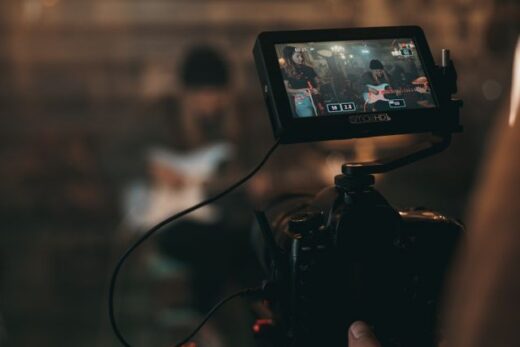
AI-Generated Music, Images and Videos: New Opportunities and Creative Concerns
Anshika Jain - Sep 21, 2026
When Entertainment Meets Activism: Understanding Celebrity Social Campaigns
Anshika Jain - Sep 21, 2026
QR Code Scams: Why a Simple Scan Can Become a Security Risk
Anshika Jain - Sep 22, 2026The Race for Smaller AI Models: Why Efficient AI Could Matter More Than Bigger AI
Anshika Jain - Sep 22, 2026AI-Generated Music, Images and Videos: New Opportunities and Creative Concerns
Anshika Jain - Sep 21, 2026