

Data Breaches and Consumers: What Happens After Personal Information Is Leaked?


Personal information has become one of the most valuable forms of data in the digital economy. Every time people create an online account, purchase a product, register for a service, download an application, subscribe to a platform, apply for an opportunity, or interact with a financial institution, they may provide information that can be stored digitally. Names, email addresses, phone numbers, passwords, identification details, payment information, addresses, and other personal data can become part of large databases maintained by businesses and organisations.
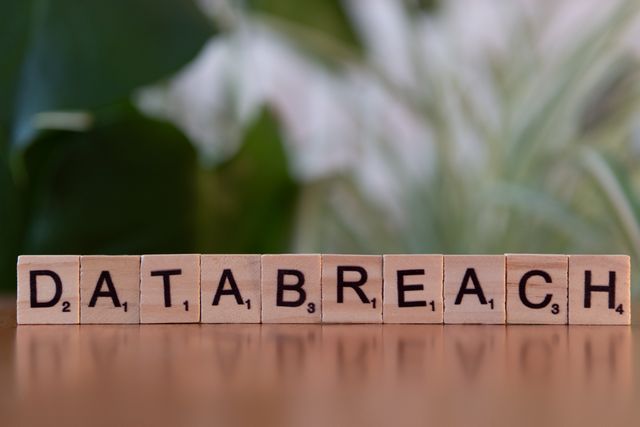
This dependence on digital information creates another problem: data breaches. A data breach occurs when information is accessed, disclosed, altered, or stolen without proper authorisation. Sometimes a breach exposes passwords and email addresses. In more serious cases, it can involve financial information, identification documents, health information, or other sensitive personal details.
For consumers, the effects of a breach do not necessarily end when a company sends a notification. A leaked email address may lead to phishing attempts months later. A stolen password may be tested against other accounts. Exposed personal information can be combined with information from other sources to make scams more convincing.
IBM’s 2026 Cost of a Data Breach research reported that the average total organisational cost of a data breach in India reached ₹255 million in 2026, while the average number of records compromised in the country’s studied breaches increased to 39,500. The figures represent organisational costs rather than direct consumer losses, but they illustrate the scale at which personal information can be involved in modern security incidents.
Understanding what happens after information is leaked is therefore an important part of digital safety. A breach may be an organisational cybersecurity incident, but its consequences can follow individual consumers into their email inboxes, phones, financial accounts, and online identities.
What Actually Happens During a Data Breach?
A data breach can happen in many different ways. An attacker might exploit a software vulnerability, steal login credentials, compromise an employee account, deploy malware, or gain access through a third-party supplier. Human error can also contribute to information being exposed.
Not every breach involves the same type of information. A company may discover that email addresses and usernames were accessed, while another incident may involve passwords, payment information, identification records, or other sensitive data.
This distinction is important because the potential consequences depend heavily on what information was exposed. A leaked email address may primarily increase the risk of phishing. A compromised password may create a more immediate account-security problem, especially if the password was reused elsewhere. Financial or identity-related information can create different risks that may require additional protective measures.
Consumers should therefore pay attention to the details in a breach notification rather than simply noting that a company has been hacked.
Why a Data Breach Does Not Always Mean Immediate Fraud
One of the most common misconceptions about data breaches is that stolen information will immediately be used to commit fraud. That does not necessarily happen.
Information can remain unused for a period of time, be combined with information obtained from another breach, or be used later for targeted scams. Criminals may also test stolen credentials across multiple services.
The Federal Trade Commission has warned that password reuse can make an older breach relevant to accounts that were not directly involved in the original incident. If consumers used the same password on multiple services, exposure at one company could potentially create risks elsewhere.
This means the consequences of a breach can unfold gradually. A person may receive a breach notification today but encounter suspicious login attempts, phishing messages, or fraudulent activity much later. The absence of immediate suspicious activity should therefore not automatically be interpreted as proof that the exposed information is harmless.
The First Risk: Phishing After a Breach
One of the most common consequences for consumers is an increase in targeted phishing.
Once criminals know that a person has an account with a particular company, they can create messages that appear connected to the breach. A fraudulent email might claim that the person’s account needs to be verified because of a security incident. A text message may ask the recipient to reset a password. Another message might offer fake compensation or security services.
The timing can make these messages particularly convincing. The FTC advises consumers not to click unexpected links or attachments and instead to contact organisations through websites or phone numbers they already know to be legitimate.
This is why consumers should be especially cautious after a breach announcement. A real breach notification can unintentionally create an opportunity for criminals to imitate the affected company.
Stolen Passwords Can Create a Wider Problem
Passwords remain one of the most important pieces of information exposed in data breaches. If a password is compromised, changing it on the affected service is important. But the problem becomes more serious when the same password has been reused across multiple websites.
For example, a person may use one password for an old shopping account, an email account, a social media platform, and an educational service. If the password is exposed through one breach, criminals may attempt to use it on the other services.
This technique is often referred to as credential stuffing. It takes advantage of the fact that people sometimes reuse passwords because remembering many unique passwords can be difficult.
The FTC recommends changing exposed passwords and passwords reused on other accounts, while also enabling multi-factor authentication where available. The lesson is straightforward: a password exposed in one breach should not continue to protect other accounts.
Account Takeover Can Follow a Data Leak
A data breach can sometimes contribute to account takeover. Account takeover occurs when an unauthorised person gains control of an individual’s online account. If criminals obtain a username and password, they may attempt to log in. If they successfully gain access, they could change account details, view private information, send messages, make purchases, or use the compromised account to target other people.
Email accounts are particularly important because they are often connected to password-reset systems for other services. The FTC advises consumers who regain control of hacked accounts to change passwords, sign out of other devices, activate two-factor authentication where available, and review account recovery information.
Consumers should also pay attention to unexpected password-reset messages, unfamiliar login alerts, changes to account information, and other signs of unauthorised access.
Personal Information Can Strengthen Future Scams
A data breach can provide criminals with information that makes future social engineering more convincing. Suppose a leaked database contains a person’s name, email address, phone number, and information about a service they use. A scammer may combine those details with publicly available information and create a message that appears highly personalised.
Instead of sending a generic phishing email, the criminal can refer to a real company, an actual account, or a genuine transaction. This is one reason consumers should not assume that a message is legitimate simply because it contains accurate personal details.
Information being correct does not prove that the sender is trustworthy. In fact, the presence of accurate personal information can sometimes be evidence that the sender has obtained data from another source.
What Happens When Financial Information Is Exposed?
Financial information requires particular attention because it can potentially be used for unauthorised transactions or other forms of fraud.
If payment card information is exposed, the appropriate response can depend on the type of information involved and the financial institution’s procedures. Consumers may need to contact their bank or card provider, monitor transactions, and follow the institution’s guidance.
The FTC has previously advised consumers affected by payment-card breaches to contact their bank or card company, review statements, and take appropriate action regarding compromised cards. Monitoring is important because fraudulent transactions may not appear immediately.
Consumers should also be cautious about messages claiming to be from their bank after a breach. A genuine security incident can become the basis for a second scam in which criminals pretend to help victims protect their accounts.
Identity Theft Is a Longer-Term Concern
Some data breaches expose information that is more difficult to replace than a password. Passwords can be changed. Payment cards can generally be replaced. But information such as government identification details or other persistent identifiers can be more difficult to change.
This creates the possibility of identity theft, where personal information is used to impersonate an individual or facilitate fraudulent activity.
The exact risks depend on the type of information exposed and the country involved. Consumers should carefully read breach notifications to understand what information was compromised and follow the recommendations provided by the affected organisation and relevant authorities.
The FTC’s consumer guidance recommends using IdentityTheft.gov when someone believes personal information has been misused and provides recovery guidance based on the situation. In India and other countries, consumers should similarly use the relevant financial institutions, service providers, law-enforcement channels, and official cybercrime reporting mechanisms applicable to their situation.
Why Old Accounts Can Still Matter
An account does not have to be active today to create a security risk. People often create accounts on websites they later stop using. Years later, they may forget that the account exists or that a particular password was associated with it.
If an old service experiences a breach, the exposed information can still have value. The biggest concern may be password reuse. An old password that remains active on a current account could provide a pathway into a more important service.
This is one reason digital security is not simply about protecting the accounts people use every day. It also involves cleaning up old accounts, removing unnecessary services, and avoiding password reuse.
Data Breach Notifications Deserve Attention
When an organisation informs consumers about a breach, the notification may contain important information about what happened and what actions are recommended.
Consumers should read the notification carefully and determine what information was affected. If the company offers services such as credit monitoring or identity-theft protection in connection with the incident, consumers can evaluate those services and follow the instructions provided.
The FTC specifically recommends taking advantage of free monitoring or identity-theft services offered following certain breaches when they are relevant to the information exposed.
Consumers should also independently verify that the notification itself is genuine. Criminals can imitate breach notices and use them to collect additional information.
If there is uncertainty, the company should be contacted through its official website or a known customer-service channel rather than through links or phone numbers contained in a suspicious message.
Multi-Factor Authentication Becomes More Important
A data breach demonstrates why a password alone may not provide enough protection. Multi-factor authentication adds another verification requirement beyond the password. Depending on the service, this could involve an authenticator application, security key, biometric method, or another verification mechanism.
If a password is exposed but an attacker cannot satisfy the additional authentication requirement, unauthorised access can become more difficult. The FTC recommends enabling two-factor or multi-factor authentication on accounts where it is available.
For consumers, this means that account security should not stop with changing a password after a breach. It is also an opportunity to strengthen the account’s overall security.
Consumers Should Watch for Secondary Attacks
A breach can create what might be called a secondary attack environment. The original incident may involve a company’s database, but criminals can later target affected consumers directly. They may use email, SMS, phone calls, social media messages, or fake websites.
For example, someone whose information was exposed in a retail breach might later receive a fake message claiming to offer account protection. Someone affected by an educational-platform breach might receive a fraudulent scholarship or account-verification message.
The connection between the real breach and the fake message can make the scam more persuasive. Consumers should therefore treat unexpected communications received after a breach with additional caution rather than assuming that the sender must be connected to the original incident.
The Role of Companies After a Breach
The responsibility for protecting consumer data does not fall entirely on individuals. Organisations that collect personal information have responsibilities concerning security, access controls, monitoring, incident response, and applicable privacy and breach-notification requirements.
IBM’s 2025 research found that more than half of the studied breached organisations reported compromised customer personally identifiable information, highlighting how frequently consumer information can be involved in organisational security incidents.
Modern organisations also increasingly rely on cloud services, third-party providers, artificial intelligence systems, and interconnected platforms. This means data security involves more than protecting one database. A company’s security practices can affect thousands or millions of people who may have little control over how their information is stored.
The Growing Connection Between Data Breaches and AI
Artificial intelligence is adding another dimension to data security. AI can help organisations detect suspicious activity and automate parts of security operations. At the same time, criminals can use AI to improve phishing, social engineering, and other attacks.
IBM’s 2026 India research reported that 26% of malicious breaches in its studied Indian organisations were AI-generated, illustrating how AI is becoming part of the threat environment.
For consumers, this may mean that future scams become more personalised and convincing. Messages can potentially be generated at greater scale, while information gathered from multiple sources can be combined into highly targeted attacks.
This makes basic digital awareness increasingly important even when consumers are not directly responsible for the original breach.
What Consumers Should Learn From a Data Breach
A data breach can feel like something that happened entirely outside an individual’s control. In many cases, that is true. Consumers may have provided information to a legitimate organisation and had no role in the security failure.
However, there are still practical lessons that can reduce the consequences.
Unique passwords reduce the damage caused by credential exposure. Multi-factor authentication provides an additional security layer. Regular account monitoring can help identify suspicious activity. Caution around unexpected messages can reduce the chance of follow-up phishing. Keeping contact and recovery information current can make account recovery easier.
These practices cannot prevent every breach, but they can reduce the opportunities available to criminals after information has been exposed.
The Future of Consumer Data Protection
The amount of personal information stored by digital services is unlikely to decrease. Online shopping, digital payments, education platforms, healthcare systems, financial services, social networks, and connected devices all depend on information.
At the same time, organisations are adopting artificial intelligence and increasingly interconnected digital systems.
This makes data protection an ongoing process rather than a one-time security project.
Consumers will need greater awareness of what information they share, where it is stored, how accounts are secured, and what happens when a company experiences an incident. Organisations will need stronger security controls, better monitoring, clearer communication, and effective incident-response systems.
The long-term goal should not simply be to respond after information has been leaked. It should also be to reduce the amount of unnecessary data collected and limit the consequences when security incidents occur.
Conclusion
A data breach is not necessarily the end of a security incident. For consumers, it can be the beginning of a longer period in which exposed information may be used for phishing, account takeover, identity theft, financial fraud, or increasingly personalised scams.
The consequences depend heavily on what information was exposed. A leaked email address creates a different risk from a compromised password, while financial or identity-related information can require additional protective action.
Consumers cannot control every organisation’s cybersecurity practices, but they can control how they respond when information is exposed. Changing compromised or reused passwords, enabling multi-factor authentication, monitoring accounts, independently verifying suspicious communications, and paying attention to breach notifications can all strengthen personal security.
The broader lesson is that personal data does not stop being valuable when a company experiences a breach. Information can continue to circulate, be combined with other data, and become useful to criminals long after the original incident.
As digital services become more deeply integrated into everyday life, understanding what happens after a data breach is becoming an essential part of digital literacy. Protecting personal information is no longer simply a responsibility for cybersecurity teams. It is an ongoing partnership between organisations, technology providers, regulators, and the consumers whose information makes the digital economy possible.
Online Internship with Certificate
You may be interested
Deepfake Fraud: How Criminals Are Using Fake Faces and Voices
Anshika Jain - Sep 25, 2026Artificial intelligence has changed the way digital images, videos, and voices can be created. A technology that was once associated mainly with entertainment and experimental media can…

The Rise of Anonymous Creators: Why Some Influencers Hide Their Identity
Anshika Jain - Sep 25, 2026For years, social media influence was closely associated with visibility. Influencers appeared on camera, shared their daily lives, built personal brands around their names, and encouraged audiences…
The New Battle Over Content Moderation on Social Platforms
Anshika Jain - Sep 25, 2026Social media platforms were originally built around a relatively simple idea: people should be able to create, publish, discover, and share information with large audiences. As these…
Most from this category


Synthetic Influencers: Can AI-Generated Personalities Build Real Audiences?
Anshika Jain - Sep 25, 2026


Why Viral Screenshots Are Becoming a New Source of Misinformation
Anshika Jain - Sep 25, 2026Synthetic Influencers: Can AI-Generated Personalities Build Real Audiences?
Anshika Jain - Sep 25, 2026From Influencer to Entrepreneur: The New Indian Creator Economy
Anshika Jain - Sep 24, 2026