

Why Grassroots Sports Are Getting More Attention

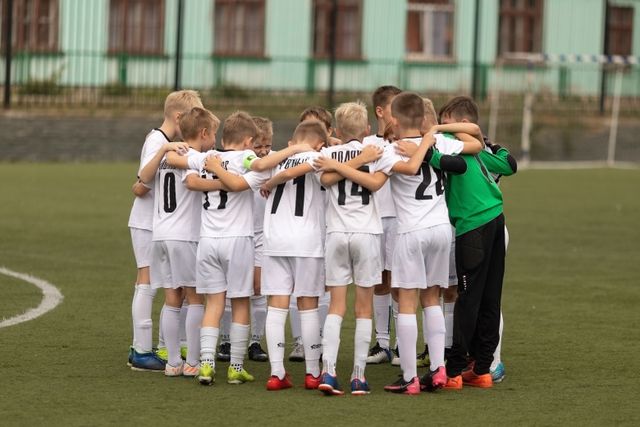

For decades, discussions about sport have often focused on international tournaments, professional leagues, famous athletes and major sporting events. The attention surrounding elite competition can sometimes make it easy to overlook where most sporting journeys actually begin. Before an athlete reaches a professional academy, national team or international competition, there is usually a school ground, neighbourhood court, local club, community centre or small training facility where the first interest in sport develops.
This foundation is commonly described as grassroots sport. It refers to sporting activity that takes place at the community and participation level, involving children, young people and adults who may play primarily for recreation, development, health or the possibility of eventually progressing into competitive sport. In recent years, grassroots sports have started receiving greater attention from governments, educational institutions, sports organisations, communities and technology companies.
The increased focus is connected to several changes happening at the same time. Countries are investing in sporting infrastructure, schools are becoming more interested in physical activity, digital platforms are making training resources more accessible, and sports organisations are recognising that long-term competitive success depends on developing athletes early. At the same time, growing awareness of physical fitness and active lifestyles is encouraging more people to view sport as an important part of everyday life rather than something reserved for professional athletes.
What Grassroots Sport Really Means
Grassroots sport is much broader than identifying future professional players. At its most basic level, it is about creating opportunities for people to participate in sport.
A child learning football in a neighbourhood ground, a student joining a school athletics programme, a group of teenagers playing basketball after classes and a young athlete participating in a local athletics competition can all be part of the grassroots sports ecosystem.
This distinction is important because not every participant will become a professional athlete. Grassroots sport has educational, social and health-related value even when competitive progression is not the goal.
Participation can help young people develop discipline, teamwork, communication, confidence and an understanding of commitment. Sport can also create social connections by bringing people from different backgrounds together around a shared activity.
The growing attention towards grassroots sports therefore reflects a broader understanding of what sport contributes to society.
The Search for the Next Generation of Athletes
One major reason grassroots sports are receiving attention is the need to identify and develop future talent.
Elite athletes do not appear suddenly at the international level. Their development usually takes years of training, competition and coaching. The earlier an athlete has access to appropriate opportunities, the greater the possibility of developing technical and physical abilities over time.
This has encouraged sports organisations to look beyond established academies and professional competitions. Local competitions, school programmes and community-level events can provide opportunities to identify talented athletes who might otherwise remain unnoticed.
For a country with a large and diverse population such as India, this can be particularly significant. Talent may exist in cities, smaller towns, rural communities and regions that historically had fewer connections to formal sporting systems.
Grassroots development can help widen the pathway between discovering an interest in sport and reaching structured competitive opportunities.
Schools Are Becoming More Important to Sports Development
Schools are among the most important environments for grassroots sports because they provide access to large numbers of young people.
For many children, school may be the first place where they encounter organised sport. A physical education class, inter-school competition or school sports day can introduce students to activities they may never have tried outside the education system.
A stronger school sports culture can also help students discover that their abilities are not limited to academic subjects. A student who may not initially stand out in a traditional classroom environment could demonstrate leadership, coordination, endurance or strategic thinking through sport.
The relationship between education and sport is therefore becoming increasingly important. Schools can provide the environment in which young people experiment with different sports before deciding whether they want to pursue one more seriously.
This does not mean that every student needs to become competitive. The broader objective is to create an environment where participation is accessible and encouraged.
Infrastructure Is Changing the Grassroots Landscape
Access to suitable facilities remains one of the biggest factors influencing grassroots participation. A talented young athlete cannot develop effectively without opportunities to train, practise and compete.
Governments and sporting organisations have increasingly recognised this challenge and have invested in community-level infrastructure, training centres and sports facilities.
India’s Khelo India programme, for example, has been designed to strengthen sporting participation and talent development, including support for sports infrastructure and competitions. The programme has helped establish a framework through which sporting opportunities can be expanded beyond elite competition.
The importance of infrastructure goes beyond large stadiums. Grassroots development often depends on relatively simple facilities such as accessible playing fields, multipurpose courts, athletics tracks, community gyms and training spaces.
A well-maintained local ground can sometimes be more valuable to grassroots participation than a large stadium that is difficult for ordinary residents to access.
Smaller Cities and Rural Areas Are Gaining Visibility
Another reason grassroots sports are receiving more attention is the recognition that sporting talent is not concentrated only in major cities.
Young athletes from smaller towns and rural communities have increasingly appeared in national and international competitions. Their stories have contributed to greater public awareness of the importance of providing opportunities outside traditional sporting centres.
Improved competitions, scouting systems, coaching networks and digital communication can make it easier for athletes from less-connected areas to become visible.
However, geographic inequality remains an important challenge. A student may have talent but lack access to qualified coaching, equipment, competition opportunities or transportation.
Grassroots investment can therefore play an important role in reducing the distance between sporting talent and sporting opportunity.
Technology Is Entering Grassroots Sports
Technology was once largely associated with elite sports. Professional teams could afford advanced performance tracking, video analysis and specialised software, while community-level athletes had limited access to such tools.
That distinction is gradually becoming less pronounced.
Affordable smartphones, online learning platforms, wearable devices and video analysis tools are making sports information more accessible. Young athletes can watch demonstrations, study techniques, follow structured training sessions and learn about nutrition and recovery through digital resources.
Coaches can also use smartphones to record training sessions and review technique with athletes. Video can provide visual feedback that is difficult to communicate through verbal instructions alone.
Data-driven sports analysis is also becoming more accessible. Although advanced professional systems may remain expensive, basic performance tracking can increasingly be conducted using consumer-level technology.
This does not eliminate the need for experienced coaches. Instead, technology can supplement coaching by providing additional information and learning resources.
Social Media Is Changing How Young Athletes Are Discovered
Social media has also influenced grassroots sports by making local performances more visible.
A young athlete participating in a local competition can potentially share a performance with a much larger audience. Short videos, tournament highlights and training content can attract attention from coaches, clubs and sporting communities.
This has changed the traditional path through which athletes become visible. In the past, recognition might depend almost entirely on scouts physically attending competitions. Today, digital visibility can complement traditional scouting.
However, online visibility should not be confused with sporting ability. Social media tends to reward content that is visually impressive or emotionally engaging, while athletic development involves many less visible qualities.
The most effective grassroots systems are therefore likely to combine digital visibility with structured evaluation and real-world competition.
Parents Are Becoming More Aware of Sporting Opportunities
Parents play an important role in grassroots sports because young athletes depend heavily on family support during the early stages of development.
As awareness of sports scholarships, professional opportunities, structured academies and competitions increases, more families may consider sport as a meaningful part of a child’s development.
This does not necessarily mean parents expect every child to become a professional athlete. Sport can provide benefits even when pursued alongside academics.
The challenge is maintaining balance. Excessive pressure to achieve competitive results at an early age can undermine the enjoyment and developmental value of sport.
Grassroots sports work best when young athletes have the opportunity to develop gradually, experience competition and learn from both success and failure.
Grassroots Sport Supports More Than Professional Careers
One of the most important developments in the grassroots conversation is the recognition that sports participation has value even when it does not lead to a professional career.
Regular physical activity can contribute to healthier lifestyles, while organised sport can help young people develop social and personal skills.
Team sports can teach communication and cooperation. Individual sports can encourage self-discipline and goal-setting. Competitive environments can teach participants how to respond to setbacks and improve through practice.
These skills can remain valuable long after an athlete stops competing.
For education systems, this makes grassroots sports more than an extracurricular activity. Sport can become another environment in which students develop capabilities that are relevant to academic, professional and personal life.
The Rise of Women’s Grassroots Sports
Women’s participation is another important reason grassroots sports are receiving greater attention.
Historically, girls and women have faced barriers in access to facilities, coaching, competitions, funding and social support. Expanding grassroots participation can help address these gaps by creating opportunities earlier in the sporting journey.
When girls have access to sport at school and in their communities, they are more likely to see athletic participation as a normal part of life.
Women’s grassroots programmes can also strengthen the talent pipeline for professional and international sport. More participation at the base of the system creates a larger pool from which competitive athletes can eventually emerge.
The long-term development of women’s sport therefore depends not only on professional leagues and international teams but also on participation opportunities available to girls at local levels.
Coaches Are Central to Grassroots Development
Facilities and technology are important, but coaches remain one of the most influential parts of grassroots sport.
A good grassroots coach does more than teach technical skills. They help young athletes understand teamwork, discipline, sportsmanship and the process of improvement.
Coaching at the grassroots level can also require a different approach from coaching professional athletes. Young participants are still developing physically, emotionally and socially. Training needs to account for age, development and individual differences.
Expanding the grassroots sports ecosystem therefore requires investment in coach education as well as facilities.
The quality of early coaching can influence whether a young person continues participating in sport or loses interest.
Competitions Create Motivation
Training becomes more meaningful when athletes have opportunities to test themselves in competition.
Local tournaments, school competitions and district-level events give young athletes goals toward which they can work. Competition also teaches lessons that training alone cannot provide.
An athlete may perform confidently during practice but struggle under competitive pressure. Another athlete may discover that a particular strategy works better in an actual match.
Regular competition helps athletes learn how to manage pressure, adapt to opponents and evaluate their own performance.
For grassroots systems, the availability of appropriate competitions is therefore just as important as training infrastructure.
Grassroots Sports and the Future of Indian Sport
India’s growing interest in grassroots sports reflects a larger transformation in the country’s sporting ecosystem. The objective is gradually shifting from focusing exclusively on medals and elite competitions towards building a broader participation and development system.
This is important because a strong sporting culture cannot depend entirely on a small group of elite athletes. It requires schools, families, coaches, local clubs, communities, facilities, competitions and development programmes.
Digital platforms can also contribute by helping young people discover sports, access learning resources, understand career opportunities and connect with educational or training pathways.
For students, this creates an increasingly diverse relationship between education and sport. Sporting interests can lead not only to athletic careers but also to opportunities in sports management, coaching, sports science, physiotherapy, analytics, technology, journalism and event management.
The modern sports ecosystem therefore includes many professions beyond the athletes visible on the field.
The Challenges That Remain
Despite increasing attention, grassroots sports continue to face challenges. Infrastructure remains uneven, coaching quality can vary considerably, and some communities have limited access to equipment or organised competitions.
There is also a risk of creating programmes that focus heavily on discovering elite talent while overlooking recreational participation. A healthy grassroots system needs both pathways: opportunities for those who want to compete seriously and accessible programmes for those who simply want to participate.
Affordability is another important consideration. Training fees, equipment, transportation and competition expenses can create barriers for families.
Technology can help address some gaps, but digital access itself is unequal. Online resources are useful only when young athletes have suitable devices, connectivity and the ability to use them effectively.
Grassroots development therefore requires a combination of infrastructure, affordability, coaching, education, technology and community support.
Grassroots Sports as the Foundation of a Sporting Culture
The growing attention towards grassroots sports represents a shift in how sporting development is understood. Elite competition remains important, but the strength of professional sport ultimately depends on the opportunities available much earlier in an athlete’s journey.
A child needs a place to play before becoming an athlete. A young player needs coaching before entering a professional academy. A developing competitor needs access to competitions before representing a state or country.
These early stages may not receive the same media attention as international tournaments, but they form the foundation on which elite sport is built.
Grassroots sport also creates benefits that extend beyond professional competition. It can bring communities together, encourage physical activity, develop life skills and provide young people with meaningful opportunities to challenge themselves.
Conclusion
Grassroots sports are receiving more attention because the sporting world is increasingly recognising that long-term development begins at the community level. The future of professional sport depends partly on whether children and young people have access to opportunities that allow them to discover, practise and enjoy sport.
Improved infrastructure, school programmes, coaching systems, technology, digital platforms and competitions are helping expand these opportunities. At the same time, greater awareness of women’s participation, regional talent and the wider educational value of sport is broadening the definition of sporting success.
The most important outcome of grassroots sports may not always be the discovery of the next international champion. It may simply be giving a young person a place to play, a coach to learn from, a team to belong to and an opportunity to discover what they can achieve through consistent effort.
As India’s sporting ecosystem continues to evolve, grassroots development will remain an important foundation. The stadium may host the final match, but the journey of every athlete begins much earlier, often on a much smaller field.
Online Internship with Certificate
You may be interested
Why Authorities Are Rethinking the Management of Large Public Demonstrations
Anshika Jain - Oct 15, 2026Large public demonstrations have become an important feature of modern democratic societies. From student movements and workers’ strikes to political rallies, environmental campaigns and protests demanding government…

TVK’s Bypoll Wins: What the Party’s First Electoral Test Reveals About Its Political Position
Anshika Jain - Oct 15, 2026The Tamilaga Vettri Kazhagam (TVK), led by Tamil Nadu Chief Minister C. Joseph Vijay, has cleared its first major electoral test since forming the state government. The…
Why Tribal Students Are Marching for Education and Equal Opportunities
Anshika Jain - Oct 15, 2026Education is widely recognised as a pathway to social mobility, economic independence and equal participation in society. For many tribal students in India, however, the journey towards…
Most from this category
Student Protests Over Hostel Facilities: Basic Infrastructure Is Political Issue
Anshika Jain - Oct 15, 2026
Campus Curfews and Women’s Freedom: Safety Rules Become a Discrimination?
Anshika Jain - Oct 15, 2026
When Opposition Leaders Face Detention: The Legal Boundaries of Political Protest
Anshika Jain - Oct 15, 2026
Why Internal Disagreements Within Constitutional Institutions Matter to Public Trust
Anshika Jain - Oct 14, 2026
Student Protests Over Hostel Facilities: Basic Infrastructure Is Political Issue
Anshika Jain - Oct 15, 2026Campus Curfews and Women’s Freedom: Safety Rules Become a Discrimination?
Anshika Jain - Oct 15, 2026When Opposition Leaders Face Detention: The Legal Boundaries of Political Protest
Anshika Jain - Oct 15, 2026