When Students Protest: What Happens After a Campus Administration Faces Public Pressure?

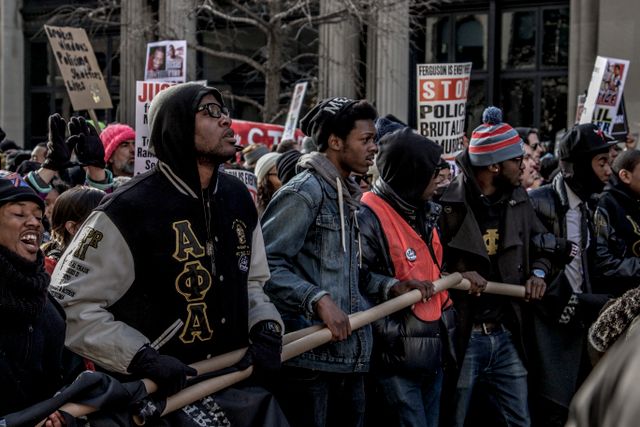

Universities and colleges are expected to provide students with an environment where learning, critical thinking, and open discussion can flourish. However, when students believe that their concerns are being ignored, campus dissatisfaction can develop into organised protest. Issues such as rising fees, inadequate facilities, examination delays, alleged misconduct, safety concerns, hostel conditions, disciplinary decisions, and administrative transparency can bring students together around a shared demand for change.
In the digital era, campus protests can move beyond university boundaries within hours. Videos, student statements, photographs, online petitions, and social media discussions can attract the attention of journalists, parents, alumni, civil society organisations, and government officials. What begins as a local dispute may quickly become a public controversy, placing pressure on the administration to explain its decisions and demonstrate that it is responding appropriately.
However, public attention does not automatically produce meaningful reform. An administration may announce an inquiry, establish a committee, issue a statement, negotiate with student representatives, or temporarily suspend a disputed decision. Whether these actions resolve the underlying problem depends on the credibility of the response, the evidence available, the institution’s accountability mechanisms, and its willingness to implement changes.
Understanding what happens after a campus administration faces public pressure is important because the aftermath often determines whether a protest becomes a turning point or fades without addressing students’ original concerns. The response can affect institutional trust, student participation, campus culture, and the relationship between university authorities and the wider community.
Why Student Protests Begin
Student protests rarely emerge without a background of dissatisfaction. In many cases, frustration develops over time as students encounter repeated administrative problems or feel that established channels for raising concerns are ineffective. A delayed examination result may initially appear to be an isolated inconvenience, for example, but repeated delays combined with poor communication can create a wider perception that the administration is not treating students’ academic interests seriously.
Financial concerns are another common source of campus discontent. Increases in tuition fees, additional charges, unclear refund policies, or limited access to scholarships can affect students’ ability to continue their education. For students from economically disadvantaged backgrounds, even a relatively small increase in costs can create substantial pressure. When institutions fail to explain financial decisions clearly, uncertainty may intensify dissatisfaction.
Campus safety and student welfare can also trigger collective action. Complaints about harassment, discrimination, hostel security, inadequate sanitation, inaccessible facilities, or the handling of misconduct allegations may lead students to demand an investigation and stronger safeguards. In such situations, the administration’s response is especially important because students may be concerned not only about the original incident but also about whether reporting systems are reliable and whether complainants will be protected from retaliation.
The way an institution communicates can influence whether dissatisfaction escalates. When students receive timely explanations and have meaningful opportunities to participate in decisions, disagreements may be addressed before they become large-scale protests. When concerns are dismissed, delayed, or met with contradictory statements, students may begin to believe that public pressure is the only way to obtain attention.
How a Campus Protest Reaches the Public
A campus protest often begins with meetings, written complaints, student union discussions, petitions, or demonstrations within university grounds. Its visibility can increase when students publish accounts of their experiences or share evidence of the problem online. Social media enables students to communicate directly with large audiences without relying entirely on traditional news organisations.
Digital platforms can change the balance of information between students and institutional authorities. A video showing a demonstration, a copy of an administrative notice, or a public statement from student representatives can circulate widely before the administration releases an official response. This can create pressure for rapid clarification, particularly when the issue concerns safety, discrimination, financial misconduct, or alleged abuse of authority.
Traditional media can amplify the situation further. Journalists may interview students, approach university officials, examine official documents, and compare different accounts of the dispute. Coverage can attract the attention of parents, alumni, elected representatives, regulators, and other institutions facing similar questions. As a result, university leaders may need to respond not only to the protesters but also to a broader audience seeking explanations.
However, online visibility creates risks as well. Incomplete recordings, misleading captions, unverified allegations, and emotionally charged commentary can distort public understanding. An institution may be criticised before all the relevant facts are established, while legitimate student concerns can also be unfairly dismissed as misinformation. Responsible reporting therefore requires distinguishing verified evidence from allegations and allowing relevant parties a fair opportunity to respond.
Once a protest becomes a public issue, the administration’s communication strategy becomes a central part of the crisis. Silence may be interpreted as indifference, while an immediate denial without an adequate investigation may appear defensive. The most credible response generally combines timely communication with a clear explanation of what is known, what remains uncertain, and how the institution intends to examine the matter.
The Administration’s First Response: Statements, Meetings and Immediate Decisions
When public pressure intensifies, university administrators must decide how to respond while balancing student welfare, institutional responsibilities, legal requirements, and the need to establish facts. The first response often sets the tone for everything that follows.
An institution may issue an official statement acknowledging the protest, outlining its understanding of the demands, and explaining the steps it plans to take. Such a statement can help reduce uncertainty, but its effectiveness depends on whether it addresses the actual concerns raised by students. General assurances that the matter is being considered may not be sufficient when students expect specific answers or urgent action.
Meetings with student representatives are another common response. These discussions can provide a structured opportunity to clarify demands, exchange information, and identify possible solutions. For negotiations to be meaningful, student representatives need to be able to communicate their concerns without intimidation, while administrators must have the authority and resources to consider realistic changes.
In some cases, the administration may take immediate steps while a fuller review is underway. It might temporarily pause a disputed policy, improve a safety arrangement, clarify a fee notice, or address an urgent facilities problem. Interim action can demonstrate that the institution recognises the seriousness of the situation, although it should not replace a fair investigation when allegations require formal examination.
The administration must also determine whether the matter falls within its own authority or requires the involvement of a governing body, university regulator, law enforcement agency, or other public authority. Different issues follow different procedures, and not every complaint can be resolved through a single campus meeting. Clear explanations of responsibilities and timelines can help students understand what the institution can realistically do.
Internal Investigations and the Search for Accountability
When a protest involves allegations of misconduct, discrimination, financial irregularities, unsafe conditions, or procedural violations, an investigation may become necessary. The purpose is to establish what happened, assess relevant evidence, determine whether institutional rules were followed, and identify appropriate corrective measures.
The credibility of an investigation depends partly on its independence and transparency. Students may question a process if the people reviewing the complaint are directly involved in the disputed decisions or have a strong interest in defending the institution’s reputation. Depending on the nature of the issue, a university may need an impartial committee, an external expert, or referral to an appropriate statutory body.
A credible investigation should follow a defined procedure. Relevant documents, communications, policies, and witness accounts may need to be examined. People whose conduct is under review should have a fair opportunity to respond, while complainants and witnesses should be treated respectfully and protected from inappropriate pressure. Confidentiality may be necessary in sensitive cases, particularly when personal safety or privacy is involved.
The investigation must also distinguish between a failure of policy, an individual act of misconduct, and a broader organisational problem. For example, a complaint about unsafe hostel conditions may reveal a maintenance failure, inadequate supervision, insufficient funding, or weaknesses in the process used to report hazards. Addressing only one individual’s actions may leave the wider problem unresolved.
Public communication about investigations requires care. Institutions should avoid declaring allegations proven before the evidence has been evaluated, but they should also avoid using procedural language to delay action indefinitely. Explaining the scope of an inquiry, its expected timeline, and the process for communicating findings can help build confidence without compromising fairness.
Negotiations and the Possibility of a Settlement
Negotiations are often the stage at which a campus protest begins to move towards resolution. Students may present written demands, request changes to existing policies, or seek commitments on safety, academic procedures, fees, or disciplinary practices. Administrators may respond by agreeing to specific actions, proposing alternatives, or explaining why certain demands cannot be accepted in their current form.
Successful negotiations require more than a formal meeting. Both sides need a reasonably clear understanding of the problem, the limits of their authority, and the outcomes that would represent meaningful progress. Student representatives may prioritise immediate relief, while administrators may need to consider financial constraints, legal obligations, academic standards, and the interests of the wider student population.
Written agreements can help prevent misunderstandings. A document that records the commitments made, the officials responsible for implementation, and the dates for reviewing progress provides a clearer basis for accountability than a verbal assurance. Where an institution cannot immediately fulfil a demand, it should explain the reasons and identify the steps required to evaluate or implement a possible solution.
Not every protest ends in complete agreement. Some demands may conflict with existing regulations or require decisions by a governing authority. Others may involve competing interests among different groups of students. In these situations, a credible resolution process should explain how decisions will be made and how students can seek further review.
The end of a demonstration should not automatically be treated as proof that the conflict has been resolved. Students may suspend a protest after receiving an assurance, but the underlying concern may remain if the promised changes are not implemented. The true test of a settlement is whether it produces observable improvements and restores confidence in the institution’s willingness to respond.
Disciplinary Action, Police Involvement and Legal Questions
Campus protests can sometimes lead to disciplinary proceedings or police involvement, particularly when authorities allege property damage, threats, violence, obstruction, or violations of applicable laws. The legal and institutional response depends on the circumstances, the evidence available, and the rules governing the university and the jurisdiction in which it operates.
It is important to distinguish peaceful protest from unlawful conduct. Students may have rights to expression, association, and peaceful assembly, subject to applicable legal restrictions and the circumstances of the event. At the same time, these rights do not automatically protect violence, deliberate damage to property, or other conduct prohibited by law.
University disciplinary procedures should be consistent with applicable rules and principles of fairness. Students facing allegations should be informed of the case against them and given an appropriate opportunity to respond. Decisions should be based on evidence rather than assumptions about a student’s participation in a protest or their criticism of the administration.
The handling of disciplinary action can significantly affect institutional trust. If students believe that penalties are being used to silence criticism rather than address specific misconduct, the dispute may intensify. Conversely, a fair and proportionate process can help an institution demonstrate that it is protecting both the right to raise concerns and the safety of the campus community.
Police involvement may introduce additional legal procedures beyond the university’s internal process. Administrators should communicate accurately about what is known, avoid prejudging ongoing proceedings, and ensure that students are directed towards appropriate support when needed. Because legal requirements differ by location and case, general statements about protest rights or disciplinary consequences should not be treated as a substitute for qualified legal advice.
How Public Pressure Changes an Institution’s Reputation
Public pressure can influence a university’s reputation long after a protest ends. Students and parents may question whether the institution is transparent, responsive, safe, and capable of managing disagreements fairly. Prospective students may examine news reports, social media discussions, official statements, and accounts from current students before deciding whether to apply.
A poorly handled protest can raise concerns about governance. If the administration issues contradictory statements, refuses to address credible allegations, or fails to explain its decisions, the institution may appear unprepared to manage conflict. These perceptions can affect relationships with alumni, faculty members, research partners, donors, and the wider community.
However, public criticism does not necessarily produce lasting reputational damage. An institution that acknowledges mistakes, investigates complaints fairly, publishes meaningful findings where appropriate, and implements corrective action may demonstrate that it can learn from difficult situations. In some cases, the response to a crisis can reveal more about an institution’s values than the original controversy itself.
Reputation management should not be confused with simply reducing negative publicity. Removing criticism from public discussion or issuing polished statements without addressing the underlying issue may provide temporary relief but leave the causes of dissatisfaction untouched. Long-term credibility depends on whether the institution’s actions match its public commitments.
Universities also need to understand that reputational concerns should not take priority over student welfare or procedural fairness. Protecting an institution’s image by suppressing legitimate complaints can deepen mistrust. A responsible approach recognises that accountability and transparency are essential to sustainable institutional credibility.
The Role of Students, Faculty Members and Alumni After a Protest
The aftermath of a campus protest involves more than administrators and student leaders. Faculty members, non-teaching staff, parents, alumni, and student support services can all influence whether the institution moves towards resolution.
Faculty members may help clarify academic policies, explain relevant procedures, or facilitate dialogue between students and university leadership. Their involvement can be especially valuable when a dispute affects examinations, attendance requirements, academic evaluation, or the quality of teaching. However, faculty participation should be handled carefully when staff members themselves are directly involved in the allegations.
Student organisations can contribute by documenting the original demands, communicating updates to participants, and monitoring whether commitments are fulfilled. They can also help ensure that students who did not participate in the protest understand the outcome. Transparent communication reduces the risk that rumours or competing interpretations will replace reliable information.
Alumni may offer financial assistance, professional expertise, institutional knowledge, or independent perspectives. In some cases, alumni networks can encourage university leaders to review governance practices. Their involvement can be constructive when it supports evidence-based solutions rather than turning the dispute into a contest over reputation or political influence.
Support services are also important, particularly when the protest involves harassment, threats, violence, or emotional distress. Students may need access to counselling, confidential reporting channels, academic accommodations, or other assistance. These services should remain available even after media attention declines, because the personal consequences of a dispute may continue long after the public controversy has ended.
Measuring Whether the Protest Actually Changed Anything
A campus protest should be evaluated by its outcomes rather than by the number of people who attended or the amount of attention it received. Public visibility can create pressure, but meaningful change requires evidence that the underlying problem has been addressed.
The first question is whether the administration fulfilled its stated commitments. If it promised a policy review, students should be able to learn whether the review took place and what decisions followed. If improvements to safety or facilities were announced, there should be a way to assess whether those changes were completed and whether they made a practical difference.
The second question is whether the institution improved the processes that allowed the problem to persist. A fee dispute, for example, may be resolved for one academic year while the broader system for communicating financial decisions remains unclear. A more durable solution may require published policies, consultation before major changes, clearer complaint procedures, and accessible explanations of administrative decisions.
Student feedback can help determine whether confidence has improved. Universities may use confidential surveys, structured meetings, independent reviews, or representative committees to assess whether students believe that concerns are taken seriously. These mechanisms should be designed so that students can participate without fear of retaliation.
Finally, institutions should consider whether lessons from the protest have been incorporated into future planning. This might involve staff training, revised reporting systems, better emergency communication, clearer decision-making responsibilities, or regular consultation with students. The goal should be to prevent recurring problems rather than merely manage the latest controversy.
Building a Campus Culture Where Protests Are Not the Only Option
A healthy university environment does not eliminate disagreement. Instead, it provides reliable ways for disagreements to be heard, examined, and resolved. Students should be able to raise concerns about academic policies, safety, finances, and governance without believing that public confrontation is their only effective option.
Accessible grievance mechanisms are an important part of this process. Complaint systems should explain where concerns can be submitted, who is responsible for reviewing them, what timelines apply, and how decisions can be challenged. When a complaint involves a conflict of interest or a serious allegation, an independent route for review may be necessary.
Regular student consultation can also reduce the distance between administration and campus life. Representative forums, transparent policy discussions, student feedback systems, and scheduled meetings can help university leaders understand emerging concerns before they become crises. These arrangements are most effective when students can see that their participation influences decisions rather than serving as a symbolic exercise.
Administrative transparency is equally important. Publishing clear rules, explaining major decisions, and communicating delays honestly can prevent uncertainty from becoming a source of mistrust. When an institution makes an error, acknowledging it and explaining the corrective action may preserve credibility more effectively than an immediate defensive response.
A constructive campus culture also requires mutual responsibility. Administrators should respond fairly and promptly, while student representatives should communicate demands clearly, respect the rights of others, and distinguish verified information from speculation. Meaningful dialogue does not remove the possibility of protest; it creates conditions in which serious concerns can be addressed before conflict becomes prolonged.
Conclusion: The Real Test Begins After the Headlines
When students protest and a campus administration faces public pressure, the immediate response often receives the greatest attention. Statements are issued, meetings are arranged, investigations may begin, and public debate intensifies. Yet these developments represent only the beginning of the institution’s responsibility.
The real test comes when administrators must establish the facts, address legitimate concerns, communicate decisions transparently, and fulfil the commitments they have made. Fair investigations, meaningful negotiations, proportionate disciplinary procedures, and sustained follow-up can help transform a period of conflict into an opportunity for institutional improvement.
Public pressure can expose weaknesses in governance, but it can also encourage stronger accountability mechanisms and more effective communication. Its lasting impact depends on whether the institution treats student concerns as problems to be managed temporarily or as evidence that existing systems may need to change.
Ultimately, a university’s credibility is built through the relationship between its stated values and its everyday practices. Students should have meaningful channels for raising concerns, administrators should be accountable for their decisions, and disputes should be resolved through fair and transparent processes. When these principles guide the aftermath of a protest, the result can be more than a settlement: it can be a campus culture in which trust, participation, and responsibility become central to university life.
Online Internship with Certificate
You may be interested

Why Digital Payments Are Entering a New Regulatory Phase in India
Anshika Jain - Oct 13, 2026India's digital payment ecosystem has transformed the way individuals, businesses, and public institutions exchange money. From scanning a QR code at a neighbourhood shop to paying utility…

AI as a Government Tool: Where Real-Time Algorithms Are Already Entering Public Administration
Anshika Jain - Oct 13, 2026Artificial intelligence is gradually changing how governments collect information, deliver public services, monitor infrastructure, and respond to emerging problems. Traditionally, public administration has relied on manual reporting,…

Why Collectors Are Paying Millions for Pieces of Literary History
Anshika Jain - Oct 13, 2026Books are traditionally valued for the knowledge, imagination, and ideas they contain. However, for some collectors, a book can represent far more than its written contents. An…
Most from this category

Celebrity Influence in Advertising: Can Star Power Change Consumer Behaviour?
Anshika Jain - Oct 13, 2026
Asian Games 2026: Why India’s Women Athletes Are at the Centre of the Competition
Anshika Jain - Oct 13, 2026
What Students Will Learn From the New NCERT Governance and Public Policy Chapter
Anshika Jain - Oct 08, 2026
The New Era of Drone Warfare: How Technology Is Changing Modern Conflicts
Anshika Jain - Oct 08, 2026
Celebrity Influence in Advertising: Can Star Power Change Consumer Behaviour?
Anshika Jain - Oct 13, 2026Asian Games 2026: Why India’s Women Athletes Are at the Centre of the Competition
Anshika Jain - Oct 13, 2026What Students Will Learn From the New NCERT Governance and Public Policy Chapter
Anshika Jain - Oct 08, 2026