Women’s Safety After Dark: Why Street Design, Police Response Must Work Together

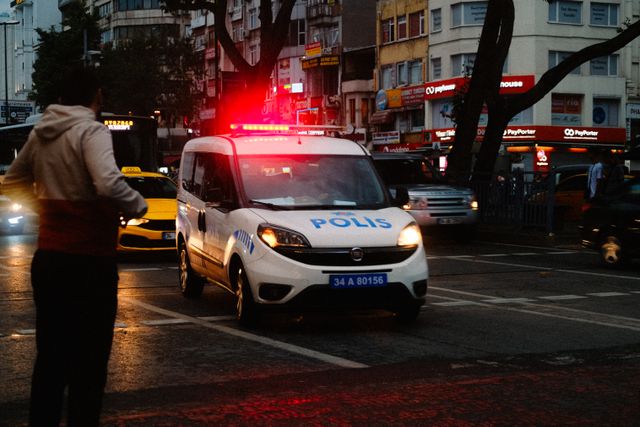

A city’s safety cannot be measured only by its crime statistics, the number of police stations it operates or the cameras installed across its streets. For women, safety after dark is often experienced as a sequence of everyday decisions: whether to walk to a bus stop, accept a late work shift, travel home after college, use an unfamiliar road or wait alone for a vehicle. These decisions influence access to education, employment, healthcare, recreation and independent living. When women have to restrict their movements because public spaces feel unsafe, the consequences extend beyond personal inconvenience to equality, economic participation and the right to use a city freely.
In India, women’s safety is frequently discussed through the lens of criminal law and policing. These are essential components, but they cannot address every vulnerability created by poorly maintained streets, isolated bus stops, unreliable transport services and long emergency-response times. A woman may reach a well-secured metro station safely but still face an unlit walk to her home. A bus may have surveillance cameras while its final stop leaves passengers far from a safe pedestrian route. A police helpline may be available around the clock, yet its value depends on whether calls are answered, incidents are assessed correctly and assistance arrives when needed.
Women’s safety after dark must therefore be treated as a connected urban system. Street design should reduce opportunities for harassment and make help accessible. Public transport should provide safe and predictable journeys from departure to destination. Police and emergency services should respond quickly, investigate professionally and maintain public confidence. These systems work best when they are planned, funded and evaluated together rather than treated as separate responsibilities.
Why the Urban Environment Shapes Women’s Safety
The physical design of a neighbourhood affects how visible, accessible and comfortable public spaces feel. Poor lighting, broken pavements, obstructed pathways, vacant plots, abandoned buildings and isolated underpasses can make ordinary journeys more difficult. These conditions may increase opportunities for misconduct, but they also reduce a person’s ability to see potential hazards, identify available assistance or leave an uncomfortable situation.
Research supports the importance of the built environment in shaping women’s perceptions of safety. A 2025 review published in the journal Cities examined research on women’s safety in public spaces and public transport and highlighted the role of lighting, pedestrian conditions, social cohesion and community trust. The review also emphasised that safety experiences differ according to personal circumstances and the surrounding environment.
A well-designed street should offer more than illumination. Continuous footpaths, safe road crossings, clear sightlines, accessible public toilets and maintained public spaces help people travel without unnecessary exposure to traffic or isolated areas. Street vendors, open shops, staffed facilities and other legitimate activity can contribute to a sense that a place is occupied and help is available. However, simply increasing activity is not enough; poorly managed crowds, inadequate lighting and unregulated transport access can introduce additional risks.
Urban planning must also recognise that the same location can feel different at different times. A commercial street may be busy during the day but almost empty after shops close. A university area may have substantial pedestrian movement during classes but limited activity late at night. Safety assessments should therefore consider the actual hours when people travel, work and return home, rather than relying exclusively on daytime inspections.
Street Lighting Must Be Reliable, Targeted and Maintained
Street lighting is one of the most visible elements of a safer urban environment, but the presence of lamp posts does not guarantee effective illumination. Lights may be broken, blocked by tree branches, poorly positioned or too widely spaced to illuminate pavements and crossing points. A brightly lit road can still have dark entrances, bus shelters or side lanes where pedestrians feel exposed.
Local authorities should conduct night-time lighting audits with women who regularly use the area. These audits can identify gaps that may not be apparent from daytime inspections or infrastructure maps. Lighting plans should cover walking routes, bus stops, station entrances, parking areas, public toilets, pedestrian crossings and connections between residential neighbourhoods and major transport hubs.
Maintenance is as important as installation. Municipal bodies need clear responsibility for reporting failed lights, repairing them within defined periods and verifying that repairs have been completed. A digital complaint system can help residents report outages, but it should be supported by telephone and in-person channels for people who cannot easily use online services. Public dashboards showing repair status can make it easier to identify recurring failures and neglected areas.
Lighting should also be designed responsibly. Glare, deep shadows and poorly directed fixtures can reduce visibility rather than improve it. Decisions should consider pedestrian-level illumination and the needs of people with visual impairments, while minimising unnecessary light pollution and energy consumption.
Most importantly, lighting should not be treated as a guarantee against violence. It can improve visibility and usability, but it cannot prevent every form of harassment or replace policing, social accountability and effective transport services. It is one component of a wider safety strategy.
Designing Streets That Encourage Safe Movement
Women’s safety depends partly on whether they can move through public spaces without encountering unnecessary physical barriers. Broken footpaths, open drains, encroached pavements and roads without safe crossings can force pedestrians into traffic or unfamiliar routes. For women carrying children, older women, people with disabilities and those returning from work with bags or equipment, these barriers can make night-time travel particularly difficult.
Inclusive street design should prioritise continuous pedestrian paths, accessible ramps, safe crossings and clear connections between homes, workplaces and transport stops. Underpasses and footbridges should be evaluated according to whether people can reach and use them comfortably, rather than assuming that every grade-separated crossing is automatically safer than a street-level crossing.
The design of public spaces also matters. Dense vegetation, poorly maintained vacant plots and walls that obstruct visibility may create concealed areas. Regular maintenance, appropriate landscaping and clear sightlines can make routes easier to navigate. Public toilets, staffed facilities and safe waiting areas should be positioned where people can reach them without taking long detours through isolated spaces.
Women should be involved directly in planning and evaluating these improvements. A street that appears safe to a planner during a daytime inspection may feel entirely different to a woman who uses it after a late shift. Community safety audits, interviews with night-shift workers and consultations with students can reveal practical problems that engineering plans alone may overlook.
Public Transport Safety Must Cover the Entire Journey
Public transport is central to women’s mobility, particularly for people who cannot afford private vehicles or who depend on buses, metro services, suburban trains, shared transport and walking. Yet safety concerns can influence which routes women choose, when they travel and whether they accept educational or employment opportunities that require late journeys.
The World Bank’s work on gender-inclusive public transport and public spaces in India highlights the importance of designing transport systems around women’s actual travel needs. Its work draws attention to the relationship between safety, affordability, accessibility and women’s ability to participate in economic and social life.
A safe transport journey begins before a passenger boards a vehicle. Women need accessible, illuminated waiting areas, dependable schedules and clear information about service disruptions. Long and unpredictable waiting times can leave passengers isolated, particularly when fewer people remain on the street. Transport authorities should therefore assess night-time service frequency alongside passenger demand and provide reliable alternatives when regular services end.
Inside buses and trains, staff training, functioning emergency communication systems, clear complaint procedures and appropriately managed surveillance can support passenger safety. Drivers and conductors should understand how to respond to harassment, threats and medical emergencies. Emergency controls must be easy to locate, connected to a monitored response system and tested regularly. Installing a button that does not generate a timely response provides little meaningful protection.
The final stretch of a journey deserves equal attention. A passenger may leave a secure station only to encounter an unlit road, an isolated auto-rickshaw stand or a footpath blocked by construction. Transport planning should coordinate station entrances, bus stops, pedestrian routes, authorised pick-up points, street lighting and police patrols. Safety must extend from the starting point to the destination, not stop at the boundary of a transport facility.
Making Night-Time Transport More Predictable
Predictability is an important part of safety because uncertainty can leave passengers waiting in unfamiliar places or force them to accept unsuitable alternatives. Transport agencies should publish accurate service timings, communicate cancellations promptly and provide reliable information about last departures. Where demand exists, late-night services should connect major employment areas, hospitals, educational institutions, commercial centres and residential neighbourhoods.
Vehicle tracking can help transport control rooms monitor authorised services and investigate reported incidents. Verified driver identification, vehicle registration checks and accessible complaint mechanisms can strengthen accountability in taxis and other passenger services. However, tracking technology must be governed by appropriate privacy safeguards, and its presence should not create a false impression that every journey is continuously monitored by a human operator.
Employers also have a role, particularly when workers finish shifts late at night or before public transport begins operating. Hospitals, hotels, call centres, factories and other organisations with night-time staffing should assess the safety of employee transport arrangements, pick-up points and drop-off procedures. Where transport is provided, employers should establish clear escalation processes for delays, route deviations and reported misconduct.
Affordable options are equally important. If safe transport is available only at a high cost, women with limited incomes may be forced to choose between financial pressure and a less secure journey. Coordinated public transport, well-regulated intermediate transport and safe walking infrastructure can help make mobility both accessible and dependable.
Online Internship with Certificate
You may be interested
Why Do Heavy Rains Disrupt Transport Beyond the Monsoon Season?
Anshika Jain - Oct 23, 2026Heavy rainfall is often associated with India's monsoon season, when roads become waterlogged, railway services face delays and flights are diverted or cancelled. However, transport disruption is…

Paper Leaks and Accountability: Competitive Examinations More Trustworthy?
Anshika Jain - Oct 23, 2026Competitive examinations are among the most consequential gateways to education and employment in India. Examinations such as NEET, JEE, CUET, UGC-NET, UPSC and various government recruitment tests…

AI in Examinations: Institutions Detect Cheating Without Accusing Students?
Anshika Jain - Oct 23, 2026Artificial intelligence is changing how universities conduct examinations, evaluate student performance, and protect academic integrity. Online proctoring systems can monitor examination sessions, detect unusual activity, compare submitted…
Most from this category


Missing Children and Delayed Investigations: Inter-State Police Coordination Improve?
Anshika Jain - Oct 23, 2026
When a Case Is Solved Years Later: How Forensic Advances Can Reopen Cold Investigations
Anshika Jain - Oct 22, 2026

Medical Intern Stipend Protests: India’s Healthcare Training System
Anshika Jain - Oct 23, 2026Missing Children and Delayed Investigations: Inter-State Police Coordination Improve?
Anshika Jain - Oct 23, 2026When a Case Is Solved Years Later: How Forensic Advances Can Reopen Cold Investigations
Anshika Jain - Oct 22, 2026