Voter-List Revision in Delhi: Electoral Accuracy Be Balanced With Citizens’ Right to Vote?

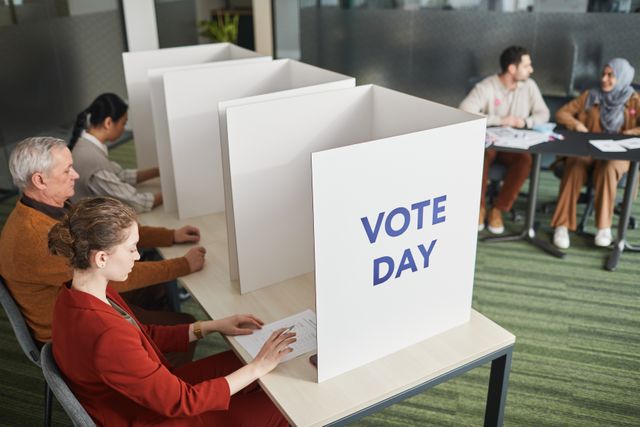

An accurate voter list is one of the foundations of a credible democratic election. It ensures that eligible citizens can exercise their voting rights, prevents duplicate registrations, and helps election authorities organise polling efficiently. However, maintaining an accurate electoral roll is not simply an administrative exercise. It directly affects the relationship between citizens and democratic institutions because an error in the voter list can prevent an eligible person from participating in an election.
Voter-list revision in Delhi brings this issue into focus. As the national capital experiences population movement, urban redevelopment, migration, changes in residential addresses, and the expansion of new housing areas, maintaining updated electoral records becomes increasingly complex. People move between neighbourhoods, families change addresses, young citizens become eligible to vote, and some registered voters may relocate without updating their details. Election authorities must account for these changes while ensuring that no eligible citizen is unfairly excluded.
The challenge becomes particularly important when electoral authorities conduct intensive verification or large-scale revision exercises. Such processes may help identify duplicate entries, incorrect addresses, deceased voters, and other inconsistencies. At the same time, concerns can arise about documentation requirements, verification procedures, notices, deadlines, and the possibility of genuine voters being removed from the rolls.
The central question is therefore not whether electoral rolls should be revised. Regular revision is necessary for accurate elections. The more important question is how authorities can improve the reliability of voter lists without creating unnecessary barriers to citizens’ constitutional right to vote. A fair system must combine accurate records, transparent procedures, accessible verification, and effective opportunities for correction and appeal.
Understanding Voter-List Revision in Delhi
Voter-list revision refers to the process through which election authorities update and verify electoral rolls. In India, the Election Commission of India supervises the preparation and revision of electoral rolls under the constitutional and statutory framework governing elections. Electoral registration officers and other designated officials carry out the relevant administrative responsibilities.
The revision process generally involves adding eligible citizens who are not registered, correcting inaccurate personal details, transferring registrations when voters change their residential addresses, and removing entries that are no longer legally valid. These updates help ensure that the electoral roll reflects the eligible electorate of a particular constituency.
In Delhi, the process involves the coordination of election authorities across the National Capital Territory’s assembly constituencies. The city’s population is highly mobile, with residents frequently moving for employment, education, housing, and family reasons. This creates a continuing requirement for address updates and accurate constituency-level records.
The challenge is especially significant in areas experiencing rapid redevelopment, rental housing expansion, and population turnover. A voter may remain eligible but find that their registration still reflects an old address. Another person may move into a new neighbourhood without completing the necessary transfer process. If such records are not updated correctly, voters may encounter difficulties locating their names on the appropriate electoral roll.
A well-managed revision exercise should address these administrative changes while making it straightforward for eligible citizens to remain registered and participate in elections.
Why Electoral Rolls Need Regular Revision
Preventing Duplicate and Incorrect Entries
One of the main purposes of electoral revision is to improve the accuracy of voter records. Duplicate entries may occur when individuals register in more than one constituency or fail to update their registration after moving. Incorrect personal details, outdated addresses, and records of deceased individuals can also affect the quality of electoral rolls.
Maintaining reliable records helps election authorities prepare more accurate polling arrangements and reduces administrative confusion. It also strengthens public confidence by demonstrating that voter registration is based on verified and updated information.
However, identifying a potentially duplicate or outdated entry requires careful verification. Similar names, spelling differences, changes in age records, and incomplete addresses can create false matches. Authorities should not assume that two entries belong to the same person simply because some personal details appear similar. Every proposed deletion must follow the prescribed legal procedure.
Registering Newly Eligible Voters
India’s electoral system allows eligible citizens to register once they reach the age of 18, subject to the applicable registration requirements. Delhi has a large population of students, young professionals, and first-time voters who may become eligible between election cycles.
Regular revision provides an opportunity to include these new voters. It also helps ensure that young citizens who have recently moved to Delhi for education or employment can register in the constituency where they ordinarily reside, subject to electoral registration rules.
The process should be accessible to people who may not be familiar with election procedures. Clear instructions, online registration facilities, local assistance, and awareness campaigns can help reduce the number of eligible citizens who remain outside the electoral roll simply because they do not understand how to register.
Updating Residential Information
Residential mobility is a defining feature of a large metropolitan region. People move between Delhi’s neighbourhoods because of employment, education, rental arrangements, family changes, and redevelopment projects. Some may move within the same assembly constituency, while others may relocate to a different constituency.
If these changes are not reflected in electoral records, voters may face difficulties during elections. They may discover that their names remain associated with an old polling location or that their registration needs to be transferred.
Revision exercises should therefore make address changes simple and accessible. Digital facilities can reduce paperwork, but citizens who lack reliable internet access or digital literacy must also have practical offline options.
Voter List
An accurate voter list is one of the foundations of a credible democracy. It ensures that eligible citizens can exercise their voting rights, prevents duplicate registrations, and helps election authorities organise polling efficiently. However, maintaining an accurate electoral roll is not simply an administrative exercise. An error in the voter list can have a direct consequence: an eligible citizen may be unable to participate in an election.
Delhi’s 2026 Special Intensive Revision (SIR) of electoral rolls has brought this issue into sharp focus. The exercise is intended to verify voter records, identify outdated or duplicate entries, and ensure that the electoral roll reflects eligible residents. At the same time, the scale of the revision has raised important questions about documentation, verification, notices, deadlines, and the possibility of genuine voters being left out.
According to figures released by the Delhi Chief Electoral Officer’s office, approximately 1.45 crore electors were registered before the revision began. The draft electoral roll published on August 31 contained around 97.53 lakh names, while more than 33 lakh electors were issued notices over mapping-related issues and logical discrepancies. These figures represent different stages of the revision process and should not be interpreted as a final count of eligible voters removed from the electoral roll.
IANS News+1
The Election Commission has also revised the schedule to provide additional time for claims, objections, and verification. Under the latest reported schedule announced on October 29, 2026, the deadline for filing claims and objections in Delhi has been extended to November 25, the notice and verification process will continue until December 15, and the final electoral roll is scheduled for publication on December 22.
The central challenge is therefore not whether voter lists should be revised. Regular verification is necessary for electoral accuracy. The more important question is how authorities can identify genuine errors without creating unnecessary barriers to citizens’ right to vote. A fair revision process must combine accurate records, transparent procedures, accessible verification, and meaningful opportunities for correction and appeal.
Understanding Delhi’s Special Intensive Revision of Electoral Rolls
Voter-list revision is the process through which election authorities update and verify electoral records. It includes registering newly eligible citizens, correcting personal information, transferring voter registrations after residential changes, and removing entries that are no longer legally valid.
In India, the Election Commission of India supervises electoral-roll preparation and revision under the constitutional and statutory framework governing elections. The Registration of Electors Rules, 1960, and the Representation of the People Act, 1950, provide the legal framework for registration and related procedures. Electoral Registration Officers and other designated officials carry out the administrative responsibilities.
The 2026 Special Intensive Revision in Delhi involves house-to-house enumeration, verification of existing records, publication of draft electoral rolls, and a period during which citizens can submit claims and objections. Booth Level Officers (BLOs) play an important role in collecting information and checking voter details at the local level.
The exercise has particular importance in Delhi because the city experiences considerable population movement. Residents frequently change addresses for employment, education, housing, and family reasons. Some people move within the same assembly constituency, while others relocate to another part of the National Capital Territory. These changes can create discrepancies when voter records are not updated.
An intensive revision is intended to examine such inconsistencies more systematically. However, the accuracy of the final list depends on how carefully officials distinguish between a genuinely invalid entry and a valid voter whose information is incomplete, outdated, or temporarily difficult to verify.
Why Electoral Rolls Need Regular Revision
Preventing Duplicate and Incorrect Entries
One of the main purposes of electoral revision is to improve the reliability of voter records. Duplicate registrations can occur when individuals move between constituencies without updating their details or fail to remove an earlier registration after enrolling at a new address. Incorrect personal information and records of deceased individuals can also affect the quality of electoral rolls.
Accurate records help election authorities prepare polling arrangements and reduce administrative confusion. They also strengthen public confidence by demonstrating that voter registration is based on verified information.
However, identifying a potentially duplicate entry requires careful examination. Similar names, spelling differences, variations in age records, and incomplete addresses can create false matches. Authorities should not assume that two entries belong to the same person simply because some details appear similar. Any proposed deletion must follow the prescribed legal procedure.
Registering Newly Eligible Voters
India’s electoral system allows eligible citizens to register when they reach the age of 18, subject to applicable registration requirements. Delhi has a substantial population of students, young professionals, and first-time voters who become eligible between election cycles.
Regular revision provides an opportunity to include these new voters. It also helps young citizens who have recently moved to Delhi for education or employment register in the constituency where they ordinarily reside, subject to electoral registration rules.
The process must be accessible to people who may not understand election procedures. Clear instructions, online registration facilities, local assistance, and awareness campaigns can reduce the number of eligible citizens who remain outside the electoral roll simply because they do not know how to register.
Updating Residential Information
Residential mobility is a defining feature of a metropolitan region. People move between Delhi’s neighbourhoods because of employment, education, rental arrangements, family changes, and redevelopment projects. If these changes are not reflected in electoral records, voters may encounter difficulties locating their names or identifying the correct polling station.
A well-designed revision system should make address changes straightforward. Digital services can reduce paperwork and processing time, but citizens without reliable internet access or digital literacy must also have practical offline options. The objective should be to update a genuine voter’s registration, not unintentionally interrupt it.
The Scale of Delhi’s 2026 Voter-List Revision
The current revision has attracted attention because of the large number of records requiring additional verification. Before the exercise began, Delhi had approximately 1.45 crore registered electors. The draft electoral roll published on August 31, 2026, included 97,53,577 names. The remaining records were placed in categories requiring further attention, including cases involving voters who could not be mapped to earlier electoral records or whose enumeration forms contained logical discrepancies.
The distinction between a draft roll and a final electoral roll is essential. A name not appearing in the draft list does not automatically establish that the person is ineligible to vote. It may indicate that an enumeration form was not collected, an address could not be verified, a mapping issue was identified, or additional information is required. These cases must be examined through the prescribed claims, objections, and verification process.
Reports have also highlighted the scale of the rechecking exercise. The Delhi Chief Electoral Officer announced that approximately 47.5 lakh entries classified as uncollectible during the enumeration stage would undergo further verification, with around 15,000 Booth Level Officers involved in revisiting households and assisting eligible voters with re-enrolment where necessary.
This second layer of verification is significant because it recognises that an unsuccessful household visit or incomplete form should not automatically be treated as proof that a citizen is no longer eligible. People may be temporarily absent, working outside their residential area, living in rented accommodation, or staying with relatives when officials visit.
The Election Commission has also organised special enrolment camps to assist young voters and groups that may face difficulties accessing registration services. According to the Delhi CEO’s October 28 update, special arrangements included camps at polling stations and educational institutions, as well as outreach to homeless people, transgender persons, sex workers, and residents affected by displacement or demolition.
These measures demonstrate why voter-list revision needs to be evaluated through both its verification results and its ability to reach people who are difficult to contact through conventional administrative methods.
Balancing Electoral Accuracy With Citizens’ Right to Vote
Accuracy Must Not Become a Barrier to Inclusion
Electoral accuracy and voter inclusion are not opposing objectives. A reliable voter list must exclude entries that are legally invalid while ensuring that every eligible citizen has a fair opportunity to register. Problems arise when the verification process places excessive emphasis on removing uncertain records instead of resolving uncertainty through further investigation.
For example, a voter who has moved to a different neighbourhood may not be available at the address recorded in the electoral database. This does not necessarily mean that the person has permanently shifted outside the constituency or lost eligibility. Similarly, a citizen who cannot immediately provide a particular document may still be eligible under the applicable registration rules.
The correct approach is to distinguish between an administrative discrepancy and a legal reason for deletion. Missing information, spelling differences, an uncollected form, or an unsuccessful verification visit should trigger further checks rather than an automatic conclusion that the individual is ineligible.
This principle is especially important in a city where employment patterns, temporary accommodation, rental housing, and population mobility make residential records difficult to maintain continuously.
Due Process Before Deletion
The procedure followed before deleting a voter’s name is one of the most important safeguards in electoral administration. The Election Commission’s published guidance states that proposed deletions must follow prescribed procedures, including field verification and an opportunity for the concerned elector to respond, except in specified circumstances such as properly verified registered deaths.
For cases involving shifting or unregistered deaths, the Commission’s guidance describes requirements for verification, supporting records, and prescribed forms. It also states that a voter’s name should not be deleted without the required enquiry and procedural safeguards.
A notice should clearly explain why a voter’s entry requires examination, what information or documents are being requested, where the person must respond, and the deadline for doing so. Notices should reach citizens through reliable channels, with sufficient time to respond. Merely uploading information to a website may not be enough for people who lack internet access or do not regularly check official portals.
A meaningful hearing must also allow the voter to explain the circumstances behind an apparent discrepancy. If a person is temporarily away for work, living in rented accommodation, or unable to attend a particular verification appointment, the authorities should consider the available evidence before reaching a decision.
Documentation Requirements Must Remain Proportionate
Documentation is necessary for establishing identity, age, and ordinary residence, but the process must remain consistent with the legal requirements for electoral registration. Excessively complicated documentation procedures can disproportionately affect people who have limited access to formal records.
Migrant workers, tenants, homeless citizens, informal-sector workers, and people displaced by redevelopment may face difficulties maintaining conventional address documentation. A person may be eligible to register even if their housing circumstances do not resemble those of a permanent property owner.
The verification system should therefore provide clear guidance about acceptable documents and applicable alternatives. Officials must distinguish between evidence required by law and additional documents that may be convenient for administrative verification but are not necessarily compulsory in every case.
The objective should be to establish eligibility fairly, not to make registration dependent on a narrow understanding of residential stability.
What the Current Process Means for Delhi’s Residents
Why Citizens Should Check the Draft Electoral Roll
The publication of a draft electoral roll gives citizens an opportunity to check whether their names and personal details have been recorded correctly. Voters should not assume that an earlier voter ID card or registration guarantees that every detail in the latest roll is accurate.
The Chief Electoral Officer, Delhi, provides online facilities for searching electoral records through an EPIC number, name, or mobile number. The official portal also provides information about the Special Intensive Revision, claims and objections, and lists of relevant notices and records.
Citizens whose names are missing should use the prescribed process to seek inclusion rather than assuming that the omission is final. Similarly, voters who have moved should apply for the appropriate address transfer or correction instead of creating a duplicate registration.
Understanding the Relevant Electoral Forms
The Election Commission uses designated forms for different registration requirements. Form 6 is used for the inclusion of a new elector, while Form 7 is used for objections to proposed inclusions or requests for deletion under the applicable rules. Form 8 is used for shifting residence, correction of electoral-roll particulars, and certain other updates. Form 6A is provided for eligible overseas Indian electors.
The correct form depends on the nature of the request. A person whose name is missing from the draft roll should not automatically use the same procedure as someone who is already registered but has changed their address. Citizens should consult the official Delhi CEO website or the relevant electoral registration office to confirm the current requirements and supporting declarations.
Under the latest reported schedule as of October 30, 2026, the claims and objections deadline has been extended to November 25. The notice and verification process is scheduled to continue until December 15, with final publication of the electoral roll planned for December 22. These dates should be checked against subsequent official announcements because the Election Commission may revise the timetable if required.
The Challenges Faced by Vulnerable and Mobile Communities
Migrant Workers and Tenants
Delhi attracts workers from different parts of India who move to the capital for employment, education, and economic opportunities. Many live in rented accommodation, shared rooms, temporary settlements, or locations where residential arrangements change frequently.
These circumstances can create difficulties during household verification. A worker may be away during the day, may have recently changed accommodation, or may not have updated their voter registration after moving. If verification relies too heavily on a single household visit, eligible voters could be incorrectly classified as absent or permanently shifted.
A more inclusive approach would combine repeated verification visits with accessible online and offline registration facilities. Authorities could also coordinate with local administrative institutions to improve awareness among migrant communities. Most importantly, temporary absence should not be treated as conclusive evidence of ineligibility.
Homeless Citizens and People in Informal Settlements
People without conventional housing arrangements face additional barriers because electoral registration depends partly on establishing ordinary residence. Homeless citizens and people living in shelters or informal settlements may not possess the same address documents as residents of permanent homes.
Delhi’s special enrolment camps for homeless people and residents affected by displacement are therefore an important part of the revision exercise. However, such outreach should be continuous rather than limited to a few scheduled events. Shelter homes, community organisations, local authorities, and election officials can help identify eligible residents and guide them through the registration process.
Urban redevelopment also requires careful handling. When settlements are demolished or residents are relocated, their electoral records should not simply become administrative uncertainties. Authorities need mechanisms that help displaced citizens update their registration without losing access to the electoral system.
Women, Elderly Citizens, and Persons With Disabilities
Some groups may face difficulties because of changes in family circumstances, limited mobility, dependence on caregivers, or restricted access to digital services. Women who move after marriage, elderly residents who require assistance, and persons with disabilities may need additional support during verification and correction procedures.
Accessible voter services should include assistance at local centres, clear communication in relevant languages, reasonable opportunities to respond to notices, and arrangements for people who cannot easily visit government offices. Digital registration is useful, but it should complement rather than replace physical assistance.
A genuinely inclusive revision process must recognise that administrative convenience cannot be the only measure of efficiency. The system must also be accessible to citizens whose circumstances make conventional verification more difficult.
How Technology Can Improve Electoral Accuracy
Technology can help election authorities identify inconsistencies, reduce duplication, and manage large electoral databases. Digital records can make it easier to compare information across constituencies, process address changes, and track the status of registration applications.
Data-matching systems can flag potentially duplicate entries by examining names, dates of birth, addresses, and other available information. However, these systems should be used to identify cases requiring human review rather than automatically determine that a voter must be removed. Similar names, spelling variations, and incomplete records can generate false matches, particularly in a diverse population.
Geospatial tools can also help authorities understand population movement and identify areas where electoral records may need updating. When combined with local verification, these tools could improve the management of newly developed residential areas, relocated communities, and neighbourhoods with high tenant turnover.
Artificial intelligence could eventually support document classification, identify inconsistent records, and help prioritise cases requiring further examination. Nevertheless, election-related technology must operate under strict safeguards. Automated systems should not make final decisions about voter eligibility or deletion without a transparent process, human oversight, and an opportunity for the affected citizen to challenge an error.
Data privacy is equally important. Electoral databases contain personal information that must be protected against unauthorised access, misuse, and unnecessary disclosure. The use of technology should strengthen democratic administration without creating new risks for citizens.
Transparency, Political Accountability, and Public Trust
The credibility of voter-list revision depends not only on the accuracy of the final records but also on whether the public considers the process fair. Political parties, civil society organisations, election observers, and ordinary citizens all have a legitimate interest in understanding how electoral rolls are prepared and corrected.
The Election Commission’s procedures provide for the involvement of Booth Level Agents nominated by recognised political parties at relevant stages of electoral-roll revision. Such participation can help identify discrepancies and improve scrutiny. The publication of draft rolls and the availability of claims and objections also allow citizens and political representatives to raise concerns.
Transparency requires more than publishing large datasets. Authorities should explain the reasons behind proposed deletions, provide clear information about the number of cases resolved, and communicate how objections have been handled. Aggregate data should be presented in a way that allows public scrutiny without exposing sensitive personal information.
Independent review and regular reporting can further strengthen confidence. If a large number of records are flagged in a particular area, authorities should be able to explain whether the pattern reflects population movement, incomplete enumeration, or a technical issue. This would help distinguish genuine administrative problems from allegations that require further investigation.
Public trust is strengthened when election authorities demonstrate that they are equally committed to removing invalid entries and protecting eligible voters. A transparent process makes it easier to identify errors early and correct them before the final electoral roll is published.
Building a Fairer and More Reliable Electoral Registration System
Delhi’s revision exercise highlights the need for a voter-registration system that works continuously rather than relying heavily on large verification campaigns every few years. Citizens should be able to update their addresses, correct personal details, and register after becoming eligible through simple procedures throughout the year, subject to applicable electoral rules.
Local election offices need adequate staffing, training, and digital infrastructure to handle applications efficiently. Booth Level Officers should receive clear instructions on how to verify complex cases, particularly those involving migration, temporary absence, and informal housing. Their workload must also be realistic because rushed verification can increase the possibility of mistakes.
The notice process should be designed around effective communication. Citizens need to know why their records have been flagged, how they can respond, what documents are acceptable, and where they can obtain assistance. Multiple communication channels, including physical notices, SMS where available, online portals, and local help centres, can reduce the risk of missed deadlines.
There should also be a clear and accessible grievance-redressal mechanism. Citizens who disagree with an electoral registration decision must know where to appeal and how their cases will be reviewed. The Election Commission’s published guidance provides for appeals against decisions of Electoral Registration Officers through the designated appellate authorities, with further appeal mechanisms under the applicable procedure.
Ultimately, the performance of the system should be measured through more than the number of records removed or corrected. It should also be assessed by how many eligible voters were successfully registered, how quickly genuine errors were resolved, how many notices were effectively served, and whether vulnerable communities could participate without disproportionate difficulty.
Conclusion
Delhi’s 2026 voter-list revision highlights a fundamental democratic challenge: electoral rolls must be accurate, but accuracy cannot come at the cost of excluding eligible citizens. Identifying duplicate entries, updating addresses, removing legally invalid records, and registering new voters are necessary responsibilities of election authorities. However, every verification exercise must recognise that an administrative discrepancy is not automatically proof of ineligibility.
The large number of records requiring additional examination makes transparency, due process, and accessible correction mechanisms especially important. Repeated field verification, clear notices, reasonable documentation requirements, public scrutiny, and effective appeals can help prevent genuine voters from being unfairly excluded.
Technology can improve the speed and consistency of electoral administration, but human review and legal safeguards must remain central to decisions affecting voting eligibility. Particular attention is also needed for migrant workers, tenants, homeless citizens, elderly residents, persons with disabilities, and communities affected by displacement.
A credible electoral system must achieve two objectives simultaneously: prevent ineligible or duplicate entries and protect every eligible citizen’s opportunity to vote. The strength of Delhi’s revision process will ultimately depend not only on how accurately it cleans the electoral roll, but also on how fairly it preserves the democratic participation of the people whose names belong on it.
Online Internship with Certificate
You may be interested

Overtourism and Mountain Infrastructure: India’s Tourist Destinations
Anshika Jain - Oct 30, 2026India's mountain destinations attract millions of visitors every year because of their scenic landscapes, pleasant climate, cultural heritage, adventure opportunities, and spiritual significance. Places such as Shimla,…

Can Digital Platforms Be Held Accountable for Addictive Design
Anshika Jain - Oct 30, 2026Digital platforms have transformed how people communicate, learn, shop, work, and consume entertainment. Social media applications, video-sharing services, online games, and content-streaming platforms provide instant access to…

Protest Rights and Police Accountability: Independent Inquiry Establish
Anshika Jain - Oct 30, 2026Public demonstrations are an important part of democratic life. They allow citizens to express disagreement, demand government action, challenge policies, and draw attention to social, economic, and…
Most from this category
Delhi’s Poor Air Quality: Pollution Episodes Require More Than Emergency Restrictions?
Anshika Jain - Oct 30, 2026
Acid Sale Regulation in India: Why Is Enforcement Still a Major Public-Safety Question?
Anshika Jain - Oct 29, 2026
Census 2027 and Caste Enumeration: India’s Next Census Change About Public Policy?
Anshika Jain - Oct 29, 2026
Delhi’s Poor Air Quality: Pollution Episodes Require More Than Emergency Restrictions?
Anshika Jain - Oct 30, 2026Jio Platforms’ Market Debut: Its Listing Mean for India’s Telecom
Anshika Jain - Oct 30, 2026Acid Sale Regulation in India: Why Is Enforcement Still a Major Public-Safety Question?
Anshika Jain - Oct 29, 2026