Protest Rights and Police Accountability: Independent Inquiry Establish

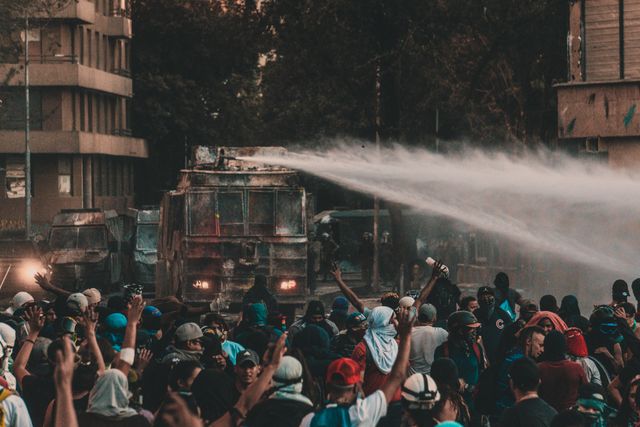

Public demonstrations are an important part of democratic life. They allow citizens to express disagreement, demand government action, challenge policies, and draw attention to social, economic, and political concerns. The right to assemble peacefully gives people a way to participate in public affairs beyond elections and formal political institutions. However, demonstrations can sometimes turn violent, resulting in injuries, property damage, arrests, and confrontations between protesters and law enforcement agencies. When this happens, the immediate public debate often centres on who started the violence, whether the police used excessive force, and whether demonstrators crossed legal boundaries.
These questions cannot always be answered through initial police statements, political reactions, viral videos, or eyewitness accounts alone. A violent demonstration may involve several incidents occurring at different locations and times, with different individuals playing different roles. Some participants may remain peaceful, others may engage in violence, and police personnel may have to respond to rapidly changing conditions. In such circumstances, an independent inquiry becomes essential for establishing an accurate account of events and determining whether public authorities acted lawfully and proportionately.
An effective inquiry must examine more than the immediate confrontation. It should investigate how the demonstration was organised, what intelligence and preparations were available, how police decisions were made, whether force was necessary, how arrests were conducted, and whether the rights of protesters and bystanders were protected. Its purpose should not be to defend one side or assign blame prematurely. It should establish the facts, identify individual and institutional responsibility, and recommend measures that prevent similar incidents.
Why Independent Investigations Matter After Violent Demonstrations
When a demonstration becomes violent, the police often become both a central participant in the incident and an institution responsible for investigating it. This creates a potential conflict of interest, particularly when allegations concern police misconduct, unlawful detention, excessive force, or failure to protect participants. Even when officers have acted appropriately, an investigation conducted without sufficient independence may struggle to establish public confidence.
An independent inquiry provides a mechanism through which evidence can be examined without allowing the interests of any directly involved institution to dominate the process. Independence does not automatically guarantee a fair outcome, but it reduces the risk of selective evidence collection, institutional defensiveness, and premature conclusions. The investigating body should have authority to obtain relevant records, question officials, examine physical evidence, and hear from affected individuals.
The need for independence becomes especially important when injuries or deaths occur, when allegations involve senior police officers, or when the handling of the demonstration raises questions about government instructions. An inquiry should be capable of examining the actions of protesters, police personnel, organisers, and public authorities under the same standards of evidence and accountability.
Establishing the Right to Protest and the Legal Context
The first responsibility of an inquiry should be to establish the legal framework within which the demonstration took place. In India, the right to assemble peacefully and without arms is protected under Article 19(1)(b) of the Constitution. The right is subject to reasonable restrictions under Article 19(3) in the interests of public order and the sovereignty and integrity of India. This means that peaceful assembly is constitutionally protected, but it does not provide unrestricted permission to obstruct public services, damage property, or engage in violence.
An inquiry must distinguish between the legality of a demonstration and the conduct of particular participants. A gathering should not automatically be treated as unlawful merely because some individuals within it engage in violence. Similarly, the presence of a lawful protest does not prevent authorities from taking action against individuals who commit specific offences. The investigation should establish whether restrictions, permissions, prohibitory orders, or other legal directions were in force and whether they were properly communicated.
It should also examine whether police instructions were consistent with applicable law and whether restrictions were necessary and proportionate to the circumstances. A broad order affecting an entire gathering may raise different legal questions from a targeted response to individuals committing violence. The inquiry should therefore assess the actual situation rather than rely exclusively on general descriptions such as an unlawful assembly or a violent protest.
Reconstructing the Sequence of Events
A reliable investigation must establish a detailed timeline of the demonstration. Public disorder rarely develops in a single moment. It may involve a peaceful gathering, disagreements over routes or access, arguments between groups, isolated acts of violence, police intervention, crowd movement, and further confrontations. Without reconstructing this sequence, investigators may incorrectly treat separate incidents as one continuous event.
The inquiry should identify when and where the demonstration began, how the crowd moved, when tensions first appeared, and what events immediately preceded the use of force. It should examine whether violence began at one location and spread to another, whether particular groups entered the gathering later, and whether there were opportunities to prevent escalation. The timing of police warnings, dispersal instructions, arrests, and physical interventions should also be established.
This reconstruction should use multiple independent sources of evidence. CCTV footage, police body-camera recordings where available, mobile phone videos, news footage, photographs, emergency-service records, traffic-camera data, and eyewitness testimony may help establish what happened. Investigators should compare timestamps, camera positions, and recording gaps rather than treating a single video as conclusive evidence. A short clip can reveal an important moment while concealing the events that occurred immediately before or after it.
The inquiry should also publish a clear account of what can be established, what remains disputed, and which conclusions are supported by corroborated evidence. This distinction is essential because uncertainty should not be presented as proof of guilt or innocence.
Examining Police Planning and Crowd Management
Police accountability begins before officers enter a confrontation. The inquiry should investigate whether authorities had adequate information about the expected size, location, purpose, and potential risks of the demonstration. It should examine whether organisers communicated with the police, whether routes and gathering points were agreed upon, and whether emergency arrangements were prepared.
Planning decisions can significantly influence how a demonstration develops. Insufficient deployment may leave officers unable to manage a large gathering safely, while an unnecessarily aggressive deployment can increase tension. Poorly communicated restrictions, sudden route changes, inadequate barricading, and unclear instructions may also contribute to confusion. The inquiry should determine whether these factors played a role in the escalation.
Training and operational readiness deserve particular attention. Officers responsible for public-order management should understand crowd behaviour, de-escalation, communication, and the legal limits on the use of force. The investigation should establish whether personnel were properly briefed, whether senior officers were present, and whether there was a clear chain of command. It should also examine whether officers had access to appropriate protective equipment and non-lethal crowd-control options where relevant.
If the police had received credible warnings about potential violence, the inquiry should determine how those warnings were assessed and acted upon. It should not assume that every intelligence failure proves negligence. Instead, investigators should establish what information was available at the time, who received it, and whether the response was reasonable given the circumstances.
Determining Whether Police Used Necessary and Proportionate Force
One of the most important questions after a demonstration turns violent is whether police force was legally justified. Officers may need to intervene to protect people, prevent serious injury, stop violence, or restore public order. However, the authority to use force does not remove the obligation to act within legal limits.
An independent inquiry should examine the reason for each significant use of force, the threat officers faced, the availability of alternatives, and the level of force applied. It should determine whether warnings were given where practicable, whether participants had a reasonable opportunity to comply with dispersal instructions, and whether force continued after the immediate threat had passed. The investigation should also assess whether vulnerable individuals, journalists, medical volunteers, children, and uninvolved bystanders were exposed to avoidable harm.
The inquiry should avoid treating the use of force as a single decision made by an entire police unit. Different officers may have acted differently, and separate incidents may require separate assessments. Commanders’ instructions, individual actions, and the circumstances facing officers on the ground should be examined independently.
Where injuries have occurred, medical records, injury photographs, forensic reports, and hospital documentation can help establish the nature and possible cause of harm. If weapons or crowd-control equipment were used, investigators should identify the equipment, its intended purpose, the manner in which it was deployed, and whether its use complied with applicable rules and training. A conclusion about excessive force should be based on evidence and the relevant legal standards, not simply on the fact that injuries occurred.
Investigating Arrests, Detention, and Due Process
An inquiry should examine whether arrests were based on identifiable evidence of individual wrongdoing or whether people were detained simply because they were present at the demonstration. The distinction is important because participation in a public gathering does not, by itself, establish criminal responsibility. Investigators should assess the legal grounds for each category of arrest, the evidence linking individuals to alleged offences, and whether the procedures required by law were followed.
The investigation should review arrest records, detention registers, police station records, notices, medical examinations, and statements made by detainees. It should establish whether arrested individuals were informed of the grounds for their arrest, whether they had access to legal assistance, and whether they were produced before the appropriate judicial authority within the legally prescribed period. Allegations of custodial violence, intimidation, denial of medical care, or coercion during questioning should be investigated separately and seriously.
The inquiry should also examine whether arrests were selective or discriminatory. If individuals were targeted because of their political views, community identity, profession, or participation in peaceful protest activity, the investigation should identify the evidence and determine whether unlawful discrimination occurred. At the same time, individuals accused of assault, arson, vandalism, or other offences should not be exempt from investigation merely because they were part of a protest movement.
Protecting Journalists, Medical Volunteers, and Bystanders
Violence during demonstrations rarely affects only protesters and police officers. Journalists, photographers, medical volunteers, local residents, shopkeepers, commuters, and other bystanders may become caught in confrontations. An independent inquiry should therefore examine the wider impact of the incident and determine whether authorities took reasonable steps to protect people who were not involved in the violence.
Journalists and independent observers play an important role in documenting public events. Their recordings can provide evidence that might otherwise be unavailable, particularly when official accounts and eyewitness descriptions differ. Investigators should establish whether media workers were prevented from reporting, threatened, assaulted, or had their equipment damaged or confiscated without lawful justification. They should also examine whether police restrictions were applied consistently and whether journalists were clearly distinguishable from participants where identification was available.
Medical volunteers and emergency responders require similar attention. The inquiry should determine whether injured people could access medical assistance without unnecessary delay and whether ambulances and emergency teams were able to reach affected locations. It should investigate allegations that injured protesters or police personnel were denied treatment, that medical facilities were obstructed, or that people were intimidated while seeking help. The protection of life and access to medical care should not depend on a person’s position in the dispute.
Preserving Digital Evidence and Examining Online Claims
Digital evidence has become central to investigations involving public demonstrations. Mobile phone recordings, CCTV footage, social media posts, messaging applications, livestreams, and digital photographs can help establish the sequence of events and identify individuals involved in specific incidents. However, digital material can also be edited, circulated without context, or presented with misleading descriptions.
An independent inquiry should establish a clear process for collecting, preserving, authenticating, and analysing digital evidence. Original files should be retained wherever possible, with metadata and timestamps examined to assess their reliability. Investigators should document how evidence was obtained, who handled it, and whether it was altered during transfer or analysis. Where recordings are incomplete or have been edited, the inquiry should make that limitation clear.
Online claims should not be treated as established facts simply because they have been widely shared. A video showing an officer striking an individual may be significant, but investigators must establish the surrounding circumstances, the identity of the officer, and whether the force was justified. Equally, footage showing a protester throwing an object should not be used to attribute violence to every person present.
The inquiry should also assess whether authorities used digital surveillance or communication restrictions in ways that affected lawful protest activity, journalism, or access to emergency information. Surveillance should have a lawful basis and appropriate safeguards. Evidence collection should not become a pretext for targeting people solely because they attended, observed, or reported on a demonstration. International human rights guidance stresses the importance of protecting assembly-related rights while ensuring accountability for violence and misuse of force.
Examining the Responsibility of Protest Organisers and Violent Individuals
Police accountability should not mean ignoring violence committed by demonstrators. An independent inquiry must investigate assaults, attacks on public servants, destruction of property, arson, intimidation, and other unlawful acts. It should identify individuals responsible through reliable evidence rather than making assumptions based on political affiliation, group membership, or presence at the scene.
The role of protest organisers should also be examined carefully. Investigators may need to establish whether organisers communicated safety instructions, cooperated with authorities, attempted to prevent violence, or encouraged unlawful activity. However, organisers should not automatically be held responsible for every action committed by someone attending a large gathering. Responsibility should depend on evidence of their own conduct, instructions, involvement, or legally relevant omissions.
Where multiple groups were present, the inquiry should distinguish between peaceful participants, individuals who committed specific offences, and people who attempted to de-escalate the situation. This approach prevents collective punishment and helps ensure that criminal responsibility is assigned to individuals on the basis of evidence. It also allows investigators to understand whether violence was spontaneous, organised, or encouraged by particular actors without assuming the answer in advance.
Identifying Institutional Failures and the Role of Senior Officials
An inquiry that focuses only on individuals at the scene may overlook the institutional decisions that contributed to the incident. Senior police officers, administrative authorities, and officials responsible for public-order planning may have influenced the conditions under which the confrontation developed. Their decisions should be examined alongside the conduct of officers and demonstrators.
The investigation should review command structures, written and verbal instructions, deployment plans, communication records, and any orders relating to the use of force. It should establish whether officers understood their responsibilities, whether instructions were lawful and clear, and whether supervisors monitored the situation effectively. If officers acted contrary to official instructions, the inquiry should identify that fact. If unlawful or unsafe practices originated from senior-level decisions, responsibility should not be limited to junior personnel.
Institutional accountability also requires examining whether complaints against police personnel were recorded and investigated properly. If earlier incidents revealed similar problems, investigators should determine whether authorities ignored warnings or failed to implement corrective measures. A pattern of excessive force, inadequate training, or poor crowd management may indicate a wider institutional problem rather than an isolated operational mistake.
Ensuring Independence, Transparency, and Credibility
The credibility of an inquiry depends not only on what it investigates but also on who conducts it and how its work is supervised. If the investigation is led entirely by officials whose department is directly implicated, affected communities may reasonably question its impartiality. An independent commission, judicially supervised investigation, or another legally appropriate mechanism may be necessary, depending on the seriousness and circumstances of the incident.
The inquiry should have access to relevant police records, government communications, medical documentation, forensic material, and witness statements. Its members should have suitable expertise in law, human rights, policing, forensic investigation, and public administration. They should disclose potential conflicts of interest and be protected from improper political or institutional pressure. Independence must be reflected in practical authority, not merely in the title given to the investigating body.
Transparency is equally important. The inquiry should explain its terms of reference, evidence-gathering process, and expected reporting timeline. It should provide reasonable opportunities for protesters, police personnel, injured people, witnesses, journalists, and affected residents to submit information. Witnesses should be protected against intimidation, and sensitive personal information should be handled carefully.
The final report should distinguish established facts from disputed claims and explain the reasoning behind its findings. Where evidence is insufficient to reach a conclusion, the report should say so rather than present speculation as fact. Recommendations should identify the authorities responsible for implementation and establish a process for monitoring whether corrective action is actually taken.
Compensation, Remedies, and Accountability for Victims
An inquiry should not end with identifying what went wrong. It should also consider the remedies available to people who suffered unlawful injury, wrongful detention, property damage, or other violations. Where evidence establishes that state officials acted unlawfully, the report should recommend appropriate legal and administrative action, along with access to remedies under the applicable law.
Compensation may be relevant where individuals have suffered injury, loss of life, unlawful detention, or damage attributable to unlawful conduct. However, compensation should not replace criminal investigation or disciplinary proceedings where those are warranted. Similarly, payment of compensation should not be treated as proof that every allegation has been resolved. Each form of accountability serves a different purpose: financial redress addresses harm, disciplinary action addresses professional misconduct, and criminal proceedings determine individual criminal liability under law.
Victims and witnesses should be informed about the progress of relevant proceedings and the available complaint mechanisms. Where injuries have caused long-term disability or financial hardship, authorities should consider whether additional support or rehabilitation is required. Accountability is meaningful only when people affected by the incident can access a fair process and obtain remedies where violations are established.
Turning Inquiry Findings Into Better Protest Management
The long-term value of an independent inquiry lies in its ability to prevent similar incidents. A report that identifies failures but produces no institutional changes offers limited protection to the public. Its recommendations should therefore address the operational, legal, and administrative weaknesses revealed by the investigation.
Police departments may need to improve crowd-management training, negotiation procedures, command accountability, evidence preservation, and the recording of force-related incidents. Clearer protocols for warnings, dispersal instructions, arrests, and medical assistance can reduce confusion during tense situations. Body-worn cameras and other recording systems may also strengthen accountability, provided their use is governed by transparent rules covering access, retention, privacy, and independent review.
Authorities should also improve communication with protest organisers before demonstrations take place. Clear information about routes, restrictions, emergency arrangements, and points of contact can help reduce misunderstandings. Where peaceful participants and violent individuals are present together, operational plans should prioritise distinguishing between them rather than treating the entire gathering as a single threat.
The Bureau of Police Research and Development’s guidance on crowd control and mass-gathering management provides an Indian institutional reference for the legal and operational challenges involved in managing assemblies. International guidance from the United Nations also emphasises necessity, proportionality, de-escalation, and investigation of deaths and significant injuries during protests. These principles can inform improvements while remaining subject to India’s constitutional and legal framework.
Conclusion: Accountability Must Protect Both Public Order and Democratic Rights
When a public demonstration turns violent, the challenge is not simply to determine which side was responsible for the confrontation. It is to establish exactly what happened, identify the individuals and institutions responsible for unlawful conduct, and understand whether the authorities fulfilled their duty to protect public safety and constitutional freedoms. An independent inquiry must therefore examine the conduct of protesters, police officers, commanders, organisers, and government authorities without assuming guilt or innocence in advance.
The right to peaceful assembly and the responsibility to maintain public order are not necessarily opposing objectives. Effective policing should allow people to express disagreement while responding lawfully to violence and protecting those who are not involved. This requires careful planning, communication, proportionate intervention, proper documentation, and meaningful oversight.
Ultimately, a credible inquiry should produce more than a timeline of clashes or a list of accused individuals. It should explain why the demonstration escalated, whether preventable failures contributed to the violence, whether force and arrests complied with the law, and what remedies are available to those affected. Its findings should lead to measurable changes in policing and public administration. In a democracy, accountability after a violent demonstration is not merely about assigning blame; it is about ensuring that public order is maintained without weakening the rights that make peaceful protest possible.
Online Internship with Certificate
You may be interested

Overtourism and Mountain Infrastructure: India’s Tourist Destinations
Anshika Jain - Oct 30, 2026India's mountain destinations attract millions of visitors every year because of their scenic landscapes, pleasant climate, cultural heritage, adventure opportunities, and spiritual significance. Places such as Shimla,…

Can Digital Platforms Be Held Accountable for Addictive Design
Anshika Jain - Oct 30, 2026Digital platforms have transformed how people communicate, learn, shop, work, and consume entertainment. Social media applications, video-sharing services, online games, and content-streaming platforms provide instant access to…
Voter-List Revision in Delhi: Electoral Accuracy Be Balanced With Citizens’ Right to Vote?
Anshika Jain - Oct 30, 2026An accurate voter list is one of the foundations of a credible democratic election. It ensures that eligible citizens can exercise their voting rights, prevents duplicate registrations,…
Most from this category
Delhi’s Poor Air Quality: Pollution Episodes Require More Than Emergency Restrictions?
Anshika Jain - Oct 30, 2026
Acid Sale Regulation in India: Why Is Enforcement Still a Major Public-Safety Question?
Anshika Jain - Oct 29, 2026
Census 2027 and Caste Enumeration: India’s Next Census Change About Public Policy?
Anshika Jain - Oct 29, 2026
Delhi’s Poor Air Quality: Pollution Episodes Require More Than Emergency Restrictions?
Anshika Jain - Oct 30, 2026Jio Platforms’ Market Debut: Its Listing Mean for India’s Telecom
Anshika Jain - Oct 30, 2026Acid Sale Regulation in India: Why Is Enforcement Still a Major Public-Safety Question?
Anshika Jain - Oct 29, 2026