

Global Semiconductor Race: India Become a More Important Chip Manufacturing Hub

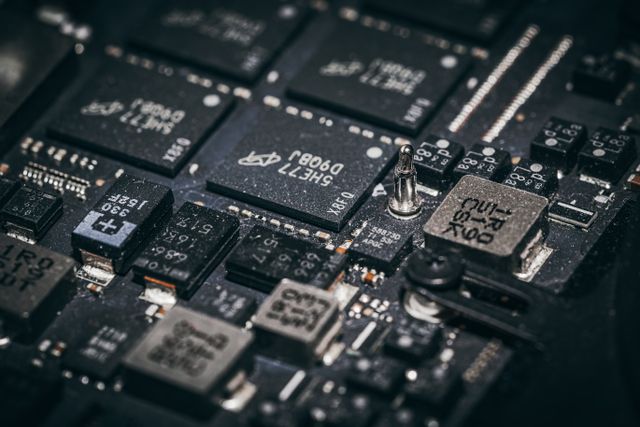

Semiconductors have become one of the most strategically important technologies in the modern economy. From smartphones and computers to electric vehicles, artificial intelligence systems, telecommunications networks, medical equipment and defence technologies, almost every advanced electronic product depends on semiconductor chips. As digital technologies become more deeply integrated into everyday life and industrial operations, the ability to design and manufacture chips is increasingly connected to economic competitiveness and national security.
The global semiconductor industry, however, is concentrated in a relatively small number of countries. Taiwan, South Korea, the United States, Japan, China and several European economies play important roles in chip design, fabrication, equipment manufacturing, materials and advanced packaging. This concentration has become a concern for governments and technology companies because geopolitical tensions, export restrictions, natural disasters and logistical disruptions can affect the availability of critical components.
India is attempting to become a more important participant in this global industry. The country already has a significant presence in semiconductor design and engineering services, but its ambitions now extend towards chip fabrication, assembly, testing, packaging, equipment and materials manufacturing. Government incentives and private-sector investments are creating the foundations of a domestic semiconductor ecosystem.
The question is whether India can move beyond its traditional role as a semiconductor design and engineering destination and become a competitive manufacturing hub. Recent developments suggest that progress is being made, particularly in chip assembly and packaging. However, building advanced fabrication capabilities, establishing reliable supply chains and competing with established semiconductor economies will require sustained investment, technological development and long-term industrial planning.
Understanding the Global Semiconductor Race
The semiconductor race is not simply a competition between countries to manufacture the largest number of chips. It involves control over several interconnected stages of the semiconductor value chain. These include chip architecture and design, semiconductor fabrication, wafer processing, assembly, testing, packaging, equipment manufacturing and the production of specialised chemicals and materials.
Each stage requires different capabilities. Chip design depends on engineering talent, electronic design automation software and intellectual property. Fabrication requires highly sophisticated production facilities, precision equipment, cleanrooms and extremely reliable supplies of chemicals and gases. Assembly and testing require specialised machinery, advanced packaging technologies and rigorous quality-control systems.
Countries have developed different strengths across these stages. The United States has a strong position in chip design, semiconductor equipment and intellectual property. Taiwan is particularly important for advanced foundry manufacturing, while South Korea has a major presence in memory chips and semiconductor production. Japan remains important in semiconductor materials and manufacturing equipment. China has expanded its domestic chip industry and continues to strengthen its capabilities across several segments.
This global structure means that semiconductor manufacturing is rarely an entirely domestic activity. A chip designed in one country may be fabricated in another, packaged in a third and incorporated into an electronic product manufactured somewhere else. India’s opportunity lies in becoming a reliable participant in this interconnected system rather than attempting to develop every capability independently from the beginning.
Why Semiconductor Manufacturing Has Become a Strategic Priority
The importance of semiconductors has increased because modern industries are becoming more dependent on computing power, automation and connected electronic systems. Artificial intelligence, cloud computing, data centres, electric vehicles, industrial robotics and advanced telecommunications require increasingly specialised chips.
The rapid growth of artificial intelligence is particularly significant. AI data centres depend on high-performance processors, graphics processing units, memory chips, networking components and power-management semiconductors. As demand for computing infrastructure increases, competition for manufacturing capacity and advanced packaging technologies is becoming more intense.
Semiconductors are also essential for national security. Defence systems, satellites, communication infrastructure, radar equipment and aerospace technologies depend on reliable access to specialised electronic components. Governments therefore increasingly view domestic semiconductor capabilities as a strategic requirement rather than simply another industrial investment opportunity.
For India, this creates an opportunity to strengthen its technological independence while supporting the growth of its electronics, automotive, telecommunications, defence and industrial manufacturing sectors. A stronger domestic semiconductor industry could also reduce exposure to international supply disruptions and create high-skilled employment.
India’s Semiconductor Manufacturing Ambitions
India’s semiconductor strategy has developed through a combination of financial incentives, infrastructure development, private-sector investment and international partnerships. The India Semiconductor Mission was established to support semiconductor fabrication, display manufacturing, assembly and testing, and the development of a wider electronics manufacturing ecosystem.
The first phase of the programme encouraged companies to establish semiconductor-related facilities in India. The government approved projects across several states, covering silicon fabrication, compound semiconductors, assembly, testing and packaging. These investments represent an important change from India’s earlier position, when most domestic semiconductor activity was concentrated in design, research and engineering services.
The next phase, known as Semicon 2.0, represents a broader ambition. Approved by the Union Cabinet in July 2026 with a total outlay of ₹1,27,500 crore, it focuses on six areas: chip design, manufacturing equipment and materials, additional fabrication facilities, advanced packaging, research and development, and talent development.
The programme recognises that a semiconductor industry cannot be established through individual factories alone. A fabrication facility requires a surrounding ecosystem of equipment suppliers, chemical manufacturers, precision engineering companies, logistics providers, testing laboratories and trained workers. Developing these capabilities is essential if India wants to become a globally competitive manufacturing location.
In November 2026, the government launched the Semicon 2.0 application portal for additional programme pillars, marking a further step towards expanding the country’s semiconductor ecosystem.
Major Semiconductor Projects Transforming India’s Manufacturing Landscape
Several semiconductor projects are helping India move from policy announcements towards operational manufacturing. These investments cover different stages of the semiconductor value chain and are spread across multiple states.
Micron Technology’s facility in Sanand, Gujarat, is among the most important developments. The project focuses on assembly and testing of memory products, including DRAM and NAND. Such facilities are essential because semiconductor manufacturing does not end when a silicon wafer is processed. Chips must be assembled, packaged and tested before they can be incorporated into electronic products.
Tata Electronics is developing a major semiconductor fabrication facility at Dholera in Gujarat through a technology partnership with Taiwan’s Powerchip Semiconductor Manufacturing Corporation. The project is expected to manufacture semiconductor wafers and represents an important step towards establishing large-scale domestic fabrication capabilities. The facility is still under development, and its expected production timeline must be distinguished from the commercial operations already underway at assembly and packaging plants.
Tata Electronics is also developing a semiconductor packaging facility in Assam. This project is expected to strengthen India’s backend manufacturing capabilities and expand the geographical reach of semiconductor investment beyond western India.
Other important projects include facilities associated with CG Power and Renesas, Kaynes Semicon, SiCSem, 3D Glass Solutions and additional domestic and international companies. Their activities cover semiconductor packaging, discrete devices, compound semiconductors and advanced integration technologies.
By November 2026, the government had reported that five of the twelve approved semiconductor manufacturing projects had commenced commercial production. This is an important milestone, although it does not mean that India already operates a large-scale commercial silicon wafer fabrication industry. The distinction between operational assembly and packaging plants and a fully operational wafer fabrication facility remains important when assessing the country’s progress.
India’s Strength in Semiconductor Design
One of India’s strongest advantages in the semiconductor industry is its engineering and design talent. Indian professionals already work in areas such as chip architecture, verification, embedded systems, electronic design automation, physical design and semiconductor research for international companies.
This established talent base gives India a foundation that many emerging semiconductor manufacturing countries may not possess. Chip design is technically complex and requires expertise in electronics, computer engineering, mathematics, materials science and software development.
The government is attempting to strengthen this advantage through the Chips to Startup programme and other design-support initiatives. Under the first phase of the semiconductor mission, startups and smaller companies received access to industry-standard electronic design automation tools, while several projects received financial support for chip development.
As of November 2026, the government had reported that 105 startups had received access to EDA tools and 24 startup or MSME design projects had been approved for support. Thousands of students have also received semiconductor-related training through participating universities and institutions.
The next opportunity is to convert engineering expertise into Indian-owned intellectual property. Companies that develop their own chip architectures, processor designs, power-management systems and specialised integrated circuits can capture greater value than companies that provide engineering services alone.
However, design success does not automatically lead to manufacturing success. A chip design must still be validated, fabricated, packaged and tested. Stronger connections between Indian design companies and domestic manufacturing facilities will therefore be essential.
Can India Compete With Established Semiconductor Manufacturing Hubs?
India has significant advantages, including a large engineering workforce, a growing electronics market, established software capabilities and increasing government support. Its domestic demand for semiconductor-based products is also expanding across automotive, telecommunications, industrial electronics, consumer devices and data centres.
However, established semiconductor hubs possess advantages developed over several decades. Taiwan, South Korea, Japan and the United States have extensive industrial networks, experienced suppliers, specialised research institutions and established relationships with global technology companies.
Semiconductor fabrication is particularly difficult because it requires enormous capital investment and continuous technological improvement. A modern fabrication facility can take several years to construct and qualify. Once operational, it must maintain high production yields, consistent quality and reliable access to advanced equipment and materials.
India must also develop the supporting infrastructure required for semiconductor manufacturing. Fabrication plants need stable electricity, large quantities of ultra-pure water, advanced waste-treatment systems, reliable logistics and strict environmental controls. Even a relatively small disruption in these systems can affect production quality.
The country should therefore approach semiconductor manufacturing as a long-term industrial programme. It is unlikely to become a leading producer of the most advanced processors immediately, but it can build competitive capabilities in mature-node chips, power semiconductors, compound semiconductors, automotive electronics, sensors and advanced packaging.
The Importance of Advanced Packaging and Chip Testing
Semiconductor fabrication often receives the greatest attention, but assembly, testing and packaging are equally important parts of the global supply chain. These processes protect semiconductor dies, provide electrical connections and enable chips to operate within electronic systems.
Advanced packaging is becoming increasingly important as the performance requirements of modern computing systems grow. Technologies such as chiplets, heterogeneous integration and three-dimensional packaging allow multiple semiconductor components to work together within a single package. These methods can improve performance, reduce communication delays and support more specialised chip architectures.
India’s early commercial progress has been particularly visible in this segment. Facilities operated by companies such as Micron, Kaynes Semicon and CG Semi have begun commercial production, while additional projects are expanding the country’s packaging and testing capabilities.
Developing this segment offers several advantages. Packaging facilities can help Indian manufacturers serve international customers, create skilled employment and build relationships with global semiconductor companies. They can also support domestic chip designers by providing access to local testing and packaging infrastructure.
However, India must gradually move towards more sophisticated packaging technologies. Basic assembly operations are an important starting point, but advanced packaging requires precision equipment, specialised materials, process engineering and close collaboration with chip designers and fabrication companies.
Building Domestic Semiconductor Equipment and Materials Industries
One of the biggest challenges for India’s semiconductor ambitions is dependence on imported manufacturing equipment and materials. Semiconductor fabrication requires highly specialised machines for lithography, deposition, etching, wafer inspection, cleaning and other processes. It also depends on ultra-pure chemicals, industrial gases, photoresists, silicon wafers and specialised components.
Many of these products are supplied by a limited number of international companies. This creates strategic vulnerabilities for countries attempting to build domestic semiconductor industries.
Semicon 2.0 places greater emphasis on developing Indian capabilities in machines, materials, chemicals and gases. The government has also identified precision manufacturing and industrial research as important parts of the programme.
International investments could support this development. At SEMICON India 2026, Applied Materials announced plans to invest approximately $5 billion in India over the next decade, focusing on research, supply-chain expansion and workforce development. Such investments can help connect Indian companies with the global semiconductor equipment ecosystem.
Domestic suppliers may initially focus on specialised components, precision parts, manufacturing tools and selected materials rather than attempting to compete immediately in every advanced equipment category. Over time, these capabilities could expand through research partnerships, technology licensing and manufacturing experience.
The Role of Foreign Investment and International Partnerships
India’s semiconductor development depends partly on international collaboration. Established semiconductor companies possess technologies, operational experience and supplier relationships that would take considerable time to develop independently.
Partnerships can help Indian facilities access manufacturing processes, equipment, technical training and quality-control systems. They can also encourage international suppliers to establish local operations near new semiconductor manufacturing clusters.
The Tata Electronics and PSMC partnership illustrates how international technology collaboration can support the development of domestic fabrication capabilities. Similarly, partnerships involving Micron, Renesas and other companies connect Indian projects with established semiconductor businesses.
Foreign investment can also strengthen India’s position as companies diversify their global supply chains. Geopolitical tensions and concentration risks have encouraged manufacturers to consider additional production locations. India can benefit if it offers reliable infrastructure, predictable regulations, skilled workers and globally competitive manufacturing conditions.
However, foreign investment should contribute to domestic capability development. India needs local engineers, suppliers, research institutions and manufacturing companies to gain meaningful experience through these partnerships. Otherwise, facilities may remain dependent on imported technology and external technical support.
Challenges That Could Slow India’s Semiconductor Growth
Despite significant progress, India’s semiconductor ambitions face several structural challenges. The first is the difficulty of establishing a complete supply chain. Semiconductor plants require specialised materials and equipment that cannot be developed quickly. Without reliable suppliers, domestic factories may face higher operating costs and production delays.
The second challenge is infrastructure. Semiconductor manufacturing requires exceptionally reliable electricity, water and environmental management. Industrial clusters must be designed to support these requirements continuously rather than treating them as ordinary manufacturing facilities.
The third challenge is talent development. India has a large pool of software and electronics engineers, but semiconductor manufacturing requires specialised expertise in cleanroom operations, process engineering, wafer fabrication, materials science, equipment maintenance and advanced packaging. Training must therefore extend beyond conventional engineering education.
Capital requirements are another major concern. Semiconductor facilities are expensive to build and operate, and companies must invest continuously in equipment upgrades, research and process improvements. Government incentives can reduce initial investment risks, but commercial competitiveness ultimately depends on production quality, yields and customer demand.
India must also manage competition from established manufacturing locations. Countries such as Taiwan, South Korea, Japan, Singapore and China have mature semiconductor ecosystems. Indian companies will need to demonstrate consistent quality, competitive costs and reliable delivery before international customers shift substantial production volumes.
Employment and Opportunities for Indian Startups
The expansion of semiconductor manufacturing could create opportunities across several professional categories. Fabrication facilities require process engineers, equipment specialists, materials scientists, quality-control professionals and cleanroom technicians. Packaging and testing operations require expertise in electronics assembly, product validation, failure analysis and manufacturing automation.
The growth of the industry can also create opportunities for startups. Indian companies can develop specialised design tools, testing equipment, semiconductor materials, manufacturing software, industrial sensors and precision engineering solutions.
Startups may also focus on application-specific integrated circuits for sectors such as automotive electronics, renewable energy, industrial automation, telecommunications and healthcare equipment. These specialised products may offer more realistic entry opportunities than competing directly in the global market for the most advanced general-purpose processors.
Universities and technical institutions will play an important role in preparing students for these opportunities. Industry-linked training, semiconductor laboratories, practical projects and internships can help bridge the gap between academic learning and manufacturing requirements.
Can India Become a More Important Global Chip Manufacturing Hub?
India has the potential to become a more important semiconductor manufacturing hub, but its success will depend on how effectively it converts approved projects and investment commitments into sustained commercial production. The country’s strongest near-term opportunities are likely to emerge in semiconductor design, assembly, testing, packaging, compound semiconductors, power electronics and selected mature-node manufacturing segments. These areas can help India develop operational experience and build relationships with global semiconductor customers.
Over time, domestic capabilities in equipment, materials and advanced packaging could increase the amount of value retained within the country. A stronger research ecosystem could also support the development of Indian-owned semiconductor technologies.
The government has already moved towards a broader ecosystem approach through Semicon 2.0. The launch of its application portal in November 2026 and the expansion of support for equipment, materials and manufacturing projects demonstrate that the strategy is moving beyond individual factory approvals.
Nevertheless, investment announcements should not be confused with completed manufacturing capacity. The real indicators of success will be operational facilities, commercially competitive products, reliable production yields, domestic supplier participation, technology development and sustained exports.
Conclusion
The global semiconductor race is creating a major opportunity for India to strengthen its position in advanced manufacturing and technology. The country’s established engineering talent, expanding electronics industry, growing domestic demand and government-backed investment programmes provide a strong foundation for developing a more complete semiconductor ecosystem.
Recent commercial production from assembly and packaging facilities demonstrates that India’s semiconductor ambitions are beginning to translate into industrial activity. At the same time, major fabrication projects, international partnerships and the expansion of Semicon 2.0 indicate a longer-term commitment to developing domestic manufacturing capabilities.
However, becoming a globally competitive chip manufacturing hub will require more than financial incentives and factory construction. India must strengthen its equipment and materials supply chains, improve infrastructure, train specialised workers, support semiconductor startups and develop advanced research capabilities.
India does not need to replace established semiconductor economies to become strategically important. It can build a valuable position by specialising in selected manufacturing technologies, advanced packaging, chip design, power semiconductors and reliable supply-chain services.
The country’s semiconductor future will ultimately depend on its ability to move from project announcements to consistent commercial production and deeper technological independence. If India can sustain this transition, it has the potential to become a more influential participant in the global semiconductor industry over the coming decade.
Online Internship with Certificate
You may be interested
Global Data Centre Boom: Could Electricity Demand Become the Next Technology Crisis
Anshika Jain - Nov 12, 2026The global technology industry is entering an era in which computing power is becoming as important as physical infrastructure. Artificial intelligence, cloud computing, digital payments, online entertainment,…

China’s Electric Vehicle Supply Chain Expansion: What Does It Mean for Indian Manufacturers
Anshika Jain - Nov 12, 2026The global electric vehicle (EV) industry is undergoing a major transformation, and China has become one of its most influential players. Its advantage extends far beyond the…

Online Gaming Regulations in November: What Changes Could Mean for Players
Anshika Jain - Nov 12, 2026India's online gaming industry is entering a new regulatory phase in November 2026. Online games have become an important part of the country's digital entertainment economy, attracting…
Most from this category

Right to Repair Debate in India: Should Consumers Have More Control Over Their Devices
Anshika Jain - Nov 12, 2026
Fake Festive Discounts: How Can Consumers Identify Inflated MRP and Misleading Offers
Anshika Jain - Nov 12, 2026
Can India’s Digital Infrastructure Handle the Next Wave of AI Applications
Anshika Jain - Nov 06, 2026
Who Owns AI-Generated Content? The Copyright Debate Facing Indian Creators
Anshika Jain - Nov 06, 2026
Right to Repair Debate in India: Should Consumers Have More Control Over Their Devices
Anshika Jain - Nov 12, 2026Fake Festive Discounts: How Can Consumers Identify Inflated MRP and Misleading Offers
Anshika Jain - Nov 12, 2026Can India’s Digital Infrastructure Handle the Next Wave of AI Applications
Anshika Jain - Nov 06, 2026