Future of Public Transport in Indian Cities: Can Electric Buses Reduce Urban Pollution

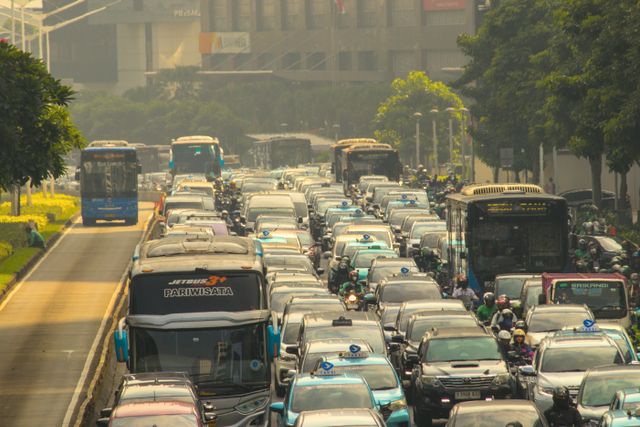

India’s cities are expanding rapidly, and the demand for affordable, reliable and accessible public transport is increasing alongside urban populations. Buses remain one of the most important forms of mass transportation because they connect residential neighbourhoods, commercial centres, educational institutions, railway stations and other essential destinations. However, a large proportion of conventional diesel and older public transport vehicles contribute to urban air pollution, greenhouse gas emissions and traffic-related environmental problems. As Indian cities struggle with deteriorating air quality and rising fuel costs, electric buses are emerging as a potential solution for transforming public transportation.
Electric buses replace conventional internal combustion engines with electric drivetrains powered by rechargeable batteries. They produce no exhaust emissions while operating, which can reduce roadside pollution in densely populated areas. Their environmental benefits, however, depend on several factors, including how electricity is generated, how batteries are manufactured, how vehicles are charged and how effectively public transport networks are managed.
The future of public transport in India will therefore involve more than replacing diesel buses with electric alternatives. It will require coordinated investment in charging infrastructure, electricity distribution, fleet management, passenger services and sustainable urban planning. Electric buses could become an important part of cleaner Indian cities, but their success will depend on whether governments can make them economically viable, operationally reliable and accessible to the people who depend on public transportation every day.
How Electric Buses Can Reduce Urban Pollution
Eliminating Tailpipe Emissions in Crowded Streets
The most immediate environmental advantage of electric buses is that they produce no exhaust emissions while operating. Conventional diesel buses release pollutants such as nitrogen oxides (NOx) and particulate matter through their exhaust systems. These pollutants contribute to poor urban air quality and can be particularly concerning near busy roads, bus stops, schools, hospitals and densely populated residential areas.
Electric buses remove these direct tailpipe emissions from the streets where they operate. This is important because public buses often follow repeated routes through congested areas, exposing large numbers of commuters, pedestrians and roadside residents to traffic pollution. Replacing diesel buses with electric alternatives can therefore reduce pollution at locations where people are frequently exposed to vehicle exhaust.
However, electric buses should not be described as completely pollution-free. Electricity generation, battery production and vehicle manufacturing can produce emissions elsewhere in the supply chain. Their strongest immediate advantage is the removal of exhaust pollution from urban streets, while their overall climate benefit depends on the electricity and materials used throughout their lifecycle.
Reducing Greenhouse Gas Emissions
Electric buses can also reduce greenhouse gas emissions, particularly when they replace older diesel vehicles and operate with high passenger occupancy. Their electric motors are generally more energy-efficient than conventional combustion engines, and regenerative braking can recover some energy during deceleration.
The overall reduction in carbon emissions depends on the electricity mix used for charging. If electricity comes largely from coal-based generation, the emissions advantage may be smaller than in regions with greater renewable-energy availability. As India’s electricity system incorporates more solar, wind and other low-carbon sources, the lifecycle emissions associated with electric bus operations can decline.
A 2026 real-world study of electric buses operating in Indore provides useful Indian evidence. Based on operational data from 49 electric buses, the study reported average energy consumption of approximately 0.85 kWh per kilometre and estimated emissions of 649 grams of carbon dioxide equivalent per kilometre under the electricity grid conditions assessed. The study projected that emissions could fall to approximately 317 grams per kilometre by 2030 as the electricity mix becomes cleaner. These findings demonstrate why the environmental performance of electric buses should be assessed using local operating and electricity data rather than general assumptions.
Lowering Noise Pollution
Urban pollution is not limited to emissions. Traffic noise affects the quality of life in densely populated areas, particularly near major roads, intersections and bus terminals. Conventional diesel buses produce engine noise, vibration and additional sound during acceleration and idling.
Electric buses operate more quietly at low speeds because they do not use conventional combustion engines. This can reduce noise around residential streets, educational institutions and commercial areas. Quieter operation may also improve the experience of passengers waiting at bus stops and people living close to major public transport routes.
However, tyre noise, road surfaces, horns and surrounding traffic remain important sources of urban noise. Electric buses can reduce one major source of vehicle noise, but they cannot independently eliminate traffic-related sound pollution.
India’s Electric Bus Transition: Government Initiatives and Progress
India has begun developing policies and financing mechanisms to accelerate the adoption of electric buses. One major initiative is the PM-eBus Sewa Scheme, introduced by the Ministry of Housing and Urban Affairs to strengthen city bus services through the deployment of 10,000 electric buses under a public-private partnership model.
The scheme has an estimated outlay of ₹57,613 crore, including central government support of ₹20,000 crore. It also addresses the infrastructure required to operate electric buses, including depot development, electricity infrastructure, intelligent transit management and passenger-focused facilities. Its objective is not simply to replace existing buses but also to expand organised public transportation in cities where bus services have historically been limited.
Another important initiative is the PM-eBus Sewa Payment Security Mechanism, which aims to reduce payment-related risks for manufacturers and operators. The Union Cabinet approved this mechanism with an outlay of ₹3,435.33 crore to support the procurement and operation of more than 38,000 electric buses across eligible public transport authorities. The mechanism is intended to provide greater confidence to companies supplying and operating buses under long-term contracts.
The scale of the transition is significant, but deployment remains a gradual process. According to the PM-eBus Sewa portal’s October 2026 status, 10,000 buses had been sanctioned across 115 cities, with more than 1,050 buses deployed and 28 cities reporting operational services. These figures show the difference between buses being sanctioned, procured, delivered and actually operating on city routes.
The success of these initiatives will depend on how effectively cities complete depot infrastructure, power connections, procurement and operational planning. Announced targets are important, but the number of reliable buses serving passengers every day will ultimately determine the impact on urban mobility and pollution.
The Economics of Electric Bus Operations
Electric buses generally require a higher initial investment than conventional diesel buses. Their battery systems and specialised electrical components contribute to the purchase price. For public transport authorities operating under tight budgets, this upfront cost can become a major barrier to large-scale adoption.
However, purchase price alone does not determine the financial viability of a bus. Operating expenses, energy consumption, maintenance requirements, battery replacement and vehicle availability all influence the total cost of ownership. Electric buses can benefit from lower energy costs per kilometre and fewer conventional mechanical components, potentially reducing some maintenance expenses.
A 2026 assessment of electric buses operating in Indore compared real-world operating costs over a nine-year period. It estimated a cost of approximately ₹59.84 per kilometre for electric buses, compared with ₹61.54 per kilometre for diesel buses under the study’s assumptions. The analysis indicated that lower energy and maintenance expenses could offset the higher initial purchase cost. These figures are specific to the vehicles, operating conditions and financial assumptions examined, so they should not be treated as universal costs for every Indian city.
For transport authorities, long-term contracts and well-designed public-private partnerships may help distribute financial and operational responsibilities. However, contracts must clearly define vehicle availability, battery performance, maintenance standards, charging arrangements and service quality. Without effective monitoring, the financial benefits of electrification may be weakened by operational delays or unreliable services.
Infrastructure Challenges Facing Electric Bus Adoption
Charging Stations and Depot Readiness
Electric buses require reliable charging infrastructure, and this is one of the most important challenges for Indian cities. Unlike diesel buses, which can be refuelled relatively quickly at conventional fuel stations, battery-electric buses must connect to charging systems for a period determined by battery capacity, charger power and the operating schedule.
Transport authorities need to plan charging facilities according to route length, daily kilometres, passenger demand and vehicle availability. Depot charging is often suitable for buses that return to their depots after completing scheduled services. Opportunity charging, which takes place at selected terminals or intermediate locations, may help buses operating on longer or more demanding routes.
The challenge is not limited to installing charging equipment. Depots need sufficient electrical capacity, transformers, power distribution systems, safety arrangements and space for vehicles to connect to chargers. If charging infrastructure is delayed or electricity supply is unreliable, even a fleet of newly delivered buses may not achieve its intended service capacity.
The PM-eBus Sewa programme recognises this requirement by supporting associated depot and behind-the-meter power infrastructure. The government scheme’s infrastructure provisions are important because they address the operational conditions necessary for electric buses to function as part of a public transport network.
Battery Performance and India’s Climate Conditions
Battery performance is influenced by temperature, charging practices, driving patterns and the age of the battery. Indian cities experience a wide range of climatic conditions, including extreme summer heat, heavy monsoon rainfall and, in some regions, cold winter temperatures. These conditions can influence battery efficiency, cooling requirements and long-term performance.
High temperatures can accelerate battery degradation if thermal management is inadequate. Heavy air-conditioning demand during hot weather can also increase energy consumption, potentially reducing the distance a bus can travel between charging sessions. In addition, frequent stopping, acceleration and operation in congested traffic can create different energy demands from those experienced during predictable highway driving.
Transport authorities must therefore evaluate electric buses under actual local operating conditions rather than relying exclusively on manufacturer range estimates. Route trials, battery monitoring and realistic energy-use assessments can help determine whether a particular bus is suitable for a city’s climate and traffic patterns.
Battery warranties and replacement responsibilities should also be clearly defined in procurement contracts. A bus may remain mechanically functional for many years, but its battery performance can decline over time. Long-term financial planning must account for this possibility.
Electricity Supply and Grid Management
Large-scale electrification will increase electricity demand at bus depots and charging locations. If many buses are charged simultaneously, local distribution infrastructure may require upgrades to handle additional loads. Cities must coordinate with electricity distribution companies to plan charging schedules, power connections and capacity requirements.
Smart charging can help manage this demand. Charging systems can schedule electricity use according to bus departure times, available grid capacity and electricity tariffs. Where feasible, solar installations at depots and stationary energy storage may further support charging operations.
The relationship between electric buses and renewable electricity is particularly important. Electrification can remove local exhaust emissions immediately, but the reduction in total greenhouse gas emissions becomes greater when charging increasingly relies on cleaner electricity. This makes public transport electrification part of a wider energy-transition challenge rather than an isolated vehicle replacement programme.
Why Electric Buses Alone Cannot Solve Urban Pollution
Electric buses can reduce emissions from public transport fleets, but urban pollution has several other sources. Private cars, two-wheelers, freight vehicles, construction activity, road dust, industrial operations and other sources contribute to poor air quality. Their relative importance differs between cities and across seasons.
Replacing diesel buses with electric buses will therefore address only one part of the urban pollution problem. If private vehicle use continues to increase rapidly, congestion and emissions from the wider transport system may remain substantial.
The more effective strategy is to combine fleet electrification with improvements in public transport coverage and passenger convenience. Frequent services, reliable schedules, affordable fares, comfortable vehicles and safe walking access can encourage people to shift from private vehicles to buses. When electric buses carry more passengers and replace a larger number of individual vehicle journeys, the environmental benefits can extend beyond the direct emissions avoided by replacing diesel buses.
An OECD lifecycle assessment of passenger transport in India found that battery-electric buses can have substantially lower greenhouse gas emissions per passenger-kilometre than private cars under the conditions assessed. It also emphasised the importance of combining bus electrification with high-quality services that encourage passengers to use public transport.
This distinction is essential. A city that purchases electric buses but fails to provide frequent, accessible and well-connected services may achieve limited changes in travel behaviour. A city that combines electrification with a strong public transport network has a greater opportunity to reduce transport-related pollution and congestion.
Integrating Electric Buses With Metro, Rail and Last-Mile Connectivity
The future of urban public transport depends on how well different transport services work together. Electric buses can connect neighbourhoods with metro stations, railway terminals, business districts and educational areas. They can also serve routes where metro construction is financially or geographically difficult.
For example, a passenger may use an electric bus to travel from a residential neighbourhood to a metro station, continue the journey by rail and use another bus to reach the final destination. When routes, schedules and ticketing systems are coordinated, such journeys become more convenient and can reduce dependence on private vehicles.
Integrated ticketing can also improve passenger experience. Systems based on interoperable payment methods, including the National Common Mobility Card, can help make travel across different public transport services easier. Real-time passenger information and intelligent transit management can further improve service reliability by helping operators monitor vehicle locations, delays and passenger demand.
Electric buses are particularly valuable for expanding public transport in smaller cities and developing urban areas. Not every city requires a metro system, but many growing urban centres need organised bus services that can be expanded as population and travel demand increase. A well-planned electric bus network can provide this flexibility while supporting cleaner urban mobility.
The Role of Technology and AI in Electric Bus Management
AI and digital technologies can improve the efficiency of electric bus operations. Fleet management systems can analyse vehicle location, route conditions, passenger demand, energy consumption and charging status. This information can help transport authorities identify inefficient routes, adjust schedules and reduce unnecessary vehicle downtime.
Predictive maintenance is another promising application. Electric buses contain batteries, electric motors, power electronics and thermal management systems that require continuous monitoring. AI models can examine sensor measurements to identify unusual temperature patterns, changes in energy efficiency or other indicators of possible component problems. Early detection may help operators schedule maintenance before a vehicle becomes unavailable during service hours.
AI can also support battery management by analysing charging histories, temperature variations and energy-use patterns. Such systems may help estimate battery health and identify charging practices associated with faster degradation. These predictions must be validated against actual battery performance, but they can improve planning and reduce unexpected operational problems.
Passenger-demand forecasting can further help transport agencies determine how many buses are required at different times of the day. Instead of operating every vehicle according to a fixed schedule regardless of demand, intelligent systems may help allocate resources more efficiently while maintaining adequate service frequency.
However, technology cannot compensate for poor route planning or inadequate public transport investment. Digital systems are most effective when they support a well-designed network with reliable vehicles, trained staff and clear operational responsibilities.
Making Electric Public Transport Accessible and Inclusive
A successful public transport transition must benefit more than vehicle operators and city administrations. Passengers need services that are affordable, safe, comfortable and accessible. Electric buses can improve the travel experience through quieter operation and, in many modern models, features such as air-conditioning, low-floor entry and digital passenger information.
Accessibility is particularly important for older passengers, people with disabilities, children and individuals travelling with luggage or mobility aids. Bus stops should provide safe pedestrian access, appropriate lighting, seating and clear route information. Vehicles should also be designed to support wheelchair access and safe boarding.
Affordability must remain a central consideration. If the cost of electrification places excessive pressure on transport budgets, authorities may be tempted to increase fares or reduce service frequency. Such outcomes could discourage passengers from using public transport and weaken the environmental benefits of the transition.
Public transport planning should therefore evaluate electric buses as part of a complete passenger service. The objective should be to deliver dependable mobility to people across income groups, not merely to introduce new vehicle technology.
Battery Recycling and the Environmental Cost of Manufacturing
Electric buses reduce tailpipe pollution, but their batteries create environmental responsibilities that extend beyond the vehicle’s operating life. Battery manufacturing requires materials such as lithium, graphite, nickel and other minerals, depending on the battery chemistry. Extracting and processing these materials can consume energy and create environmental pressures.
As India’s electric bus fleet expands, battery end-of-life management will become increasingly important. Batteries that no longer meet the performance requirements of public transport may still retain some capacity for less demanding applications, depending on their condition. This creates opportunities for second-life use in stationary energy storage, although each battery must be assessed for safety and suitability.
Recycling can help recover valuable materials and reduce the demand for some newly extracted resources. However, recycling systems require specialised facilities, safe transportation, standardised battery identification and appropriate environmental controls. Transport authorities and manufacturers should establish clear responsibilities for battery collection, reuse and recycling from the beginning of procurement contracts.
A genuinely sustainable electric bus programme must therefore consider the entire vehicle lifecycle, including manufacturing, electricity generation, maintenance and battery disposal.
The Future of Electric Buses in Indian Cities
The future of electric buses in India will depend on whether cities can move from individual procurement projects towards integrated, large-scale public transport systems. Government schemes provide an important financial and policy foundation, but long-term progress will require cooperation between central and state governments, urban local bodies, electricity distribution companies, manufacturers and private operators.
Growing domestic manufacturing capabilities could make electric buses more affordable and improve the availability of components, batteries and maintenance services. Standardised vehicle specifications and charging systems may also help transport authorities manage fleets more efficiently and reduce procurement complexity.
Smaller cities could become important participants in this transition. While metropolitan areas have larger passenger volumes, developing urban centres also need organised bus services. Electric buses can help these cities establish modern public transportation without becoming heavily dependent on diesel fleets.
Renewable-energy integration may further strengthen the environmental case for electrification. Solar-powered depot installations, smart charging and improved electricity-grid management could reduce the carbon footprint of bus operations. At the same time, better route planning and integrated ticketing could increase passenger numbers and improve the overall efficiency of public transport.
The most important measure of progress will not be the number of electric buses purchased, but the number of reliable daily services delivered, the passengers carried, the conventional vehicle journeys replaced and the pollution avoided.
Conclusion
Electric buses offer Indian cities an important opportunity to reduce roadside air pollution, lower transport-related greenhouse gas emissions and improve the quality of urban public transportation. Their zero-tailpipe-emission operation can make a meaningful difference in crowded streets, while quieter operation and potentially lower energy and maintenance expenses offer additional advantages.
However, electrification is not a complete solution to urban pollution. Battery manufacturing, electricity generation, charging infrastructure, vehicle costs and battery recycling must all be considered. More importantly, electric buses must operate within well-planned public transport networks that offer frequent services, affordable fares and convenient connections with metro, rail and other mobility options.
Government initiatives such as PM-eBus Sewa and the Payment Security Mechanism are creating a foundation for wider adoption. The next challenge is to translate these programmes into dependable services across Indian cities.
Ultimately, electric buses can help make urban transport cleaner, but their greatest environmental contribution will come when cities combine electrification with stronger public transport systems and reduced dependence on private vehicles.
You may be interested

Cyclone Akvan Strengthens Over the Bay of Bengal: Why Is Andhra Pradesh on High Alert
Anshika Jain - Nov 18, 2026Cyclone Akvan has intensified over the Bay of Bengal, putting coastal Andhra Pradesh and neighbouring regions on heightened alert. The developing weather system has raised concerns about…

Why Does a Strong US Dollar Sometimes Put Pressure on Indian Bullion Prices
Anshika Jain - Nov 18, 2026The US dollar plays an important role in determining the direction of international commodity markets, including gold and silver. Although India has a strong domestic market for…
Can India’s Solar Industry Influence Long-Term Silver Demand
Anshika Jain - Nov 18, 2026India's rapidly expanding solar industry is creating an important connection between renewable energy development and the global silver market. Silver is widely recognised as a precious metal…
Most from this category

How US Federal Reserve Rate Expectations Are Influencing India’s Silver Market
Anshika Jain - Nov 18, 2026
Silver Falls Below Recent Highs: Is This a Buying Opportunity or a Warning for Investors
Anshika Jain - Nov 18, 2026
Silver Prices Crash in November 2026: Why Is the Precious Metal Losing Its Momentum
Anshika Jain - Nov 18, 2026

How US Federal Reserve Rate Expectations Are Influencing India’s Silver Market
Anshika Jain - Nov 18, 2026Silver Falls Below Recent Highs: Is This a Buying Opportunity or a Warning for Investors
Anshika Jain - Nov 18, 2026Silver Prices Crash in November 2026: Why Is the Precious Metal Losing Its Momentum
Anshika Jain - Nov 18, 2026