Silver Prices Crash in November 2026: Why Is the Precious Metal Losing Its Momentum

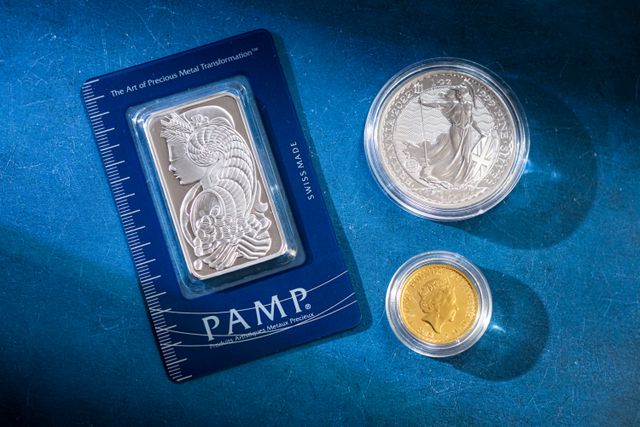

Silver has experienced a dramatic reversal in November 2026, with prices falling sharply after reaching extraordinary highs earlier in the year. The precious metal, which attracted significant investor attention during its powerful rally, has lost a substantial portion of its market value. In India, silver prices have declined from approximately ₹3.85 lakh per kilogram in January to around ₹1.65 lakh per kilogram on November 18. Internationally, silver has fallen from a peak of approximately $121.60 per ounce to below $47 per ounce, reflecting a major correction in the global precious metals market.
The decline has raised questions among investors, jewellery buyers and market analysts about what has changed in the silver market. Earlier expectations of strong investment demand, industrial consumption and limited availability had supported prices. However, the market is now facing a different combination of economic conditions, including a stronger US dollar, higher bond yields, expectations of further interest rate increases, weakening industrial demand and aggressive profit-booking.
Silver’s decline is particularly significant because the metal has two distinct roles in the global economy. It functions as a precious metal that attracts investment during periods of uncertainty, but it is also an important industrial material used in solar panels, electronics, electric vehicles and other manufacturing applications. When investment sentiment and industrial demand weaken simultaneously, silver can experience considerable price pressure.
Understanding the November 2026 crash therefore requires examining both financial market developments and changes in the physical silver market. The correction does not necessarily mean that silver has lost its long-term industrial importance, but it does highlight how quickly market expectations can change.
Silver’s Extraordinary Rally Before the November Crash
The recent decline becomes easier to understand when viewed against the exceptional rally that preceded it. Silver experienced a substantial increase in value during 2025 and early 2026, attracting investors seeking exposure to precious metals and commodities. According to Reuters reporting, silver gained approximately 147% during 2025, supported partly by strong investment inflows and concerns about physical market liquidity. The metal subsequently reached a record price of around $121.60 per ounce in January 2026.
Several factors contributed to this rally. Investment demand increased as market participants responded to economic uncertainty, trade-related concerns and expectations about future monetary policy. Silver-backed exchange-traded products also attracted substantial inflows, while the movement of physical silver into US inventories contributed to tighter availability in other parts of the market.
As prices climbed, speculative interest increased. Investors who expected further appreciation entered the market, while existing holders benefited from rising valuations. This combination created strong upward momentum.
However, rapid price increases can also make a market vulnerable to corrections. When valuations rise significantly beyond what current demand and economic conditions can comfortably support, even a relatively small change in investor expectations can trigger substantial selling.
By November, the conditions that had supported silver’s earlier rally had weakened. The market began reassessing the metal’s valuation, investment demand and industrial outlook, contributing to the sharp reversal.
A Stronger US Dollar Is Putting Pressure on Silver
One of the most important reasons behind silver’s November decline is the strengthening of the US dollar. International silver prices are generally quoted in dollars, which means changes in the value of the American currency can influence demand from buyers using other currencies.
When the dollar strengthens, silver becomes more expensive for international buyers whose currencies have weakened against it. This can reduce purchasing interest, particularly among industrial consumers and investors who are sensitive to changes in commodity costs.
A stronger dollar can also influence investment decisions. Investors may prefer holding dollar-denominated assets when the currency becomes more attractive, reducing their interest in commodities priced in dollars.
This relationship has become particularly important during the November correction. The dollar’s strength has coincided with higher bond yields and changing expectations about US monetary policy, creating an unfavourable environment for precious metals.
For Indian buyers, currency movements add another layer of complexity. The domestic silver price depends not only on the international silver rate but also on the USD-INR exchange rate, import-related costs, taxes and local market conditions. A change in international prices may therefore produce a different percentage movement in Indian retail and futures markets.
Higher Interest Rates and Bond Yields Are Reducing Investment Appeal
Another major factor influencing silver is the changing outlook for US interest rates. Silver does not generate interest income, unlike government bonds and many savings instruments. When bond yields increase, investors may find income-producing assets more attractive compared with precious metals.
During November 2026, expectations of another Federal Reserve rate increase have contributed to pressure on gold and silver. Rising government bond yields have further strengthened the argument for shifting investment towards assets that provide returns through interest payments.
This does not mean that higher interest rates always cause silver prices to fall. Precious metals can sometimes benefit from inflation concerns, financial instability or geopolitical uncertainty even when interest rates are elevated. However, when higher yields are accompanied by a stronger dollar and reduced investment demand, the combined effect can be negative.
The market’s expectations are particularly important. Commodity prices often respond before a central bank announces an actual policy decision. If investors increasingly believe that interest rates will remain high or rise further, they may adjust their positions in advance.
For silver, which is already experiencing a major correction, these expectations can influence both short-term trading and longer-term investment decisions.
Weakening Industrial Demand Is Creating Additional Pressure
Unlike gold, silver has extensive industrial applications. It is used in electrical contacts, electronics, solar photovoltaic cells, electric vehicles, medical equipment and several manufacturing processes. This industrial role gives silver a different demand structure from many other precious metals.
However, it also makes silver more sensitive to changes in manufacturing activity. When industrial production slows or companies reduce their use of expensive materials, demand expectations can weaken.
November’s market pressure has coincided with concerns about lower industrial consumption, particularly in the solar energy sector. According to research reported by Reuters on November 13, global silver demand is expected to decline by approximately 5% in 2026. Industrial demand is projected to fall by around 3%, with weaker jewellery and silverware consumption also contributing to the reduction.
These projections have affected market sentiment because investors had previously expected industrial applications to provide strong support for silver prices.
The solar industry is especially important. Silver is used in photovoltaic cells because of its electrical conductivity. However, manufacturers face pressure to control production costs, particularly when silver becomes significantly more expensive. This can encourage efforts to reduce the amount of silver used in individual cells or explore alternative materials.
Consequently, higher silver prices can create conditions that eventually weaken some forms of industrial demand. This relationship illustrates why industrial importance does not guarantee continuously rising prices.
Solar Panel Manufacturers Are Exploring Silver Substitution
The relationship between silver and solar energy has become an important issue in the November 2026 correction. As solar installations expand, demand for materials used in photovoltaic technology can influence commodity markets. Silver has traditionally played an important role in electrical connections within solar cells.
However, manufacturers continuously look for ways to improve efficiency and reduce production costs. When silver prices increase significantly, reducing silver consumption becomes an attractive industrial objective.
Manufacturing improvements, thinner conductive layers and alternative materials can reduce the amount of silver required for certain applications. These developments do not necessarily eliminate silver from solar technology, but they can affect how quickly industrial demand grows.
China is particularly relevant because of its significant role in solar panel manufacturing and the wider renewable energy supply chain. Concerns about slower solar-sector activity and lower-than-expected photovoltaic installations have contributed to weaker demand expectations.
For investors, this creates an important distinction between the growth of renewable energy and the growth of silver consumption. Solar energy capacity may continue expanding without silver demand increasing at the same rate, particularly if manufacturers become more efficient in their use of the metal.
Profit-Booking and Speculative Selling Accelerated the Decline
Silver’s rapid rally created significant opportunities for investors and traders to benefit from rising prices. However, when the market began reversing, many participants started securing profits and reducing their exposure.
Profit-booking is a common market activity in which investors sell assets after prices have increased. When a large number of participants attempt to exit positions simultaneously, selling pressure can intensify.
Silver’s relatively volatile market structure can make these movements more pronounced. Compared with gold, silver often experiences larger percentage price fluctuations because its market is smaller and its investment and industrial demand are influenced by several different factors.
Speculative positions can also amplify price movements. Traders using borrowed funds or leveraged futures contracts may face margin requirements when prices move against them. If they cannot maintain the required margin, they may be forced to reduce or close their positions.
Reports on the November correction have highlighted profit-booking, leveraged position unwinding and margin-related selling as contributing factors.
This process can create a cycle in which falling prices trigger additional selling, which then pushes prices lower. However, speculative selling is only part of the explanation. The broader decline is also supported by changing monetary conditions and weaker demand expectations.
Silver ETF Outflows Are Changing Investment Demand
Silver-backed exchange-traded products provide investors with a way to gain exposure to silver without directly purchasing and storing physical metal. These products can attract substantial investment when market sentiment is positive.
However, their influence can work in the opposite direction when investors begin withdrawing funds.
During the earlier rally, strong inflows into silver-backed exchange-traded products contributed to investment demand. Reuters reported that silver-backed products received approximately 278 million ounces of inflows during 2025. For 2026, Metals Focus expects net outflows of approximately 45 million ounces, reflecting a significant change in investor behaviour.
These outflows matter because investment products represent an important part of the silver market. When investors reduce their holdings, the released metal can contribute to greater physical availability, potentially easing some of the supply pressure that previously supported prices.
This development also affects market expectations. Investors who previously viewed silver as an attractive momentum investment may become more cautious when they observe sustained outflows.
Nevertheless, ETF movements should not be interpreted in isolation. Physical demand, mine production, recycling, industrial consumption and the wider economic environment also influence the metal’s price.
Why Silver Is Falling Faster Than Gold
The November decline has affected both gold and silver, but silver has experienced a particularly severe correction. This difference reflects the distinct characteristics of the two metals.
Gold is primarily valued as a monetary and investment asset. Central banks, institutional investors, jewellery buyers and individuals hold gold for different reasons, including diversification and protection against certain economic risks.
Silver has a more complicated demand structure because industrial consumption accounts for a substantial part of its market. This means that silver prices can be affected by both investment sentiment and manufacturing conditions.
Silver’s smaller market size can also make it more sensitive to changes in trading positions. When investors rapidly reduce exposure, the resulting price movement may be more pronounced than in the gold market.
The recent correction has demonstrated this difference. Euronews reported that silver had fallen approximately 60% from its January peak by November, while gold had also experienced a substantial decline.
This does not mean that silver will always fall faster than gold. During periods of strong industrial demand or rising investment interest, silver can also outperform gold. Its higher volatility, however, makes it particularly sensitive to changing market expectations.
How the Silver Price Crash Is Affecting Indian Buyers
India is one of the important markets for silver jewellery, silverware, investment bars and coins. The November correction has therefore attracted attention among retail buyers, traders and investors.
The domestic price of silver is influenced by international market quotations, the rupee-dollar exchange rate, import costs, customs duties, GST and local market premiums. As a result, Indian prices may not move exactly in line with international silver prices.
On November 18, 2026, financial market reporting indicated that MCX silver opened around ₹1,64,522 per kilogram, compared with a previous close of approximately ₹1,69,016. This reflected a further decline during an already substantial correction from the January peak of approximately ₹3,84,632 per kilogram.
For jewellery buyers, falling prices may improve affordability, although the final retail price also depends on purity, making charges, taxes and the retailer’s pricing policy.
For investors, the decline presents a more complicated situation. A lower market price does not automatically mean that silver has become undervalued. The future direction will depend on whether industrial demand stabilises, investment interest returns and global monetary conditions become more supportive.
Indian investors should also consider currency risk. Even if international silver prices recover, changes in the rupee-dollar exchange rate can influence the domestic price. Similarly, a stronger rupee can reduce the domestic impact of an international price increase.
Is the Silver Market Experiencing a Temporary Correction or a Structural Shift?
One of the most important questions following the November crash is whether the decline represents a temporary correction or a deeper change in silver’s market fundamentals.
A temporary correction occurs when prices fall after a rapid increase, often because investors take profits or market expectations become overly optimistic. In this situation, prices may stabilise if demand remains strong and selling pressure gradually decreases.
A structural shift would involve longer-lasting changes in the factors that support the market. For silver, this could include persistent reductions in industrial consumption, greater material substitution, changes in investment demand or improved physical supply conditions.
The current market contains elements of both possibilities. The extraordinary rally created conditions for profit-booking, while higher interest-rate expectations and a stronger dollar have weakened investment sentiment. At the same time, lower demand forecasts and silver substitution in solar manufacturing suggest that some industrial assumptions may also need to be reassessed.
However, the metal continues to have important industrial applications. Its use in electronics, electrical systems and renewable energy technology means that changes in manufacturing demand will remain relevant to its long-term outlook.
The market’s future direction will therefore depend on how these opposing forces develop rather than on one isolated event.
What Investors Should Watch After the November 2026 Crash
Silver’s future performance will depend on several economic and market developments. One important factor will be the direction of US monetary policy. If expectations of further interest rate increases continue, precious metals may remain under pressure. Any change in bond yields or the dollar’s strength could also influence investor demand.
Industrial consumption will be equally important. Market participants will need to monitor solar manufacturing activity, demand from electronics producers and the extent to which companies continue reducing silver usage. Improvements in industrial demand could help stabilise market expectations.
Investment flows into silver-backed exchange-traded products will also provide useful information about investor sentiment. Sustained outflows may indicate that financial demand remains weak, while renewed inflows could signal improving interest.
Physical market conditions deserve attention as well. Mine production, recycling, inventories and regional supply constraints can affect silver availability. A change in the balance between physical supply and consumption could influence prices even when broader financial conditions remain challenging.
For individual investors, the most important consideration is risk management. Silver is a volatile commodity, and sharp declines can continue even after prices appear significantly lower than previous peaks. Decisions should therefore be based on investment objectives, financial capacity and an understanding of market risks rather than the assumption that a large fall automatically creates a buying opportunity.
Conclusion
The November 2026 silver price crash reflects a combination of financial, industrial and market-related pressures. A stronger US dollar, expectations of higher interest rates, rising bond yields, weakening industrial demand, ETF outflows and aggressive profit-booking have collectively reduced the metal’s momentum.
The decline is particularly significant because silver had experienced an exceptional rally before reaching its January peak. As investment sentiment changed and industrial demand expectations weakened, the same market characteristics that supported its rapid appreciation contributed to a sharp reversal.
For India, the fall has affected the domestic silver market, creating new considerations for jewellery buyers, traders and investors. However, lower prices should not be confused with guaranteed value or an immediate recovery opportunity.
Silver continues to play an important role in modern manufacturing and renewable energy technology. Its long-term prospects will depend on industrial consumption, technological developments, investment demand and global economic conditions. The November correction therefore represents not just a decline in market prices but also a reassessment of the expectations that previously drove silver’s extraordinary rally.
Online Internship with Certificate
You may be interested

Cyclone Akvan Strengthens Over the Bay of Bengal: Why Is Andhra Pradesh on High Alert
Anshika Jain - Nov 18, 2026Cyclone Akvan has intensified over the Bay of Bengal, putting coastal Andhra Pradesh and neighbouring regions on heightened alert. The developing weather system has raised concerns about…
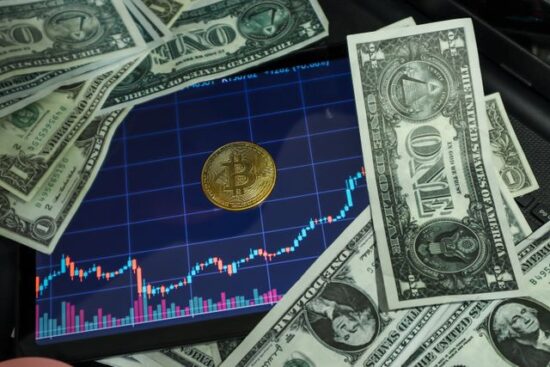
Why Does a Strong US Dollar Sometimes Put Pressure on Indian Bullion Prices
Anshika Jain - Nov 18, 2026The US dollar plays an important role in determining the direction of international commodity markets, including gold and silver. Although India has a strong domestic market for…
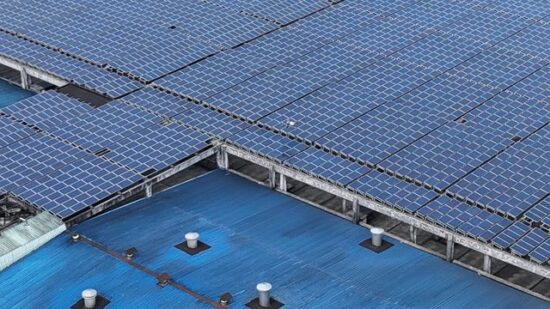
Can India’s Solar Industry Influence Long-Term Silver Demand
Anshika Jain - Nov 18, 2026India's rapidly expanding solar industry is creating an important connection between renewable energy development and the global silver market. Silver is widely recognised as a precious metal…
Most from this category
How US Federal Reserve Rate Expectations Are Influencing India’s Silver Market
Anshika Jain - Nov 18, 2026
Silver Falls Below Recent Highs: Is This a Buying Opportunity or a Warning for Investors
Anshika Jain - Nov 18, 2026
Climate Finance in November 2026: Who Will Pay for the Transition to a Low-Carbon Economy
Anshika Jain - Nov 17, 2026
How US Federal Reserve Rate Expectations Are Influencing India’s Silver Market
Anshika Jain - Nov 18, 2026Silver Falls Below Recent Highs: Is This a Buying Opportunity or a Warning for Investors
Anshika Jain - Nov 18, 2026Could Changes in US AI Policy Affect India’s Technology Sector
Anshika Jain - Nov 17, 2026