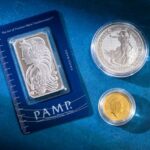
How US Federal Reserve Rate Expectations Are Influencing India’s Silver Market


Silver occupies a distinctive position in India’s financial and commodity markets. It is valued not only as a precious metal and an investment asset but also as an essential industrial material used in electronics, solar panels, electric vehicles, electrical equipment and several manufacturing processes. This combination makes silver particularly sensitive to changes in global economic expectations. Among the international factors influencing its price, expectations surrounding the monetary policy of the United States Federal Reserve play an important role.
Although the Federal Reserve determines interest rates for the US economy, its decisions can influence commodity prices across the world, including India’s silver market. Expectations of interest-rate cuts or increases affect the US dollar, government bond yields, investment flows and global economic activity. These changes can alter international silver prices, which are subsequently reflected in Indian markets through currency movements, import costs and domestic demand.
For Indian investors, jewellers, manufacturers and commodity traders, understanding the relationship between Federal Reserve policy expectations and silver prices is increasingly important. Silver can react even before the Federal Reserve announces an official policy decision because financial markets continuously adjust their expectations about future interest rates. Consequently, a change in the tone of US economic data or statements from central bank officials can influence silver prices in India.
This relationship is especially relevant during periods of uncertainty, when investors are attempting to assess inflation, economic growth, interest-rate policy and the future direction of precious metals.
Understanding the Federal Reserve and Its Influence on Global Markets
The Federal Reserve is the central banking system of the United States. Its monetary policy decisions are designed to support economic stability, manage inflation and influence employment conditions. One of its most important policy tools is the federal funds rate, which affects short-term borrowing costs and influences wider financial conditions.
When inflation remains elevated, the Federal Reserve may maintain higher interest rates or consider further increases to control demand and prevent prices from rising too quickly. When inflation begins to moderate or economic activity weakens, policymakers may consider reducing rates to support borrowing, investment and consumption.
These decisions have international consequences because the US dollar and American financial markets occupy central positions in the global economy. Silver is generally priced internationally in US dollars, so changes in the value of the dollar can influence the metal’s price for buyers using other currencies.
However, silver does not respond mechanically to every Federal Reserve announcement. Its market value is also influenced by industrial consumption, mine production, investment demand, geopolitical developments and expectations about global economic growth. Federal Reserve policy is therefore one major influence within a wider network of market forces.
Why Interest-Rate Expectations Matter More Than Announcements Alone
Financial markets are forward-looking. Investors do not wait until the Federal Reserve officially changes interest rates before adjusting their positions. Instead, they continuously evaluate economic reports, inflation figures, employment statistics and statements from policymakers to estimate what the central bank may do next.
For example, if inflation data begins to decline consistently, investors may expect the Federal Reserve to reduce interest rates in the coming months. Such expectations can influence the dollar, bond yields and precious-metal prices before any actual rate reduction takes place.
The opposite can happen when inflation remains persistent or economic growth proves stronger than expected. Investors may begin anticipating that interest rates will remain elevated for longer. This can strengthen the dollar and increase the opportunity cost of holding assets such as silver.
The distinction between an actual rate decision and an expected rate decision is important for understanding market movements. Silver prices may rise when investors anticipate future rate cuts, but they can also decline if a rate reduction was already fully reflected in market prices and the accompanying policy statement suggests fewer cuts ahead.
Therefore, Indian silver-market participants need to follow changes in market expectations rather than focusing exclusively on scheduled Federal Reserve announcements.
How Higher US Interest Rates Can Put Pressure on Silver Prices
Silver does not generate regular interest income. Unlike bonds, fixed deposits or interest-bearing savings instruments, physical silver does not provide investors with a periodic return simply for holding it. This characteristic makes the metal sensitive to changes in interest rates.
When US interest rates remain high, investors may find dollar-denominated financial instruments and government securities more attractive. Higher yields can increase the opportunity cost of holding silver, particularly for investors who are comparing precious metals with interest-bearing assets.
This does not mean that every period of high interest rates automatically causes silver prices to fall. During inflationary periods, geopolitical uncertainty or financial instability, demand for precious metals may remain strong despite elevated borrowing costs. Nevertheless, higher real interest rates can create pressure on silver when other supportive factors are weak.
For India, this pressure can reach the domestic market through international benchmark prices. If global silver prices decline because investors expect US rates to remain higher, Indian silver prices may also face downward pressure, provided the rupee does not weaken enough to offset the international decline.
The US Dollar Connection: A Major Channel of Influence
The relationship between the US dollar and silver is one of the most important channels through which Federal Reserve expectations influence global precious-metal markets.
International silver prices are generally quoted in US dollars per troy ounce. When the dollar strengthens against other currencies, silver can become more expensive for buyers outside the United States. This may reduce purchasing interest in some international markets and place pressure on dollar-denominated silver prices.
When expectations of interest-rate cuts weaken the dollar, silver may become relatively more affordable for international buyers. A softer dollar can also encourage investment demand for commodities priced in the US currency.
For Indian buyers, the exchange rate introduces an additional layer of complexity. Even if international silver prices decline, a weaker Indian rupee can increase the domestic cost of imported silver. Similarly, a stronger rupee can reduce some of the impact of rising global prices.
This means that Indian silver prices are influenced by two important variables: the international price of silver and the rupee-dollar exchange rate. Federal Reserve expectations can affect both, sometimes in the same direction and sometimes in opposing directions.
How Federal Reserve Rate Cuts Could Influence India’s Silver Market
Expectations of Federal Reserve rate cuts can create a supportive environment for silver, particularly when they contribute to lower real yields and a weaker dollar. When investors anticipate that returns from interest-bearing assets may decline, some may increase their exposure to precious metals.
Silver can benefit from this shift because it serves both investment and industrial purposes. Investors may purchase silver as a way to diversify portfolios or protect against currency and inflation-related uncertainty. At the same time, expectations of easier monetary conditions can support economic activity, potentially improving the outlook for industrial consumption.
However, the reason behind a rate cut matters. If the Federal Reserve reduces rates because inflation is moderating while economic growth remains relatively stable, markets may interpret the decision as supportive for investment and industrial demand.
If rates are reduced because the US economy is experiencing a severe slowdown, the initial reaction could be different. Investors may become concerned about weaker industrial activity, reducing expectations for silver consumption in manufacturing and technology-related industries.
Consequently, rate cuts do not guarantee a sustained increase in silver prices. The broader economic conditions surrounding the policy decision are equally important.
The Impact of US Treasury Yields on Silver Investment Demand
US Treasury yields are closely monitored by global investors because they provide an important reference point for returns available from government debt securities. Changes in these yields can influence investment decisions across currencies, commodities and financial markets.
When Treasury yields rise, investors may become more interested in interest-bearing assets. This can reduce the relative attractiveness of non-yielding precious metals, including silver. The impact is particularly significant when rising yields are accompanied by a stronger dollar.
Real yields are also important. A real yield represents the return on an investment after accounting for inflation expectations. When real yields rise, holding silver may become less attractive because investors can potentially earn stronger inflation-adjusted returns elsewhere.
When real yields decline, the opportunity cost of holding silver may decrease. This can support investment demand, especially when investors are concerned about inflation, currency depreciation or uncertainty in financial markets.
For Indian silver prices, the connection is indirect but significant. Changes in US yields can influence international silver valuations, which then affect the domestic market through global benchmarks and currency movements.
Why India’s Silver Prices May Not Follow International Prices Exactly
One of the most important aspects of the Indian silver market is that domestic prices do not simply reproduce international silver prices. Although global benchmarks provide the foundation for price discovery, several domestic factors influence the final price paid by Indian buyers.
The rupee-dollar exchange rate is particularly important because India imports a substantial share of the silver it consumes. A weaker rupee can increase the landed cost of imported silver even when international prices remain unchanged. A stronger rupee can reduce the domestic impact of rising global prices.
Import duties, applicable taxes, transportation expenses, refining costs, local premiums and dealer margins can also influence retail prices. These factors may vary across locations and market conditions.
Domestic demand is another important influence. India has a substantial market for silver jewellery, coins, bars, utensils and religious purchases. Demand can increase during festivals, weddings and other important buying periods. Industrial consumption also contributes to the country’s silver requirements.
As a result, a Federal Reserve announcement that causes international silver prices to fall may not produce an identical decline in Indian retail prices. Currency depreciation or higher local premiums could partially offset the movement.
Industrial Demand Makes Silver Different From Gold
Silver’s industrial importance makes its response to Federal Reserve policy more complex than that of gold. Gold is primarily influenced by investment demand, jewellery consumption, central-bank activity and its role as a reserve asset. Silver also benefits from investment demand, but a significant part of its value is connected to industrial applications.
Solar photovoltaic technology is one of the important areas of silver consumption. Silver is used in electrical contacts and conductive components in solar cells. Electronics, electrical systems, automotive applications and other manufacturing industries also depend on the metal’s conductive properties.
Federal Reserve policy can influence these industries through its effect on global borrowing costs and economic activity. Lower interest rates may encourage investment in infrastructure, manufacturing and clean-energy projects. If these developments translate into stronger production and installation activity, industrial silver demand could benefit.
However, the relationship is not immediate. Manufacturing investment decisions, project approvals, technology adoption and commodity procurement often operate over longer periods. A rate cut today does not necessarily produce an immediate increase in silver consumption.
There is also a technological factor to consider. Manufacturers continuously work to reduce the amount of silver required in certain applications or explore alternative materials where technically and economically feasible. Therefore, industrial demand depends not only on overall economic growth but also on technological developments and material efficiency.
The Influence of Federal Reserve Expectations on the Indian Rupee
The Indian rupee is an important part of the relationship between US monetary policy and domestic silver prices. Interest-rate expectations in the United States can influence international capital flows and currency valuations, which may affect the rupee.
When US interest rates are expected to remain relatively high, dollar-denominated assets may become more attractive to international investors. Depending on wider market conditions, this can increase demand for the dollar and create pressure on emerging-market currencies, including the Indian rupee.
A weaker rupee can make imported silver more expensive in India. Even if international silver prices remain stable or decline moderately, the domestic price may rise if currency depreciation increases import costs.
When expectations of US rate cuts weaken the dollar, emerging-market currencies may receive some support. A stronger rupee can reduce the domestic cost of imported silver, potentially limiting price increases or amplifying an international price decline.
However, currency movements are influenced by several additional factors, including India’s inflation outlook, trade balance, foreign investment flows, crude oil prices and Reserve Bank of India policy. Federal Reserve expectations should therefore be viewed as an important influence rather than the sole explanation for rupee movements.
How Global Investment Flows Can Affect Indian Silver Prices
Investment flows into silver-related financial products can influence international prices and indirectly affect India’s domestic market. These flows include purchases and sales of exchange-traded products, futures contracts and other instruments linked to silver.
When investors expect lower interest rates, a weaker dollar or stronger precious-metal demand, they may increase their exposure to silver. Stronger investment demand can support international prices, particularly when physical supply is relatively tight.
Conversely, expectations of prolonged high interest rates may encourage some investors to reduce exposure to non-yielding assets. Outflows from silver-backed exchange-traded products and selling in futures markets can contribute to price declines.
Indian investors may experience these movements through domestic silver exchange-traded funds, commodity derivatives and physical-market pricing. However, domestic investment products can also reflect tracking differences, currency movements, expenses and market liquidity.
It is important to distinguish between short-term financial-market flows and long-term physical consumption. A sudden increase in investment buying can move prices quickly, while industrial demand may change more gradually. Both are relevant, but they operate through different mechanisms.
Why Silver Can Become More Volatile During Uncertain Monetary Policy Periods
Silver is often more volatile than gold because its market combines investment activity with industrial consumption. Changes in economic expectations can therefore influence both sides of its demand structure.
When the Federal Reserve’s future direction is unclear, traders may rapidly adjust their positions in response to inflation reports, employment figures and central-bank statements. These adjustments can produce sharp movements in futures markets and international benchmark prices.
For example, stronger-than-expected US employment data may lead investors to believe that interest rates will remain elevated for longer. The dollar and Treasury yields may rise, placing pressure on silver. Alternatively, weaker inflation data may increase expectations of rate cuts and support precious metals.
The industrial side can complicate this response. If investors expect easier monetary policy but simultaneously anticipate a recession, silver may receive support from lower yields while facing pressure from concerns about manufacturing demand.
This combination of influences can produce sudden price reversals. Indian traders and investors should therefore avoid assuming that one economic indicator will determine the direction of silver prices.
What Indian Investors Should Monitor
Understanding the influence of Federal Reserve expectations requires observing several connected indicators rather than relying on individual news headlines. US inflation reports, employment data and Federal Reserve policy statements provide important clues about the likely direction of monetary policy.
Treasury yields and inflation-adjusted real yields help investors understand how financial-market returns are changing. The US dollar index provides additional information about currency conditions that may affect dollar-denominated commodity prices.
Indian investors should also monitor the rupee-dollar exchange rate because it can significantly influence the domestic cost of imported silver. International silver benchmarks, MCX silver contracts and domestic retail premiums offer different perspectives on market pricing.
Industrial demand indicators are equally important. Developments in solar installations, electronics production, electric-vehicle manufacturing and broader industrial activity can help explain whether the physical consumption outlook is strengthening or weakening.
Finally, investors should consider the difference between short-term price movements and long-term market fundamentals. A sudden decline caused by changing interest-rate expectations does not necessarily indicate a permanent deterioration in silver’s industrial or investment outlook.
Is the Federal Reserve’s Policy Direction a Buying Signal for Silver in India?
Expectations of Federal Reserve rate cuts can create favourable conditions for silver, but they should not be treated as an automatic buying signal. The potential benefit depends on the relationship between interest rates, the dollar, real yields, industrial demand and the rupee.
If rate cuts are expected alongside stable economic growth, lower real yields and a weaker dollar, silver could receive support from both investment and industrial demand. In this environment, Indian buyers may benefit from stronger international market conditions, although currency movements can influence the final domestic price.
If rate cuts are driven by a significant economic slowdown, the situation may be less straightforward. Lower interest rates could support investment demand, but concerns about manufacturing and industrial consumption may limit the metal’s recovery.
Similarly, if the Federal Reserve maintains higher rates for longer, silver could face pressure from rising yields and a stronger dollar. However, strong physical demand, supply constraints or geopolitical uncertainty may offset some of this weakness.
For investors considering silver exposure, a disciplined approach is more useful than attempting to predict every Federal Reserve decision. Portfolio diversification, an appropriate investment horizon and awareness of price volatility are important considerations. Investors using futures or leveraged products should be particularly careful because rapid price movements can magnify losses.
The Future Outlook for India’s Silver Market
The future direction of India’s silver market will depend on how monetary policy expectations interact with global economic conditions and domestic demand. Federal Reserve decisions will remain influential because they affect the dollar, international investment flows and global borrowing costs.
However, the long-term outlook for silver cannot be assessed through interest rates alone. Industrial applications, renewable-energy investment, technological changes, mine production, recycling and jewellery consumption will continue to influence the market.
India’s growing interest in renewable energy and its established demand for precious metals create multiple sources of silver consumption. At the same time, global economic uncertainty and changing investment preferences can produce periods of significant volatility.
The relationship between Federal Reserve policy and Indian silver prices will also remain closely connected to currency movements. Even when international silver prices move in a favourable direction, the rupee-dollar exchange rate can change how much Indian consumers and investors ultimately pay.
For this reason, a balanced assessment should combine global monetary-policy analysis with domestic market conditions. Investors who understand both dimensions are better positioned to interpret price movements without reacting excessively to individual announcements.
Conclusion
US Federal Reserve rate expectations influence India’s silver market through several interconnected channels, including the US dollar, Treasury yields, global investment flows, industrial activity and the rupee-dollar exchange rate. Expectations of lower interest rates can support silver by reducing the opportunity cost of holding precious metals and potentially encouraging investment demand. Expectations of prolonged higher rates can create pressure through stronger yields and dollar appreciation.
However, silver’s industrial applications make its price behaviour more complicated than a simple relationship between interest rates and precious metals. Manufacturing demand, solar technology, jewellery consumption, currency movements and domestic import costs can all influence Indian prices.
For Indian investors, the most useful approach is to monitor Federal Reserve expectations alongside international silver benchmarks, currency trends and domestic demand. Rather than treating every policy announcement as a direct buying or selling signal, understanding the broader economic environment can provide a more informed perspective on the opportunities and risks within India’s silver market.
Current Market Context: November 2026
The latest market developments illustrate how strongly Federal Reserve expectations can influence Indian silver prices. On November 18, 2026, MCX silver futures for December delivery fell to approximately ₹1.64 lakh per kilogram in morning trade, while international silver prices moved below $47 per ounce. The decline was associated with a stronger US dollar, elevated Treasury yields, persistent US inflation concerns and growing expectations of further Federal Reserve rate increases.
Market pricing also reflected expectations of a possible December rate increase. The Economic Times reported that markets were assigning a 95.7% probability to a 25-basis-point increase, while a separate market report cited LSEG pricing of approximately 98%. These figures are market-implied probabilities, not confirmed Federal Reserve decisions, and can change as new economic information becomes available.
This current situation reinforces an important point: the direction of Federal Reserve expectations matters as much as the eventual policy decision. When investors anticipate higher rates, stronger yields and dollar appreciation can put pressure on silver even before the central bank formally changes its policy. For Indian buyers, the resulting international price movement is then filtered through the rupee-dollar exchange rate and domestic market costs.
Online Internship with Certificate
You may be interested

Cyclone Akvan Strengthens Over the Bay of Bengal: Why Is Andhra Pradesh on High Alert
Anshika Jain - Nov 18, 2026Cyclone Akvan has intensified over the Bay of Bengal, putting coastal Andhra Pradesh and neighbouring regions on heightened alert. The developing weather system has raised concerns about…
Why Does a Strong US Dollar Sometimes Put Pressure on Indian Bullion Prices
Anshika Jain - Nov 18, 2026The US dollar plays an important role in determining the direction of international commodity markets, including gold and silver. Although India has a strong domestic market for…

Can India’s Solar Industry Influence Long-Term Silver Demand
Anshika Jain - Nov 18, 2026India's rapidly expanding solar industry is creating an important connection between renewable energy development and the global silver market. Silver is widely recognised as a precious metal…
Most from this category
Silver Falls Below Recent Highs: Is This a Buying Opportunity or a Warning for Investors
Anshika Jain - Nov 18, 2026
Silver Prices Crash in November 2026: Why Is the Precious Metal Losing Its Momentum
Anshika Jain - Nov 18, 2026

Climate Finance in November 2026: Who Will Pay for the Transition to a Low-Carbon Economy
Anshika Jain - Nov 17, 2026
Silver Falls Below Recent Highs: Is This a Buying Opportunity or a Warning for Investors
Anshika Jain - Nov 18, 2026Silver Prices Crash in November 2026: Why Is the Precious Metal Losing Its Momentum
Anshika Jain - Nov 18, 2026Could Changes in US AI Policy Affect India’s Technology Sector
Anshika Jain - Nov 17, 2026