

Can India’s Solar Industry Influence Long-Term Silver Demand

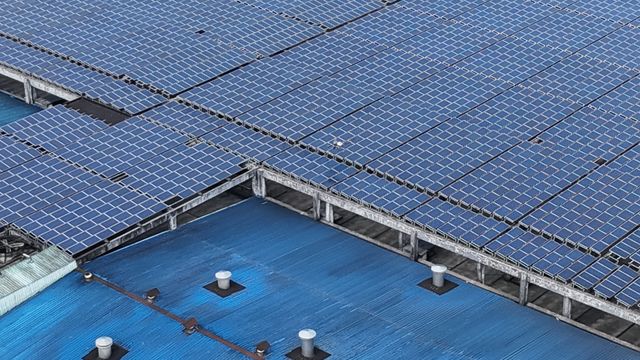

India’s rapidly expanding solar industry is creating an important connection between renewable energy development and the global silver market. Silver is widely recognised as a precious metal used in jewellery, coins, investment products and industrial applications. However, its role in solar photovoltaic technology has become increasingly significant because of its excellent electrical conductivity, resistance to corrosion and ability to support efficient electricity generation.
As India increases its solar power capacity, demand for materials used in photovoltaic cells is becoming an important consideration for manufacturers, energy developers and commodity-market participants. Silver is one of these materials. It is used in the conductive contacts that collect and transfer electricity generated by solar cells. Consequently, the expansion of solar installations can contribute to industrial silver consumption.
However, the relationship between solar growth and silver demand is more complicated than it initially appears. Installing more solar panels does not necessarily mean that silver consumption will increase at the same rate. Manufacturers are developing technologies that use smaller quantities of silver, combine silver with copper or replace silver with alternative materials. These developments could gradually reduce the amount of silver required for every unit of solar power generated.
India’s solar industry could therefore influence long-term silver demand through two opposing forces: expanding solar capacity and improving material efficiency. Understanding how these forces interact is essential for evaluating the future relationship between India’s renewable energy ambitions and the silver market.
India’s Solar Industry Is Expanding at an Unprecedented Pace
India’s solar expansion provides a strong foundation for understanding its potential influence on silver demand. Over the past decade, solar energy has moved from a relatively small part of the electricity mix to one of the country’s most important renewable-energy sources. Government data published in November 2026 indicates that India’s installed solar capacity reached approximately 175 GW by October 31, 2026, compared with just 2.82 GW in 2014. The country added 37 GW during 2025, highlighting the speed of its energy transition.
This expansion is supported by large utility-scale solar parks, rooftop installations, agricultural solar pumps and distributed electricity systems. Projects such as Bhadla Solar Park in Rajasthan demonstrate the scale at which solar infrastructure is being developed. Government programmes, renewable purchase obligations and financial incentives for rooftop solar are also encouraging adoption among households, businesses and electricity distribution companies.
The country’s renewable-energy ambitions create a potentially significant long-term market for photovoltaic materials. As more solar cells are manufactured and installed, manufacturers need reliable supplies of conductive materials, including silver paste. However, the relationship between capacity additions and silver consumption depends on the amount of silver used in each cell, the type of technology being adopted and the efficiency of manufacturing processes.
India’s solar growth is therefore an important part of the global silver-demand discussion, although its influence should be assessed alongside developments in other major solar-manufacturing markets.
Why Silver Is Essential in Solar Panel Manufacturing
Silver plays a specialised role in conventional silicon-based photovoltaic cells. Solar cells convert sunlight into electricity by generating an electrical current when light interacts with semiconductor material. This electricity must then be collected and transferred through conductive contacts.
Silver is used in metallisation, the process of creating fine electrical pathways on solar cells. Silver paste is printed onto selected areas of the cell to form conductive fingers and busbars. These structures collect the electrical current generated by the photovoltaic material and transport it towards the external circuit.
The metal is valued for its high electrical conductivity, which allows it to transfer electricity efficiently. It also offers useful processing characteristics and reliability under the operating conditions experienced by solar modules.
The quantity of silver used in an individual solar cell may appear relatively small, but large-scale manufacturing makes the combined requirement substantial. When millions of cells are produced for utility-scale projects, even a small amount of silver per cell can translate into considerable industrial consumption.
This is why the expansion of India’s solar manufacturing ecosystem could influence demand for silver over an extended period. The effect will depend not simply on how many panels are installed, but also on the metallisation technology used in those panels.
How India’s Solar Expansion Could Increase Long-Term Silver Demand
The most direct connection between solar growth and silver demand comes from increasing photovoltaic manufacturing volumes. Every additional solar project requires modules, and conventional silicon-based modules require cells with electrical contacts. If manufacturers continue using silver-intensive cell technologies, higher production volumes can translate into greater silver consumption.
India’s expanding solar capacity creates demand across the entire value chain, including solar cells, modules, inverters, mounting structures and electrical infrastructure. Domestic manufacturing investments can increase the requirement for raw materials and specialised production inputs.
Government initiatives are also encouraging solar adoption beyond large power plants. Rooftop installations, solar pumps and decentralised electricity systems increase the number of applications requiring photovoltaic modules. These markets can contribute to long-term material demand even when individual installations are relatively small.
The country’s policy direction provides an additional source of visibility for manufacturers. Renewable purchase obligations establish expectations for renewable electricity procurement, while programmes such as PM Surya Ghar and PM-KUSUM support solar adoption among households and agricultural users.
However, the expansion of installed capacity should not be directly converted into a silver-demand forecast without considering material intensity. A solar industry that doubles its installed capacity while reducing silver consumption per watt could experience much slower growth in total silver requirements than its installation figures suggest.
India’s Domestic Solar Manufacturing Growth and Silver Requirements
India’s influence on the silver market will depend partly on whether it becomes a larger manufacturer of solar cells rather than remaining primarily a market for solar deployment and module assembly.
Solar modules and solar cells are different stages of production. A solar cell is the electricity-generating component, while a module combines multiple cells into a protected panel. Cell manufacturing requires specialised equipment, semiconductor processing and metallisation technologies, including the application of silver paste.
A May 2026 report by the Council on Energy, Environment and Water highlighted an important gap in India’s manufacturing ecosystem. It estimated domestic solar module manufacturing capacity at approximately 173 GW as of March 2026, while nameplate solar cell manufacturing capacity was around 30 GW. The report also identified higher manufacturing costs and dependence on imported materials and technology as important challenges.
This gap matters for silver demand because module assembly capacity does not necessarily translate into equivalent domestic consumption of silver paste. If manufacturers import finished solar cells and assemble them into modules in India, much of the silver used during cell metallisation may have been consumed outside the country.
Expanding domestic cell production could increase the direct demand for silver paste within India’s manufacturing sector. It could also create opportunities for domestic suppliers, research institutions and chemical manufacturers to develop specialised photovoltaic materials.
Therefore, India’s contribution to global silver demand may depend as much on the development of domestic cell manufacturing as on the growth of solar installations.
The Technology Challenge: Can Solar Manufacturers Reduce Silver Consumption?
Although solar expansion can increase the requirement for silver, manufacturers are actively working to reduce the amount used in each cell. This process is commonly known as silver thrifting.
Silver thrifting involves improving manufacturing techniques so that solar cells require less silver without experiencing a significant decline in electrical performance, reliability or efficiency. Manufacturers can achieve this through more precise printing, improved silver paste formulations and redesigned electrical contact structures.
The economic motivation is substantial. According to the Silver Institute’s World Silver Survey 2026, silver’s share of solar-cell manufacturing costs increased from approximately 8–10% at the beginning of 2025 to more than 20% following the sharp increase in metal prices. Higher raw-material expenses encouraged manufacturers to accelerate efforts to reduce silver consumption.
These developments create a potential limitation on long-term silver demand. Even if India installs substantially more solar capacity, manufacturers may need less silver for each watt of electricity-generating capacity.
The future silver market will consequently depend on the balance between increasing production volumes and declining silver intensity. If manufacturing efficiency improves rapidly, the growth in solar installations may not translate into an equivalent increase in physical silver consumption.
Copper Substitution Could Change the Relationship Between Solar Growth and Silver Demand
One of the most important technological developments in photovoltaic manufacturing is the growing use of copper-based alternatives to traditional silver metallisation.
Copper is considerably less expensive than silver and offers good electrical conductivity. However, replacing silver with copper is not straightforward. Copper can oxidise more easily, and manufacturers must address challenges involving adhesion, electrical contact quality, production yields and long-term reliability.
Silver-coated copper pastes provide an intermediate approach. These materials combine copper with a smaller proportion of silver, allowing manufacturers to reduce silver consumption while retaining some of the advantages of silver-based electrical contacts.
The World Silver Survey 2026 reports that silver-coated copper pastes containing approximately 10% silver entered high-volume production by the fourth quarter of 2025. It also describes copper electroplating as a potential route to reducing silver loadings significantly, although technical and reliability challenges remain. The report expects mainstream photovoltaic cells to move towards average silver loadings below 5 milligrams per watt by 2027.
If these technologies become widely adopted by Indian manufacturers, the country’s expanding solar industry could become less dependent on silver than earlier manufacturing models suggested.
However, substitution will take time. Solar manufacturers must demonstrate that alternative materials can deliver reliable performance over the operating life of a solar module. For high-efficiency cells and applications with demanding reliability requirements, silver may retain an important role.
Global Solar Demand Trends Provide Important Signals for India
India’s solar market does not operate independently of international photovoltaic manufacturing trends. Developments in China, Europe, the United States and other solar markets can influence material prices, manufacturing costs and technology adoption in India.
The Silver Institute’s World Silver Survey 2026 estimates that global silver demand from photovoltaic applications declined from 197.5 million ounces in 2024 to 186.6 million ounces in 2025. It forecasts a further decline to approximately 151 million ounces in 2026, reflecting reduced silver loadings and substitution efforts.
This is an important development because it demonstrates that solar installation growth and silver consumption do not always move together. The photovoltaic industry can expand its manufacturing output while reducing the quantity of silver required for every unit produced.
For India, the lesson is that solar capacity targets alone cannot predict future silver consumption. The country’s adoption of advanced cell technologies, the pace of domestic manufacturing and the ability of manufacturers to reduce material usage will all influence the outcome.
Global technology trends could also spread quickly through equipment suppliers, international partnerships and manufacturing investments. Indian companies entering the photovoltaic sector may adopt production methods that already incorporate silver-saving techniques rather than relying on older, more silver-intensive designs.
Could Higher Silver Prices Accelerate Technological Substitution?
The price of silver is an important factor in determining how quickly solar manufacturers adopt alternative materials. When silver becomes more expensive, its contribution to manufacturing costs increases, creating a stronger financial incentive to reduce consumption.
For solar manufacturers operating with narrow profit margins, material costs can influence competitiveness. A company that reduces silver usage while maintaining cell efficiency may be able to lower production expenses and offer more competitive module prices.
This creates a feedback mechanism within the silver market. Higher silver prices can encourage manufacturers to reduce demand for the metal through thrifting and substitution. If these changes become widespread, they may limit the growth of industrial silver consumption even as solar capacity continues to expand.
However, substitution is not determined by price alone. Manufacturers must consider production-line compatibility, investment requirements, quality control, product warranties and the long-term performance of solar modules.
A cheaper alternative is not necessarily commercially viable if it reduces efficiency or increases the likelihood of equipment failure. Consequently, silver may continue to retain value in applications where its electrical and physical properties provide a meaningful advantage.
Solar Recycling Could Become a Future Source of Silver Supply
The long-term relationship between India’s solar industry and silver demand will also depend on recycling. Solar panels are designed to operate for many years, which means the materials used in newly installed modules remain in service for an extended period before becoming available for recovery.
As India’s solar installations grow, the country will eventually develop a substantial volume of retired photovoltaic modules. Recovering silver from these panels could provide a secondary source of the metal and reduce reliance on newly mined supplies.
However, solar-panel recycling involves technical challenges. Silver is present in relatively small quantities and is embedded within the solar-cell structure. Recovering it requires specialised processes that can separate valuable materials without creating excessive environmental costs.
Research from the IEA Photovoltaic Power Systems Programme, published in September 2026, highlights the potential contribution of end-of-life solar modules to future material supply. Its global modelling suggests that silver recovered from retired photovoltaic systems could potentially supply 30–45% of cumulative solar-sector silver demand between 2025 and 2050 under the scenarios examined. This is a modelled potential, not a guaranteed recovery rate or a forecast specifically for India.
For India, developing effective collection systems, recycling infrastructure and recovery technologies could become an important part of the renewable-energy supply chain. It could also create new business opportunities in material recovery and circular manufacturing.
What India’s Solar Growth Means for the Global Silver Market
India’s solar expansion is significant because the country is becoming one of the world’s major renewable-energy markets. Increasing domestic production and deployment could contribute to global demand for photovoltaic materials, including silver.
However, India’s influence should be considered in the context of the wider international market. Solar manufacturers across the world are adopting silver-saving technologies, while industrial demand from electronics, electric vehicles, power infrastructure and other applications is also evolving.
The International Energy Agency’s 2026 critical-minerals outlook highlights this changing balance. It notes that global silver demand declined in 2025 and that lower silver consumption per solar cell helped offset the impact of expanding photovoltaic installations. At the same time, investment in data centres, electric vehicles and electricity infrastructure could support demand from other industrial sectors.
This means India’s solar industry is unlikely to determine global silver prices on its own. Instead, it will contribute to a broader demand structure in which renewable energy, electronics, investment activity and manufacturing technology interact.
India’s importance could increase if domestic solar-cell manufacturing expands significantly and local suppliers develop competitive silver-paste production capabilities. That would strengthen the connection between India’s renewable-energy growth and global demand for refined silver.
Future Outlook: Will Solar Expansion Increase or Reduce Silver Demand?
The long-term outlook depends on how quickly India’s solar industry expands compared with the speed of technological change. If installations and cell manufacturing grow faster than silver consumption per watt declines, total silver demand from the sector could increase.
If manufacturers rapidly adopt copper-based metallisation, silver-coated copper pastes and advanced printing methods, the increase in solar capacity may produce a smaller rise in silver consumption. In a more advanced scenario, total photovoltaic silver demand could even decline despite continued expansion in installed capacity.
India’s domestic manufacturing strategy will also influence the result. Stronger cell-production capabilities could increase local demand for silver paste, while continued dependence on imported cells may limit the amount of silver directly consumed during manufacturing within the country.
The development of recycling infrastructure could further change the long-term picture by recovering silver from retired modules and returning it to industrial supply chains.
For commodity-market participants, this means that monitoring India’s solar installation figures alone is insufficient. Manufacturing technology, silver loading per watt, cell-production capacity, copper substitution and recycling developments are equally important indicators.
Conclusion
India’s solar industry has the potential to influence long-term silver demand because photovoltaic cells depend on silver for efficient electrical conduction. Rapid expansion in solar installations, domestic manufacturing and renewable-energy infrastructure can create additional demand for the metal, particularly if India strengthens its solar-cell production capabilities.
However, technological innovation is changing the relationship between solar growth and silver consumption. Silver thrifting, silver-coated copper pastes, copper electroplating and recycling could reduce the amount of newly mined silver required by the photovoltaic sector.
The most likely long-term outcome will therefore depend on the balance between capacity expansion and material efficiency. India’s solar industry could become an important contributor to industrial silver demand, but its influence will not necessarily increase in direct proportion to installed solar capacity.
For the silver market, the more important question is no longer simply how many solar panels India will install. It is how much silver each new generation of solar technology will require. That distinction will play a central role in shaping the future relationship between renewable energy and the global silver industry.
Online Internship with Certificate
You may be interested

Cyclone Akvan Strengthens Over the Bay of Bengal: Why Is Andhra Pradesh on High Alert
Anshika Jain - Nov 18, 2026Cyclone Akvan has intensified over the Bay of Bengal, putting coastal Andhra Pradesh and neighbouring regions on heightened alert. The developing weather system has raised concerns about…

Why Does a Strong US Dollar Sometimes Put Pressure on Indian Bullion Prices
Anshika Jain - Nov 18, 2026The US dollar plays an important role in determining the direction of international commodity markets, including gold and silver. Although India has a strong domestic market for…

How US Federal Reserve Rate Expectations Are Influencing India’s Silver Market
Anshika Jain - Nov 18, 2026Silver occupies a distinctive position in India's financial and commodity markets. It is valued not only as a precious metal and an investment asset but also as…
Most from this category

Silver Falls Below Recent Highs: Is This a Buying Opportunity or a Warning for Investors
Anshika Jain - Nov 18, 2026
Silver Prices Crash in November 2026: Why Is the Precious Metal Losing Its Momentum
Anshika Jain - Nov 18, 2026

Climate Finance in November 2026: Who Will Pay for the Transition to a Low-Carbon Economy
Anshika Jain - Nov 17, 2026
Silver Falls Below Recent Highs: Is This a Buying Opportunity or a Warning for Investors
Anshika Jain - Nov 18, 2026Silver Prices Crash in November 2026: Why Is the Precious Metal Losing Its Momentum
Anshika Jain - Nov 18, 2026Could Changes in US AI Policy Affect India’s Technology Sector
Anshika Jain - Nov 17, 2026