


Voter List Revision in India: How Can Citizens Verify That Their Names Have Not Been Omitted?
Anshika Jain - Oct 22, 2026The right to vote is one of the most important ways citizens participate in India's democratic system. Through elections, voters influence government formation, public policy, and the…
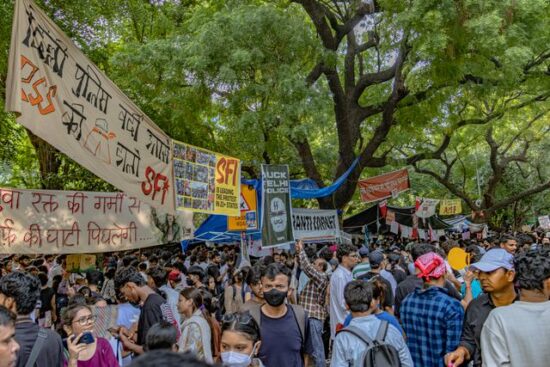
Jantar Mantar Controversy: Can a Protest Site Be Restricted Without Limiting Democratic Expression?
Anshika Jain - Oct 22, 2026The right to protest is an essential feature of a democratic society. It allows citizens to question government decisions, challenge public policies, demand accountability, and express grievances…
Six Years of Arrest Delays: What the Delhi Court’s MCOCA Criticism Reveals
Anshika Jain - Oct 21, 2026A stringent law is only as effective as the investigation and enforcement that support it. This principle came into sharp focus in October 2026, when a Delhi…
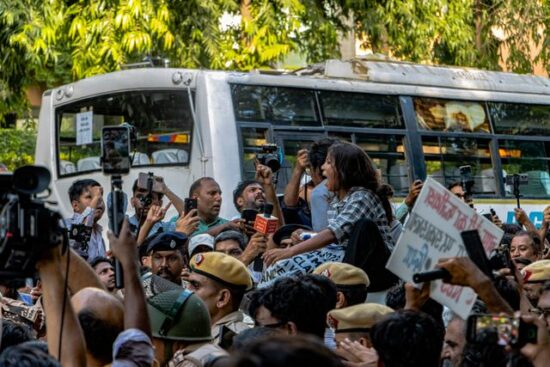
Is Delhi Changing Where Citizens Can Protest? Jantar Mantar Debate
Anshika Jain - Oct 21, 2026Jantar Mantar has long served as one of New Delhi’s most recognisable spaces for public protest. Students, workers, farmers, political groups, and civil society organisations have gathered…
Eleven Years Later: Unfinished Legal Proceedings in Punjab’s Behbal Kalan Cases
Anshika Jain - Oct 21, 2026Eleven years after the police firing at Behbal Kalan in Punjab, the pursuit of justice remains unfinished. On October 14, 2015, two protesters, Krishan Bhagwan Singh and…

The Sowjanya Case: Why the Fresh Investigation Matters
Anshika Jain - Oct 21, 2026The Sowjanya case remains one of Karnataka’s most closely watched criminal investigations. In October 2012, a 17-year-old college student was raped and murdered near Dharmasthala in Dakshina…

October 2026 Bypoll Results: BJP, TVK and AINRC’s Constituency-Level Performance
Anshika Jain - Oct 21, 2026The October 2026 bypoll results delivered important political developments across several Indian states and one Union Territory. The contests tested the strength of the Bharatiya Janata Party…
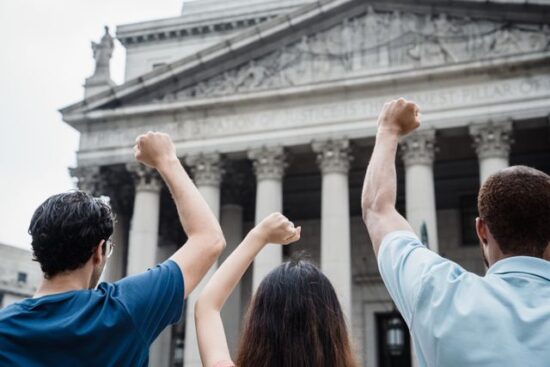
When the Supreme Court Intervenes in Protest Restrictions
Anshika Jain - Oct 21, 2026Peaceful protest is an important feature of a democratic society. It allows citizens to question government decisions, express grievances, and demand accountability. However, demonstrations can also create…
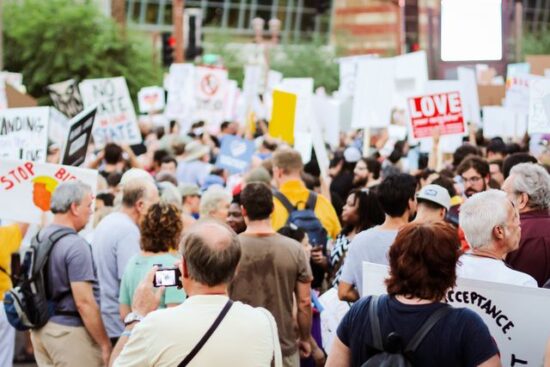
Journalists Detained During Political Protests: The Press-Freedom Debate
Anshika Jain - Oct 20, 2026Political protests are among the most important moments for journalism. They bring public grievances into the open, expose disagreements between citizens and governments, and reveal how democratic…
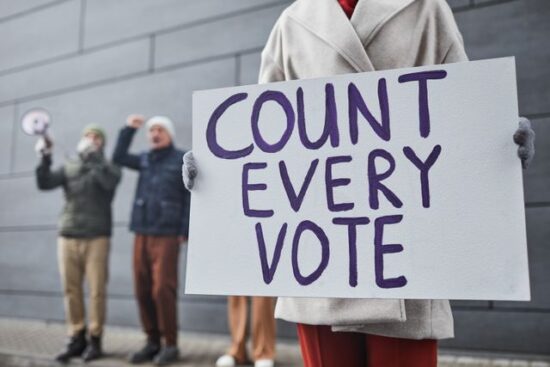
Why India’s Voter-List Revision Has Triggered Nationwide Political Protests
Anshika Jain - Oct 20, 2026India's electoral system is one of the largest democratic exercises in the world, involving hundreds of millions of voters, extensive administrative coordination, and a constitutional institution responsible…
