Climate Change as a Health Emergency: Researchers Calling for Global Health Action?

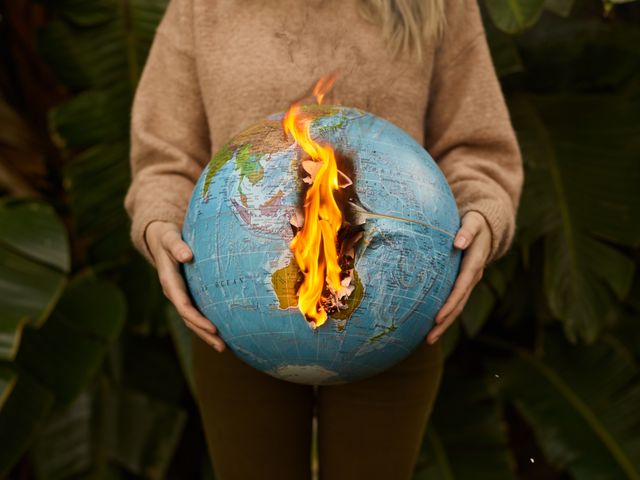

Climate change is increasingly being recognised as more than an environmental or economic challenge. Its effects are becoming visible in hospitals, communities, agricultural regions and public health systems across the world. Rising temperatures, prolonged heatwaves, floods, droughts, changing disease patterns and deteriorating air quality are creating conditions that threaten human health on a growing scale. These impacts are no longer limited to isolated environmental disasters. They are becoming interconnected public health risks that affect how people live, work, access food and water, and receive medical care.
Researchers are increasingly arguing that climate change should be treated as a global health emergency because its consequences are already affecting millions of people, while existing healthcare and emergency-response systems are struggling to keep pace. The October 2026 Lancet Countdown report, developed by 146 researchers from more than 100 institutions across over 30 countries in collaboration with the World Health Organization (WHO), highlights how several climate-related health threats have accelerated during the decade following the Paris Agreement. Its findings have strengthened calls for governments to place human health at the centre of climate policies, international cooperation and financial planning.
The concern is not simply that temperatures are rising. Climate change affects multiple conditions that determine whether populations remain healthy, including access to clean air, safe drinking water, nutritious food, stable housing and reliable healthcare. Researchers therefore believe that climate action must become a central component of global health protection rather than remaining a separate environmental policy objective.
Why Researchers Are Calling Climate Change a Health Emergency
The term health emergency reflects the scale, urgency and interconnected nature of climate-related health risks. Traditional public health emergencies are often associated with infectious disease outbreaks, sudden contamination events or other immediate threats requiring coordinated intervention. Climate change differs because its effects develop through multiple overlapping pathways and can persist for decades. However, the consequences can become acute when extreme heat, flooding, drought or disease outbreaks place sudden pressure on communities and healthcare facilities.
The 2026 Lancet Countdown report found that annual average heat-related deaths increased by nearly 36% in the years following the introduction of the Paris Agreement compared with the previous decade. It also estimated that heat was associated with a record 710,000 deaths globally in 2023, with more than 70% of this burden attributable to human-caused climate change. These findings demonstrate why researchers are concerned about the speed at which climate-related health risks are developing.
The report’s authors are calling for climate change to be formally recognised and addressed as a global health emergency. Their proposal is intended to strengthen international coordination, improve preparedness and ensure that climate-related health threats receive appropriate political and financial attention.
This should be distinguished from saying that the WHO has already declared climate change a public health emergency of international concern. The researchers are advocating formal recognition and a stronger international framework; this is a proposed response rather than an existing global emergency designation.
Extreme Heat and Its Growing Impact on Human Health
Extreme heat is one of the most direct ways climate change affects human health. When temperatures remain unusually high, the human body must work harder to regulate its internal temperature. Sweating and increased blood circulation help release heat, but these processes can become insufficient during prolonged heat exposure, particularly when humidity is high.
Heat exhaustion and heatstroke are among the most serious immediate consequences. Heatstroke can cause dangerously elevated body temperature, confusion, loss of consciousness and damage to vital organs. Even less severe heat exposure can worsen existing cardiovascular, respiratory and kidney conditions. Older adults, infants, outdoor workers and people without access to cooling facilities are especially vulnerable.
The risks extend beyond periods of officially declared heatwaves. Repeated exposure to high temperatures can interfere with sleep, reduce concentration, increase fatigue and affect the ability to work safely. Agricultural labourers, construction workers, delivery personnel and street vendors may face prolonged exposure because their occupations require outdoor activity.
Urban environments can intensify the problem through the urban heat island effect. Roads, concrete buildings and other heat-absorbing surfaces retain warmth, while limited vegetation reduces natural cooling. Poorly ventilated homes and overcrowded settlements can expose residents to dangerous indoor temperatures even when they are not working outside.
Researchers therefore recommend treating heat protection as a public health priority. Heat-warning systems, accessible cooling centres, safer working conditions, urban tree cover and climate-sensitive healthcare planning can reduce preventable illness and deaths.
Changing Disease Patterns and the Expansion of Infectious Risks
Climate change can influence the geographical distribution and seasonal behaviour of infectious diseases. Temperature, rainfall, humidity and water availability affect the survival, reproduction and movement of disease-carrying organisms. As environmental conditions change, some mosquitoes, ticks and other vectors may find new areas suitable for survival.
Mosquito-borne diseases such as dengue, malaria and chikungunya are influenced by several environmental factors. Warmer temperatures can affect mosquito development and the speed at which certain pathogens develop inside mosquitoes. Rainfall can create breeding sites, although drought may also contribute to mosquito proliferation when households store water in uncovered containers.
The relationship is not uniform. Extremely high temperatures can reduce mosquito survival, and disease transmission also depends on sanitation, housing, population immunity, healthcare access and public health interventions. Climate change does not automatically produce an outbreak, but it can alter the environmental conditions in which transmission becomes more likely.
Flooding and changing rainfall patterns can create additional infectious disease risks. Contaminated drinking water may contribute to diarrhoeal illnesses, while damaged sanitation infrastructure can increase exposure to harmful microorganisms. Displacement following extreme weather events may also place people in crowded temporary shelters where disease prevention becomes more difficult.
Public health authorities need stronger disease surveillance systems that combine climate information with epidemiological data. Monitoring rainfall, temperature, vector populations and disease cases can help identify changing patterns and support earlier intervention. This approach is particularly important in regions where healthcare infrastructure and disease-monitoring capacity are limited.
Air Pollution and the Hidden Health Costs of Fossil Fuels
Climate change and air pollution are closely connected because many activities that release greenhouse gases also produce pollutants harmful to human health. Burning coal, oil and gas for electricity, transport and industrial production can release particulate matter, nitrogen oxides and other pollutants. Exposure to these substances can increase the risk of respiratory illness, cardiovascular disease and premature death.
Fine particulate matter is particularly concerning because very small particles can penetrate deep into the lungs and enter the bloodstream. Long-term exposure has been associated with serious health problems, including heart disease, stroke, chronic respiratory conditions and lung cancer.
Climate-related conditions can also make air quality worse. High temperatures can contribute to the formation of ground-level ozone, while dry conditions can increase dust exposure. Wildfires can release large amounts of smoke and fine particles, affecting communities far from the original fire location.
The health benefits of reducing fossil fuel dependence are therefore not limited to slowing global warming. Cleaner electricity, public transport, energy-efficient buildings and reduced industrial emissions can improve air quality directly.
The 2026 Lancet Countdown report estimated that falling fossil fuel-related air pollution in at least 77 countries had helped prevent approximately 323,000 deaths annually since 2016. This finding demonstrates that climate-related policies can produce measurable health benefits even before their full long-term effects on global temperatures become visible.
Food Insecurity, Malnutrition and Water Scarcity
A stable food supply depends on predictable growing conditions, healthy soil, adequate water and reliable transportation. Climate change can disrupt these foundations through heat stress, irregular rainfall, prolonged droughts, floods and changing growing seasons.
High temperatures can reduce crop productivity, particularly when they occur during sensitive stages of plant development. Drought can limit irrigation and reduce soil moisture, while excessive rainfall and flooding can destroy crops, damage storage facilities and interrupt distribution networks. These pressures may increase food prices and make nutritious diets less affordable.
The consequences extend beyond the quantity of food available. Changes in temperature and atmospheric conditions can influence the nutritional composition of certain crops. Food insecurity may also encourage households to rely on cheaper, less diverse diets, increasing the risk of nutritional deficiencies and related health problems.
Water scarcity creates another connected challenge. Communities experiencing prolonged drought may struggle to access safe drinking water, maintain sanitation facilities and support agricultural production. When water sources become contaminated during floods, households may face increased exposure to infectious diseases.
The 2026 Lancet Countdown report found that extreme drought affected nearly 52% of the world’s land for at least one month during 2025, representing the second-highest level on record. The report also highlighted changing groundwater storage patterns and their implications for food security and sanitation.
These developments demonstrate why climate adaptation must include nutrition programmes, water management, agricultural resilience and public health planning. Food and water security are fundamental components of disease prevention, not simply economic or environmental concerns.
Mental Health and the Psychological Effects of Climate Disasters
The health consequences of climate change are not limited to physical illness. Extreme weather events, displacement, loss of livelihoods and uncertainty about the future can also affect psychological well-being.
People who experience floods, wildfires, cyclones or prolonged drought may face trauma, anxiety, depression and prolonged stress. Losing a home, business, farmland or family possessions can create emotional and financial pressures that continue long after the immediate disaster has ended.
Climate-related distress can also affect people who have not directly experienced a major disaster. Young people may experience anxiety about environmental degradation and future living conditions. Farmers and communities dependent on natural resources may face persistent uncertainty when rainfall patterns and agricultural seasons become increasingly difficult to predict.
Mental health services are often underdeveloped in disaster-affected regions. Emergency healthcare responses may prioritise physical injuries and infectious diseases, leaving psychological support insufficiently funded or inaccessible.
Researchers and public health authorities therefore need to integrate mental health into climate preparedness. Community-based counselling, trauma-informed healthcare, social support networks and continuity of mental health services can help reduce the long-term effects of climate-related disruption.
Why Vulnerable Communities Face Greater Health Risks
Climate change does not affect all populations equally. People with limited financial resources, inadequate housing, restricted healthcare access or high exposure to environmental hazards often experience greater health consequences.
Low-income households may be unable to afford air conditioning, reliable electricity, safe drinking water or nutritious food during periods of extreme heat and supply disruption. Informal settlements may lack drainage systems, adequate sanitation and protective infrastructure, increasing the risk of flooding and infectious diseases.
Occupational exposure creates another inequality. Outdoor workers and people employed in agriculture, construction, transportation and waste management may have limited control over their working environments. If employers do not provide adequate rest periods, drinking water and heat protection, workers can face serious health risks.
Older adults, young children, pregnant women and individuals with existing health conditions may also require additional protection. Their ability to regulate body temperature, respond to dehydration or recover from environmental stress can differ from that of healthier adults.
The distribution of climate risk is therefore closely connected to social and economic inequality. Researchers argue that climate policies must prioritise populations with the highest exposure and the fewest resources to adapt. Without targeted protection, climate change may deepen existing differences in health outcomes.
Why Healthcare Systems Need Climate Resilience
Healthcare facilities are often expected to respond to climate-related emergencies, but they can also be directly affected by extreme weather. Flooding may damage hospitals, heatwaves can increase patient admissions and power interruptions can affect essential medical equipment. Water shortages may interfere with sanitation, sterilisation and patient care.
A resilient healthcare system must be capable of continuing essential services during these conditions. Hospitals need reliable electricity, backup water supplies, temperature-controlled medicine storage and emergency communication systems. Their buildings and equipment must also be designed to withstand local environmental risks.
Healthcare workers require training to recognise and manage climate-related health conditions. Doctors, nurses and emergency personnel may need additional preparation to identify heat-related illness, respond to changing infectious disease patterns and manage patients affected by disasters.
Climate-informed early-warning systems can help hospitals anticipate periods of increased demand. Weather forecasts combined with disease surveillance and local health data can support decisions about staffing, medical supplies and emergency capacity.
The WHO has supported climate-resilient and sustainable healthcare systems through its technical guidance and the Alliance for Transformative Action on Climate and Health. This international initiative brings together governments and partners to strengthen health system preparedness while reducing the environmental impact of healthcare services.
A healthcare system that depends on reliable electricity, clean water, safe transport and stable supply chains must be included in national climate adaptation strategies rather than treated as a separate sector.
Why Researchers Want Stronger Global Health Governance
One of the central arguments behind the call for a global health emergency designation is that climate-related risks cross national borders and involve multiple government departments. Health ministries cannot manage these challenges alone because many of their underlying causes are connected to energy, agriculture, transportation, housing, infrastructure and environmental policy.
The October 2026 Lancet Countdown report recommends using existing WHO and United Nations mechanisms to recognise, prepare for and respond to climate-related health emergencies. It also calls for a new WHO instrument that could provide a stronger basis for coordinated international action, sustained prevention and resource mobilisation.
Such a framework could help governments coordinate health surveillance, emergency preparedness, technical support and funding. It could also encourage countries to include measurable health objectives in their climate commitments.
This proposal requires careful institutional consideration. Under the International Health Regulations, a public health emergency of international concern has a specific definition and assessment process. Climate change is a broad, continuing driver of multiple health threats rather than a single infectious event. Any new framework would therefore need to explain how it complements existing emergency mechanisms without creating confusion over responsibilities.
Researchers are also calling for climate and health considerations to influence international financial decisions. Countries with limited resources often face the greatest adaptation challenges, even though they may have contributed relatively little to historical greenhouse gas emissions. Grant-based climate-health financing could help these countries strengthen health infrastructure without increasing their debt burden.
The Role of Climate Action in Preventing Future Health Damage
Climate mitigation and health protection are closely connected. Reducing greenhouse gas emissions can limit future warming, while cleaner energy and more sustainable transport can improve health more immediately.
Transitioning towards renewable electricity can reduce pollution from fossil fuel combustion. Expanding public transport, cycling infrastructure and pedestrian-friendly urban design can improve air quality while encouraging physical activity. Energy-efficient buildings can reduce emissions and improve indoor comfort during extreme temperatures.
Nature-based solutions also offer important health benefits. Urban trees can reduce local heat exposure, wetlands can help manage flooding and restored ecosystems can support water quality and biodiversity. However, such interventions must be designed according to local environmental conditions and community needs.
Health benefits should become a measurable part of climate policy evaluation. Governments can assess whether a transport project reduces air pollution, whether an urban development improves access to green space and whether an energy policy reduces pollution-related illness. This would help decision-makers understand that climate investment can also be investment in public health.
The WHO has previously called for health to be integrated into national climate commitments, arguing that policies affecting energy, transport, housing, sanitation and agriculture should consider their consequences for human well-being.
India’s Public Health Challenge in a Warming Climate
India faces several climate-related health challenges because of its large population, varied climate conditions, rapid urbanisation and differences in access to healthcare. Extreme heat is an important concern, particularly for outdoor workers, residents of densely populated cities and households living in buildings with limited ventilation.
Changing rainfall patterns and flooding can affect drinking-water quality, sanitation and infectious disease control. Heat stress can also increase pressure on agricultural workers and influence food production, potentially affecting nutrition and household affordability.
Urban air pollution adds another layer of risk. In many cities, high temperatures can worsen certain pollution conditions, while dust and wildfire smoke can contribute to respiratory exposure. Climate-related hazards may also place additional pressure on hospitals, emergency services and public infrastructure.
India’s public health response requires coordination between national, state and local authorities. Heat action plans, climate-informed disease surveillance, reliable drinking-water systems, stronger urban drainage, early-warning communication and resilient healthcare facilities can reduce the effects of environmental stress.
The needs of vulnerable populations must remain central. Informal workers, older adults, children and people living in poorly serviced settlements require practical protection that they can access during extreme weather. Climate-health planning should therefore be connected to employment conditions, housing policy, social protection and local healthcare delivery.
Conclusion
Climate change is increasingly becoming a public health emergency because it affects the basic conditions required for human survival and well-being. Extreme heat threatens cardiovascular and respiratory health, changing environmental conditions influence infectious disease risks, air pollution contributes to chronic illness, and droughts and floods can undermine food and water security. These effects interact with poverty, inequality and limited healthcare capacity, making the consequences more severe for vulnerable communities.
The latest Lancet Countdown findings provide a strong reason for governments to reconsider how climate change is addressed internationally. Researchers are calling for formal global health recognition, stronger coordination through WHO and United Nations mechanisms, sustained climate-health financing and healthcare systems that can withstand environmental disruption.
The central message is that climate policy and public health policy cannot remain separate. Reducing greenhouse gas emissions, protecting natural resources, strengthening healthcare infrastructure and preparing communities for extreme weather can prevent illness and save lives. Treating climate change as a health priority would shift attention from environmental targets alone towards the people whose health and survival depend on meaningful action.
The challenge is no longer simply to prepare for a distant environmental future. It is to protect populations from health risks that are already emerging and to ensure that the benefits of climate action reach those who need them most.
You may be interested

Rising Commodity Costs: How Do Supply Disruptions Reach Household Budgets?
Anshika Jain - Nov 02, 2026The price of everyday goods is influenced by events that often take place thousands of kilometres away from the people who eventually pay for them. A conflict…
Possible US–Iran Escalation: How Do Military Warnings Affect Regional Stability?
Anshika Jain - Nov 02, 2026Relations between the United States and Iran remain one of the most consequential sources of uncertainty in international security. Their disagreements extend beyond military competition and diplomatic…

Middle East Tensions and Oil Prices: Diplomatic Signals Change Global Energy Markets?
Anshika Jain - Nov 02, 2026Global oil prices are influenced by much more than the balance between supply and demand. Political stability, international negotiations, military developments, trade restrictions and diplomatic relationships can…
Most from this category

Israel’s Election and Coalition Uncertainty: No Political Bloc Secures a Majority
Anshika Jain - Nov 02, 2026


Israel’s Election and Coalition Uncertainty: No Political Bloc Secures a Majority
Anshika Jain - Nov 02, 2026Spain’s Deadly Train Collision: Rail Networks Investing in Maintenance
Anshika Jain - Nov 02, 2026Overtourism and Mountain Infrastructure: India’s Tourist Destinations
Anshika Jain - Oct 30, 2026