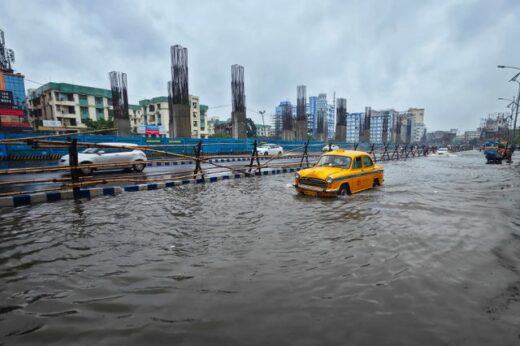
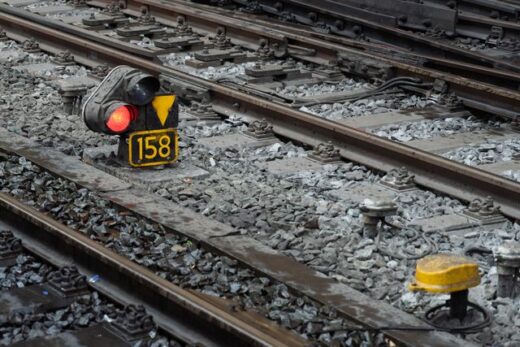
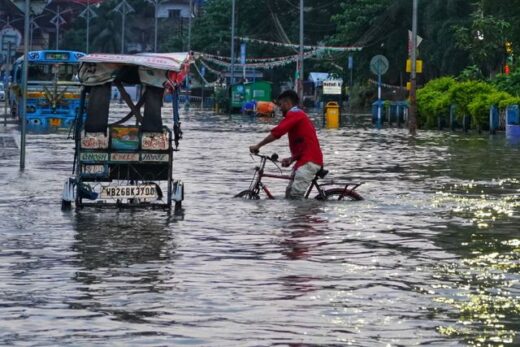
In an era marked by increasing uncertainty, disaster preparedness has become a critical benchmark for governance. From devastating earthquakes and floods to pandemics and climate-induced crises, the frequency and intensity of disasters have risen dramatically in recent years. Governments around the world claim to be better equipped than ever before, armed with advanced technologies, early warning systems, and policy frameworks. Yet, when disasters strike, the recurring images of chaos, delayed responses, and human suffering raise a fundamental question: Are governments truly ready?
The answer is complex. While significant progress has been made in disaster management, systemic gaps, resource constraints, and governance challenges continue to hinder effective preparedness. This article critically examines the current state of disaster readiness, exploring both achievements and shortcomings in the context of contemporary global challenges.
The Changing Nature of Disasters
Disasters today are no longer isolated or purely natural events. They are increasingly interconnected, amplified by climate change, urbanization, and globalization.
Key Trends Shaping Modern Disasters
-
Climate Change Intensification: Rising temperatures are fueling extreme weather events such as hurricanes, heatwaves, and floods.
-
Urban Vulnerability: Rapid and unplanned urbanization has increased exposure to risks, particularly in developing countries.
-
Compound Disasters: Events like pandemics combined with natural disasters create complex emergency scenarios.
These evolving dynamics demand a shift from reactive disaster response to proactive preparedness.
Frameworks and Policies: Progress on Paper
Most governments today operate within structured disaster management frameworks. International agreements like the Sendai Framework for Disaster Risk Reduction emphasize preparedness, resilience, and risk mitigation.
At the national level, many countries have established disaster management authorities, early warning systems, and emergency response protocols. These frameworks focus on:
However, the existence of policies does not necessarily translate into effective implementation.
Early Warning Systems: A Success Story with Limits
One of the most notable advancements in disaster preparedness is the development of early warning systems. Technologies such as satellite monitoring, weather forecasting, and seismic detection have significantly improved the ability to predict disasters.
Achievements
-
Timely evacuation in cyclone-prone regions has saved thousands of lives
-
Improved flood forecasting has reduced casualties
-
Real-time communication systems enable faster alerts
Limitations
Despite these successes, challenges remain:
-
Limited reach in remote and rural areas
-
Lack of public awareness on how to respond to warnings
-
Technical failures and data inaccuracies
Early warning systems are only effective when coupled with efficient response mechanisms and public trust.
Infrastructure Resilience: The Weakest Link
Infrastructure plays a crucial role in disaster preparedness. Roads, bridges, hospitals, and communication networks must withstand extreme conditions to ensure effective response and recovery.
However, in many regions, infrastructure remains highly vulnerable due to:
When critical infrastructure fails during a disaster, it not only hampers rescue operations but also exacerbates human and economic losses.
Funding and Resource Allocation
Adequate funding is essential for disaster preparedness, yet it remains a persistent challenge. Governments often prioritize immediate economic and political concerns over long-term risk reduction.
Key Issues
-
Insufficient budget allocation for preparedness initiatives
-
Over-reliance on post-disaster relief funding
-
Inefficient use of available resources
Investing in preparedness may not yield immediate visible benefits, but it significantly reduces long-term costs and losses.
Coordination and Governance Challenges
Disaster management requires seamless coordination among multiple agencies, including government departments, military forces, healthcare systems, and local authorities.
In reality, coordination often breaks down due to:
-
Bureaucratic inefficiencies
-
Overlapping responsibilities
-
Lack of clear communication channels
These challenges lead to delays in response, duplication of efforts, and confusion during critical moments.
The Role of Technology and Innovation
Technology has transformed disaster preparedness, offering new tools for risk assessment, monitoring, and response.
Emerging Technologies
-
Artificial intelligence for predictive analysis
-
Drones for search and rescue operations
-
Mobile applications for real-time alerts
-
Big data analytics for disaster modeling
While these innovations hold great promise, their effectiveness depends on accessibility, affordability, and integration into existing systems.
Community Preparedness: The Missing Piece
Governments often focus on top-down approaches, overlooking the importance of community-level preparedness. Local communities are the first responders in any disaster, and their readiness can significantly influence outcomes.
Why Community Involvement Matters
-
Faster initial response before external help arrives
-
Better understanding of local risks and needs
-
Increased resilience and self-reliance
However, community engagement is often limited due to lack of awareness, training, and resources.
Lessons from Recent Disasters
Recent global events have exposed both strengths and weaknesses in disaster preparedness.
Pandemic Response
The COVID-19 pandemic revealed significant gaps in healthcare systems, supply chains, and crisis management. Despite prior warnings, many governments were unprepared for the scale and complexity of the crisis.
Extreme Weather Events
Floods, wildfires, and heatwaves have highlighted the growing impact of climate change. In many cases, delayed responses and inadequate infrastructure have worsened the damage.
These events underscore the need for continuous evaluation and improvement of preparedness strategies.
Inequality and Vulnerability
Disasters do not affect all populations equally. Vulnerable groups, including low-income communities, women, children, and the elderly, are disproportionately impacted.
Factors Contributing to Inequality
Addressing these inequalities is essential for effective disaster preparedness.
Political Will and Accountability
Ultimately, disaster preparedness depends on political will. Governments must prioritize long-term resilience over short-term gains.
Key Requirements
-
Transparent decision-making
-
Accountability for failures
-
Continuous monitoring and evaluation
Without strong leadership and commitment, even the best-designed policies will fail.
Global Cooperation and Shared Responsibility
Disasters often transcend national boundaries, requiring international cooperation. Sharing knowledge, resources, and best practices can enhance global preparedness.
Organizations such as the United Nations and various international agencies play a crucial role in facilitating collaboration. However, geopolitical tensions and resource disparities can hinder collective efforts.
What Needs to Change?
To truly enhance disaster preparedness, governments must adopt a holistic and proactive approach.
Key Priorities
-
Strengthening infrastructure resilience
-
Increasing investment in preparedness
-
Enhancing coordination among agencies
-
Promoting community engagement
-
Leveraging technology effectively
Most importantly, preparedness must be integrated into all aspects of governance and development planning.
Future Outlook
The future of disaster preparedness will be shaped by how governments respond to emerging challenges. Climate change, technological advancements, and demographic shifts will continue to influence risk landscapes.
While progress is possible, it requires sustained effort, innovation, and collaboration. Governments must move beyond reactive strategies and embrace a culture of preparedness.
Conclusion
The question of whether governments are truly ready for disasters does not have a simple answer. While significant advancements have been made, critical gaps remain in implementation, coordination, and resource allocation.
Disaster preparedness is not a one-time effort but an ongoing process that requires constant adaptation and improvement. The stakes are high, as the consequences of unpreparedness are measured in human lives, economic losses and societal disruption.
In a world where disasters are becoming more frequent and severe, preparedness is no longer optional—it is a necessity. Governments must act decisively and collectively to build resilient systems capable of withstanding the challenges of the future.