Diwali Pollution Debate: Who Is Responsible for the Post-Festival Air Quality Crisis

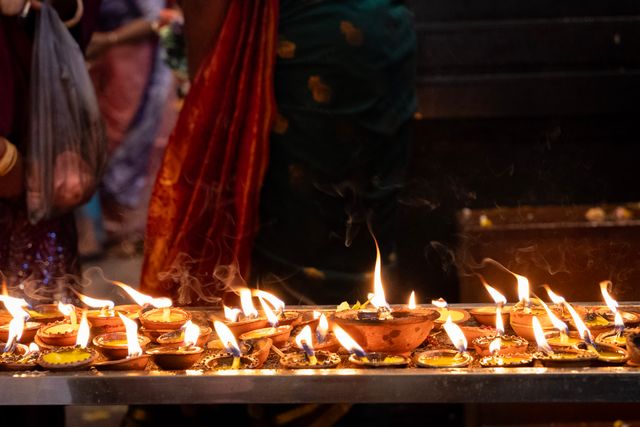

Diwali is celebrated across India with lights, family gatherings, sweets and festive traditions. However, the festival also brings an annual environmental debate into focus: why does air quality deteriorate in several Indian cities around the festive period, and who should be held responsible? Firecrackers often become the centre of public discussion, but the wider pollution problem involves multiple sources, including vehicle emissions, construction dust, industrial activity, waste burning and seasonal weather conditions.
The 2026 debate requires an important timing distinction. As of November 4, Diwali is still approaching, with the festival scheduled for November 8. Therefore, the full post-Diwali air-quality impact has not yet been observed this year. The discussion at this stage concerns the pollution risks, existing restrictions, public behaviour and preparedness that will shape air quality during and after the celebrations. This distinction matters because an assessment of actual post-festival pollution should be based on measurements collected after the event, not forecasts or assumptions.
The central question is not whether firecrackers contribute to pollution. They release particulate matter and other harmful substances. The more difficult question is whether focusing exclusively on fireworks can solve a problem that develops through several interacting sources. Understanding responsibility requires examining the role of households, manufacturers, regulators, municipal authorities, industries and the wider transport system.
The Pollution Crisis Has Started Before Diwali
One of the most important developments in 2026 is that Delhi’s air quality has deteriorated even before the main Diwali celebrations. On November 2, the city’s 24-hour average Air Quality Index (AQI) reached 324, entering the ‘very poor’ category for the first time this season. The reading had risen sharply from 117 on October 31 to 261 on November 1. Authorities subsequently activated Stage II of the Graded Response Action Plan (GRAP) across Delhi-NCR.
The deterioration demonstrates why the pollution debate cannot be limited to fireworks. Vehicle emissions, construction activity, road dust, industrial pollution and crop-residue burning were already contributing to the region’s air-quality challenges before Diwali. Weather conditions also played a role by reducing the atmosphere’s ability to disperse pollutants.
On November 3, pollution remained a serious concern across northern India and neighbouring Pakistan. Reuters reported that Delhi’s AQI was classified as very poor by India’s Central Pollution Control Board, while Lahore experienced even more severe conditions. Falling temperatures and weak winds were trapping emissions from vehicles, construction and crop-residue burning across the region.
These developments provide important context for the 2026 debate. If air quality is already deteriorating before fireworks are used, the post-festival pollution level cannot be attributed entirely to Diwali celebrations. At the same time, this does not mean fireworks are harmless. It means their contribution must be examined alongside other pollution sources.
How Much Responsibility Should Be Given to Firecrackers?
Firecrackers are an identifiable source of short-term air pollution during Diwali. Their combustion releases fine particles, gases and chemical compounds into the atmosphere. Depending on the type of firework and the quantity used, emissions can include particulate matter, sulphur dioxide, nitrogen oxides and metal-containing particles.
The immediate impact can be especially noticeable in densely populated neighbourhoods where large numbers of fireworks are used within a short period. Smoke may accumulate close to the ground, particularly when weather conditions are unfavourable. Fine particulate matter, especially PM2.5, is a serious concern because these microscopic particles can penetrate deep into the respiratory system.
The Supreme Court has recognised that particulate matter released by fireworks can remain suspended in the atmosphere for days. In its November 2026 proceedings, the Court discussed the health risks associated with these particles and the difficulty of dispersing pollution under Delhi-NCR’s winter conditions.
However, the contribution of fireworks varies according to location, weather, intensity of celebrations and the type of products used. A city with already high pollution levels may experience a different outcome from a city with cleaner baseline air and better atmospheric ventilation.
Firecrackers should therefore be treated as a preventable source of additional pollution, not as the sole explanation for India’s seasonal air-quality crisis.
The Role of Vehicles in Urban Air Pollution
Transport emissions are among the major contributors to air pollution in Indian cities. Cars, motorcycles, buses, trucks and other vehicles release pollutants through fuel combustion. Older vehicles and poorly maintained engines can contribute significantly to emissions, while congestion increases the amount of time vehicles spend operating in inefficient conditions.
In large urban areas, traffic pollution is generated throughout the year. It does not begin with Diwali or disappear after the festival. During winter, however, the same emissions can have a greater effect on local air quality because atmospheric conditions may prevent pollutants from dispersing effectively.
Delhi’s pollution-control measures in November 2026 included restrictions on certain polluting vehicles, intensified enforcement and efforts to encourage public transport. Authorities also introduced higher parking charges and other measures under GRAP Stage II to reduce pollution pressure.
The responsibility for reducing vehicle pollution is shared between government agencies, transport operators, manufacturers and individual commuters. Public transport infrastructure, electric mobility, cleaner fuels, vehicle inspection systems and effective enforcement all play important roles. Asking households to avoid fireworks while ignoring year-round transport emissions would leave a substantial part of the pollution problem unresolved.
Construction Dust and Industrial Emissions Cannot Be Ignored
Construction and demolition activity is another important source of particulate pollution, particularly in rapidly expanding cities. Excavation, material transportation, demolition, uncovered construction sites and poorly managed debris can release dust into surrounding neighbourhoods.
Road dust also contributes to particulate pollution. Dust deposited on roads can become airborne when vehicles pass over it, especially during dry weather. Without regular cleaning, dust suppression and proper management of construction materials, urban areas can experience persistent exposure to particulate matter.
Industrial emissions add another layer of complexity. Factories, power generation facilities, brick kilns and other industrial operations can release pollutants depending on their fuel, technology and pollution-control systems.
A government-reported Delhi source-apportionment study by TERI and ARAI, cited by the Ministry of Environment in a December 2024 parliamentary response, identified industry, transport and dust as major contributors to PM2.5 pollution during winter. The study estimated average winter contributions of approximately 30% from industry, 28% from transport and 17% from dust. These figures relate to the study’s monitoring and modelling period and should not be treated as precise measurements of pollution on Diwali night in 2026.
This evidence reinforces the need for continuous pollution management. Firecracker restrictions may reduce one source of emissions, but they cannot replace industrial regulation, dust management and cleaner transport systems.
Crop-Residue Burning and the Seasonal Pollution Challenge
Crop-residue burning is another major concern during the post-monsoon and early winter months in parts of northern India. After harvesting paddy, some farmers burn leftover straw to clear fields quickly for the next agricultural cycle. This releases smoke and particulate matter that can travel across state boundaries depending on wind direction and atmospheric conditions.
Delhi-NCR is particularly vulnerable when agricultural fires occur in neighbouring states and weather conditions allow smoke to accumulate over the region. The contribution of farm fires can vary substantially from day to day. It is therefore important to distinguish between seasonal averages and short-term pollution episodes.
In early November 2026, farm fires were identified as one of the factors considered in the region’s pollution-control planning. The Commission for Air Quality Management introduced precautionary measures in anticipation of worsening conditions, taking account of weather forecasts, paddy harvesting and the approaching festival.
The issue cannot be resolved simply by blaming farmers. Many agricultural households face financial and logistical constraints when managing crop residue. Access to machinery, affordable alternatives, local collection systems and reliable markets for agricultural waste can influence whether farmers burn residue or adopt other methods.
State governments, agricultural departments and local administrations therefore have a responsibility to make alternatives accessible and practical. Enforcement is necessary, but it must be accompanied by support that allows farmers to change their practices without facing disproportionate financial pressure.
Why Weather Conditions Make the Pollution Crisis Worse
Air pollution is not determined only by how much pollution is emitted. Weather conditions influence how quickly pollutants disperse, how long they remain suspended and how they move between locations.
During warmer months, stronger sunlight and atmospheric mixing can help disperse some pollutants. As temperatures fall, the atmosphere may become more stable, reducing vertical mixing. Under temperature inversion conditions, a layer of warmer air above cooler surface air can prevent pollutants from rising and dispersing.
Low wind speeds create another challenge because they reduce the movement of polluted air away from populated areas. Fog and high humidity can also affect the formation and persistence of certain pollution components.
This explains why the same level of emissions can produce different AQI readings under different weather conditions. Delhi’s pollution deterioration in early November 2026 was associated with unfavourable meteorological conditions, including weaker winds and falling temperatures.
Weather is not a human decision-maker and cannot be held morally responsible for pollution. However, government agencies must incorporate meteorological forecasts into pollution-control planning. Preventive action is more effective when authorities anticipate periods during which emissions are likely to accumulate.
What Are Green Crackers, and Are They a Complete Solution?
Green crackers have become an important part of India’s effort to regulate fireworks-related pollution. These products are designed to reduce emissions compared with conventional fireworks and are associated with standards developed through scientific research and testing.
However, the term ‘green’ should not be interpreted as meaning pollution-free. Such products still involve combustion and can release particulate matter, gases and noise. Their actual environmental impact depends on their composition, manufacturing quality, certification and whether they are used according to permitted conditions.
For Diwali 2026, the Supreme Court permitted certified low-polluting green crackers in Delhi-NCR on November 7 and 8 during specified time windows, subject to restrictions. The Court also imposed limits on their use near hospitals, old-age homes and notified silence zones. A complete prohibition was to resume from November 9.
The Court also raised concerns about enforcement and the availability of reliable data to evaluate the effectiveness of a blanket ban. Its November 2026 observations highlighted the need for better coordination, monitoring and assessment rather than relying only on restrictions announced before the festival.
Green crackers may reduce certain emissions when properly certified and manufactured, but they cannot eliminate the pollution associated with fireworks. Their effectiveness also depends on preventing counterfeit products and ensuring that sales and usage rules are followed.
Who Is Responsible for the Post-Festival Air Quality Crisis?
Responsibility for India’s air-quality crisis is distributed across several groups. Households and consumers contribute when they use prohibited or excessive fireworks, burn waste or rely heavily on private vehicles. Manufacturers and sellers are responsible for producing and distributing compliant products rather than unsafe or unauthorised alternatives.
Industries must follow emission standards and operate pollution-control equipment effectively. Construction companies and contractors must manage dust, debris and transportation of materials. Farmers need practical alternatives to crop-residue burning, while state governments must ensure that the required machinery, financial support and infrastructure are available.
Municipal authorities have responsibilities that include road cleaning, waste collection, control of open burning, construction-site inspections and monitoring of local pollution sources. Transport departments must enforce vehicle standards and support cleaner mobility. Pollution-control boards must measure emissions, identify non-compliance and publish reliable information.
Central and state governments also need to coordinate because air pollution does not respect administrative boundaries. A city cannot effectively address its air quality if pollution from surrounding industrial areas, agricultural regions and transport corridors is ignored.
The responsibility is therefore collective, but it is not identical for every participant. Authorities have greater power to establish standards, provide alternatives and enforce compliance. Businesses control many industrial and commercial emissions, while individuals can reduce avoidable pollution through everyday decisions. Effective policy must recognise these different levels of responsibility rather than placing the entire burden on one group.
Are Firecracker Bans Enough to Improve Air Quality?
The debate over firecracker bans has continued for years, particularly in Delhi-NCR. Supporters argue that restricting fireworks reduces a preventable burst of emissions during a period when the region’s atmosphere is already vulnerable. Others argue that restrictions are ineffective when enforcement is weak and major pollution sources remain active throughout the year.
The Supreme Court’s November 2026 proceedings brought this issue into focus. The Court observed that although a complete ban might appear to be an ideal solution, sufficient evidence was not available to establish whether the earlier prohibition had achieved its intended results. It also emphasised the importance of monitoring and enforcement beyond the festival period.
This does not establish that fireworks have no effect. It highlights the need for stronger evidence about the size, duration and location-specific impact of their emissions. To evaluate restrictions properly, authorities need reliable measurements before, during and after Diwali, alongside information about weather, traffic, industrial activity and agricultural fires.
A policy that focuses only on announcing a ban may fail if illegal products remain available or if the rules are not enforced. Similarly, a policy that permits limited green fireworks requires effective certification, sales monitoring and compliance checks.
The most effective approach combines reasonable restrictions on fireworks with sustained action against other pollution sources.
The Health Consequences of Poor Air Quality
The effects of air pollution extend beyond reduced visibility and unpleasant outdoor conditions. Fine particulate matter can enter the respiratory system and contribute to irritation, breathing difficulties and worsening symptoms in people with existing respiratory or cardiovascular conditions.
Children, older adults, pregnant women and people with asthma or other health vulnerabilities may face greater risks during periods of severe pollution. Exposure can also affect people who work outdoors, including traffic personnel, construction workers, street vendors and delivery workers.
The problem is not limited to the few hours when fireworks are used. If pollution accumulates and remains trapped in the atmosphere, exposure can continue for days. This is why post-festival air-quality monitoring and public-health communication are important.
Hospitals and public-health authorities should track relevant respiratory complaints and communicate precautions during periods of high pollution. People can follow official air-quality advisories, reduce strenuous outdoor activity when pollution is severe and seek medical advice if they experience significant breathing difficulties.
However, individual precautions cannot replace emission reduction. People should not have to depend entirely on masks, indoor air purifiers or staying indoors to protect themselves from pollution that could have been prevented through effective public policy.
What Should Change After Diwali 2026?
The most important improvement needed after Diwali is a shift from seasonal reaction to year-round pollution management. Authorities often introduce restrictions when AQI levels deteriorate, but the underlying sources require continuous attention.
First, pollution-control agencies should publish clear before-and-after assessments of the festival period. These assessments should include PM2.5 and PM10 measurements, monitoring-station data, weather conditions and information about major emission sources. This would help establish whether fireworks produced a measurable additional pollution burden and how long the impact lasted.
Second, enforcement should continue after the celebrations. Illegal waste burning, industrial violations, construction dust and polluting vehicles should not receive less attention once the festival is over. Pollution-control plans need measurable targets and public reporting so that citizens can assess whether authorities are meeting their commitments.
Third, governments should expand practical alternatives to activities that create avoidable emissions. Farmers need accessible crop-residue management systems, construction companies need enforceable dust-control requirements, and urban residents need reliable public transport. Industries should be encouraged and required to adopt cleaner technologies according to applicable standards.
Finally, public participation must become more meaningful. Residents’ associations, schools, businesses and community organisations can support cleaner celebrations, waste segregation and local monitoring. Environmental responsibility becomes more effective when it is supported by information and accessible alternatives rather than fear or blame alone.
Conclusion: Pollution Is a Year-Round Problem, Not Just a Diwali Issue
The Diwali pollution debate in 2026 highlights a difficult but necessary distinction between a visible source of pollution and the wider system that allows poor air quality to persist. Firecrackers contribute to short-term emissions and can worsen already polluted conditions. However, vehicle exhaust, industrial activity, construction dust, road dust, crop-residue burning and unfavourable winter weather also play important roles.
Delhi’s deterioration before Diwali demonstrates why the entire pollution crisis cannot be attributed to the festival. At the same time, the existence of other pollution sources does not justify ignoring the additional emissions caused by fireworks. Both issues must be addressed through evidence-based policy and consistent enforcement.
The responsibility lies with consumers, manufacturers, industries, farmers, municipal authorities and governments, but public institutions have a particularly important role in coordinating action and providing practical alternatives. A successful pollution-control strategy must operate before, during and after Diwali, rather than relying on temporary restrictions when air quality has already become hazardous.
Ultimately, celebrating Diwali and protecting public health should not be treated as opposing goals. Cleaner celebrations, stronger environmental enforcement, better agricultural support and long-term urban pollution management can help protect both cultural traditions and the right to breathe healthier air.
Online Internship with Certificate
You may be interested
Gold and Silver Prices Fall Before Diwali: Should Buyers Wait or Purchase Now
Anshika Jain - Nov 04, 2026Gold and silver prices have experienced a sharp correction in the weeks leading up to Diwali 2026, creating an important buying decision for Indian households. The decline…
US Midterm Election Results: What Could Change for Indian Investors
Anshika Jain - Nov 04, 2026The 2026 United States midterm election results have introduced a new political equation in Washington, with potentially important consequences for global financial markets. Democrats have secured control…

Can Falling Crude Oil Prices Become a Trigger for an Indian Stock Market Rally
Anshika Jain - Nov 04, 2026Falling crude oil prices can provide a significant boost to the Indian stock market because India depends heavily on imported crude to meet its energy requirements. When…
Most from this category





Sensex and Nifty at Two-Month Highs: Is the Rally Sustainable
Anshika Jain - Nov 04, 2026India’s Telecom Market After Jio Platforms’ Listing: Consumer Value
Anshika Jain - Nov 03, 2026