

The Business Behind Sports Merchandise and Fan Communities

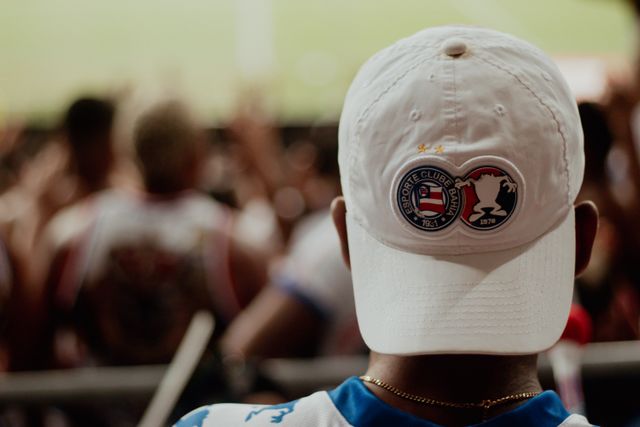

Sports have always been more than competition. For millions of people around the world, following a team or athlete can become part of personal identity, community, entertainment, and everyday life. Fans wear team jerseys, collect memorabilia, decorate their homes with sports merchandise, attend matches, discuss performances online, and participate in communities built around shared loyalty. What appears to be simple enthusiasm from the outside has developed into a sophisticated commercial ecosystem.
The business behind sports merchandise and fan communities connects professional sports organisations with retail, manufacturing, media, digital platforms, sponsorship, licensing, entertainment, and consumer marketing. A team’s relationship with its supporters does not end when a match finishes. In many cases, the emotional connection created by sport continues through products, social media, memberships, events, digital content, and community experiences.
Sports merchandise has therefore become an important part of the broader sports economy. Jerseys, caps, scarves, footwear, collectibles, signed products, accessories, lifestyle clothing, and limited-edition releases can transform fan loyalty into commercial activity. At the same time, digital communities provide sports organisations with direct relationships with audiences that can extend far beyond stadiums.
Understanding this business requires looking beyond the products themselves. The real commercial value lies in the relationship between sporting identity and consumer behaviour.
Why Fans Buy More Than Products
A sports jersey is technically a piece of clothing, but for many supporters it represents something much more meaningful. It may communicate loyalty to a team, connection to a city, admiration for an athlete, memories of important matches, or participation in a community.
This emotional dimension distinguishes sports merchandise from many ordinary consumer products. A fan may purchase a shirt not because it is fundamentally different from another shirt but because the design represents a team or player with whom the buyer has an emotional connection.
Sports organisations and merchandise companies therefore operate within a market where identity is an important part of purchasing behaviour. The product becomes a physical representation of belonging.
This is also why merchandise can remain commercially relevant even when a team is not playing. A supporter can wear a jersey to work, university, a social event, or while watching a match at home. The sporting relationship becomes visible in everyday life.
The Economics of Sports Licensing
Licensing is one of the foundations of the sports merchandise industry. A sports organisation typically owns or controls valuable intellectual property associated with its brand, including names, logos, symbols, colours, player imagery, and other commercial assets.
Rather than manufacturing every product itself, a sports organisation may license its intellectual property to approved manufacturers and retailers. These partners can produce and sell merchandise under agreed contractual conditions.
Licensing allows sports brands to expand across numerous product categories without having to build every manufacturing and distribution operation internally. Clothing companies, toy manufacturers, collectible producers, gaming companies, food brands, and other businesses can potentially participate in the commercial ecosystem through licensing agreements.
For rights holders, licensing can create an additional revenue stream while extending brand visibility. For manufacturers, association with a popular team or athlete can provide access to an established audience. The commercial value of a licensing agreement depends on factors such as the popularity of the sport, team, league, athlete, market, product category, and distribution strategy.
Jerseys as a Core Merchandise Category
Team jerseys are among the most recognisable forms of sports merchandise. They combine sporting identity with fashion and personal expression. A jersey may feature the team’s colours, logo, sponsor branding, competition details, and the name or number of a particular player. This allows consumers to choose between supporting the organisation as a whole and identifying with a specific athlete.
Player performance can influence merchandise demand. A breakout season, championship victory, major transfer, record-breaking performance, or international tournament can increase public attention and potentially stimulate interest in associated products.
However, merchandise demand is not determined by performance alone. Historical legacy, fan loyalty, cultural identity, design, nostalgia, and fashion trends can remain important factors.
Modern sportswear has also blurred the boundary between fan merchandise and everyday clothing. Some supporters purchase jerseys as lifestyle products even when they do not attend matches regularly.
Limited Editions and the Psychology of Scarcity
Sports merchandise businesses frequently use limited-edition products to create excitement. A product associated with a major anniversary, championship, special match, player milestone, or cultural collaboration may be produced in restricted quantities.
Scarcity can increase perceived exclusivity. Fans may feel that purchasing a limited product provides access to something that will not always be available.
Digital commerce has made these launches easier to promote. Sports organisations can announce a new product through social media and direct followers to an online store, allowing demand to develop rapidly.
Limited releases can also generate secondary conversations among fans. People may discuss designs, availability, authenticity, and collecting value across online communities.
The challenge is balancing scarcity with customer expectations. Excessive artificial scarcity or poor inventory management can frustrate supporters, particularly when popular products sell out quickly.
The Rise of Sports Collectibles
Collectibles represent another important segment of the sports merchandise economy. Trading cards, signed jerseys, balls, photographs, figurines, championship memorabilia, and other objects can appeal to fans who view sports products as items to preserve rather than simply use.
Collecting creates a longer-term relationship between the consumer and the sporting brand. A fan may build a collection over many years, acquiring objects connected to important moments, players, seasons, or competitions.
The value of collectibles can vary significantly depending on authenticity, rarity, condition, historical importance, player reputation, and market demand. This creates an ecosystem involving specialised retailers, collectors, auctions, authentication services, and online marketplaces.
Digital technology has also introduced new forms of sports collectibles. Digital items can represent moments, statistics, artwork, or other forms of fan engagement, although their commercial models and long-term value can vary considerably.
Fan Communities Are a Business Asset
Merchandise becomes more powerful when it is connected to an active fan community. A sports organisation with millions of followers across social platforms has a direct communication channel with potential consumers.
Fan communities can develop around teams, leagues, athletes, cities, universities, sports traditions, and specific competitions. These communities generate conversations before and after matches, share content, create memes, discuss performances, and participate in collective celebrations.
From a business perspective, an active community provides more than audience size. It provides engagement.
A supporter who regularly interacts with a team’s digital content may be more likely to notice merchandise launches, ticket announcements, membership programmes, sponsorship campaigns, and other commercial opportunities.
This means community management has become an important part of modern sports business strategy.
Social Media Has Changed Fan Engagement
Traditional sports marketing relied heavily on television, newspapers, radio, stadium advertising, and physical events. Social media has introduced a much more continuous relationship between sports organisations and supporters.
Teams and athletes can communicate directly with audiences through short videos, behind-the-scenes content, interviews, photographs, live updates, and interactive posts.
This constant communication can strengthen the emotional relationship between fans and sports brands. A supporter no longer has to wait for match day to engage with a team.
Social media can also support merchandise sales. A new jersey can be displayed through a player announcement, a behind-the-scenes video can reveal a new collection, and a limited release can be promoted directly to followers.
The boundary between content and commerce is therefore becoming increasingly connected.
Personalisation and Direct-to-Consumer Commerce
Digital commerce has allowed sports organisations to develop more direct relationships with customers. Instead of relying entirely on physical retailers, brands can operate online stores where fans purchase products directly.
Direct-to-consumer models can provide organisations with valuable information about customer behaviour. They may learn which products are popular, which regions generate demand, and which categories perform differently among customer groups.
Personalisation can also become part of the shopping experience. Fans may be able to customise jerseys with names and numbers or receive recommendations based on previous purchases.
However, collecting consumer information creates responsibilities around privacy, cybersecurity, transparency, and responsible data management.
The Role of Sponsorship and Merchandise
Sports merchandise is closely connected with sponsorship. Corporate sponsors often appear on team jerseys, training clothing, stadium environments, digital content, and promotional materials.
The commercial relationship benefits from the visibility created by fan engagement. When supporters purchase and wear team merchandise, sponsor branding may also receive exposure in everyday environments.
This creates an interconnected commercial system in which the value of a sponsorship can be influenced by the size and engagement of the fan base.
Sponsorship can also extend into merchandise collaborations. Brands may work with teams or athletes to create special collections that combine sporting identity with fashion, lifestyle, technology, or entertainment.
Athletes as Independent Brands
Modern athletes increasingly function as brands in their own right. A highly recognisable athlete can have millions of followers and significant influence over consumer behaviour.
Athlete merchandise may include clothing, footwear, accessories, collectibles, training products, and collaborations with external brands.
The commercial relationship between athletes and fans can be particularly strong because supporters may identify with an individual’s playing style, personality, achievements, or personal story.
This creates additional opportunities beyond traditional team merchandise. An athlete can potentially maintain a commercial audience even after changing teams, retiring, or moving into another part of the entertainment industry.
E-Commerce and Global Fan Communities
The internet has expanded the geographical reach of sports brands. A supporter no longer needs to live in the same city or country as a team to participate in its commercial ecosystem.
International fans can watch games online, follow social media accounts, purchase merchandise through global e-commerce platforms, and communicate with supporters in other countries.
This globalisation creates opportunities for sports organisations to reach new markets. A team with a strong international audience can potentially generate merchandise demand far beyond its home region.
However, international commerce also creates logistical challenges involving shipping, taxation, currency conversion, inventory, returns, customer service, and local regulations.
The Importance of Authenticity
As merchandise markets grow, authenticity becomes increasingly important. Fans want to know whether a product is officially licensed, genuinely signed, or accurately represents the organisation or athlete it claims to represent.
Counterfeit merchandise can affect legitimate businesses by competing with official products while potentially creating quality and consumer-protection concerns.
Sports organisations and licensing partners therefore invest in authentication systems, authorised retail networks, product labels, and other mechanisms designed to distinguish official products from unauthorised copies.
Digital authentication technologies may become increasingly important as merchandise becomes more valuable and globalised.
Data and the Modern Sports Fan
Data has become another important component of sports commerce. Organisations can analyse purchasing behaviour, website activity, engagement rates, ticket purchases, merchandise demand, and digital interactions to understand their audiences.
This information can help businesses determine when to release products, which designs to develop, how much inventory to produce, and which audiences to target.
However, data-driven marketing must remain responsible. Fans are not simply collections of behavioural statistics. Organisations need to maintain transparency about how information is collected and used.
Trust is particularly important in fan communities because commercial relationships are built on emotional loyalty. Poor data practices can damage that relationship.
Sustainability and the Future of Sports Merchandise
The sports merchandise industry is also facing questions about sustainability. Clothing production requires raw materials, energy, water, transportation, packaging, and other resources.
Sports brands are increasingly exploring recycled materials, more responsible manufacturing processes, improved packaging, and longer-lasting products.
Sustainability can become particularly meaningful when connected with fan communities. Supporters may want products that represent their favourite teams while also reflecting environmental values.
The challenge is ensuring that sustainability claims are supported by meaningful changes in production and supply chains rather than relying primarily on marketing language.
Why Fan Loyalty Creates Long-Term Commercial Value
One of the defining characteristics of sports business is the long-term nature of fan relationships. A customer may purchase many products from the same team over decades.
A young supporter may begin with a simple cap or scarf, later purchase a jersey, attend matches, collect memorabilia, subscribe to digital services, and eventually purchase merchandise for the next generation.
This creates a customer relationship that can extend across life stages.
The emotional nature of sports makes these relationships particularly durable. Teams can become associated with family traditions, childhood memories, local identity, friendships, and major life experiences.
For businesses, this means that the value of a fan is not necessarily limited to one transaction. The relationship itself can become a long-term commercial asset.
The Future of Sports Merchandise and Fan Communities
The future of sports commerce is likely to become increasingly digital, personalised, and community-driven. E-commerce, social media, artificial intelligence, data analytics, immersive experiences, connected devices, and new forms of digital content may change how fans interact with sporting organisations.
Fans may increasingly expect merchandise to be personalised and connected with digital experiences. A physical product could potentially provide access to exclusive content, community events, loyalty programmes, or digital experiences.
At the same time, traditional merchandise is unlikely to disappear. Physical jerseys, scarves, caps, signed products, photographs, and collectibles carry emotional and symbolic value that digital experiences cannot completely replace.
The strongest sports brands may therefore combine physical products with digital communities rather than treating them as separate businesses.
Conclusion
The business behind sports merchandise and fan communities is built on a powerful combination of identity, emotion, entertainment, and commerce. A jersey, cap, collectible, or digital product can become much more valuable to a supporter because it represents a team, athlete, community, memory, or shared experience.
Licensing, e-commerce, sponsorship, social media, personalisation, collectibles, data analytics, and direct-to-consumer platforms have transformed the commercial relationship between sports organisations and their audiences. Fans are no longer simply spectators who attend matches. They can become participants in large communities that remain active throughout the year.
The future of sports merchandise will likely depend on how effectively organisations balance commercial opportunities with authenticity, accessibility, privacy, sustainability, and genuine fan engagement. Technology can create new ways to connect supporters with teams and athletes, but the foundation of the business remains human.
People buy sports merchandise because sport means something to them. They join fan communities because shared passion creates a sense of belonging. The commercial power of sports emerges when businesses understand and respect that connection while creating products and experiences that allow fans to express it.
Online Internship with Certificate
You may be interested

When a Case Is Solved Years Later: How Forensic Advances Can Reopen Cold Investigations
Anshika Jain - Oct 22, 2026Some criminal investigations remain unresolved for years or even decades. Witnesses may be unable to identify a suspect, investigators may exhaust the available leads, and physical evidence…

Gold Smuggling Through Airports: How Investigators Trace Possible Links
Anshika Jain - Oct 22, 2026International airports are essential gateways for tourism, trade and global connectivity. Every day, thousands of passengers, airline employees, ground handlers, cargo workers and service providers move through…

Why Restrictions on Journalists Covering Protests Raise Questions About Press Freedom
Anshika Jain - Oct 22, 2026Public protests are among the most visible expressions of democratic participation. They provide citizens with an opportunity to challenge government decisions, demand accountability, raise concerns about injustice…
Most from this category

Political Allegations Versus Verified Evidence: How Readers Can Separate Claims from Facts
Anshika Jain - Oct 22, 2026
Voter List Revision in India: How Can Citizens Verify That Their Names Have Not Been Omitted?
Anshika Jain - Oct 22, 2026
Jantar Mantar Controversy: Can a Protest Site Be Restricted Without Limiting Democratic Expression?
Anshika Jain - Oct 22, 2026
Six Years of Arrest Delays: What the Delhi Court’s MCOCA Criticism Reveals
Anshika Jain - Oct 21, 2026
Political Allegations Versus Verified Evidence: How Readers Can Separate Claims from Facts
Anshika Jain - Oct 22, 2026Voter List Revision in India: How Can Citizens Verify That Their Names Have Not Been Omitted?
Anshika Jain - Oct 22, 2026Jantar Mantar Controversy: Can a Protest Site Be Restricted Without Limiting Democratic Expression?
Anshika Jain - Oct 22, 2026