

Why Train Travel Is Becoming Popular Again Among Young Travellers

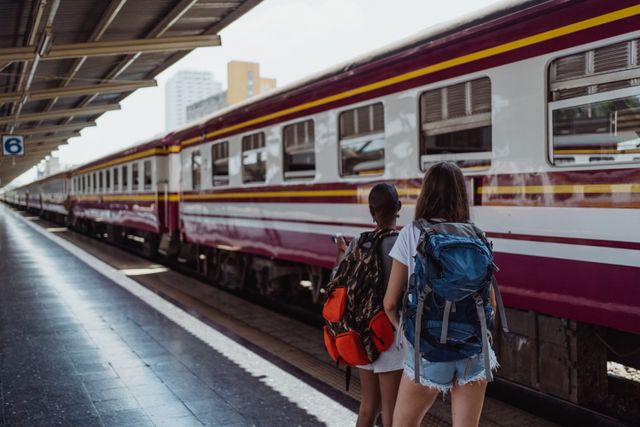

For many years, air travel was associated with speed, convenience, and modern mobility, while trains were often viewed as a traditional form of transportation. Young travellers in particular appeared increasingly drawn toward flights, ride-sharing services, and private vehicles that promised flexibility and shorter journey times. However, travel preferences are changing. Across many destinations, train travel is once again becoming an attractive option for younger generations who are looking for experiences that combine affordability, comfort, sustainability, social connection, and discovery.
The renewed interest in trains is not simply about choosing one mode of transport over another. It reflects a broader change in how young people think about travel itself. Instead of viewing transportation only as a way to reach a destination, many travellers increasingly see the journey as part of the experience. A train window can offer landscapes that would otherwise be missed, while long-distance journeys can create opportunities to read, work, listen to music, meet fellow travellers, or simply slow down.
The growth of digital travel platforms has also made train journeys easier to research and organise. Travellers can compare routes, book tickets through mobile applications, track trains in real time, find accommodation near stations, and document their experiences on social media. As a result, train travel is being rediscovered by a generation that is highly connected digitally but increasingly interested in authentic experiences away from screens.
The Journey Is Becoming Part of the Travel Experience
One of the strongest reasons behind the renewed interest in train travel is the changing relationship between travellers and the journey itself. Air travel is designed primarily around efficiency. Passengers move through airports, security procedures, boarding gates, and aircraft cabins with the expectation that the destination will arrive as quickly as possible. Trains offer a different rhythm.
A train journey allows travellers to observe the transition between places. Cities gradually become suburbs, suburbs become countryside, and landscapes change as the train moves through different regions. Mountains, rivers, agricultural fields, villages, forests, and urban centres can become part of the experience.
For younger travellers who increasingly value experiences over purely material forms of consumption, this slower movement can be appealing. The journey becomes something to remember rather than an inconvenient period between departure and arrival.
This idea is particularly relevant to the growing popularity of slow travel. Slow travel encourages people to spend more time understanding destinations, local communities, food, culture, and landscapes instead of attempting to visit as many places as possible within a short period. Train journeys naturally fit into this approach because they allow travellers to experience geographical transitions rather than simply flying over them.
Affordability Matters to Young Travellers
Cost remains an important consideration for students, young professionals, backpackers, and budget-conscious travellers. While train fares vary significantly by country, route, class, booking period, and demand, trains can provide economical alternatives for certain journeys, particularly when travellers consider the overall cost of transportation.
Long-distance trains can also reduce the need for separate airport transfers and other expenses associated with flying. In some cases, overnight trains can combine transportation and accommodation into one journey, allowing travellers to reach another destination without paying for a hotel for that night.
Young travellers are often willing to compare multiple options before booking. Digital travel platforms make this comparison easier, allowing users to evaluate train routes alongside flights, buses, and other transportation options. The decision is therefore increasingly based on the complete travel experience rather than simply the advertised ticket price.
For students and younger travellers planning trips with limited budgets, this flexibility can make train travel particularly attractive.
Sustainability Is Influencing Travel Choices
Environmental awareness is another factor contributing to renewed interest in rail transportation. Younger generations have grown up during increasing public discussion about climate change, carbon emissions, sustainable consumption, and environmental responsibility.
Rail transportation can be more energy-efficient than many forms of individual road travel and, on certain routes, can produce lower emissions per passenger than flying. The exact environmental impact depends on factors such as the type of train, electricity source, passenger occupancy, distance, and comparison mode. Nevertheless, rail is widely considered an important component of more sustainable transportation systems.
For environmentally conscious travellers, choosing a train can therefore become part of a broader effort to reduce the environmental impact associated with travel.
Sustainability does not necessarily mean that young travellers are abandoning air travel completely. Instead, some are becoming more selective about when flying is necessary and when alternative transportation is practical. For shorter and medium-distance journeys, trains can provide a compelling alternative where suitable infrastructure exists.
Social Media Is Giving Train Journeys a New Identity
Social media has played an unexpected role in making traditional forms of travel attractive again. Platforms built around photographs and short videos have transformed the way people discover destinations and travel experiences.
Train journeys provide naturally visual content. Scenic railways, historic stations, mountain routes, coastal tracks, sleeper compartments, dining cars, countryside views, and unusual railway architecture can all become part of travel storytelling.
Young travellers can share a journey through photographs, short videos, travel diaries, and social media posts. A train ride can therefore become more than transportation; it can become a story that is documented and shared.
This has contributed to a new visual identity for rail travel. Vintage trains may appeal to travellers interested in nostalgia, while modern high-speed trains can represent technology and efficiency. Scenic routes can become destinations in themselves, attracting travellers who are interested in the journey rather than simply using the train to reach somewhere else.
Trains Offer More Opportunities to Slow Down
Modern life is increasingly fast-paced. Students and young professionals often move between academic responsibilities, employment, digital communication, social media, and personal commitments. Travel can become another activity that is optimised for speed.
Train travel offers a different environment. Passengers can sit for several hours without having to actively control a vehicle. They can read books, work on laptops, listen to podcasts, watch downloaded content, write, photograph landscapes, or simply look outside the window.
For some travellers, this creates a sense of psychological separation from everyday routines. A train journey can provide a period in which there is less pressure to constantly move from one activity to another.
This does not mean every train journey is relaxing. Crowding, delays, noise, uncomfortable seating, or unreliable services can affect the experience. However, when conditions are favourable, trains can provide a form of travel that encourages passengers to enjoy the passage of time rather than constantly trying to minimise it.
The Appeal of Authentic Travel Experiences
Young travellers are increasingly interested in experiences that feel connected to local culture. This includes local food, traditional markets, neighbourhoods, festivals, public spaces, and interactions with residents.
Train stations can offer an interesting entry point into this experience. Unlike airports, which are often located far from city centres, railway stations in many places are situated within or close to central urban areas. This can make it easier for travellers to begin exploring a destination shortly after arrival.
Train journeys can also expose passengers to a wider cross-section of local life. People commute, travel for work, visit family, attend educational institutions, and move between cities by rail. Sitting in a shared public environment can provide a different perspective on everyday life than travelling within a private vehicle.
For younger travellers who want their journeys to feel less packaged and more connected to the places they visit, this can be an important attraction.
Night Trains Are Bringing Back a Different Kind of Adventure
Overnight trains have a special place in the renewed interest in rail travel. Instead of travelling during the day, passengers can board a train in one city, sleep during the journey, and arrive at another destination the following morning.
For young travellers, this can create a sense of adventure that is difficult to reproduce through conventional transportation. Sleeper compartments, shared cabins, railway dining experiences, and the changing scenery outside the window contribute to a distinctive atmosphere.
Night trains can also make long-distance travel more efficient. Rather than spending an entire day travelling, passengers may be able to use the night for transportation while preserving daytime hours for exploring.
The experience is not universally comfortable, and the quality of sleeper services varies considerably. Nevertheless, the concept of waking up in a different city or region has strong appeal among travellers who see transportation as part of the adventure.
Digital Technology Has Made Train Travel Easier
The revival of train travel is not a rejection of technology. In many ways, technology has helped make rail journeys more accessible.
Mobile applications allow travellers to search schedules, compare routes, purchase tickets, receive updates, access digital boarding information, and monitor delays. Mapping applications can help passengers understand station locations and connections, while online communities provide reviews, travel advice, route recommendations, and practical information.
This digital infrastructure is especially important for younger travellers who are comfortable organising journeys through smartphones. The traditional image of train travel involving complicated timetables and physical ticket counters is increasingly being replaced by a connected digital experience.
Technology can therefore combine the familiarity of modern travel planning with the slower physical experience of travelling by rail.
Train Travel and the Rise of Experiential Tourism
Tourism itself is changing. Many travellers are no longer satisfied with simply visiting famous landmarks and taking photographs. They increasingly want experiences that provide stories, cultural connections, personal discovery, and memorable moments.
Rail travel fits naturally into experiential tourism. A scenic railway can become a major attraction, while historic railway stations can become cultural destinations. Certain routes are known for landscapes, architecture, engineering achievements, or connections with regional history.
This has created a new category of travel in which the railway is not merely a transportation network but part of the destination experience.
Young travellers are particularly well positioned to participate in this trend because digital platforms allow them to discover unusual routes and experiences that may not have been widely promoted through traditional tourism channels.
The Romantic Appeal of Railways
There is also an emotional dimension to the renewed popularity of trains. Railways have long been associated with exploration, adventure, migration, discovery, and long-distance journeys.
Films, literature, photography, and popular culture have contributed to the romantic image of travelling by train. The sound of a moving train, the changing scenery, railway stations, compartments, and overnight journeys all create an atmosphere that is different from travelling by road or air.
For younger generations who did not necessarily grow up considering long-distance trains the dominant form of travel, this atmosphere can feel surprisingly new.
The appeal is partly nostalgic but also contemporary. Travellers can combine the traditional character of railway journeys with modern conveniences such as smartphones, wireless internet, digital entertainment, and online booking.
Regional Exploration Is Becoming More Attractive
International travel can be expensive and complicated, particularly for students and younger people with limited budgets. Train networks can encourage travellers to explore destinations closer to home.
Instead of planning a single major international holiday, a traveller may choose several shorter journeys to nearby cities, towns, historical sites, natural areas, or cultural destinations. This approach can provide a broader understanding of a region while reducing some of the costs and logistical challenges associated with international travel.
Rail networks can therefore support a more gradual style of exploration. A young traveller can begin with a weekend journey and eventually plan longer multi-city routes.
This can also encourage domestic tourism and help smaller destinations receive visitors who might otherwise concentrate only on major tourist centres.
The Future of Young Travellers and Rail
The renewed interest in train travel does not mean trains will replace flights, buses, cars, or other forms of transportation. Different modes of travel serve different purposes. Flights remain important for long-distance journeys where time is a major consideration, while cars offer flexibility for destinations with limited public transportation.
However, the growing interest in rail demonstrates that travel decisions are becoming more complex. Young travellers are considering not only speed but also cost, sustainability, comfort, scenery, cultural experience, technology, and personal enjoyment.
Rail systems that invest in reliable services, comfortable coaches, convenient digital booking, strong connectivity, accessible stations, and attractive long-distance routes may be particularly well positioned to benefit from this changing attitude toward travel.
The future of train travel among young people may therefore depend not only on nostalgia but also on how effectively railway networks adapt to contemporary expectations.
Conclusion
Train travel is becoming attractive again among young travellers because it offers something that fast-paced transportation does not always provide: an experience in which the journey itself has value. Affordability, sustainability, scenic landscapes, social interaction, digital convenience, regional exploration, and the growing popularity of slow and experiential travel are all contributing to the renewed interest in rail journeys.
For younger travellers, a train can be a practical transportation option, a way to explore unfamiliar landscapes, an opportunity to meet people, or simply a chance to experience a different pace of life. The combination of traditional railway culture and modern digital technology has created a new version of train travel that feels both familiar and contemporary.
As travel habits continue to evolve, trains may increasingly become part of a broader movement toward more thoughtful and experience-driven journeys. Rather than asking only how quickly they can reach a destination, young travellers are increasingly interested in what they can see, experience, learn, and remember along the way. In that sense, the renewed popularity of train travel represents not a return to the past, but a new way of understanding what the journey itself can offer.
Online Internship with Certificate
You may be interested

Why Do Heavy Rains Disrupt Transport Beyond the Monsoon Season?
Anshika Jain - Oct 23, 2026Heavy rainfall is often associated with India's monsoon season, when roads become waterlogged, railway services face delays and flights are diverted or cancelled. However, transport disruption is…

Women’s Safety After Dark: Why Street Design, Police Response Must Work Together
Anshika Jain - Oct 23, 2026A city’s safety cannot be measured only by its crime statistics, the number of police stations it operates or the cameras installed across its streets. For women,…

Paper Leaks and Accountability: Competitive Examinations More Trustworthy?
Anshika Jain - Oct 23, 2026Competitive examinations are among the most consequential gateways to education and employment in India. Examinations such as NEET, JEE, CUET, UGC-NET, UPSC and various government recruitment tests…
Most from this category

AI in Examinations: Institutions Detect Cheating Without Accusing Students?
Anshika Jain - Oct 23, 2026

Missing Children and Delayed Investigations: Inter-State Police Coordination Improve?
Anshika Jain - Oct 23, 2026
When a Case Is Solved Years Later: How Forensic Advances Can Reopen Cold Investigations
Anshika Jain - Oct 22, 2026
AI in Examinations: Institutions Detect Cheating Without Accusing Students?
Anshika Jain - Oct 23, 2026Medical Intern Stipend Protests: India’s Healthcare Training System
Anshika Jain - Oct 23, 2026Missing Children and Delayed Investigations: Inter-State Police Coordination Improve?
Anshika Jain - Oct 23, 2026