

Why Food Hygiene Is Becoming a Major Student-Activism Issue

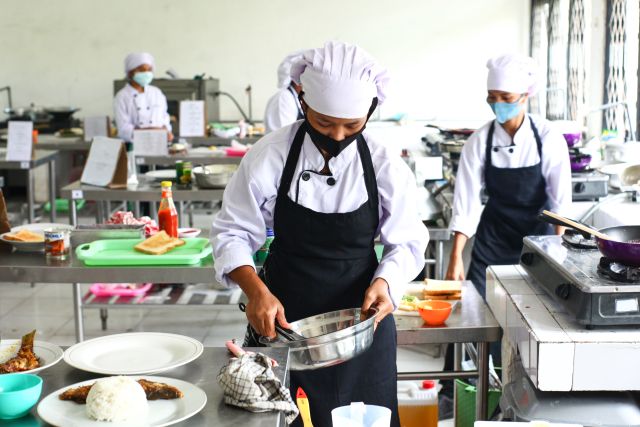

Food is one of the most basic parts of campus life, yet it is also one of the areas where students can feel that they have the least control. For students living in hostels, university residences, or paying-guest accommodation, meals are often provided through institutional messes, cafeterias, canteens, food courts, or contracted vendors. Unlike people who can easily choose where and what to eat every day, residential students may depend heavily on the food system available on or around their campus. As a result, questions about hygiene, food quality, kitchen sanitation, drinking water, storage practices, and vendor accountability can quickly become more than ordinary complaints. They can develop into organized student concerns and, increasingly, forms of campus activism.
Food hygiene has traditionally been treated as an operational responsibility involving kitchen staff, contractors, administrators, and regulatory authorities. Students were often expected to report individual problems through hostel wardens or administrative offices. However, the growing visibility of food-related complaints through social media has changed the way students communicate and organize. A photograph of an unhygienic kitchen, a video showing poor food-handling practices, or a group of students describing repeated problems can reach a much larger audience within hours. This has made food safety more visible as a collective campus issue.
The change is significant because food hygiene affects students at the intersection of health, money, education, institutional accountability, and everyday dignity. When students pay hostel or mess fees, they reasonably expect basic standards of cleanliness and safe food preparation. When those expectations are repeatedly questioned, students may begin asking not only whether a particular meal was prepared properly, but also who is responsible for monitoring the system and whether students have any meaningful role in demanding improvements.
Why Food Hygiene Matters So Much on Campus
University students spend a substantial part of their daily lives within educational institutions. For residential students, the campus can function almost like a complete living environment, providing accommodation, meals, classrooms, recreation, transportation, and other essential services. Food therefore occupies a different position from an occasional restaurant meal. It can be a daily necessity rather than a discretionary purchase.
This dependence makes hygiene problems particularly important. If students repeatedly encounter poorly maintained dining areas, inadequate food storage, contaminated water, improper handling of ingredients, pests, unclean utensils, or concerns about food preparation, they may have limited alternatives, particularly when meals are included within hostel arrangements or prepaid mess charges.
The issue also extends beyond visible cleanliness. Food safety involves the conditions under which ingredients are purchased, transported, stored, prepared, served, and preserved. Temperature control, cross-contamination, personal hygiene among food handlers, water quality, waste disposal, pest control, and cleaning procedures can all influence food safety. A dining hall may appear clean to students while problems remain elsewhere in the food-handling process.
This complexity is one reason why students increasingly expect institutions to treat food hygiene as a systematic responsibility rather than responding only after a serious complaint emerges.
From Individual Complaints to Collective Action
The evolution of student activism around food hygiene is closely connected to the difference between an individual complaint and a collective demand. A student who finds something unusual in a meal may initially report it to the mess manager or hostel administration. If the issue is resolved, the matter may end there. But repeated complaints can create a different dynamic.
When several students experience similar concerns, they may begin to see the problem as institutional rather than individual. They may ask for kitchen inspections, changes in vendors, better cleaning schedules, improved food-storage systems, or greater transparency about food procurement. The focus shifts from “something was wrong with my meal” to “what system allowed this to happen repeatedly?”
This transition is a defining characteristic of student activism. Activism does not necessarily require large demonstrations. It can take the form of petitions, student association meetings, formal representations, campus surveys, social-media campaigns, peaceful protests, meetings with administrators, or collective requests for inspection.
Food hygiene is particularly suited to collective organizing because students encounter the same food infrastructure every day. A shared dining facility creates a common experience, making it easier for students to identify recurring concerns and discuss possible solutions.
Social Media Has Changed the Visibility of Food Complaints
Digital platforms have dramatically changed the speed at which campus food-safety concerns can become public. Students can record photographs and videos using smartphones and share them through social networks, messaging groups, student communities, or online forums.
This visibility can help draw attention to issues that might otherwise remain confined to internal complaint systems. When a large number of students encounter the same concern, online discussion can create pressure for institutions to respond publicly and explain what action is being taken.
However, digital visibility also creates responsibilities. A photograph or video may demonstrate a genuine concern, but online posts can sometimes circulate without sufficient context. Students, institutions, vendors, and audiences may interpret the same incident differently. Therefore, responsible student activism should distinguish between documented observations and unverified allegations.
The most constructive approach is to preserve evidence, identify the specific issue, communicate it through appropriate channels, and seek verification where possible. Social media can amplify a concern, but institutional investigation remains important when the allegation involves food contamination, illness, negligence, or regulatory violations.
The Economics Behind Campus Food
Food hygiene activism is also connected to the economics of university life. Students frequently pay mess fees, hostel charges, cafeteria prices, or other food-related expenses. When food quality is perceived as poor despite these payments, dissatisfaction can become stronger because students view the issue through both a safety and value-for-money perspective.
The economics can become more complicated when food services are outsourced. Universities may contract private vendors to manage dining facilities, kitchens, or cafeterias. In such arrangements, responsibility can become divided between the institution and the contractor. Students may not always know which organization is responsible for procurement, kitchen management, quality inspections, or complaint resolution.
This creates an important transparency question. Students may want to know how vendors are selected, what food-safety standards are included in contracts, how frequently inspections occur, and what happens when standards are not met. Transparency does not necessarily mean revealing commercially sensitive information, but institutions can communicate the basic framework through which food services are monitored.
Clear responsibility can also reduce confusion when problems arise. If students know where to report an issue and what process follows, complaints are less likely to disappear into informal conversations.
Food Hygiene and the Right to a Safe Learning Environment
Students do not attend universities only to obtain qualifications. They spend years of their lives within these institutions, and their ability to learn can be influenced by basic living conditions.
Food-related illness can potentially disrupt attendance, examinations, laboratory work, internships, assignments, and other academic activities. Even when a food complaint does not result in confirmed illness, persistent concerns about food quality can affect students’ confidence in campus facilities.
This makes food hygiene part of a broader discussion about the learning environment. Educational institutions invest heavily in classrooms, laboratories, digital infrastructure, libraries, and academic services. Residential and dining infrastructure is equally important for students who depend on campus facilities for everyday living.
A student cannot easily separate academic life from basic living conditions when they spend most of their time on campus. Food, water, sanitation, accommodation, and security form part of the environment in which education takes place.
Why Students Want Greater Transparency
One of the strongest themes in food-hygiene activism is the demand for transparency. Students may want information about where ingredients come from, how kitchens are inspected, how complaints are recorded, and what corrective action follows a reported problem.
Transparency can also involve communication after an incident. If an institution receives a serious food-safety complaint, students may expect to know whether an inspection was conducted, whether samples were tested when appropriate, whether the kitchen was temporarily closed if necessary, and what preventive steps were introduced.
The exact procedures will differ between institutions and jurisdictions. However, the underlying expectation is relatively straightforward: students want to understand how the institution responds when a basic service does not meet expected standards.
A transparent response can also prevent misinformation. When institutions provide clear factual information, students are less dependent on rumors circulating through informal networks.
The Role of Food-Safety Regulation
Campus food services do not operate entirely outside the wider food-safety framework. In India, food businesses are subject to food-safety requirements administered through the Food Safety and Standards Authority of India and relevant state and local authorities. The regulatory framework covers areas such as food standards, hygiene, licensing, and food-business responsibilities.
For students, awareness of this regulatory framework can change the nature of activism. Instead of framing every complaint simply as a disagreement between students and administrators, students can ask whether appropriate food-safety standards are being followed and whether responsible authorities have been informed when necessary.
At the same time, students should distinguish between a complaint, an allegation, and a confirmed regulatory violation. An unpleasant meal or suspected contamination may justify investigation, but it does not automatically establish the cause or responsibility. Proper inspection and evidence are important, particularly when claims could affect individuals, vendors, or institutions.
This distinction strengthens student activism because fact-based complaints are more likely to support meaningful institutional action than generalized accusations.
Food Quality, Nutrition, and Student Well-Being
Food activism is not limited to hygiene. Students increasingly discuss nutrition, meal diversity, affordability, portion sizes, water quality, food waste, and dietary requirements alongside cleanliness.
For students living away from home, campus meals may account for a significant proportion of their daily diet. Concerns can therefore extend beyond whether food is safe to consume and include whether meals provide reasonable nutritional variety.
Vegetarian students, students with allergies or intolerances, and students with specific dietary or cultural requirements may also have particular concerns. Institutions have to balance operational limitations with the needs of a diverse student population.
The broader conversation demonstrates how food services have evolved from being viewed as simple hostel conveniences to being considered an important part of student welfare.
The Growing Role of Student Committees
One potential response to rising food-related activism is the creation or strengthening of student participation mechanisms. Student mess committees can provide a structured channel through which residents communicate recurring concerns to administrators and vendors.
Such committees can help distinguish isolated dissatisfaction from systematic problems. They can also facilitate regular feedback rather than forcing students to organize only after a serious incident.
Participation can extend to periodic discussions about menus, cleanliness, dining-area maintenance, complaint procedures, and vendor performance. The institution still retains administrative responsibility, but students gain a recognized mechanism for contributing observations.
This approach can also reduce confrontation. When communication exists continuously, students do not necessarily need to wait for a major incident before raising concerns.
Why Institutions Need to Take Repeated Complaints Seriously
Repeated complaints can provide useful signals about weaknesses in an institutional system. Even when individual complaints do not establish a serious violation, patterns can indicate areas requiring closer examination.
For example, recurring reports about food temperature, insects, stale ingredients, dirty utensils, or inadequate cleaning may indicate the need for a systematic inspection. Similarly, repeated complaints about drinking water can justify testing and infrastructure assessment rather than simply treating each report as an isolated inconvenience.
Institutions can therefore use student feedback as an early-warning mechanism. A responsive administration does not have to accept every allegation as proven, but it can create procedures for investigating credible concerns.
This distinction between accepting a complaint and investigating a complaint is important. Institutions can maintain due process while still taking student concerns seriously.
Responsible Student Activism and Evidence
Student activism is most effective when concerns are communicated responsibly. Food-safety allegations can have serious consequences for workers, vendors, administrators, and institutions. Therefore, students should distinguish what they personally observed from what they believe may have caused an incident.
Documentation can be useful when raising concerns. Dates, locations, photographs, receipts, meal details, and records of previous complaints can help establish patterns. When students report illness, medical documentation may also become relevant, although health information should be handled carefully and privately.
Responsible activism does not mean avoiding criticism. It means making criticism specific enough that institutions can investigate and respond. The objective is not simply to create visibility but to improve the conditions that produced the concern.
The Future of Food Activism on Campus
The growing attention to food hygiene reflects a broader transformation in how students understand their relationship with educational institutions. Students increasingly expect universities to be accountable not only for teaching but also for the services that support student life.
Food is particularly powerful within this conversation because it is immediate, collective, and unavoidable. Students eat every day, often within shared facilities, making food quality one of the most visible indicators of everyday institutional management.
As digital communication continues to expand, food-related concerns are likely to become increasingly visible. Students can organize faster, share information more widely, and connect campus experiences with broader conversations about food safety and consumer rights.
At the same time, universities may need stronger systems for responding to complaints, documenting inspections, communicating corrective actions, and involving students in service evaluation.
Conclusion: From Complaints to Institutional Accountability
Food hygiene is becoming a significant student-activism issue because it sits at the intersection of basic welfare, institutional responsibility, financial expectations, health, and student participation. For students who depend on campus dining facilities, food safety is not an occasional concern. It is part of everyday life.
The rise of food-related activism does not necessarily represent a rejection of university administration. In many cases, it reflects a demand for clearer accountability and more responsive systems. Students want to know that when they raise concerns about food, water, kitchens, or dining facilities, those concerns will be investigated rather than dismissed.
The most constructive campus food-safety systems are therefore likely to involve multiple layers of responsibility. Administrators need effective monitoring mechanisms, food-service providers need to follow applicable standards, regulators need to enforce relevant requirements, and students need accessible channels through which they can report concerns and participate in discussions about campus services.
Ultimately, the growing focus on food hygiene demonstrates that student activism is expanding beyond traditional academic issues. Questions about what students eat, how it is prepared, who monitors it, and how complaints are handled can become questions about institutional accountability itself. As universities evolve into increasingly complex communities for learning and living, food safety is becoming part of a much larger conversation about what students should be able to expect from the institutions they call home.
Online Internship with Certificate
You may be interested

Why Tracking Satellites Has Become a Strategic Technology for Modern Nations
Anshika Jain - Oct 02, 2026Space has become an increasingly important part of modern infrastructure. Satellites support communications, navigation, weather forecasting, agriculture, disaster management, scientific research, financial services, television, internet connectivity and…

Can AI Help Cities Identify Pollution Sources Before They Become Public-Health Emergencies?
Anshika Jain - Oct 02, 2026Air pollution has traditionally been managed by measuring what is already happening. Monitoring stations record concentrations of pollutants, environmental agencies publish air-quality readings, and public authorities respond…

From Hostel Rules to Security: Women Students Demanding Participation in Decisions
Anshika Jain - Oct 02, 2026For many women students, university life is not limited to classrooms, examinations, assignments, internships, and career preparation. It also involves navigating a set of institutional rules that…
Most from this category

Nirma University Women’s Safety Protest: Why Students Held a “Black Day” on Campus
Anshika Jain - Oct 02, 2026
The 527-Day Hunt: How Investigators Tracked a Suspect Linked to the Pahalgam Attack
Anshika Jain - Oct 02, 2026
When a Celebrity Becomes Part of a Regulatory Investigation: What Happens Next?
Anshika Jain - Oct 01, 2026
The Evidence Problem in High-Profile Crime Cases: Why Early Investigation Matters
Anshika Jain - Oct 01, 2026
Nirma University Women’s Safety Protest: Why Students Held a “Black Day” on Campus
Anshika Jain - Oct 02, 2026The 527-Day Hunt: How Investigators Tracked a Suspect Linked to the Pahalgam Attack
Anshika Jain - Oct 02, 2026When a Celebrity Becomes Part of a Regulatory Investigation: What Happens Next?
Anshika Jain - Oct 01, 2026