Methane Regulation Reversal: Lower Energy Costs or Long-Term Public Health

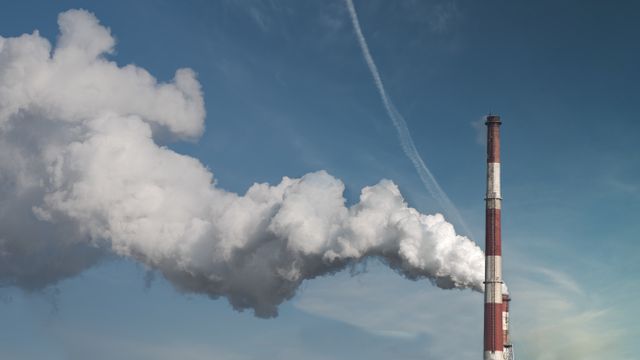

Methane regulation has become an important issue at the intersection of energy policy, environmental protection and public health. Governments around the world are under pressure to make energy affordable, maintain reliable supplies and protect industries that depend on natural gas, oil and other fossil fuels. At the same time, growing scientific evidence about methane emissions has strengthened calls for stricter monitoring, leak prevention and pollution controls. When governments consider weakening, delaying or reversing methane regulations, the debate extends beyond environmental targets. It raises a difficult economic and social question: should immediate reductions in energy costs take priority over the long-term health and environmental benefits of controlling methane pollution?
Methane is a powerful greenhouse gas released through natural processes and human activities, particularly the production, processing, transportation and use of fossil fuels. Although methane remains in the atmosphere for a shorter period than carbon dioxide, it has a much stronger warming effect over a period of approximately 20 years. Reducing methane emissions can therefore deliver meaningful climate benefits in the relatively near term. Methane regulation also intersects with air quality because oil and gas operations can release other pollutants alongside methane, including volatile organic compounds and hazardous air pollutants.
Supporters of regulatory relief argue that strict requirements can increase operating expenses, raise compliance costs and potentially contribute to higher energy prices. Critics, however, warn that weakening controls may increase pollution, delay climate progress and expose nearby communities and workers to avoidable health risks. The challenge for policymakers is to understand the full economic consequences of both approaches rather than evaluating regulations solely through their immediate effect on energy bills.
Understanding Methane Regulation and Its Purpose
Methane regulation refers to government policies designed to limit methane releases from activities such as oil and natural gas extraction, processing, storage and distribution. These rules may require companies to detect and repair leaks, monitor equipment, reduce emissions from specific operations, report pollution levels and adopt technologies that prevent unnecessary releases.
Methane can escape from wells, pipelines, compressors, storage facilities, processing plants and other equipment. Some emissions result from accidental leaks, while others are associated with intentional venting or routine operational practices. Flaring, which burns unwanted gas, can reduce methane releases when performed efficiently, but it is not a complete solution because it produces carbon dioxide and can release other pollutants when combustion is incomplete.
Regulatory systems attempt to address these sources through inspection schedules, equipment standards, emissions limits and reporting requirements. The exact rules differ between countries and jurisdictions, depending on their energy systems, industrial structures and environmental priorities.
The purpose of these regulations is not necessarily to stop fossil fuel production immediately. Instead, they aim to reduce avoidable emissions while energy systems continue to operate. Many methane-control measures also have an economic dimension because captured methane can sometimes be processed and sold rather than released into the atmosphere. This creates an opportunity to combine pollution prevention with more efficient resource use.
Why Governments Consider Reversing Methane Regulations
Regulatory reversal or relaxation is often presented as a way to reduce pressure on energy producers and improve affordability. Companies operating in the oil and gas sector may face costs associated with installing monitoring equipment, conducting inspections, repairing leaks, upgrading infrastructure and maintaining emissions records. These requirements can be particularly challenging for smaller operators with limited financial and technical resources.
Governments concerned about energy security may also argue that additional compliance obligations could slow production or discourage investment. If companies believe that operating costs are rising unpredictably, they may postpone projects, redirect investment or reduce activity in certain regions. Policymakers may therefore view regulatory flexibility as a way to support domestic energy production and protect employment.
Energy prices are influenced by several factors, including international commodity markets, supply and demand, transportation capacity, taxation, geopolitical developments and infrastructure constraints. Regulation is only one component of this wider system. However, during periods of high energy prices, governments may face political pressure to demonstrate that they are reducing unnecessary costs for businesses and households.
A reversal may involve removing certain requirements, extending compliance deadlines, changing inspection frequencies or exempting specific categories of facilities. These changes can provide short-term relief to regulated companies, but their wider economic consequences depend on how much money is saved, whether those savings reach consumers and what additional environmental or health costs may result.
The Argument for Lower Energy Costs and Industrial Flexibility
Affordable energy is an important part of economic stability. Households rely on electricity, heating and cooking fuels, while businesses require dependable energy for manufacturing, transportation, agriculture and digital infrastructure. When energy prices increase, the effects can spread across the economy through higher production costs, transportation expenses and consumer prices.
Supporters of reducing methane regulations argue that companies should not be required to undertake expensive upgrades when those costs may affect investment and production. They often emphasise that energy markets are interconnected and that additional compliance expenses could place domestic producers at a disadvantage compared with competitors operating under less demanding regulatory systems.
Smaller oil and gas businesses may face a different financial reality from large companies. A major producer may have dedicated environmental teams, specialised monitoring systems and access to capital for equipment upgrades. A small operator may find the same requirements more difficult to implement. A regulatory framework that does not account for these differences could create disproportionate financial pressure.
Another argument concerns the practical effectiveness of regulation. Critics may question whether highly prescriptive requirements produce emissions reductions proportional to their cost. They may prefer performance-based standards that allow companies to choose the most efficient technologies and methods for controlling emissions.
These arguments deserve consideration. Poorly designed regulation can create administrative burdens without delivering equivalent environmental improvements. However, reducing compliance costs does not automatically guarantee lower energy bills for consumers. Whether regulatory savings translate into meaningful price reductions depends on competition, market conditions and the structure of energy supply.
The Public Health Consequences of Methane Emissions
Methane itself is not generally considered a major direct toxic air pollutant at the concentrations typically encountered in outdoor environments. Its importance to public health is closely connected to its role in atmospheric chemistry and the pollution sources that frequently accompany its release. Methane contributes to the formation of ground-level ozone, a harmful air pollutant that can affect respiratory health.
Ground-level ozone forms when nitrogen oxides and volatile organic compounds react in sunlight. Methane contributes to the background concentration of ozone across large regions, making it part of a wider atmospheric process rather than simply a pollutant confined to the immediate area around a gas facility. Reducing methane emissions can therefore help limit ozone formation and deliver air-quality benefits, although the scale of improvement depends on other emissions and atmospheric conditions.
Ozone exposure can irritate the respiratory system, worsen asthma and reduce lung function. Children, older adults and people with existing respiratory or cardiovascular conditions can be particularly vulnerable. Long-term exposure to elevated ozone levels is associated with significant health concerns, while short-term episodes can increase respiratory symptoms and contribute to hospital visits. Methane-control policies may therefore support public health indirectly by reducing one of the contributors to ozone pollution.
The public-health debate also includes pollutants released directly by oil and gas operations. Depending on the facility, these may include benzene, formaldehyde, other volatile organic compounds and hazardous air pollutants. Some of these substances have established links to serious health effects, including certain cancers and neurological or respiratory problems. Methane regulations do not necessarily control every pollutant released by these facilities, but monitoring and equipment improvements designed to reduce leaks and emissions can sometimes reduce multiple pollutants at the same time.
This distinction is important. Methane is not interchangeable with every other pollutant associated with fossil fuel operations. A comprehensive assessment must examine methane’s climate contribution, ozone formation and the other substances that may be emitted from the same industrial sources.
Why Nearby Communities Face Different Risks
The consequences of methane-related industrial activity are not distributed equally. Communities located near extraction sites, compressor stations, processing facilities and pipelines may experience greater exposure to industrial emissions than populations living far from these operations. The level of risk depends on facility design, local weather, pollution controls, surrounding land use and the chemical composition of emissions.
Some communities may also face cumulative exposure. This occurs when several industrial facilities or pollution sources operate within the same region, creating a combined environmental burden. Looking at one facility in isolation may therefore underestimate the overall exposure experienced by nearby residents.
People living close to oil and gas infrastructure may have concerns about air quality, noise, traffic, accidental releases and the long-term effects of industrial development. These concerns can be particularly significant where residents have limited access to healthcare, environmental monitoring or the resources required to challenge industrial decisions.
Weakening methane requirements could reduce the frequency of inspections or delay the repair of leaking equipment, depending on the specific regulatory changes. If that results in more uncontrolled emissions, nearby communities may face additional environmental exposure. However, the extent of any health impact cannot be established from methane emissions alone. It requires local monitoring, pollutant-specific measurements and epidemiological research.
Public health policy must therefore consider not only national emissions totals but also where pollution occurs and which populations are most exposed. A regulation that produces a modest national emissions reduction may still offer important benefits to communities located near high-emitting facilities.
The Climate Connection: Why Methane Reduction Matters
Methane is a major contributor to human-caused climate change. It traps heat in the atmosphere and contributes substantially to warming, particularly over shorter assessment periods. Although methane remains in the atmosphere for roughly a decade on average, its warming influence during that period is considerably stronger than that of carbon dioxide on a per-tonne basis.
This makes methane reduction an important part of near-term climate action. Cutting emissions can slow the rate of warming more quickly than relying exclusively on reductions in carbon dioxide, which remains in the atmosphere for much longer. Methane controls are not a substitute for reducing carbon dioxide emissions, but they can complement broader climate policies.
Climate change also has consequences for public health. Higher temperatures can increase heat-related illness, worsen some air-quality conditions and place additional pressure on healthcare systems. Changes in rainfall patterns and extreme weather can affect food production, water availability and the spread of certain infectious diseases. Vulnerable populations often face the greatest risks because they may have fewer resources to adapt.
Methane regulation therefore has a wider public-health dimension. Its benefits are not limited to the immediate surroundings of oil and gas infrastructure. By reducing a powerful greenhouse gas, effective controls can contribute to limiting future climate-related health pressures.
The timing of these benefits is also relevant. Climate-related health risks develop through complex interactions, and no single methane policy can prevent them independently. Nevertheless, reducing avoidable methane emissions can contribute to a broader strategy for protecting public health over the coming decades.
Do Methane Regulations Actually Increase Energy Bills?
One of the central questions in the regulation debate is whether stricter methane requirements make energy more expensive for households. Compliance can create costs for producers, particularly when new equipment, monitoring systems or infrastructure upgrades are required. Companies may attempt to recover some of these expenses through their commercial decisions.
However, the relationship between regulatory costs and consumer energy prices is not straightforward. Natural gas prices are influenced heavily by supply and demand, storage levels, weather conditions, international trade, pipeline capacity and geopolitical events. A change in regulatory requirements may affect production costs without producing a corresponding change in the price paid by consumers.
There is also an economic argument for stronger methane controls. Methane released through leaks represents gas that could potentially have been captured, processed and sold. Detecting and repairing leaks can therefore reduce waste and recover a valuable product. Whether this creates a financial benefit depends on the cost of detection and repair, the amount of gas recovered and prevailing market prices.
Some pollution-control measures may pay for themselves over time, while others require substantial investment and may not generate direct financial returns. This is why the economic assessment should examine individual technologies and facility types rather than assuming that every methane-control requirement is either prohibitively expensive or automatically profitable.
A well-designed regulatory framework can also reduce uncertainty by setting clear standards and predictable compliance timelines. Companies can plan investment more effectively when they understand what is required and when. Frequent policy changes, including sudden reversals, may create uncertainty of their own and make long-term investment decisions more difficult.
The Hidden Economic Costs of Weaker Regulation
The financial benefits of relaxing methane regulations are often easier to identify than the costs of increased pollution. A company may be able to calculate the money saved by delaying equipment upgrades or reducing inspection activity. The resulting health and environmental consequences, however, may appear across different communities, public services and future time periods.
Air pollution can contribute to healthcare expenses, missed workdays, reduced productivity and additional pressure on hospitals. Climate-related impacts can create further costs through infrastructure damage, agricultural disruption, extreme heat and emergency response requirements. These costs may not appear directly on the balance sheets of energy producers, but they can affect households, local governments and the wider economy.
Economists describe this problem through the concept of externalities. An externality occurs when the costs or benefits of an economic activity affect people who are not directly involved in the transaction. If fossil fuel operations generate pollution whose health consequences are borne by nearby residents or public healthcare systems, the market price of the energy may not reflect the full social cost of production.
Methane regulation attempts to address part of this imbalance by requiring operators to account for certain environmental impacts. Removing controls may reduce private compliance costs while transferring a greater share of the burden to the public. This possibility should be included in any serious evaluation of regulatory reversal.
Can Technology Reduce the Conflict Between Affordability and Health?
The debate does not have to be limited to choosing between expensive regulation and weaker environmental protection. Technological improvements may help reduce emissions while limiting the financial burden on operators.
Modern methane detection methods include infrared cameras, fixed monitoring sensors, aerial surveys, satellite observations and other remote-sensing technologies. These tools can help identify emission sources and prioritise repairs. Artificial intelligence can support the interpretation of monitoring data by detecting unusual patterns, identifying possible leaks and helping operators decide which equipment requires inspection.
Continuous monitoring may offer advantages over inspection systems that rely entirely on periodic visits. A leak can begin and change between scheduled inspections, while sensor-based systems may provide more frequent information. However, the effectiveness of continuous monitoring depends on sensor placement, calibration, data quality and the ability to verify suspected emissions.
Improved equipment design can also reduce routine releases. Technologies such as low-emission pneumatic devices, vapour recovery systems and improved compressor seals can help prevent methane from escaping during normal operations. Capturing gas that would otherwise be vented can also improve resource efficiency.
These technologies do not eliminate the need for regulation. Without clear standards, reporting obligations and independent verification, companies may have little incentive to maintain monitoring systems or invest in effective controls. Technology is most useful when it operates within a framework that rewards genuine emissions reductions and ensures that reported performance can be checked.
The Importance of Balanced and Evidence-Based Regulation
A sustainable methane policy should recognise that energy affordability, industrial competitiveness and public health are connected rather than completely separate priorities. Governments need to understand the financial position of energy producers while also considering the long-term costs of pollution and climate change.
One approach is to develop regulations that reflect differences in facility size, emissions intensity and available technology. Smaller operators may require longer implementation periods or technical assistance to meet certain standards, while large facilities with substantial emissions may be expected to adopt stronger monitoring and control systems. Such flexibility should not become a permanent exemption from pollution reduction.
Another important consideration is transparency. Public reporting of methane emissions, inspection findings and compliance performance can help communities understand the environmental conditions around industrial facilities. Independent verification is equally important because self-reported information may not always provide a complete picture of actual emissions.
Policymakers should also evaluate regulations using a broader cost-benefit framework. This means examining compliance expenses alongside the economic value of recovered gas, healthcare costs, pollution-related productivity losses and climate impacts. The analysis should consider who receives the financial benefits and who bears the environmental risks.
Regulatory decisions should be based on measurable outcomes. If a requirement is unnecessarily expensive or technically ineffective, it may need to be redesigned. If a control produces substantial emissions reductions and meaningful public-health benefits at a reasonable cost, removing it simply to reduce administrative obligations may create larger long-term problems.
What Should Policymakers Prioritise?
The question of whether lower energy costs or long-term public health should carry greater weight cannot be answered by treating either objective as optional. Affordable and reliable energy is essential for households and economic development. Public health is equally fundamental because the economic benefits of energy production cannot be considered sustainable if pollution-related costs are repeatedly transferred to communities.
A useful policy approach is to distinguish between genuine regulatory inefficiencies and essential environmental safeguards. Requirements that duplicate reporting, impose unnecessary administrative work or demand technologies that do not deliver meaningful reductions can be simplified. However, core obligations involving leak detection, timely repairs, emissions measurement and public accountability should not be weakened without strong evidence that alternative arrangements will provide equivalent protection.
Governments can also support a gradual transition by helping smaller businesses access monitoring technology, technical expertise and financing for equipment improvements. This may reduce the economic pressure associated with compliance while maintaining progress towards emissions reduction.
The distribution of benefits and costs should remain central to the discussion. Lower production costs do not automatically result in lower household bills, just as stricter environmental standards do not automatically guarantee better health outcomes. Both claims need to be assessed through evidence about market behaviour, actual emissions and population exposure.
Conclusion
Methane regulation reversal represents a difficult policy challenge because it brings immediate economic concerns into conflict with environmental and public-health responsibilities that extend far into the future. Relaxing certain requirements may reduce compliance expenses for energy producers and provide greater operational flexibility. However, those savings must be weighed against the possibility of increased methane emissions, greater contributions to ground-level ozone, additional pollution exposure and higher long-term climate-related costs.
The strongest argument for effective methane regulation is not simply that methane contributes to global warming. It is that avoidable emissions can often be reduced through practical measures that also improve resource efficiency, while poorly controlled industrial pollution can create costs beyond the companies responsible for producing the energy.
At the same time, regulation must remain economically realistic. Policies that ignore differences between operators, overlook technological limitations or impose costs without measurable environmental benefits may become difficult to sustain. Governments should focus on improving regulatory design rather than assuming that complete reversal or unrestricted regulation is the only available choice.
Ultimately, lower energy costs may provide immediate economic relief, but long-term public health represents a much broader measure of national well-being. The most responsible approach is to protect essential methane controls, simplify ineffective requirements and encourage technologies that make emissions reduction more affordable. Energy affordability should be pursued without sacrificing the health of communities or transferring environmental costs to future generations.
Online Internship with Certificate
You may be interested

India’s Telecom Market After Jio Platforms’ Listing: Consumer Value
Anshika Jain - Nov 03, 2026India's telecom industry has entered a significant new phase following the stock-market listing of Jio Platforms on October 28, 2026. The listing marked a major milestone for…

Medicines and Household Budgets: Patients Compare Real Cost of Treatment
Anshika Jain - Nov 03, 2026The cost of healthcare is often measured by the price printed on a medicine package or the amount charged at a pharmacy counter. However, the real financial…

Digital Census Infrastructure: Technology Make Large-Scale Data Collection
Anshika Jain - Nov 03, 2026Large-scale population data collection is essential for understanding how societies change, where public services are needed and how governments should distribute resources. A national census, for example,…
Most from this category

University Protests and Failed Negotiations: Responsibilities Do Institutions Have
Anshika Jain - Nov 03, 2026
Industrial Accident Aftercare: Environmental Monitoring Continue After a Chemical Disaster
Anshika Jain - Nov 03, 2026
Climate Change as a Health Emergency: Researchers Calling for Global Health Action?
Anshika Jain - Nov 02, 2026
Rising Commodity Costs: How Do Supply Disruptions Reach Household Budgets?
Anshika Jain - Nov 02, 2026
University Protests and Failed Negotiations: Responsibilities Do Institutions Have
Anshika Jain - Nov 03, 2026Industrial Accident Aftercare: Environmental Monitoring Continue After a Chemical Disaster
Anshika Jain - Nov 03, 2026Climate Change as a Health Emergency: Researchers Calling for Global Health Action?
Anshika Jain - Nov 02, 2026