University Protests and Failed Negotiations: Responsibilities Do Institutions Have

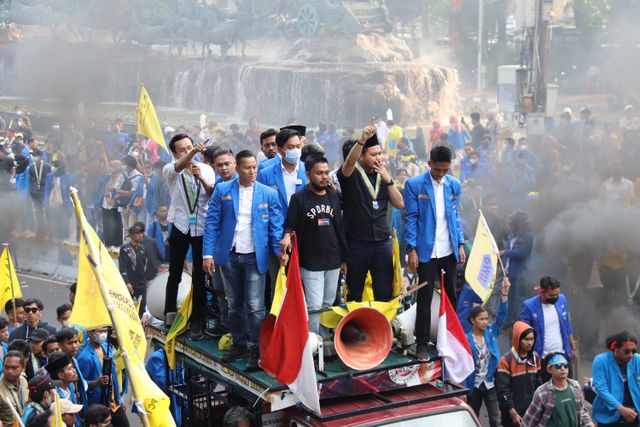

Universities are expected to provide more than academic instruction. They are institutions responsible for creating environments where students can learn, express concerns, participate in discussions and develop the confidence to question decisions that affect their education. However, disagreements between students and university administrations can become increasingly difficult when complaints remain unresolved, negotiations fail and institutional responses do not address the concerns being raised. In such circumstances, protests may emerge as a visible expression of dissatisfaction and a demand for accountability.
University protests can develop around a wide range of issues, including tuition fees, examination policies, hostel conditions, discrimination, faculty conduct, administrative decisions, campus safety, scholarship delays and restrictions on student representation. While some disagreements can be resolved through ordinary complaint procedures, others become prolonged because students believe their concerns have been ignored or because the institution considers its decisions justified and final.
When negotiations fail, universities face responsibilities that extend beyond restoring normal campus operations. They must examine the reasons behind continuing grievances, protect students’ rights, communicate decisions transparently and establish credible mechanisms for resolving disputes. At the same time, institutions have to maintain academic continuity, protect the safety of everyone on campus and ensure that disagreements do not lead to intimidation or violence.
The central question is not simply how universities should respond when students protest. It is whether institutions have fulfilled their responsibilities when grievances continue despite repeated discussions. A university’s response to prolonged student dissatisfaction can reveal the strength of its governance, the independence of its complaint systems and its commitment to treating students as members of an academic community rather than merely recipients of educational services.
Why University Protests Often Continue After Negotiations
Student protests rarely become prolonged without underlying reasons. In many cases, dissatisfaction develops over time as students encounter administrative decisions, communication failures or conditions they believe are unfair. An individual complaint may initially appear manageable, but when similar concerns are raised by multiple students and remain unresolved, the issue can develop into a wider institutional dispute.
One reason negotiations fail is the difference between what students expect and what university authorities are prepared to offer. Students may demand that a decision be withdrawn, a policy revised or an independent investigation conducted. Administrators may instead offer a review, a temporary adjustment or an explanation of existing rules. Although both sides may participate in discussions, they may not agree on what would constitute a satisfactory resolution.
Trust also plays a significant role. If students believe that earlier assurances were not fulfilled, they may be reluctant to accept another verbal commitment. Similarly, university administrators may feel that repeated protests make it difficult to conduct meaningful discussions. Without mutual confidence, negotiations can become formal exercises rather than genuine attempts to resolve the dispute.
Another difficulty arises when the university does not clearly communicate what happens after a meeting. Students may not know who is responsible for implementing an agreed decision, when the next update will be provided or how unresolved issues will be escalated. This uncertainty can create the impression that discussions are being used to delay action.
Protests may therefore continue even after several rounds of negotiations because the underlying problem is not simply a lack of meetings. It may be a lack of credible outcomes, accountability and confidence in the process.
The Institutional Responsibility to Listen and Investigate
Universities have a responsibility to provide accessible channels through which students can raise concerns without fear of retaliation. These channels should be capable of receiving complaints, assessing evidence, communicating decisions and identifying appropriate remedies. A complaint mechanism that exists only on paper cannot adequately address serious or recurring grievances.
When a protest begins, institutional authorities should make a genuine effort to understand the issues being raised. This requires distinguishing between different types of complaints rather than treating the protest as a single administrative inconvenience. For example, concerns about examination results may require academic review, while allegations of harassment may require a confidential investigation through an appropriate independent process.
Listening should involve more than inviting student representatives to a meeting. Administrators need to document the concerns, identify which departments are responsible and explain what action can realistically be taken. Where a complaint involves serious misconduct, the institution should ensure that it is examined impartially and that relevant evidence is preserved.
Universities should also recognise that students may not always have equal access to administrative decision-makers. Students from disadvantaged backgrounds, those with disabilities or those who fear academic consequences may find it difficult to raise concerns publicly. Confidential and accessible complaint procedures are therefore essential to ensuring that institutional responses do not favour only the most visible or influential groups.
An institution demonstrates accountability when it can show that grievances have been received, assessed and addressed through a fair process. Simply stating that the administration has listened is not sufficient if students cannot see how their concerns have influenced the decision-making process.
Transparency and Accountability During Failed Negotiations
Transparency becomes especially important when discussions between students and university authorities reach an impasse. In the absence of clear information, rumours can spread, positions can become more rigid and students may lose confidence in official explanations.
Universities should communicate the status of negotiations, the issues under consideration and the reasons why particular demands may or may not be accepted. If an institution cannot implement a requested change because of regulatory requirements, financial limitations or academic standards, it should explain those constraints clearly. Students may disagree with the outcome, but a reasoned explanation is more constructive than silence or vague assurances.
Accountability also requires institutions to identify who has the authority to make decisions. In complex universities, responsibility may be divided between departments, examination boards, governing bodies, affiliated colleges and external regulatory authorities. Students should not be left moving between offices without knowing which authority can resolve their concerns.
When an agreement is reached, the institution should record the commitments and establish a realistic implementation process. If the administration promises to review a policy, for example, it should specify who will conduct the review and when the findings will be communicated. If a decision cannot be implemented immediately, the university should provide a clear explanation and an expected timeline.
This approach can prevent negotiations from becoming repetitive. It also makes it possible for students and administrators to assess whether progress is being made rather than relying on conflicting accounts of what was discussed.
Protecting the Right to Peaceful Student Expression
Students are members of an academic community and should be able to express disagreement with university policies and administrative decisions. Peaceful demonstrations, petitions, assemblies and student representation can form part of legitimate campus participation. Universities should not automatically interpret criticism or protest as misconduct.
The right to express grievances is important because universities are environments where debate, independent thinking and examination of authority should be encouraged. Students who question administrative decisions are participating in institutional life, particularly when those decisions affect fees, examinations, accommodation, academic opportunities or campus conditions.
However, the protection of peaceful expression does not mean that every action during a protest is automatically acceptable. Institutions have a responsibility to protect students, staff and visitors from violence, threats, property damage and intimidation. The challenge is to distinguish peaceful dissent from conduct that creates a genuine safety risk.
University rules governing demonstrations should be clear, proportionate and applied consistently. Restrictions on the location or timing of protests may sometimes be necessary to protect access to essential facilities or prevent serious disruption, but such restrictions should not be used simply to suppress criticism.
Disciplinary action should also follow fair procedures. Students should know what conduct they are accused of, have an opportunity to respond and receive decisions based on evidence. Collective punishment, arbitrary suspension or retaliation against students for participating in peaceful demonstrations can deepen institutional distrust and undermine the legitimacy of the administration.
The Responsibility to Maintain Campus Safety
Prolonged protests can create difficult situations for universities, particularly when disagreements intensify or negotiations break down. Institutions must ensure that students, faculty members, administrative staff and other campus users can move safely and access essential services.
Safety responsibilities include responding to threats, preventing physical confrontations and ensuring that emergency facilities remain accessible. Universities should also consider the safety of students who do not participate in protests but may be affected by disruptions, intimidation or the closure of campus services.
The response to a protest should be based on the actual level of risk. Peaceful gatherings should not be treated as equivalent to violent incidents. Excessive or indiscriminate enforcement can increase tensions, while a failure to address credible threats can expose people to harm.
Where external law enforcement becomes involved, university authorities should communicate the reasons for requesting assistance and take steps to protect students’ rights. The institution should not transfer all responsibility for managing a campus dispute to security personnel. Administrative dialogue and grievance resolution remain essential even when safety measures are required.
Mental health support is another important part of campus safety. Prolonged disputes, uncertainty about academic progress and fear of disciplinary action can create significant stress. Universities should ensure that counselling and student support services remain accessible during periods of unrest.
Independent Grievance Redressal and the Problem of Institutional Bias
One of the most important responsibilities of a university is to ensure that complaints against the institution can be examined fairly. When the same administrative department accused of making an unfair decision is also responsible for reviewing the complaint, students may question the independence of the process.
Independent grievance mechanisms can help address this problem. Depending on the institution’s structure and applicable regulations, these may involve ombudspersons, student grievance committees, external reviewers or other bodies with appropriate authority. Their purpose is to provide an impartial route for examining disputes and recommending corrective action.
An effective mechanism should have clear procedures, defined timelines and protection against retaliation. Students should understand how to submit evidence, how their information will be handled and what options are available if they disagree with the outcome.
Independence also requires appropriate institutional authority. A committee that can only receive complaints but cannot request documents, examine decisions or recommend meaningful remedies may have limited practical value. Universities should ensure that grievance bodies have sufficient access and that their recommendations receive serious consideration.
For recurring disputes, independent review can help determine whether the problem is isolated or reflects a wider institutional weakness. For example, repeated complaints about examination delays may indicate a procedural issue rather than unrelated individual incidents. Identifying such patterns can help universities improve their systems and prevent future protests.
Academic Continuity and the Protection of Student Futures
A prolonged university protest can affect teaching schedules, examinations, research activities, internships, placements and graduation timelines. Students may support the demands being raised but still worry about losing academic opportunities. Others may disagree with the protest but face disruption because of decisions made by the administration or changes to campus operations.
Universities have a responsibility to minimise unnecessary academic harm. If classes or examinations are postponed, institutions should communicate revised schedules as early as possible. Students should receive clear information about attendance requirements, assessment arrangements and any adjustments needed to protect their academic progress.
Particular attention should be given to students approaching graduation, those preparing for competitive examinations and students whose scholarships or employment opportunities depend on completing their programmes within a specific period. A dispute over institutional policy should not automatically place the academic futures of all students at risk.
At the same time, academic continuity should not be used as a justification for ignoring serious grievances. Maintaining the timetable may be important, but it does not resolve allegations of discrimination, unsafe conditions or unfair administrative practices.
A balanced approach requires universities to protect learning while continuing negotiations and investigations. Academic adjustments should be designed transparently and should not disadvantage students because they participated in peaceful protest or raised legitimate complaints.
The Role of Student Representation and Shared Governance
Student representation can make university decision-making more responsive by providing a formal route for communicating concerns. Student unions, elected representatives, departmental committees and consultation forums can help identify problems before they develop into major disputes.
However, representation is effective only when student representatives have meaningful access to decision-makers. If representatives are invited to meetings but cannot influence discussions, obtain relevant information or receive responses to their proposals, participation may become symbolic.
Universities should establish clear expectations for consultation. Students should know which decisions require consultation, how representatives are selected and how disagreements can be escalated. Institutions should also ensure that representation includes students with different academic, social and economic backgrounds rather than relying exclusively on a small group of highly visible voices.
Shared governance does not mean that every administrative decision must be approved by students. Universities have legal, financial and academic responsibilities that cannot always be transferred to student bodies. Nevertheless, meaningful consultation can improve the quality of decisions by identifying practical consequences that administrators may otherwise overlook.
A culture of participation can also reduce the likelihood of prolonged protests. When students have reliable opportunities to raise concerns and receive reasoned responses, they are less likely to feel that public demonstrations are the only available route to institutional attention.
What Universities Should Learn From Repeated Protests
Repeated protests should prompt universities to examine whether their existing governance systems are functioning effectively. If similar grievances appear across different departments or academic years, the institution should investigate the underlying causes rather than treating every protest as an isolated event.
This may require reviewing administrative procedures, examining patterns in student complaints and assessing whether institutional policies are being applied consistently. Universities should also evaluate whether their communication systems are accessible and whether students receive timely responses to important decisions.
A useful approach is to conduct an institutional review after a major dispute. Such a review can examine the original grievance, the sequence of administrative responses, the negotiation process and the reasons an agreement was not reached. Findings should be used to improve policies and complaint procedures.
The university should also consider whether its internal culture discourages students from speaking openly. If students believe that raising concerns could affect their grades, recommendations, scholarships or future opportunities, formal grievance systems may remain underused. Protection against retaliation is therefore central to meaningful accountability.
Ultimately, the ability to learn from disagreement is a sign of institutional maturity. Universities should not measure success only by how quickly protests end, but also by whether the conditions that produced the protest have been addressed.
The Indian Higher Education Context: Governance and Student Rights
In India, universities operate within a varied regulatory and institutional framework that includes central universities, state universities, private universities, deemed-to-be universities and affiliated colleges. Their internal grievance procedures may differ, but institutions are expected to comply with applicable laws, regulatory requirements and principles of fair administrative conduct.
The University Grants Commission has issued regulations concerning student grievance redressal in higher education institutions. These provide a formal framework for addressing certain categories of student complaints and establishing grievance redressal mechanisms. The precise procedures and applicable requirements depend on the regulations in force and the type of institution involved.
Universities must also consider relevant legal protections and constitutional principles, including equality, freedom of expression and procedural fairness, as applicable to the institution and circumstances. These principles do not remove the institution’s authority to maintain reasonable campus rules, but they reinforce the importance of proportionate and non-arbitrary decision-making.
When student grievances continue, institutions should ensure that internal complaint mechanisms are accessible and that students understand any available escalation routes. Where a matter falls within the authority of an external regulator or another public body, the university should explain the appropriate process rather than leaving students without guidance.
The Indian higher education sector is diverse, and the same administrative solution may not work for every institution. Nevertheless, transparent communication, independent review, fair procedures and meaningful student participation are relevant across different university settings.
Conclusion
University protests and failed negotiations are not simply disruptions that institutions must bring to an end. They can reveal deeper problems involving governance, communication, accountability and student participation. When grievances continue despite repeated discussions, universities have a responsibility to examine why their existing systems have failed to provide a credible resolution.
Institutions must listen to complaints, investigate allegations fairly, communicate decisions transparently and protect the right to peaceful expression. They must also maintain campus safety, minimise academic disruption and ensure that students are not punished arbitrarily for raising legitimate concerns. Independent grievance mechanisms and meaningful student representation can help prevent disagreements from becoming prolonged institutional conflicts.
At the same time, universities cannot resolve every dispute by accepting every demand. Some requests may conflict with academic standards, legal obligations or financial limitations. What matters is that decisions are supported by clear reasoning, fair procedures and opportunities for review.
A university’s responsibility does not end when students leave a protest site or negotiations formally conclude. It continues until the institution has made a genuine effort to address the underlying grievance and restore confidence in its decision-making processes. Ultimately, universities strengthen their academic credibility not by avoiding disagreement, but by demonstrating that criticism can lead to fair examination, institutional learning and meaningful improvement.
Online Internship with Certificate
You may be interested
Diwali Pollution Debate: Who Is Responsible for the Post-Festival Air Quality Crisis
Anshika Jain - Nov 04, 2026Diwali is celebrated across India with lights, family gatherings, sweets and festive traditions. However, the festival also brings an annual environmental debate into focus: why does air…

Gold and Silver Prices Fall Before Diwali: Should Buyers Wait or Purchase Now
Anshika Jain - Nov 04, 2026Gold and silver prices have experienced a sharp correction in the weeks leading up to Diwali 2026, creating an important buying decision for Indian households. The decline…
US Midterm Election Results: What Could Change for Indian Investors
Anshika Jain - Nov 04, 2026The 2026 United States midterm election results have introduced a new political equation in Washington, with potentially important consequences for global financial markets. Democrats have secured control…
Most from this category

Can Falling Crude Oil Prices Become a Trigger for an Indian Stock Market Rally
Anshika Jain - Nov 04, 2026



Can Falling Crude Oil Prices Become a Trigger for an Indian Stock Market Rally
Anshika Jain - Nov 04, 2026Sensex and Nifty at Two-Month Highs: Is the Rally Sustainable
Anshika Jain - Nov 04, 2026Why Are FIIs Returning to Indian Stocks in November 2026?
Anshika Jain - Nov 04, 2026