

Can Higher Inflation Change the RBI’s Interest-Rate Strategy in November

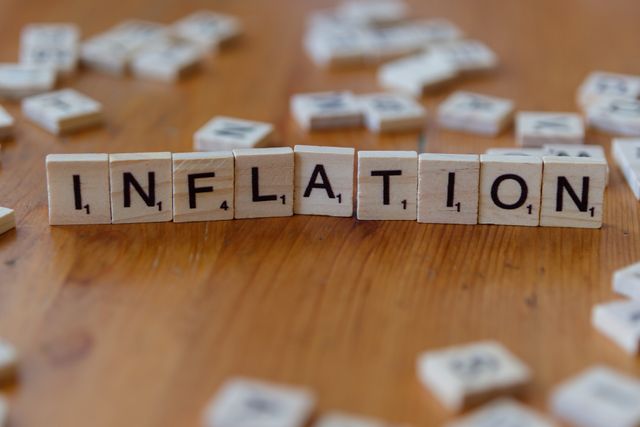

India’s inflation outlook has become an important concern for economic policymakers in November 2026. Rising food prices, higher energy costs, geopolitical tensions and fluctuations in international commodity markets are creating fresh challenges for the Reserve Bank of India (RBI). After a period in which monetary policy decisions focused on supporting economic growth, the return of stronger inflationary pressures has increased expectations that the central bank may need to maintain a tighter interest-rate approach.
The RBI faces a difficult balancing act. Higher interest rates can help control inflation by making borrowing more expensive and moderating demand across the economy. However, they can also increase loan repayments for households, raise financing costs for businesses and potentially slow investment. If inflation is primarily driven by supply-side disruptions, such as expensive crude oil or inadequate agricultural production, increasing interest rates cannot directly solve the underlying shortage or reduce international commodity prices.
The situation has become particularly significant because the RBI has already increased its policy repo rate and shifted towards a tightening approach. The central question in November is therefore not simply whether inflation is rising, but whether the increase is temporary or becoming broad-based enough to require further monetary policy action.
The answer will influence borrowing costs, home loan interest rates, business investment, consumer spending and financial market expectations as India approaches the RBI’s next Monetary Policy Committee meeting in December 2026.
Understanding Why Inflation Matters to the RBI
Inflation refers to the sustained increase in the prices of goods and services over time. When inflation rises, the purchasing power of money declines because households need to spend more to maintain the same standard of living. In India, the Consumer Price Index (CPI) is the primary measure used by the RBI to assess retail inflation and formulate monetary policy.
The RBI operates under an inflation-targeting framework in which the central bank aims to maintain CPI inflation at 4%, with an upper tolerance limit of 6% and a lower limit of 2%. This framework provides a reference point for monetary policy decisions while allowing the central bank to consider economic growth and other financial conditions.
When inflation remains close to the target, policymakers may have greater flexibility to maintain supportive interest rates. However, when price increases become persistent or move above the upper tolerance limit, the RBI may need to consider tighter monetary conditions to prevent inflation expectations from rising further.
The challenge is that inflation does not always originate from excessive consumer demand. It can also result from expensive imported energy, poor agricultural production, supply-chain disruptions, international commodity shortages and currency depreciation. These different sources require careful assessment because the effectiveness of interest-rate changes depends on the nature of the inflationary pressure.
Why Inflation Has Become a Major Concern in November 2026
Recent developments have increased concerns about India’s inflation trajectory. According to a Reuters report published on November 17, 2026, headline inflation had climbed to 6.1%, while food inflation had reached 8.5% and wholesale inflation had moved above 12%. The report attributed much of the pressure to supply disruptions, higher energy costs and weather-related agricultural challenges.
The increase is significant because headline inflation has moved above the RBI’s 6% upper tolerance limit. If such pressure continues, the central bank may become more concerned about the possibility that temporary price increases will spread into other parts of the economy.
Food inflation is especially important in India because food and beverages account for a substantial share of household consumption. Higher prices of vegetables, cereals, edible oils and other essential items can quickly affect family budgets. When households spend more on food, they may reduce expenditure on other goods and services, potentially weakening consumption demand.
Energy prices create another layer of pressure. India depends heavily on imported crude oil and LPG, making domestic costs sensitive to international prices and geopolitical developments. Higher fuel expenses can increase transportation, manufacturing and distribution costs, gradually influencing the prices of products beyond the energy sector.
The RBI’s October 2026 Monetary Policy Report had already identified rising food and fuel prices, increasing inflation expectations and the possibility of broader price pressures as important risks. The report projected CPI inflation at 5.2% for 2026–27, with inflation expected to reach 6.0% in the third quarter and 5.7% in the fourth quarter.
The latest developments suggest that the inflation outlook may be more challenging than policymakers had anticipated when preparing those projections.
What Has the RBI Done with Interest Rates So Far?
The RBI’s monetary policy decisions during 2026 show how its approach has changed as inflation risks have increased.
During the earlier part of the year, the Monetary Policy Committee maintained the policy repo rate at 5.25% while monitoring the effects of geopolitical uncertainty, energy prices and domestic economic activity. Policymakers initially considered it appropriate to wait for more information because much of the inflationary pressure originated from supply-side disruptions rather than excessive domestic demand.
However, the situation changed in October. After reviewing the inflation outlook and economic conditions, the Monetary Policy Committee increased the policy repo rate by 25 basis points, taking it from 5.25% to 5.50%. It also changed its policy stance to calibrated tightening.
The RBI explained that inflation was no longer as benign as it had been previously. It highlighted higher food and energy prices, an increase in core inflation and signs that price pressures were becoming more widespread. The committee also noted that the Indian economy remained resilient, giving monetary policymakers some room to prioritise price stability.
The change in stance was important because it indicated that immediate rate cuts were no longer the expected direction of policy. Future decisions would depend on whether inflation continued to rise, whether supply-side pressures spread into underlying prices and whether demand conditions created additional inflationary risks.
As of November 20, 2026, the policy repo rate remains at 5.50%. The next scheduled Monetary Policy Committee meeting is December 2–4, 2026.
How Higher Inflation Could Change the RBI’s November Strategy
A Greater Focus on Controlling Price Pressures
When inflation rises above the central bank’s comfort level, policymakers may become less willing to reduce interest rates. Even if economic growth remains strong, the RBI may prioritise controlling inflation to protect household purchasing power and maintain confidence in the economy.
A higher repo rate increases the cost at which banks obtain short-term funds from the central bank. This can influence lending rates across the financial system, making loans more expensive for consumers and businesses. As borrowing becomes costlier, some households may postpone major purchases, while companies may reconsider debt-funded expansion.
This moderation in spending can reduce demand-related inflation over time. However, the RBI must evaluate whether demand is actually contributing to rising prices. If inflation is mainly caused by international oil prices, agricultural shortages or supply-chain disruptions, higher interest rates may have limited immediate influence on the original source of the problem.
The Possibility of Another Interest-Rate Increase
The possibility of another repo rate increase has become a significant topic in financial markets. A Reuters poll published on November 20, 2026, found that 56 of 61 economists expected the RBI to raise the repo rate by another 25 basis points to 5.75% at its December 2–4 meeting. A majority of economists surveyed also expected a further increase in February 2027. These are market expectations, not confirmed RBI decisions.
The expectations reflect concerns that inflation could remain elevated for several months. If the RBI believes that higher prices are spreading beyond food and fuel into services, wages and other components of core inflation, it may consider additional tightening necessary.
However, the central bank is unlikely to make a decision based on one inflation reading alone. It will need to examine the persistence of price increases, changes in household inflation expectations, global energy prices, currency movements and the strength of domestic demand.
A rate increase would signal that the RBI considers inflation control a priority even if tighter financial conditions create some pressure on borrowers and businesses.
Why the RBI May Choose to Pause Instead
A pause remains a possible policy outcome if the RBI believes that the existing rate increase is sufficient or that inflation is being driven mainly by temporary supply-side factors. Monetary policy operates with a time lag, meaning that the effects of an interest-rate change are not visible immediately.
If the RBI raises rates too aggressively, it could weaken consumer spending and business investment before the inflationary shock has naturally eased. This is particularly important when higher prices originate from factors that domestic monetary policy cannot directly control.
For example, an increase in international crude oil prices can raise India’s import bill, but higher Indian interest rates cannot increase global oil production or immediately restore disrupted shipping routes. Similarly, an inadequate monsoon cannot be corrected through a repo rate increase.
A pause would therefore allow the RBI to assess how the October rate increase is affecting credit conditions and whether inflation is becoming more persistent. It would not necessarily indicate that the central bank is unconcerned about inflation. Instead, it could reflect a preference for allowing previous policy measures to work before taking another step.
The Difference Between Food Inflation, Core Inflation and Fuel Inflation
One of the most important considerations for the RBI is identifying which components are driving the increase in overall inflation. Headline inflation provides a broad picture of changes in consumer prices, but it does not explain whether the pressure is coming from food, fuel or other goods and services.
Food inflation is particularly sensitive to agricultural production, weather conditions, seasonal availability, storage facilities and transportation. A poor harvest can reduce the supply of particular commodities and increase their prices. Such increases can affect household budgets rapidly, especially when essential food products become expensive.
Fuel inflation is influenced by international crude oil prices, domestic fuel pricing decisions, taxes and the cost of energy distribution. When crude oil becomes expensive, transportation and production expenses may also increase, creating indirect price pressures throughout the economy.
Core inflation generally excludes food and fuel to provide a better understanding of underlying price movements. It can help policymakers determine whether price pressures are spreading into areas such as housing-related services, personal care, healthcare, education and other consumer categories.
The RBI’s October policy assessment noted that core inflation had increased to 4.2% in August 2026, while core inflation excluding precious metals stood at 2.9%. It also identified early signs of broader price pressures and highlighted the importance of monitoring second-round effects.
This distinction matters because a temporary increase in food prices may not require the same policy response as a sustained increase across a wide range of goods and services. If companies begin raising prices because their costs are increasing and workers demand higher wages to compensate for inflation, the initial supply shock can become more persistent.
The RBI will therefore need to determine whether inflation is remaining concentrated in a few categories or becoming embedded in the wider economy.
How Higher Interest Rates Can Affect Indian Households
A change in the RBI’s repo rate can influence household finances through the banking system. When the central bank increases its policy rate, banks may gradually adjust their lending and deposit rates depending on their funding costs, liquidity conditions and lending benchmarks.
Home Loans and Monthly EMIs
Home loan borrowers with floating interest rates may experience an increase in their monthly instalments or repayment periods when lending rates rise. The actual effect depends on the loan agreement, the benchmark used by the bank, the remaining repayment period and the lender’s rate-reset schedule.
For families already managing high housing expenses, a higher EMI can reduce the money available for household consumption. This may influence decisions about purchasing furniture, appliances, vehicles or other major products.
People planning to purchase property may also reconsider their borrowing capacity if loan rates increase. A higher interest rate can raise the total cost of financing a home, potentially affecting demand in the residential real estate market.
Personal Loans and Credit Card Expenses
Higher borrowing costs can also influence personal loans, vehicle loans and other forms of consumer credit. Households using loans to finance education, medical expenses, travel or major purchases may face higher repayment costs if their lending rates are revised.
Credit card borrowing can become particularly expensive when consumers carry outstanding balances rather than paying the full amount due. Although credit card rates do not always move directly with the repo rate, broader financial conditions and lender pricing decisions can influence borrowing costs.
For households with substantial debt, higher interest rates can make financial planning more difficult. This is one reason the RBI must consider the impact of monetary tightening on consumers while attempting to control inflation.
Savings and Fixed Deposits
Higher interest rates can also create opportunities for savers. Banks may increase deposit rates to attract funds, although the timing and extent of these changes vary between institutions.
Households that rely on fixed deposits or other interest-bearing savings products may benefit from improved returns when deposit rates rise. However, the real return depends on the difference between the interest earned and the rate of inflation.
If inflation increases faster than deposit returns, the purchasing power of savings may still decline. Therefore, higher nominal interest rates do not automatically mean that every saver becomes financially better off.
Why India’s Economic Growth Makes the RBI’s Decision Difficult
The RBI must consider inflation alongside economic growth. Increasing interest rates can reduce price pressures, but excessive tightening may affect investment, production, employment and consumer demand.
India’s economy has shown resilience despite international uncertainty. The RBI’s October 2026 policy assessment projected real GDP growth of 7.1% for the 2026–27 financial year. Strong private consumption, investment activity and services exports were among the factors supporting economic momentum.
Strong growth gives the central bank more room to address inflation without necessarily causing an immediate economic slowdown. If businesses are expanding, employment remains healthy and household demand is stable, a moderate increase in borrowing costs may be manageable.
However, the situation could become more complicated if higher energy prices begin affecting business profitability. Companies facing increased transportation, electricity and raw material costs may reduce investment or pass additional expenses to customers. If the RBI raises interest rates at the same time, businesses could face pressure from both higher operating costs and more expensive financing.
This creates a difficult policy decision. The central bank must prevent inflation from becoming persistent without weakening the economic activity needed to support employment and long-term development.
The Role of Crude Oil Prices and the Indian Rupee
International energy prices are an important part of India’s inflation outlook because the country depends heavily on imported crude oil. When global oil prices increase, the cost of importing energy rises, potentially affecting domestic fuel prices, transportation expenses, manufacturing costs and food distribution.
Geopolitical tensions in West Asia have increased uncertainty in international energy markets during 2026. Supply disruptions and concerns about shipping routes have contributed to higher energy costs, creating additional pressure on countries that rely on imported petroleum products.
The rupee’s exchange rate adds another dimension to this situation. Since crude oil is generally purchased in US dollars, a weaker rupee makes imports more expensive even when international oil prices remain unchanged. Conversely, a stronger rupee can reduce some of the pressure by lowering the domestic-currency cost of imported energy.
Recent developments in November have provided some relief to India’s currency market. Reuters reported on November 19 that foreign investors had returned to Indian financial markets and that lower oil prices had eased pressure on the rupee. The RBI had also reduced its intervention in the foreign exchange market compared with the previous month.
A stronger rupee may help moderate imported inflation, but it does not eliminate the risk of higher energy prices. If crude oil becomes more expensive again or geopolitical disruptions intensify, the RBI may face renewed pressure to maintain a restrictive monetary policy.
The central bank must therefore evaluate both international commodity prices and currency movements before deciding whether additional interest-rate action is necessary.
How RBI Decisions Could Influence Businesses and Financial Markets
Interest-rate decisions affect more than household loans. They influence the cost of capital for businesses, the attractiveness of financial investments and the movement of money through the banking system.
When interest rates increase, companies that depend on borrowing may face higher financing expenses. Businesses planning to construct factories, purchase machinery, expand warehouses or develop new infrastructure may reconsider their investment schedules if borrowing becomes significantly more expensive.
Small and medium-sized enterprises can be particularly sensitive to changes in lending costs because they may have limited access to alternative financing. Higher interest payments can reduce their available working capital and make it more difficult to manage rising input costs.
Financial markets also respond to expectations about future RBI decisions. When investors anticipate higher interest rates, government bond yields may increase, reflecting expectations of tighter monetary conditions. Equity markets can experience volatility because higher discount rates may reduce the estimated present value of future corporate earnings.
However, higher interest rates can also improve the attractiveness of certain fixed-income investments and potentially support the rupee by increasing returns on domestic financial assets. The actual effect depends on global interest rates, investor confidence, economic growth and the direction of international capital flows.
For the banking sector, higher rates can influence both deposit mobilisation and lending activity. Banks may benefit from improved lending margins in certain circumstances, but they also need to manage credit demand, borrower repayment capacity and the risk of deterioration in loan quality.
What Should Investors and Borrowers Watch Before the December Policy Meeting?
The RBI’s December meeting will be an important opportunity for policymakers to reassess the inflation outlook and determine whether the October rate increase has been sufficient. Several economic indicators will influence the decision, including the latest retail inflation figures, food and fuel price movements, core inflation, household expectations and international energy market conditions.
The RBI will also need to examine whether businesses are passing higher input costs on to consumers. If manufacturing companies, service providers and retailers begin increasing selling prices more frequently, inflation may become broader and more difficult to control.
Another important consideration will be domestic credit growth and consumer demand. If borrowing and spending remain strong despite higher prices, policymakers may see a greater risk of persistent demand-side inflation. However, if consumption begins slowing and supply-related pressures show signs of easing, the case for further tightening may become less compelling.
The December 2–4 meeting will therefore be closely watched by banks, borrowers, investors and businesses. Although a 25-basis-point increase is widely expected by economists surveyed by Reuters, the final decision will depend on the RBI’s assessment of incoming economic data and inflation risks.
For borrowers, it is sensible to evaluate existing loan commitments and avoid assuming that interest rates will decline immediately. Investors should also distinguish between short-term market reactions and the longer-term economic effects of monetary policy.
Conclusion: Higher Inflation Could Keep the RBI Focused on Tighter Monetary Policy
Rising inflation in November 2026 has created a more challenging environment for the Reserve Bank of India. Higher food prices, energy costs, geopolitical uncertainty and signs of broader inflationary pressure have increased the importance of maintaining price stability. The RBI has already responded by increasing the repo rate to 5.50% in October and shifting its stance to calibrated tightening.
The possibility of another rate increase has become more prominent as inflation has moved above the central bank’s upper tolerance limit. However, policymakers must consider whether the increase is driven by temporary supply disruptions or persistent price pressures across the economy. This distinction will determine how effectively interest-rate changes can control inflation without unnecessarily weakening growth.
For Indian households, tighter monetary policy could mean higher borrowing costs, changes in home loan EMIs and potentially better returns on certain savings products. Businesses may face more expensive financing, while financial markets could adjust to expectations of further rate increases.
Ultimately, the RBI’s November strategy is likely to remain focused on monitoring inflation carefully and preparing for the December policy decision. Its challenge is to control rising prices while protecting India’s economic momentum. A balanced approach will be essential because stable prices, affordable credit and sustainable growth are all important for the long-term health of the Indian economy.
Online Internship with Certificate
You may be interested

Cement Sector Earnings in Q3 FY27: Can Higher Prices Offset Rising Costs
Anshika Jain - Nov 20, 2026India’s cement industry is entering the third quarter of FY27 with an important profitability question: can higher cement prices protect company earnings from rising production and operating…

Oil Price Shocks and Indian Kitchens: Global Energy Costs Reach Household Expenses
Anshika Jain - Nov 20, 2026The price of cooking a meal in an Indian household is influenced by much more than the cost of vegetables, rice, wheat, pulses and edible oil displayed…
Why Can a Stronger Rupee Help Importers but Challenge Exporters
Anshika Jain - Nov 20, 2026A stronger rupee is often viewed as a positive development for the Indian economy because it increases the purchasing power of the domestic currency against foreign currencies…
Most from this category

Rupee Touches a Seven-Month High: Why Is the Indian Currency Gaining Strength
Anshika Jain - Nov 20, 2026
Foreign Investment Inflows and the Rupee: Global Investors Influencing India’s Currency
Anshika Jain - Nov 20, 2026
Wholesale Inflation Rises to 12.29%: Why Could Everyday Products Become More Expensive
Anshika Jain - Nov 19, 2026
India’s Inflation Crosses the RBI’s Comfort Zone: What Does It Mean for Household Budgets
Anshika Jain - Nov 19, 2026
Rupee Touches a Seven-Month High: Why Is the Indian Currency Gaining Strength
Anshika Jain - Nov 20, 2026Foreign Investment Inflows and the Rupee: Global Investors Influencing India’s Currency
Anshika Jain - Nov 20, 2026Wholesale Inflation Rises to 12.29%: Why Could Everyday Products Become More Expensive
Anshika Jain - Nov 19, 2026