

Cement Sector Earnings in Q3 FY27: Can Higher Prices Offset Rising Costs

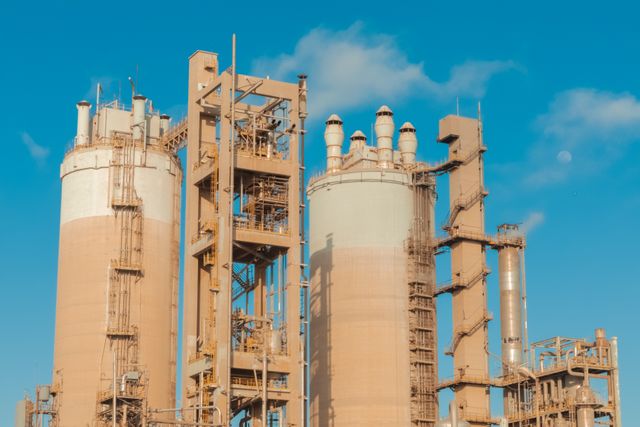

India’s cement industry is entering the third quarter of FY27 with an important profitability question: can higher cement prices protect company earnings from rising production and operating costs? Cement manufacturers operate in a market where profitability depends not only on sales volumes but also on realisations, fuel prices, freight expenses, power consumption and the efficiency of their plants. Even a modest increase in selling prices can improve margins when demand is strong, but the benefit may disappear if input costs rise faster.
The October–December 2026 quarter is still in progress as of November 20, 2026. Therefore, a full assessment of Q3 FY27 earnings will depend on the final quarterly results. The analysis below examines the sector’s operating conditions, pricing environment and major cost pressures that are likely to shape those results.
Understanding the Cement Industry’s Earnings Structure
Cement is a volume-driven industry, but higher sales alone do not guarantee stronger profitability. Manufacturers earn revenue through the quantity of cement sold and the average price realised per tonne. Their operating profit, however, depends on how much it costs to produce, transport and distribute that cement. This makes the relationship between selling prices and operating expenses particularly important when evaluating quarterly performance.
The sector’s earnings are commonly assessed through EBITDA per tonne, which indicates the operating profit generated from each tonne of cement sold before interest, taxes, depreciation and amortisation. When cement prices increase faster than production and distribution costs, EBITDA per tonne generally improves. However, when fuel, electricity, packaging and transportation expenses rise more quickly than selling prices, manufacturers can experience margin compression even when revenue and sales volumes increase.
The September quarter of FY27 demonstrated this challenge. According to Dolat Capital’s sector analysis, its coverage universe recorded a 13.9% year-on-year increase in revenue to approximately ₹58,980 crore, supported by higher sales volumes and improved realisations. Nevertheless, EBITDA declined 1.8% year-on-year, while EBITDA per tonne fell 10.4% to ₹834. This indicates that higher sales did not automatically translate into stronger operating profitability because costs increased significantly.
Cement Price Increases Create an Opportunity for Margin Recovery
One of the most important developments entering Q3 FY27 has been the increase in cement prices across several Indian markets. Manufacturers have attempted to pass a portion of their higher operating expenses on to customers through price revisions. These increases are important because cement companies have limited flexibility when it comes to reducing essential production costs, particularly energy and transportation expenses.
According to a November 3 sector update by JM Financial, average pan-India cement prices had increased by approximately ₹15–17 per 50 kg bag since the second half of September 2026. The increase was particularly strong in the non-trade segment, where prices reportedly rose by around ₹30–35 per bag. The report estimated that average prices were approximately 4–4.5% higher sequentially on a Q3-to-date basis.
Dolat Capital’s analysis also reported that trade cement prices increased by ₹6 per bag in September and another ₹9 per bag in October. Non-trade prices rose by approximately ₹5–20 per bag across markets during October. These price increases could improve average realisations during the quarter, provided manufacturers are able to maintain them without losing significant sales volumes.
The timing of these revisions is significant. Cement demand generally improves after the monsoon as construction activity resumes and infrastructure projects accelerate. This seasonal improvement can create a favourable environment for price increases because dealers, contractors and institutional buyers may require larger quantities of cement. When demand is healthy, companies have a better opportunity to maintain higher prices.
However, the sustainability of price increases is more important than the initial announcement. Cement manufacturers operate in a competitive market, and a price increase introduced by one company may not remain effective if competitors offer discounts to protect market share. The real test for Q3 FY27 will therefore be whether higher prices are accepted across regions and customer categories.
Rising Fuel and Energy Costs Remain a Major Challenge
Energy is one of the largest expenses in cement manufacturing. The production process requires high-temperature kilns, grinding equipment and other energy-intensive operations. Manufacturers rely on coal, petcoke, electricity and alternative fuels to operate their plants. Any significant increase in these costs can directly affect the profitability of cement production.
The recent rise in international fuel prices has created additional pressure for Indian cement companies. According to CRISIL Ratings, average petcoke and international coal prices increased by approximately 35% year-on-year during the first half of FY27, partly because of geopolitical tensions in West Asia. The agency estimated that power and fuel costs, which account for more than one-quarter of the industry’s total costs, had increased by around ₹100–125 per tonne compared with the previous fiscal year.
These increases create a difficult situation for manufacturers. Cement companies cannot always pass the full increase in energy expenses to customers because construction businesses and individual homebuilders are sensitive to price changes. If companies raise prices too aggressively, buyers may delay purchases, switch suppliers or negotiate lower rates. As a result, manufacturers must balance the need to protect margins with the need to maintain demand.
Fuel costs also affect companies differently depending on their production technology, energy mix, procurement contracts and geographical presence. Manufacturers with access to captive power plants, waste heat recovery systems, renewable energy and alternative fuels may have better protection against fluctuations in conventional fuel prices. Companies that depend more heavily on purchased electricity and imported fuels may experience greater cost volatility.
Freight and Logistics Expenses Could Reduce the Benefits of Higher Prices
Transportation is another important factor influencing cement sector earnings. Cement is a bulky product, and its distribution requires an extensive network of road transport, railways, warehouses and dealer channels. Manufacturers frequently transport cement over considerable distances from production facilities to construction markets. Consequently, changes in diesel prices, freight rates and distribution efficiency can have a direct impact on operating expenses.
Higher diesel prices can increase road transportation costs, while changes in railway freight charges and fuel surcharges can influence the economics of long-distance distribution. Companies operating in regions far from their main consumption markets may face additional expenses when transporting products to areas experiencing stronger demand.
Packaging expenses also matter because cement is commonly sold in bags. The cost of packaging materials can increase when raw material prices, manufacturing expenses or transportation costs rise. Although packaging may appear relatively small compared with energy expenses, it becomes significant when multiplied across millions of cement bags.
According to the September-quarter analysis reported by Dolat Capital, total operating costs per tonne increased 6.8% year-on-year to approximately ₹4,855. Power and fuel expenses alone increased 15.5% to ₹1,420 per tonne. These figures demonstrate why manufacturers need more than a modest increase in selling prices to achieve a meaningful recovery in operating margins.
Can Higher Cement Prices Offset Rising Costs in Q3 FY27?
The central question for the quarter is whether higher realisations can grow faster than the increase in operating expenses. Early sector estimates suggest that an improvement is possible. Dolat Capital expects EBITDA per tonne for its coverage universe to increase by approximately ₹135, or 16.2%, sequentially in Q3 FY27. Its projection is based on an estimated 2.1% increase in blended realisations and a 0.3% decline in operating expenses per tonne.
This forecast indicates that even a relatively small improvement in selling prices, combined with stable or slightly lower costs per tonne, could support a noticeable improvement in operating profitability. However, it is important to understand that this is an analyst estimate rather than a confirmed industry result. Actual performance will depend on how prices, volumes and input costs behave during the remainder of the quarter.
The extent of the benefit will also depend on the timing of price increases. If manufacturers implement higher prices early in the quarter, they can receive the benefit across a larger proportion of their sales. If price increases are introduced gradually, the improvement in average realisations may be limited. Similarly, fuel and packaging costs may take time to reflect in reported expenses because companies use existing inventories and procurement contracts.
Management commentary from the industry has also highlighted the potential benefit of recent price increases. The Economic Times reported in early November that cement companies were expecting improved profitability in the second half of FY27 as higher prices and seasonal demand supported their operations. Nuvoco Vistas’ management indicated that an average price increase of around ₹20 per bag could cover the expected cost increase if prices remained stable and costs rose within the anticipated range.
Nevertheless, the industry cannot assume that every price increase will translate into higher margins. If fuel prices rise sharply again or manufacturers face aggressive competition, the improvement could be smaller than expected.
Seasonal Demand Could Strengthen the Earnings Outlook
Demand is another major factor that could influence cement earnings during Q3 FY27. The September quarter is often affected by monsoon conditions, which can slow construction activity in several parts of the country. Rainfall can interrupt infrastructure work, delay housing construction and affect the movement of construction materials. As the monsoon season ends, building activity generally improves, supporting cement consumption.
The third quarter also benefits from a seasonal increase in construction activity ahead of the final quarter of the financial year. Government infrastructure projects, road construction, rail development, urban infrastructure and housing activity can contribute to higher demand. Private residential construction and commercial real estate development also influence cement consumption.
According to Dolat Capital’s September-quarter review, cement industry volume growth remained around 8–9% during Q2 and the first half of FY27, supported by infrastructure and housing demand. JM Financial estimated that industry demand grew in the low double digits year-on-year in October, although festive-season timing affected construction activity. It expected demand momentum to improve from mid-November as the peak construction season began.
Demand conditions are not identical across India. Northern, central and western markets may experience different consumption trends from southern and eastern regions because of variations in rainfall, government spending, construction activity and competitive intensity. Manufacturers with a strong presence in regions showing better demand may therefore report stronger volume growth and pricing power.
A broader improvement in consumption can also help manufacturers operate plants more efficiently. Higher capacity utilisation allows companies to spread fixed expenses across a larger volume of production. This can improve profitability even when the average selling price remains relatively stable. For Q3 FY27, the combination of higher volumes and improved realisations could therefore provide stronger support to earnings than price increases alone.
Regional Pricing Differences Could Influence Company Performance
India’s cement industry is highly regional in nature. Transportation expenses make it difficult for manufacturers to distribute cement economically across the entire country from a single production location. As a result, companies compete in regional markets, and pricing conditions can vary significantly between states and zones.
In markets where demand is strong and competition is relatively balanced, manufacturers may be able to implement price increases without losing substantial market share. However, regions with excess production capacity or aggressive competition may find it difficult to maintain higher prices.
The difference between trade and non-trade sales is also important. Trade sales generally involve distribution through dealers and retailers, while non-trade sales are made directly to institutional customers, contractors and large infrastructure projects. Pricing conditions in these segments can differ because institutional buyers often purchase in larger quantities and negotiate commercial terms directly with manufacturers.
JM Financial’s November analysis highlighted the sharper price increase in the non-trade segment compared with the trade market. This suggests that pricing improvements were not uniform across customer categories. Manufacturers with a favourable sales mix and strong relationships with institutional buyers may be better positioned to benefit from improved realisations.
For investors evaluating Q3 results, regional realisations, trade and non-trade sales mix, dealer inventory and competitive pricing behaviour will be important indicators. A company reporting strong volume growth may still experience margin pressure if it operates in a region where selling prices remain weak.
Capacity Expansion and Competition Could Limit Pricing Power
Although demand is expected to improve during the second half of FY27, the cement industry is also dealing with substantial capacity expansion. Major manufacturers are investing in new plants, grinding units and distribution facilities to increase their market presence. These investments are intended to capture future demand, but they can also increase competition when new production capacity becomes available faster than consumption grows.
According to Dolat Capital’s longer-term industry assessment, incremental cement supply of approximately 173 million tonnes per annum is expected during FY26–FY29, compared with additional demand of around 122 million tonnes over the same period. This projected supply-demand imbalance could restrict the industry’s ability to implement substantial price increases over the longer term.
Excess capacity does not necessarily mean that cement prices will decline immediately. Demand growth, regional supply distribution and manufacturers’ pricing discipline also influence market conditions. However, when companies have significant unused production capacity, they may be more willing to offer discounts to increase sales volumes. Such competition can reduce the benefits of higher prices.
Capacity additions also require investment in machinery, logistics and infrastructure. If new plants operate below their intended utilisation levels, companies may face pressure from depreciation, interest expenses and other fixed costs. Therefore, the ability to increase sales volumes and use newly installed capacity efficiently will remain important for earnings growth.
Cost-Efficiency Measures Could Protect Operating Margins
Cement companies are not entirely dependent on selling-price increases to manage profitability. They can also improve operating efficiency through technological upgrades, alternative fuels, renewable energy, better logistics and more efficient production processes.
Waste heat recovery systems allow manufacturers to capture heat generated during production and use it to generate electricity. This can reduce dependence on external power purchases. Solar and wind energy investments can also help lower long-term electricity expenses, although the benefits depend on project costs, energy availability and the company’s ability to integrate renewable power into its operations.
The use of alternative fuels, including certain industrial and municipal waste materials, can reduce dependence on conventional coal and petcoke. However, the availability and quality of alternative fuels, along with the investment required for processing, determine how quickly companies can expand their use.
Blended cement is another important part of the industry’s efficiency strategy. Products such as Portland Pozzolana Cement and Portland Slag Cement incorporate supplementary cementitious materials, reducing the clinker requirement per tonne of cement. Since clinker production is energy-intensive, reducing the clinker factor can lower fuel consumption and emissions while improving resource efficiency.
Companies are also investing in digital monitoring, automated plant operations and predictive maintenance. These technologies can help reduce equipment downtime, improve production consistency and optimise energy consumption. Over time, such improvements can create a more sustainable cost advantage than temporary price increases.
CRISIL Ratings expects profitability to face pressure in FY27, with operating profitability estimated at around ₹875–900 per tonne compared with approximately ₹980 per tonne in FY26. It also expects profitability to recover in the following fiscal year as commodity prices ease, renewable energy usage increases and cost-efficiency measures continue.
What Q3 FY27 Earnings Could Mean for Major Cement Manufacturers
The impact of higher prices and rising costs will differ across cement companies. Large manufacturers with diversified geographical operations, strong brands and extensive distribution networks may have greater flexibility to adjust selling prices. Their scale can also support procurement efficiencies, better logistics management and investments in cost-saving technologies.
Companies with a strong presence in high-demand regions may benefit from improved volumes and better price realisations. On the other hand, manufacturers operating in highly competitive markets may need to offer discounts to maintain market share. Their earnings recovery could therefore be slower even if the broader industry experiences higher prices.
The level of fuel efficiency is another important differentiating factor. Companies with captive power generation, waste heat recovery facilities, renewable energy capacity and access to alternative fuels may be less exposed to sudden increases in conventional energy prices. Manufacturers that rely heavily on external fuel and electricity purchases may face greater pressure.
Product premiumisation can also influence performance. Premium cement products designed for specific construction requirements can generate better realisations than standard products. Companies that successfully increase the share of premium products may improve their overall sales mix without relying entirely on industry-wide price increases.
Investors should therefore avoid assuming that all cement manufacturers will report the same earnings improvement in Q3 FY27. Company-specific factors such as regional presence, capacity utilisation, fuel mix, debt levels and product portfolio will determine how effectively each manufacturer converts higher prices into operating profit.
Key Factors to Watch Before the Q3 FY27 Results
The most important indicator will be blended realisation per tonne. Investors should examine whether the recent price increases are reflected in companies’ average selling prices and whether these improvements are consistent across regions. A rise in announced market prices is less meaningful if companies subsequently offer discounts to maintain sales.
The second major indicator will be operating cost per tonne. Fuel, electricity, freight and packaging expenses should be assessed together rather than individually. A company may successfully reduce one cost category while facing higher expenses elsewhere. EBITDA per tonne will provide a clearer picture of whether the overall improvement in realisations is translating into stronger operating profitability.
Volume growth and capacity utilisation will also matter. Higher sales volumes can improve fixed-cost absorption, while weak demand may reduce the benefit of improved prices. Investors should additionally monitor inventory levels, dealer demand and the pace of new capacity additions.
Finally, management guidance on fuel procurement, renewable energy investments, capital expenditure and pricing discipline can provide insight into the sustainability of earnings improvement beyond the current quarter. These factors will help distinguish temporary margin recovery from a longer-term improvement in operating performance.
Conclusion: Can Higher Prices Offset Rising Costs?
The Indian cement sector has an opportunity to improve earnings in Q3 FY27 as higher selling prices and seasonal demand recovery support operating performance. Recent price increases across trade and non-trade markets have improved the possibility of stronger realisations, while infrastructure spending and post-monsoon construction activity could support higher sales volumes. Analyst estimates also indicate the potential for a sequential improvement in EBITDA per tonne.
However, the recovery is unlikely to be uniform or completely free from cost pressures. Higher petcoke and coal prices, transportation expenses, packaging costs and regional competition could restrict the improvement in margins. Capacity expansion may also limit manufacturers’ ability to sustain aggressive price increases over the longer term.
Ultimately, higher cement prices can offset rising costs when manufacturers successfully maintain those increases, protect sales volumes and control operating expenses. Companies with efficient plants, diversified markets, strong distribution networks and a favourable product mix are likely to be better positioned. Q3 FY27 could therefore mark an improvement in sector profitability, but the durability of that recovery will depend on the balance between pricing power, input-cost movements and demand growth.
Online Internship with Certificate
You may be interested

Can Higher Inflation Change the RBI’s Interest-Rate Strategy in November
Anshika Jain - Nov 20, 2026India's inflation outlook has become an important concern for economic policymakers in November 2026. Rising food prices, higher energy costs, geopolitical tensions and fluctuations in international commodity…
Oil Price Shocks and Indian Kitchens: Global Energy Costs Reach Household Expenses
Anshika Jain - Nov 20, 2026The price of cooking a meal in an Indian household is influenced by much more than the cost of vegetables, rice, wheat, pulses and edible oil displayed…

Why Can a Stronger Rupee Help Importers but Challenge Exporters
Anshika Jain - Nov 20, 2026A stronger rupee is often viewed as a positive development for the Indian economy because it increases the purchasing power of the domestic currency against foreign currencies…
Most from this category

Rupee Touches a Seven-Month High: Why Is the Indian Currency Gaining Strength
Anshika Jain - Nov 20, 2026
Foreign Investment Inflows and the Rupee: Global Investors Influencing India’s Currency
Anshika Jain - Nov 20, 2026
Wholesale Inflation Rises to 12.29%: Why Could Everyday Products Become More Expensive
Anshika Jain - Nov 19, 2026
India’s Inflation Crosses the RBI’s Comfort Zone: What Does It Mean for Household Budgets
Anshika Jain - Nov 19, 2026
Rupee Touches a Seven-Month High: Why Is the Indian Currency Gaining Strength
Anshika Jain - Nov 20, 2026Foreign Investment Inflows and the Rupee: Global Investors Influencing India’s Currency
Anshika Jain - Nov 20, 2026Wholesale Inflation Rises to 12.29%: Why Could Everyday Products Become More Expensive
Anshika Jain - Nov 19, 2026