E-Waste After the Festive Shopping Season: Is India’s Recycling Infrastructure Ready

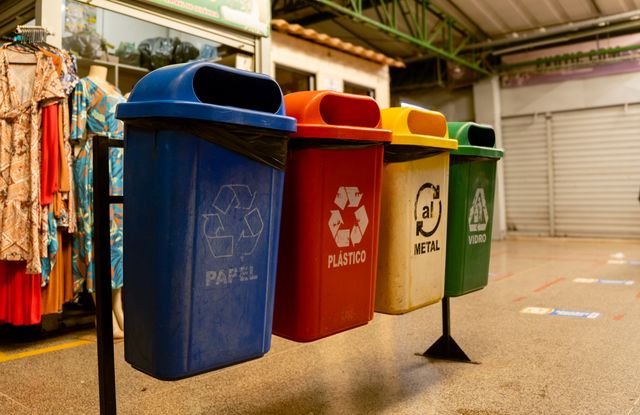

India’s festive shopping season brings a significant increase in consumer spending on electronic products. During Diwali and other major celebrations, households purchase smartphones, televisions, refrigerators, washing machines, laptops, headphones, smartwatches, kitchen appliances and other electronic devices. Attractive discounts, exchange offers, online sales and easy financing encourage consumers to upgrade products that may still be functional. While these purchases support the electronics market, they also raise an important environmental question: what happens to the devices that consumers replace?
Discarded electronics are not ordinary household waste. They contain valuable materials such as copper, aluminium, gold and other recoverable resources, but may also contain substances that can harm human health and the environment when handled improperly. Batteries, circuit boards, display components and other electronic parts require appropriate collection, dismantling and processing. If they enter general waste streams or are handled through unsafe recycling practices, they can contribute to soil, water and air pollution.
India has introduced regulatory mechanisms, established an electronic waste management portal and expanded its network of registered recyclers. However, the growing volume of discarded electronics raises questions about whether these systems can collect, process and safely recycle the waste generated across the country. The festive season makes this challenge particularly visible because consumer upgrades can add to the existing flow of electronic waste.
The central issue is not simply whether India has recycling facilities. It is whether consumers can access them, whether discarded products reach authorised facilities, whether recycling claims reflect actual processing and whether the infrastructure can keep pace with the country’s expanding electronics market.
Why the Festive Shopping Season Can Increase E-Waste
Festive shopping campaigns encourage consumers to replace electronic products through discounts, exchange programmes and bundled offers. A household purchasing a new television may exchange its previous model, while someone upgrading a smartphone may keep the old device in a drawer rather than return it to a collection system. Similar patterns occur with laptops, chargers, tablets, speakers and household appliances.
Not every new purchase immediately creates an additional discarded device. Some consumers replace products that have already stopped working, while others pass older devices to family members, sell them through second-hand markets or continue using them as backup equipment. Nevertheless, frequent upgrades can shorten the period during which electronics remain in active use.
Exchange offers can help recover discarded products when retailers ensure that old devices are transferred to authorised collection and recycling channels. However, the effectiveness of these programmes depends on what happens after collection. A product collected during a festive sale does not automatically become safely recycled. It must be recorded, transported, assessed for possible reuse or refurbishment and sent to an appropriate processing facility when it reaches the end of its useful life.
Festive shopping should therefore be understood as one part of a wider consumption pattern rather than the sole cause of India’s e-waste problem. Rapid technological development, shorter product replacement cycles, expanding digital access and rising household purchasing power contribute to the continuous growth of electronic waste throughout the year.
India’s E-Waste Generation Is Increasing
The scale of India’s e-waste challenge is reflected in official government figures. In a Rajya Sabha response dated 19 March 2026, the Ministry of Environment, Forest and Climate Change reported that the Central Pollution Control Board had estimated e-waste generation at approximately 12.54 lakh metric tonnes in financial year 2023–24 and 13.98 lakh metric tonnes in 2024–25 under the E-Waste Management Rules, 2022 framework. The response also reported that approximately 7.78 lakh metric tonnes were recycled in 2023–24 and 11.59 lakh metric tonnes in 2024–25.
These figures indicate an expansion in reported recycling activity, but they should be interpreted carefully. The estimates are based on information available through the regulatory system and the notified categories of electrical and electronic equipment. They do not necessarily represent every discarded electronic item circulating through household storage, second-hand markets and informal collection networks.
The government has also acknowledged that e-waste generation estimates depend on sales data and the average useful life of electronic equipment. As more producers register and submit information, the recorded figures can change.
This distinction matters because the total amount of electronic waste generated, collected, refurbished, dismantled and recycled are different measurements. A strong recycling system must account for the entire journey of discarded products rather than relying on a single national processing figure.
What India’s E-Waste Recycling Infrastructure Looks Like
India’s formal e-waste management system includes producers, manufacturers, refurbishers, recyclers, collection arrangements and regulatory authorities. The Central Pollution Control Board operates an online Extended Producer Responsibility portal under the E-Waste (Management) Rules, 2022. The system enables the registration of relevant stakeholders and the recording and transfer of recycling certificates used to fulfil producer obligations.
The government reported in February 2025 that 322 recyclers and 72 refurbishers were registered with the CPCB. Their reported annual processing capacities were approximately 22.09 lakh metric tonnes for registered recyclers and 92,042 metric tonnes for registered refurbishers.
These figures suggest that India has developed a substantial formal processing network. However, installed capacity and actual recycling performance are not the same. A facility may have the machinery to process a particular volume but still operate below capacity because it does not receive enough suitable material, faces logistical challenges or lacks access to consistent collection networks.
Infrastructure must also be distributed effectively. A recycling facility located far from a consumer’s residence may not be convenient for someone disposing of a damaged smartphone or an outdated household appliance. Collection points, retailer take-back systems, transport arrangements and accessible information are therefore as important as the processing plants themselves.
The festive season increases the importance of this network. If retailers collect large quantities of exchanged devices, they must have reliable arrangements to move those products into legitimate reuse, refurbishment or recycling channels.
The Informal Recycling Sector Remains a Major Challenge
One of the most serious obstacles to effective e-waste management in India is the continued role of informal recycling. Local scrap dealers and small dismantling operations collect electronic products because they are accessible, familiar and often offer immediate payment. For consumers, selling an old device to a nearby scrap dealer may appear easier than locating an authorised recycler.
However, informal processing can involve unsafe methods. Electronic products may be dismantled without adequate protective equipment, pollution-control systems or appropriate separation procedures. Workers can be exposed to hazardous materials, while uncontrolled burning, crude extraction and improper disposal can contaminate surrounding environments.
A Reuters investigation published on 13 November 2026 reported that India is concerned about the large proportion of e-waste handled by informal scrap dealers. The report cited an estimate that approximately 78% of the country’s e-waste is processed through informal channels. It also described the government’s decision to strengthen inspections of recycling facilities amid concerns about inflated processing claims and forged compliance documents.
The informal sector cannot simply be ignored or removed from the system. It already performs collection and recovery activities in many locations and provides livelihoods to workers. A more practical approach would involve bringing suitable collection and dismantling activities into safer, regulated arrangements, providing training and protective equipment, and connecting workers with authorised recycling facilities.
The objective should be to improve environmental and worker safety while preserving legitimate livelihood opportunities.
Are Recycling Certificates Enough to Guarantee Actual Recycling?
India’s Extended Producer Responsibility framework makes producers responsible for ensuring that the e-waste associated with their products is managed through the prescribed system. Under the E-Waste (Management) Rules, 2022, producers fulfil recycling obligations through the framework of registered recyclers and electronic certificates.
This approach is intended to make manufacturers and producers financially and operationally responsible for the waste generated by the products they place on the market. It also creates an incentive to expand formal recycling capacity and improve material recovery.
However, the effectiveness of any certificate-based system depends on the accuracy of the underlying information. If a recycler reports processing quantities that do not correspond to actual operations, producers may receive compliance documentation without the expected environmental benefits.
This concern became particularly important in 2026. Reuters reported on 13 November that the government had ordered inspections of more than 2,000 recycling facilities, including 309 e-waste recyclers, to investigate inflated processing claims and forged compliance documents. The inspection approach includes checking machinery, conducting plant trial runs and comparing electricity consumption with reported production.
The development highlights a fundamental issue: digital records must be supported by physical verification. A portal can improve transparency, but it cannot independently guarantee that every registered facility is operating correctly. Regular inspections, independent audits, reliable material tracking and appropriate enforcement are necessary to maintain public confidence.
For India’s recycling infrastructure to be considered ready, it must demonstrate not only registered capacity but also verifiable, environmentally responsible processing.
The Environmental Risks of Improper Electronic Waste Disposal
Electronic waste contains a combination of materials that require careful handling. Circuit boards, batteries, displays, wiring and electronic components may contain lead, mercury, cadmium, flame-retardant chemicals and other substances depending on the product. When discarded electronics are broken apart or processed using unsafe methods, workers and nearby communities may face exposure risks.
Improper disposal can also affect the environment. Burning cables to recover metals can release harmful emissions. Uncontrolled dismantling may release dust and residues, while discarded batteries can create fire hazards or leak harmful substances if damaged. When electronic waste is mixed with municipal garbage, it becomes more difficult to identify and recover valuable materials safely.
These risks are particularly important for household batteries and devices containing rechargeable lithium-ion batteries. Damaged or improperly stored batteries can overheat and cause fires. They should not be punctured, burned or mixed carelessly with ordinary household waste.
The environmental impact also extends beyond disposal. Electronic products require metals, minerals, energy and water during manufacturing. When products are discarded prematurely and their materials are not recovered, the demand for new resources increases. Effective recycling can help recover valuable materials and reduce pressure on the extraction of virgin resources.
Therefore, e-waste management is not only about preventing pollution. It is also an important part of resource conservation and the transition towards a circular economy.
Collection Is the Missing Link Between Consumers and Recyclers
A recycling facility cannot process electronic waste that never reaches it. This makes collection one of the most important parts of India’s e-waste infrastructure.
Many households store unused electronics for years because they are uncertain about where to dispose of them. Some people keep old smartphones because they contain personal photographs and documents. Others retain damaged chargers, cables, keyboards and small appliances because they believe these items have little resale value. In many cases, consumers eventually hand them over to informal scrap dealers without knowing what happens next.
Retailers and manufacturers can help address this problem by making collection arrangements easier to understand and access. Electronics stores can provide clearly marked take-back points, while online retailers can explain how old products will be collected during exchange transactions. Manufacturers can also communicate the locations of authorised collection partners through product packaging, websites and customer support channels.
Collection systems should accommodate different product categories. A consumer disposing of a refrigerator may need a scheduled collection service, while someone returning a small electronic accessory may prefer a nearby drop-off point. Battery collection requires particular care because damaged batteries can create safety risks during storage and transportation.
The festive season offers an opportunity to expand public awareness. Retailers can make responsible disposal part of promotional campaigns, explaining that an exchange offer is most useful when the old device enters an authorised reuse or recycling chain.
Repair, Refurbishment and Reuse Can Reduce Waste
Recycling is important, but it should not be the first solution for every electronic product. Devices that remain functional or can be repaired economically may have additional useful life.
Refurbishment involves restoring used electronics to a usable condition through inspection, repair, replacement of components and testing. A refurbished smartphone or laptop can provide a more affordable option for another consumer while delaying the need for a new product. This can reduce the number of devices entering the waste stream prematurely.
Repair services also support a more sustainable electronics market. Replacing a damaged battery, repairing a charging port or upgrading storage may extend the useful life of a device. However, repairability depends on product design, availability of spare parts, software support and the cost of repairs.
Consumers should also consider secure data removal before selling, donating or returning old devices. Personal information stored on smartphones, computers and tablets can create privacy risks if products are transferred without appropriate data wiping or factory resetting.
A stronger refurbishment ecosystem would benefit students, small businesses and households seeking affordable technology. It could also create employment in repair, testing, logistics and quality assurance. Recycling should remain the destination for products that cannot be safely or economically reused, while repair and refurbishment should be encouraged wherever practical.
What the Government and Industry Need to Improve
India’s regulatory framework provides an important foundation, but stronger implementation is necessary to ensure that the system works consistently across regions. One priority is improving the accuracy of e-waste inventories. Reliable state-level estimates can help authorities identify collection gaps, plan infrastructure and assess whether recycling facilities are located where they are needed.
The Central Pollution Control Board and State Pollution Control Boards also need sufficient monitoring capacity to verify registered facilities and investigate non-compliance. The inspection campaign reported in November 2026 demonstrates the importance of checking actual processing operations rather than relying entirely on submitted documents.
Industry participants should improve traceability throughout the recycling chain. Producers, retailers, collection agencies, refurbishers and recyclers need reliable records showing how discarded products move between stages. Digital tracking can help, but records must be supported by audits and physical verification.
Manufacturers should also consider product durability and repairability during the design process. Products that are easier to open, repair and dismantle can support longer use and safer material recovery. Clear information about battery replacement, spare parts and end-of-life disposal can help consumers make more responsible decisions.
Finally, public awareness needs to become more practical. General messages about protecting the environment are not enough if consumers cannot identify an authorised collection point. People need accessible information about where to return old electronics, how to prepare devices for disposal and why batteries and electronic components should not be mixed with ordinary waste.
What Consumers Can Do After Festive Shopping
Consumers influence the e-waste system through their purchasing, repair and disposal decisions. After buying a new electronic product, households should first assess whether the previous device can be repaired, reused, donated or sold through a responsible second-hand channel.
If a device is no longer usable, consumers should look for a producer take-back programme or an authorised collection and recycling option. They should avoid dismantling electronic products at home, burning cables or handing hazardous components to unverified operators.
Before transferring a smartphone, laptop or tablet, users should back up important information, sign out of accounts and securely erase personal data. Batteries should be handled carefully, particularly if they are swollen, damaged or overheating. Such devices should not be punctured or placed in ordinary household waste.
Consumers should also ask retailers what happens to exchanged products. A responsible exchange programme should be able to explain whether the old device will be refurbished, reused or sent to an authorised recycler. These questions encourage greater transparency across the electronics supply chain.
Small individual actions may appear limited, but consistent consumer participation can improve collection rates and reduce the amount of electronic waste that remains outside formal systems.
Is India’s Recycling Infrastructure Ready?
India has made meaningful progress in establishing e-waste regulations, expanding registered recycling capacity and introducing digital systems for producer responsibility. Official data also indicates an increase in reported recycling quantities. These developments provide a foundation for a more organised and environmentally responsible system.
However, readiness cannot be judged by processing capacity alone. The country must also ensure that electronic waste is collected from households, transported safely, processed by genuine facilities and tracked accurately. Informal recycling, uneven access to collection services, regional infrastructure gaps and concerns about fraudulent compliance records remain significant challenges.
The recent inspection campaign reported by Reuters on 13 November 2026 reinforces the need for stronger oversight. It also shows that the next stage of progress must focus on the credibility and actual performance of recycling operations, not simply the expansion of registered capacity.
The festive shopping season is therefore an important reminder of a challenge that continues throughout the year. Every new smartphone, television or appliance eventually reaches the end of its useful life. India’s ability to manage that transition safely will depend on cooperation between consumers, manufacturers, retailers, recyclers and regulators.
Conclusion
India’s festive shopping season creates economic opportunities for the electronics industry, but it also highlights the environmental responsibilities associated with increasing consumption. Discarded smartphones, appliances, computers and batteries require organised collection, responsible refurbishment and scientifically managed recycling.
The country has established a regulatory framework and expanded its formal recycling network, yet important gaps remain in collection access, informal-sector integration, monitoring and verification. Recent concerns about false recycling claims demonstrate why actual processing must be checked rather than assumed from digital certificates alone.
A more effective system will require accessible take-back arrangements, stronger enforcement, reliable data, repair-friendly product design and greater consumer awareness. Manufacturers must take responsibility for the products they introduce into the market, while retailers should make responsible disposal a normal part of the purchasing experience.
Ultimately, India’s recycling infrastructure will be ready only when a discarded electronic product can move from a household to a verified reuse or recycling facility without being lost in an unsafe or untraceable waste chain. The success of festive shopping should not be measured only by the number of products sold, but also by how responsibly those products are managed when their useful lives come to an end.
Online Internship with Certificate
You may be interested

Are Indian Consumers Losing Trust in Online Product Reviews
Anshika Jain - Nov 13, 2026Online shopping has transformed the way Indian consumers discover, compare and purchase products. Smartphones, household appliances, clothing, personal care products, electronics and even everyday groceries can now…
Rising Cost of Urban Living: Rent and Transport Are Reshaping Household Budgets
Anshika Jain - Nov 13, 2026Urban India offers access to employment, education, healthcare, professional opportunities and modern infrastructure. Cities attract students, working professionals, entrepreneurs and families looking for better economic prospects. However,…

Why Are Indian Graduates Finding It Difficult to Convert AI Skills Into Jobs
Anshika Jain - Nov 13, 2026Artificial intelligence has become one of the most influential forces shaping India's employment landscape. From software development and banking to healthcare, education, manufacturing, retail and digital marketing,…
Most from this category

India’s Internship Economy: Are Unpaid Internships Creating New Barriers for Students
Anshika Jain - Nov 13, 2026

Winter Health Preparedness in India: Are Hospitals Ready for Seasonal Disease Surges
Anshika Jain - Nov 13, 2026
Global Data Centre Boom: Could Electricity Demand Become the Next Technology Crisis
Anshika Jain - Nov 12, 2026
India’s Internship Economy: Are Unpaid Internships Creating New Barriers for Students
Anshika Jain - Nov 13, 2026November Education Admission Rush: Students Getting Enough Information
Anshika Jain - Nov 13, 2026Winter Health Preparedness in India: Are Hospitals Ready for Seasonal Disease Surges
Anshika Jain - Nov 13, 2026