

Rising Cost of Urban Living: Rent and Transport Are Reshaping Household Budgets

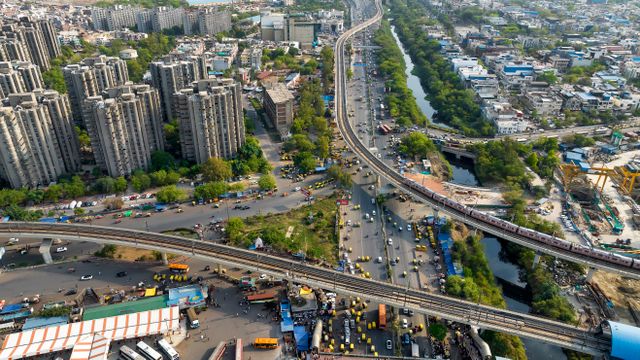

Urban India offers access to employment, education, healthcare, professional opportunities and modern infrastructure. Cities attract students, working professionals, entrepreneurs and families looking for better economic prospects. However, the cost of maintaining an urban lifestyle has become an increasingly important concern for households. Monthly rent, groceries, electricity, commuting, education and healthcare expenses compete for a limited share of household income. Even families with regular salaries may find it difficult to maintain savings while meeting essential expenses.
The pressure is particularly visible in housing, food and transportation. Rent can consume a substantial portion of a working professional’s monthly salary, especially in cities with concentrated employment opportunities. Grocery expenses are influenced by food prices, household size, dietary choices and the cost of purchasing fresh ingredients. Transport expenses increase when people live far from workplaces or depend on private vehicles because affordable public transport is unavailable or inconvenient.
The impact is not limited to households with low incomes. Middle-income families may also experience financial pressure when salary growth does not keep pace with their combined living expenses. A higher monthly income can be offset by increased rent, school fees, commuting costs and other recurring payments.
India’s Household Consumption Expenditure Survey (HCES) 2023–24 provides useful insight into this situation. It estimated average monthly per capita consumption expenditure at ₹6,996 in urban India, compared with ₹4,122 in rural India. Food accounted for approximately 39.68% of urban consumption expenditure, while non-food items represented 60.32%. Conveyance and rent were among the important non-food expenditure categories.
These figures highlight an important reality: urban living costs are not determined by rent alone. They emerge from the interaction of housing, food, transport and other essential expenses, reshaping how households allocate their monthly income.
Housing Costs and the Changing Meaning of Affordability
Housing is often the largest fixed expense for people living in major Indian cities. Professionals moving to employment centres frequently face a difficult choice between paying higher rent to live near their workplace and choosing more affordable accommodation farther away. The decision affects not only monthly spending but also travel time, personal convenience and quality of life.
In cities such as Mumbai, Bengaluru, Delhi, Hyderabad and Pune, demand for accommodation is influenced by employment concentration, educational institutions, infrastructure development and migration. Neighbourhoods with convenient access to business districts, metro stations and commercial centres may command higher rents. As a result, households often compromise on apartment size, privacy or location to remain within their budgets.
The cost of renting a property also extends beyond the monthly payment. Tenants may need to arrange security deposits, brokerage fees, maintenance charges, electricity connections, furniture and relocation expenses. These initial costs can be particularly difficult for students, newly employed professionals and families moving between cities.
Housing affordability is therefore more complicated than comparing rent with salary. A relatively inexpensive apartment may create additional expenses if it is far from the workplace, while a more expensive home near public transport may reduce commuting costs. Households need to evaluate the combined cost of accommodation and daily travel rather than treating them as separate decisions.
The pressure also affects families considering home ownership. Property prices, down payments, registration charges, loan interest and maintenance expenses can make purchasing a home difficult for younger professionals. Even households with stable incomes may postpone home ownership because they need to preserve savings for emergencies and other responsibilities.
How Rent Influences Monthly Financial Decisions
High housing expenses can change household behaviour in several ways. When a large proportion of income goes towards rent, families may reduce discretionary spending, delay purchases, limit entertainment expenses or postpone long-term financial goals.
For young professionals, rent can determine whether independent living is financially practical. Some choose shared accommodation to divide expenses, while others continue living with family or accept longer commutes to avoid expensive neighbourhoods. These arrangements may reduce financial pressure, but they can also affect privacy, convenience and personal independence.
Families with children face additional considerations. Parents may prefer accommodation close to schools, healthcare facilities and childcare services, even when those locations are more expensive. Moving to a cheaper neighbourhood may reduce rent but increase transport costs and the time required for everyday responsibilities.
Rental affordability also influences savings. A household that spends heavily on accommodation may find it difficult to build an emergency fund, invest regularly or save for education and retirement. This can make families more vulnerable to unexpected medical expenses, job losses or changes in household income.
The relationship between housing and financial stability demonstrates why affordable rental housing is an important urban policy issue. Expanding access to reasonably priced homes near employment centres and public transport networks could help households manage their budgets more effectively.
Food Expenses and the Pressure on Household Kitchens
Food is another major component of urban household spending. Families need to balance nutrition, convenience, quality and affordability while managing changing prices. Grocery expenses include cereals, pulses, milk, vegetables, fruits, cooking oils, spices and other daily essentials. The cost of preparing meals at home can vary depending on household size, location, seasonal availability and purchasing habits.
The HCES 2023–24 estimated that food accounted for approximately 39.68% of average urban monthly per capita consumption expenditure. Within urban food expenditure, beverages, refreshments and processed food had a substantial share, followed by milk and milk products and vegetables.
These figures indicate that food budgets extend beyond basic grains and vegetables. Packaged snacks, beverages, ready-to-eat products and purchased meals can also contribute to household spending. Working professionals with limited time may depend on food delivery or restaurant meals, which can increase expenses compared with planned home cooking.
Food inflation can create particular difficulties because households cannot simply stop purchasing essential items. When prices of vegetables, pulses, milk or cooking oil increase, families may adjust quantities, change brands or substitute ingredients. Such decisions can affect meal variety and nutritional balance if households focus exclusively on reducing costs.
For vegetarian households, affordable meal planning can involve using seasonal vegetables, pulses, lentils, chickpeas, kidney beans, soy-based foods, curd and locally available grains. Preparing dishes such as dal, vegetable khichdi, seasonal sabzi, chana, sprouts and rice-based meals at home can help manage costs while maintaining dietary variety. The objective should be to reduce unnecessary expenditure without compromising the nutritional quality of everyday meals.
Food budgets are also affected by the distance between homes and markets. Households with access to local vegetable markets may have more purchasing options than those that depend mainly on supermarkets or delivery services. However, lower prices do not always guarantee better value. Freshness, storage facilities, food wastage and transportation costs also influence the actual cost of feeding a family.
Food Inflation and the Importance of Household Consumption Data
The experience of rising food expenses is not identical for every household. A family that purchases mostly basic ingredients may experience a different impact from one that regularly buys packaged foods and prepared meals. Similarly, households with children, older family members or specific dietary requirements may have less flexibility when prices change.
Official inflation data helps explain broader price movements. The Reserve Bank of India’s August 2026 bulletin, using Consumer Price Index data from the National Statistics Office, reported year-on-year urban food and beverages inflation of 5.30% for August 2026. Urban housing, water, electricity, gas and other fuels recorded inflation of 2.22%, while transport recorded 4.49%. These figures describe average price changes compared with the same month in the previous year; they do not mean that every household’s expenses increased by those exact percentages.
This distinction is important because inflation measures changes in prices, while household budgets reflect the actual amounts people spend. A household that spends a large share of its income on food may feel the effects of food inflation more strongly than a household with a higher income and more flexible spending.
The same price increase can also affect cities differently because local supply conditions, transport networks, retail competition and purchasing patterns vary. National inflation figures provide an overall picture, but they cannot fully describe the experience of every neighbourhood or household.
Transportation Costs and the Price of Commuting
Transportation has become another important factor shaping urban household budgets. People travel daily for work, education, shopping, healthcare and family responsibilities. The cost of these journeys depends on distance, transport availability, fuel prices, traffic conditions and the choice between public and private mobility.
For households using personal vehicles, expenses include petrol or diesel, maintenance, insurance, parking and periodic repairs. Even when fuel prices remain relatively stable, increased commuting distances can raise monthly costs. Traffic congestion can further increase fuel consumption and travel time, making daily journeys more expensive.
Public transportation can offer a more affordable alternative, but its usefulness depends on accessibility and reliability. Metro systems, buses and suburban rail networks can reduce commuting costs when routes connect residential areas with employment centres. However, passengers may still need to pay for feeder services, auto-rickshaws or ride-hailing trips to complete the journey.
The HCES 2023–24 recorded conveyance as approximately 8.46% of urban monthly per capita consumption expenditure. This makes it one of the significant non-food expenditure categories in urban India.
The financial impact of commuting is closely connected to housing decisions. People who choose cheaper accommodation farther from work may save on rent but spend more on transportation. Those who pay higher rent near their workplace may reduce travel costs but face greater housing expenses. The most affordable arrangement depends on the combined cost of both choices.
The Hidden Cost of Long Commuting Hours
Transportation affects more than money. Long commutes reduce the time available for family responsibilities, education, exercise and personal activities. Employees who spend several hours travelling each day may have less time to prepare meals, manage household tasks or pursue additional professional training.
Long journeys can also increase dependence on convenient but expensive services. A professional returning home late may order dinner instead of cooking, while a parent with a lengthy commute may spend more on childcare or household assistance. These additional expenses are not always recorded as transport costs, but they can be linked to the time and energy required for daily travel.
Traffic congestion also affects productivity and well-being. Unpredictable travel times make it difficult to plan work schedules and family responsibilities. For households with multiple working members, coordinating journeys can become a significant challenge.
Better urban planning can reduce these pressures. Reliable public transportation, pedestrian-friendly streets, cycling infrastructure and mixed-use neighbourhoods can bring workplaces, educational institutions and essential services closer to residential areas. Reducing the distance between daily activities can improve both financial affordability and quality of life.
Why Middle-Income Households Are Feeling the Pressure
Middle-income households often occupy a difficult position in the urban economy. Their incomes may be too high to qualify for certain forms of financial assistance, but they may still be insufficient to comfortably manage housing, education, healthcare, transport and savings.
Salary increases do not necessarily create greater financial security if recurring expenses rise at the same time. A professional receiving a higher salary after a job change may also face increased rent, relocation expenses and commuting costs. Families with children may experience rising education and childcare expenses, while households supporting older relatives may need to allocate more money towards healthcare.
Another challenge is lifestyle inflation. As income increases, households may move to better accommodation, purchase additional appliances, use more subscription services or depend more frequently on restaurant meals and delivery platforms. Some improvements are necessary for comfort and convenience, but recurring upgrades can reduce the financial benefit of higher earnings.
Credit-based consumption can create further pressure. Easy access to credit cards, personal loans and buy-now-pay-later services may help households manage temporary expenses, but regular dependence on borrowing can create repayment obligations that reduce future flexibility.
Financial stability therefore depends not only on income growth but also on how recurring expenses develop over time. Households need to distinguish between essential spending, long-term investments and purchases that create ongoing financial commitments.
Urban Living Costs Are Not the Same Across Every City
India’s urban cost structure varies considerably by location. Major metropolitan areas often have higher housing costs because of employment concentration and strong demand for accommodation. Smaller cities may offer more affordable rent, but employment opportunities, specialised healthcare, educational facilities and public transport options may be more limited.
Even within one city, expenses can differ significantly between neighbourhoods. Areas near business districts, metro stations, universities and commercial centres may be more expensive than locations farther away. A household’s financial experience is therefore influenced by its residential location, workplace, family size and access to services.
Jaipur, Indore, Lucknow, Coimbatore and other growing urban centres may offer different combinations of housing affordability, employment opportunities and transport access compared with Mumbai, Bengaluru or Delhi. However, lower average rent does not automatically make a city affordable for every resident. Local wages, job availability and household responsibilities also matter.
The distinction between income and living costs is especially important for professionals relocating for work. A job with a higher salary in a metropolitan city may not necessarily provide greater disposable income after rent, commuting, food and relocation expenses are considered.
Job seekers should therefore compare the likely cost of living with the expected salary before accepting a position in another city. Employers can also support relocation decisions by providing transparent information about compensation, work location and available benefits.
How Rising Costs Are Changing Household Priorities
As essential expenses consume a larger share of income, households often reconsider their spending priorities. Families may postpone buying vehicles, delay home ownership, reduce travel, limit restaurant visits or choose less expensive entertainment options.
Savings can become the first area affected when fixed expenses rise. A household may continue paying rent and buying groceries but reduce monthly investments or emergency savings. Over time, this can weaken financial resilience because there is less money available to manage unexpected events.
Younger professionals may delay major life decisions, including marriage, independent housing or postgraduate education, because they want to build greater financial stability first. Families may also reconsider where they live, whether both adults need private vehicles and how frequently they purchase non-essential products.
These adjustments show that the cost of urban living influences more than monthly consumption. It can affect career choices, family planning, education decisions and long-term financial goals.
What Can Households Do to Manage Urban Expenses?
Managing urban living costs requires a realistic understanding of recurring expenditure. Households can begin by reviewing rent, groceries, commuting, utilities and other fixed payments over several months. This helps identify which expenses are increasing and which can be adjusted without affecting essential needs.
Housing decisions should account for the combined cost of rent and commuting. Moving to a cheaper property may not produce meaningful savings if daily travel becomes substantially more expensive. Similarly, choosing accommodation near public transportation may reduce dependence on private vehicles.
Food planning can also make a difference. Preparing a weekly vegetarian meal plan, purchasing seasonal produce, using pulses and grains efficiently and reducing food wastage can help control grocery expenses. Comparing prices across local markets and supermarkets may reveal more affordable options, while planned shopping can reduce unnecessary purchases.
Transportation costs can be reviewed by considering public transport, shared travel and practical route planning. Where feasible, households can combine errands, use metro or bus services and avoid unnecessary trips. Employers can also support employees through flexible working arrangements or transport assistance.
Savings should be treated as an important part of household planning rather than whatever remains after monthly expenses. Even a modest, regular emergency contribution can improve financial security over time. Households should also be careful about taking on recurring loan payments for purchases that are not essential.
These measures cannot solve structural affordability problems, but they can help families understand their spending patterns and make better decisions within their available income.
The Role of Urban Planning and Public Policy
Household budgeting alone cannot resolve the rising cost of urban living. Housing supply, public transportation, food distribution, infrastructure development and employment patterns are influenced by wider economic and policy decisions.
Affordable rental housing near employment centres can reduce the pressure created by long-distance commuting. Better public transport can help workers access more job opportunities without depending entirely on private vehicles. Improved road connectivity and planned urban development can reduce the time and financial cost of daily travel.
Food supply chains also require attention. Efficient storage, transportation, market infrastructure and distribution systems can help reduce wastage and improve access to fresh produce. Supporting local markets and strengthening connections between producers and urban consumers can improve the availability of affordable food.
Urban development should also consider the location of schools, healthcare facilities, childcare centres and essential services. When these facilities are accessible within residential neighbourhoods, households may spend less time and money travelling across the city.
The objective should be to make cities economically accessible, not simply to expand their population and commercial activity. Sustainable urban development requires a balance between employment opportunities, housing affordability, transportation and essential services.
Conclusion
The rising cost of urban living is reshaping household budgets across India. Rent, food and transportation are interconnected expenses that influence how families spend, save, relocate and plan their futures. Housing costs can force people to live farther from work, increasing commuting expenses. Food prices can reduce the flexibility of monthly budgets, while transportation costs affect both financial resources and personal time.
Official consumption data confirms the importance of these categories in urban expenditure. The HCES 2023–24 shows that food accounts for a substantial share of urban consumption, while conveyance and rent are important non-food expenses. Inflation data further demonstrates that price movements differ across categories and can affect households in different ways.
Addressing urban affordability requires more than encouraging individuals to reduce spending. Households need practical financial planning, but cities also need accessible housing, reliable public transport, efficient food distribution and well-planned neighbourhoods.
Ultimately, a city should offer more than employment and commercial opportunities. It should allow people to meet essential needs, maintain financial security and enjoy a reasonable quality of life without spending nearly all their income on basic necessities. Making urban living affordable is therefore not only a household concern but also an important measure of inclusive and sustainable economic development.
Online Internship with Certificate
You may be interested

Are Indian Consumers Losing Trust in Online Product Reviews
Anshika Jain - Nov 13, 2026Online shopping has transformed the way Indian consumers discover, compare and purchase products. Smartphones, household appliances, clothing, personal care products, electronics and even everyday groceries can now…

E-Waste After the Festive Shopping Season: Is India’s Recycling Infrastructure Ready
Anshika Jain - Nov 13, 2026India's festive shopping season brings a significant increase in consumer spending on electronic products. During Diwali and other major celebrations, households purchase smartphones, televisions, refrigerators, washing machines,…

Why Are Indian Graduates Finding It Difficult to Convert AI Skills Into Jobs
Anshika Jain - Nov 13, 2026Artificial intelligence has become one of the most influential forces shaping India's employment landscape. From software development and banking to healthcare, education, manufacturing, retail and digital marketing,…
Most from this category

India’s Internship Economy: Are Unpaid Internships Creating New Barriers for Students
Anshika Jain - Nov 13, 2026

Winter Health Preparedness in India: Are Hospitals Ready for Seasonal Disease Surges
Anshika Jain - Nov 13, 2026
Global Data Centre Boom: Could Electricity Demand Become the Next Technology Crisis
Anshika Jain - Nov 12, 2026
India’s Internship Economy: Are Unpaid Internships Creating New Barriers for Students
Anshika Jain - Nov 13, 2026November Education Admission Rush: Students Getting Enough Information
Anshika Jain - Nov 13, 2026Winter Health Preparedness in India: Are Hospitals Ready for Seasonal Disease Surges
Anshika Jain - Nov 13, 2026