Winter Health Preparedness in India: Are Hospitals Ready for Seasonal Disease Surges

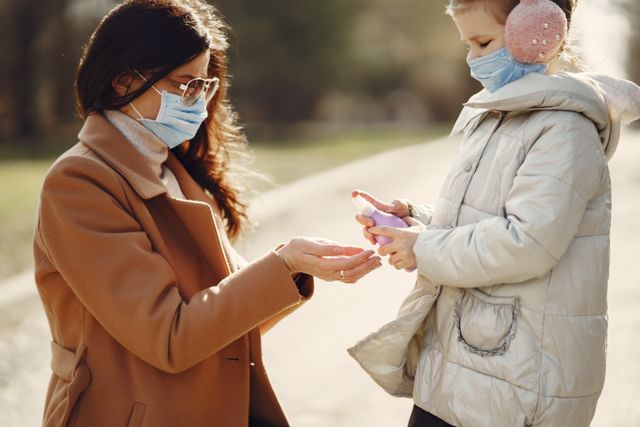

Winter brings a familiar set of health challenges to several parts of India. Falling temperatures, changing weather conditions, increased air pollution in some regions and the seasonal circulation of respiratory viruses can place additional pressure on healthcare facilities. Hospitals may experience increased consultations for cough, fever, breathing difficulties and worsening chronic respiratory conditions. Children, older adults, pregnant women and people with existing heart or lung diseases may require particular attention during this period.
For hospitals, winter preparedness involves much more than keeping additional beds available. It requires reliable disease surveillance, adequate medical staffing, oxygen-supported beds, diagnostic facilities, essential medicines, infection-control procedures and effective referral arrangements. Healthcare institutions must also be able to respond to unexpected increases in patient numbers without compromising routine emergency and inpatient services.
India has established several mechanisms to monitor seasonal respiratory illnesses and strengthen health-system preparedness. Government reviews, influenza surveillance, hospital readiness assessments and air-pollution-related health programmes demonstrate that winter risks are recognised at the national level. However, an important question remains: are these arrangements sufficient to manage seasonal disease surges across India’s diverse healthcare system?
The answer is not a simple yes or no. National preparedness measures are in place, but actual readiness depends on how effectively individual states, districts and hospitals translate those measures into operational capacity. Winter preparedness must therefore be assessed through practical indicators such as available beds, trained personnel, oxygen supply, diagnostic access and the ability to identify and manage patients early.
Why Winter Creates Additional Health Pressure in India
Winter does not affect every region of India in the same way. Northern and north-western states experience colder temperatures and, in some locations, prolonged periods of poor air quality. Other regions may experience milder temperatures but still face seasonal respiratory infections. These differences influence the types of illnesses hospitals encounter and the resources they need.
Seasonal influenza is one of the important respiratory concerns. The Ministry of Health and Family Welfare’s Clinical Management Protocol for Seasonal Influenza identifies January to March as the usual winter period of increased cases in northern, north-western and central India. It also identifies older adults, young children and people with underlying conditions as groups that may experience more serious illness.
Respiratory syncytial virus, commonly known as RSV, is another important pathogen, particularly for infants and young children. It can cause lower respiratory tract infections and may also lead to serious illness among older adults and people with existing health conditions. The World Health Organization identifies RSV as a significant cause of respiratory disease worldwide, although seasonal patterns differ between temperate and tropical regions.
Cold weather and air pollution can also complicate respiratory health. People living with asthma, chronic obstructive pulmonary disease and other respiratory conditions may experience worsening symptoms when environmental conditions become unfavourable. In northern cities, winter air pollution can add to the demand for respiratory consultations, diagnostic services and hospital care.
These factors do not mean that every winter will produce an unusual epidemic. They demonstrate why hospitals need to prepare for predictable seasonal pressures while maintaining the ability to respond to unexpected outbreaks.
Which Seasonal Diseases Can Increase Hospital Workloads?
Influenza and Other Acute Respiratory Infections
Influenza can cause fever, cough, sore throat, muscle aches, headache and general weakness. Many people recover without hospital admission, but severe illness can develop, particularly among vulnerable groups. Some patients may require oxygen support, inpatient monitoring or specialised treatment.
The World Health Organization notes that influenza can lead to severe complications and recommends annual vaccination as an important preventive measure. Early clinical assessment is particularly important for people at higher risk of complications.
Hospitals must therefore maintain access to appropriate testing, clinical assessment and treatment protocols. Emergency departments should be able to identify patients who need immediate attention rather than allowing severe respiratory symptoms to remain in routine waiting queues.
Pneumonia and Respiratory Complications
Pneumonia can result from different infectious agents and may cause fever, cough, chest discomfort and difficulty breathing. It can become particularly serious among young children, older adults and individuals with weakened immunity or chronic medical conditions.
Hospitals need adequate diagnostic facilities to assess patients with suspected pneumonia. Depending on clinical requirements, this may involve imaging, laboratory investigations, oxygen monitoring and inpatient treatment. The availability of trained medical and nursing staff is equally important because patients with severe respiratory illness may deteriorate quickly.
Exacerbation of Chronic Respiratory Diseases
Winter can also increase healthcare demand from people who already have respiratory conditions. Patients with asthma or COPD may experience worsening symptoms due to infections, temperature changes and exposure to polluted air.
A multicentre Indian study published in 2026, based on seasonal observations from 245 centres during 2017–2018, reported higher respiratory hospitalisations and mortality during winter than summer. The study identified COPD as a leading contributor to respiratory hospitalisations and deaths in its surveyed population. Although the underlying observations were collected several years earlier, the findings provide evidence of the importance of seasonal planning for respiratory services in India.
Other Seasonal Health Concerns
Winter healthcare demand is not restricted to respiratory infections. Hospitals may also encounter complications associated with cardiovascular disease, cold exposure, existing metabolic conditions and other infections. Air pollution can aggravate respiratory and cardiovascular health problems, particularly among people with pre-existing conditions.
The nature and scale of these concerns vary across regions. A hospital in a highly polluted metropolitan area may face different winter pressures from a facility serving a rural population or a region with substantially colder temperatures.
Is India Prepared for Winter Disease Surges?
India has several national surveillance and preparedness mechanisms designed to support early identification and management of seasonal diseases. These include influenza-like illness and severe acute respiratory illness monitoring, laboratory surveillance, health advisories and coordination between central and state health authorities.
In December 2025, the Union Health Ministry reviewed winter influenza preparedness. According to the Ministry’s briefing, surveillance through the Integrated Disease Surveillance Programme, the influenza-like illness and severe acute respiratory illness monitoring network, and ICMR sentinel surveillance indicated no unusual influenza surge at that time. The review also called for preparedness assessments across district hospitals and medical colleges, along with regular mock drills.
In August 2026, the Union Health Minister reviewed H1N1 influenza preparedness, with particular attention to Delhi. The review covered disease surveillance, laboratory testing, hospital beds, critical care facilities, oxygen-supported beds, ventilators, essential medicines and referral arrangements. States were also advised to strengthen preparedness and surveillance for acute respiratory illness.
These measures demonstrate that seasonal respiratory risks are being monitored and that hospital preparedness is part of national health planning. However, a national review or advisory cannot establish that every hospital is fully prepared. Actual readiness depends on local implementation, staffing, equipment maintenance, supply availability and the ability to manage simultaneous increases in patient demand.
The most accurate assessment is therefore that India has important preparedness structures, but their effectiveness must be evaluated at the level of individual healthcare facilities.
What Makes a Hospital Winter-Ready?
Adequate Beds and Emergency Capacity
One of the first requirements during a seasonal disease surge is the ability to accommodate patients who need observation or admission. Hospitals must assess routine occupancy, identify additional capacity and ensure that emergency departments can manage increased patient flow.
Simply reporting the total number of beds is not enough. Hospitals also need trained personnel, functioning equipment, appropriate monitoring facilities and sufficient space to provide safe care. A bed without the staff or equipment required to treat a patient does not represent meaningful surge capacity.
Facilities should also establish arrangements for prioritising patients according to clinical severity. This helps ensure that individuals experiencing serious breathing difficulties or other emergency symptoms receive timely assessment.
Oxygen and Critical Care Readiness
Respiratory illnesses can create additional demand for oxygen-supported treatment. Hospitals should regularly inspect oxygen supply systems, cylinders, pipelines, backup arrangements and monitoring equipment. Critical care facilities must also be prepared to manage patients who require more intensive respiratory support.
The August 2026 government review specifically included oxygen-supported beds, ventilators and critical care capacity among the areas assessed for influenza preparedness.
Hospitals should not wait until patient numbers increase to discover equipment failures or supply shortages. Preventive maintenance, equipment testing and clear escalation procedures are essential parts of winter planning.
Diagnostic and Laboratory Capacity
Early identification of respiratory infections helps hospitals make appropriate clinical decisions and supports public-health surveillance. Diagnostic laboratories must be able to process relevant tests efficiently, while clinical teams need clear procedures for deciding which patients require testing.
Laboratory capacity also supports the identification of unusual disease patterns. If several patients present with similar severe symptoms within a short period, timely reporting can help public-health authorities investigate possible clusters.
Trained Healthcare Personnel
Doctors, nurses, laboratory technicians, respiratory therapists and emergency staff all contribute to seasonal disease management. Even a well-equipped hospital may struggle during a surge if staffing levels are insufficient.
Training should cover infection prevention, respiratory assessment, oxygen management, emergency response and the clinical protocols relevant to seasonal influenza and other respiratory conditions. Regular mock drills can help identify weaknesses in patient movement, communication and emergency coordination.
The Role of Air Pollution in Winter Hospital Preparedness
Air pollution is a major additional consideration for winter health planning in parts of India. In cities where particulate pollution becomes severe during colder months, hospitals may experience increased demand from people with breathing difficulties and exacerbations of existing respiratory conditions.
The National Centre for Disease Control’s National Programme on Climate Change and Human Health includes air-pollution-related illness within its health preparedness activities. Its initiatives include digital surveillance, hospital-based monitoring, early-warning information and capacity-building for healthcare workers. The programme also identifies the importance of state-specific action plans and coordination with environmental and local authorities.
In February 2026, the Ministry of Health and Family Welfare described measures to strengthen the health sector’s response to air-pollution-related illnesses. These included technical expert guidance on chronic respiratory conditions and the use of state-level health adaptation plans. The Ministry also clarified that air pollution interacts with several individual and environmental factors, making it difficult to attribute every health outcome to pollution alone.
Hospitals in highly polluted locations should consider environmental conditions when planning respiratory services. This includes monitoring local air-quality alerts, preparing public-health communication and ensuring that patients with chronic respiratory diseases can access appropriate assessment and care.
How Digital Health and AI Could Improve Winter Preparedness
Artificial intelligence and digital health systems could strengthen several aspects of seasonal hospital planning. Their most important contribution may be the ability to identify changing patterns earlier and support better allocation of healthcare resources.
Predictive analytics could examine historical hospital admissions, emergency department visits, laboratory reports, weather information and air-quality data. These inputs could help estimate when respiratory consultations may increase in a particular district. Hospitals could then review staffing, oxygen supplies and bed availability before demand reaches its highest level.
AI-supported surveillance could also help identify unusual clusters of influenza-like illness or severe acute respiratory illness. If several facilities report an unexpected increase in similar symptoms, analytical systems could flag the pattern for investigation by public-health authorities. Such alerts would require clinical and epidemiological verification before being treated as evidence of an outbreak.
Hospital management systems could use real-time information to track bed occupancy, emergency waiting times, oxygen availability and the distribution of critical equipment. This could improve operational visibility and help administrators identify bottlenecks.
However, AI should support rather than replace medical judgement and public-health surveillance teams. Its accuracy depends on the quality and timeliness of data, and a prediction is not proof that a surge will occur. Hospitals must also protect patient information and ensure that automated recommendations do not create unsafe resource-allocation decisions.
Preventive Healthcare and the Importance of Vegetarian Nutrition
Hospital preparedness is essential, but reducing avoidable illness also requires preventive healthcare at the community level. Nutrition can support general health, particularly when people maintain a varied and balanced vegetarian diet. However, no individual food or home remedy can prevent influenza, pneumonia or other infectious diseases.
A balanced vegetarian eating pattern can include seasonal vegetables, fruits, whole grains, pulses, beans, lentils, nuts, seeds and dairy products where consumed. These foods provide a range of nutrients that contribute to normal immune function and general wellbeing. Examples include dal, chickpeas, rajma, green leafy vegetables, citrus fruits, guava, milk, curd and whole grains.
During winter, people may find it easier to maintain regular meals by preparing familiar foods such as vegetable khichdi, dal with whole-grain roti, seasonal vegetable dishes and soups made with pulses and vegetables. Adequate fluid intake is also important, even when people feel less thirsty in cold weather.
Older adults and individuals with chronic illnesses may require additional attention to nutritional adequacy. People following restrictive vegetarian diets should seek appropriate professional advice where there is a risk of deficiencies, particularly involving nutrients such as vitamin B12, iron and vitamin D.
Nutrition must remain part of a wider prevention strategy. Vaccination where recommended, hand hygiene, respiratory etiquette, appropriate ventilation and timely medical assessment are important measures for reducing the impact of respiratory infections. People experiencing persistent or severe symptoms, particularly breathing difficulty, should seek medical care rather than relying on dietary changes.
Challenges That Could Limit Hospital Readiness
Despite national preparedness initiatives, several challenges can affect the ability of hospitals to manage seasonal surges. These include differences in infrastructure between urban and rural facilities, shortages of specialised healthcare personnel, uneven access to diagnostic laboratories and pressure on existing emergency services.
Smaller hospitals may have limited critical care capacity and may depend on larger institutions for advanced treatment. If referral arrangements are poorly coordinated, patients can experience delays in reaching facilities with the required expertise.
Supply-chain interruptions can create additional difficulties. Hospitals need reliable access to essential medicines, oxygen-related equipment, protective supplies and diagnostic materials. Preparedness planning should therefore include inventory checks, supplier coordination and backup arrangements.
Another challenge is the availability of accurate, timely information. Hospitals and public-health authorities need compatible reporting systems to understand where cases are increasing and which facilities are under pressure. Incomplete reporting can delay the recognition of emerging patterns.
These challenges demonstrate why preparedness cannot be measured only by announcements, advisory documents or the number of hospital beds. It must be assessed through regular facility-level inspections, staff training, equipment testing and the ability to manage real patient demand.
What Should Hospitals Prioritise Before the Winter Peak?
Hospitals should begin seasonal preparedness assessments before respiratory illness activity reaches its expected peak. This means reviewing emergency capacity, checking oxygen infrastructure, confirming the availability of essential supplies and assessing whether clinical teams understand current influenza and respiratory infection protocols.
Mock drills should test more than emergency equipment. They should examine how patients are received, assessed, isolated when appropriate, transferred and monitored. Administrators should also review communication between emergency departments, laboratories, intensive care units and referral hospitals.
Public-health coordination is equally important. Hospitals need reliable channels for reporting unusual disease patterns and receiving updated guidance from district and state authorities. Community health services can support early awareness by communicating preventive practices and encouraging high-risk individuals to seek timely medical advice.
Preparedness should continue throughout the season rather than being treated as a one-time exercise. Changing weather conditions, local outbreaks and air-quality fluctuations can create new demands even after the initial winter peak has passed.
Conclusion
Winter health preparedness in India requires coordinated action across hospitals, laboratories, public-health authorities and communities. Seasonal influenza, RSV, pneumonia, worsening chronic respiratory conditions and air-pollution-related health problems can increase healthcare demand in different regions. Hospitals must therefore be prepared to manage both predictable seasonal pressure and unexpected disease surges.
India has established important surveillance systems, government review mechanisms and programmes addressing climate-sensitive and respiratory health risks. Reviews conducted in 2025 and 2026 demonstrate attention to influenza monitoring, hospital beds, oxygen-supported facilities, critical care, diagnostics and emergency preparedness. Nevertheless, the existence of national measures does not guarantee equal readiness across every hospital.
The real test of preparedness is whether healthcare facilities can identify illness early, provide timely treatment, maintain essential supplies and coordinate referrals when demand increases. Digital surveillance and AI may strengthen forecasting and resource planning, while preventive healthcare and balanced vegetarian nutrition can support general wellbeing.
Ultimately, winter-ready hospitals are not simply those that respond quickly after patient numbers rise. They are the institutions that prepare in advance, regularly test their systems and adapt their capacity to the health needs of the populations they serve.
Online Internship with Certificate
You may be interested

Are Indian Consumers Losing Trust in Online Product Reviews
Anshika Jain - Nov 13, 2026Online shopping has transformed the way Indian consumers discover, compare and purchase products. Smartphones, household appliances, clothing, personal care products, electronics and even everyday groceries can now…
Rising Cost of Urban Living: Rent and Transport Are Reshaping Household Budgets
Anshika Jain - Nov 13, 2026Urban India offers access to employment, education, healthcare, professional opportunities and modern infrastructure. Cities attract students, working professionals, entrepreneurs and families looking for better economic prospects. However,…

E-Waste After the Festive Shopping Season: Is India’s Recycling Infrastructure Ready
Anshika Jain - Nov 13, 2026India's festive shopping season brings a significant increase in consumer spending on electronic products. During Diwali and other major celebrations, households purchase smartphones, televisions, refrigerators, washing machines,…
Most from this category

Why Are Indian Graduates Finding It Difficult to Convert AI Skills Into Jobs
Anshika Jain - Nov 13, 2026
India’s Internship Economy: Are Unpaid Internships Creating New Barriers for Students
Anshika Jain - Nov 13, 2026
Global Data Centre Boom: Could Electricity Demand Become the Next Technology Crisis
Anshika Jain - Nov 12, 2026
Why Are Indian Graduates Finding It Difficult to Convert AI Skills Into Jobs
Anshika Jain - Nov 13, 2026India’s Internship Economy: Are Unpaid Internships Creating New Barriers for Students
Anshika Jain - Nov 13, 2026November Education Admission Rush: Students Getting Enough Information
Anshika Jain - Nov 13, 2026