India’s Rupee Under Pressure: Global Currency Movements Affect Importers and Travellers

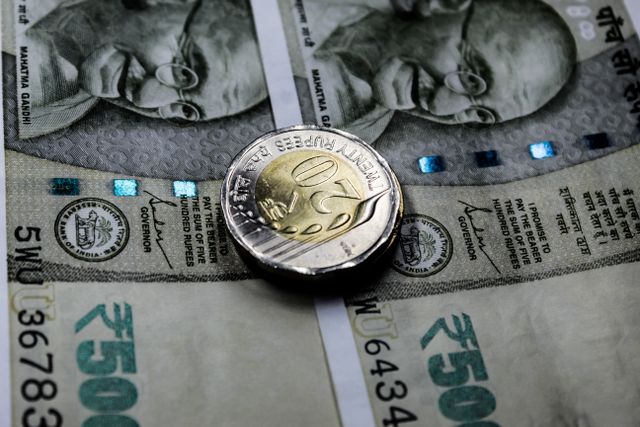

The value of the Indian rupee is influenced by developments far beyond India’s borders. Changes in US interest rates, international crude oil prices, foreign investment flows, geopolitical tensions and global demand for the US dollar can all affect how the rupee performs against major currencies. When the rupee weakens, the impact extends beyond financial markets. Indian businesses importing raw materials, machinery, electronics and energy may face higher costs, while students, tourists and families travelling abroad can find their expenses increasing.
In November 2026, the rupee remains under pressure despite periods of recovery. On 4 November, a Reuters survey of foreign-exchange strategists indicated that the currency could weaken from around ₹94.70 per US dollar to approximately ₹96 by the end of January 2027. The survey identified persistent foreign investment outflows, elevated oil prices and tighter global financial conditions as important risks. These projections are market expectations, not guaranteed future exchange rates.
The situation demonstrates how closely India’s currency is connected to global economic conditions. Even when domestic economic activity remains relatively resilient, the rupee can face pressure if the country needs more foreign currency to pay for imports or if international investors prefer assets denominated in dollars.
For importers, currency depreciation can increase procurement expenses, reduce profit margins and influence product prices. For travellers, it can raise the cost of hotel bookings, education payments, shopping and everyday spending overseas. Understanding these connections is important for businesses planning international transactions and individuals preparing for foreign travel.
Why Is the Indian Rupee Under Pressure?
The exchange rate between the rupee and the US dollar is influenced by demand and supply in the foreign-exchange market. Indian companies need dollars to pay for imported crude oil, machinery, electronic components, chemicals and other products. Indian exporters receive foreign currency when they sell goods and services internationally, while foreign investors bring dollars into the country when they invest in Indian markets.
When demand for dollars rises faster than its supply, the rupee can weaken against the US currency. This does not necessarily mean that India’s domestic economy is performing poorly. Currency values also reflect global financial conditions, investor expectations and the relative attractiveness of different markets.
One major source of pressure in 2026 has been the combination of elevated crude oil prices and foreign capital outflows. India imports a substantial share of its crude oil requirements, making the country sensitive to changes in international energy prices. When oil becomes more expensive, Indian refiners and oil-marketing companies need additional dollars to purchase the same quantity of energy. This increases demand for foreign currency and can put pressure on the rupee.
Foreign investment movements also matter. When international investors sell Indian shares or debt securities and move their money into other markets, they may convert rupees into dollars. If these outflows become substantial, they can increase demand for the dollar. Global investors may also prefer US assets when American interest rates and bond yields appear more attractive relative to returns available in emerging markets.
A report published by Business Standard on 25 October explained that the rupee’s weakness reflected more than crude oil prices and geopolitical tensions. It also identified global borrowing costs, changing importer and exporter hedging behaviour and capital outflows as contributing factors.
How Global Dollar Strength Influences the Rupee
The US dollar plays a central role in international trade, investment and financial transactions. Many commodities, including crude oil, are priced internationally in dollars. Businesses and governments also use the dollar extensively for cross-border payments and financial reserves.
When global uncertainty increases, investors often seek assets they consider relatively liquid and secure. US Treasury securities and dollar-denominated investments can attract greater demand during such periods. This can strengthen the dollar against several other currencies, including those of emerging economies.
Interest-rate expectations are another important influence. If investors expect US interest rates to remain high, dollar-denominated assets may offer comparatively attractive returns. International capital can then move towards the United States, reducing demand for assets in other markets. The rupee may face additional pressure even when India’s own economic indicators remain stable.
Currency movements are not always one-directional. A softer dollar can provide temporary support to the rupee, while improving foreign investment flows may help the Indian currency recover. However, short-term gains do not necessarily resolve underlying external-sector challenges.
The November Reuters currency survey illustrates this uncertainty. Although the rupee had experienced periods of recovery, strategists expected renewed weakness because persistent capital outflows and oil-related pressures could outweigh support from a softer dollar and RBI intervention.
The Role of Crude Oil Prices in Currency Depreciation
Crude oil is one of the most important links between global commodity markets and India’s exchange rate. India depends heavily on imported petroleum, which means higher international oil prices can increase the country’s import bill. When oil prices rise, Indian importers need more dollars to purchase energy supplies, potentially increasing pressure on the rupee.
The impact does not end with the currency market. Higher crude oil prices can increase transportation expenses, manufacturing costs, aviation fuel costs and the price of several petroleum-based products. Businesses may pass some of these additional expenses to consumers, contributing to imported inflation.
The situation can become more complicated when geopolitical tensions threaten energy supply routes or production facilities. Concerns about disruptions in West Asia, for example, can increase the risk premium in oil prices. Even before a physical supply shortage occurs, expectations of possible disruption can influence commodity markets and the foreign-exchange requirements of importing countries.
There has been some relief in early November. A Moneycontrol report published on 5 November stated that crude oil had fallen to around $94 per barrel, easing some concerns about India’s import bill and currency-related inflation. However, the report also noted that domestic food inflation and monetary-policy considerations remained relevant risks.
Lower oil prices can reduce pressure on the rupee, but the benefit depends on how long the decline continues and whether other external factors improve. A temporary fall in crude prices cannot automatically offset sustained capital outflows or changes in global financial conditions.
How a Weak Rupee Affects Indian Importers
Indian importers are among the businesses most directly exposed to currency depreciation. Companies purchasing products or raw materials in dollars must spend more rupees when the exchange rate moves against them. Even when the international price of an imported product remains unchanged, the domestic cost can rise because of the weaker currency.
Consider an Indian company importing machinery worth $100,000. At an exchange rate of ₹90 per dollar, the basic currency cost would be ₹90 lakh. If the exchange rate moves to ₹95 per dollar, the same machinery would cost ₹95 lakh, excluding freight, insurance, customs duties and other expenses. The importer would therefore face an additional ₹5 lakh in rupee expenditure without receiving any extra machinery.
This difference can be significant for businesses operating with narrow profit margins. Importers of electronics, industrial components, medical equipment, chemicals, fertilisers and specialised machinery may have limited ability to absorb sudden increases in procurement costs.
Companies that operate in competitive markets may struggle to increase selling prices immediately. If competitors have existing inventories or different sourcing arrangements, a business facing higher import costs could lose market share by passing the full increase to customers. If it absorbs the additional cost, its profitability may decline.
Smaller importers can be particularly vulnerable because they may have limited access to foreign-exchange hedging products or insufficient financial resources to manage sudden currency movements. A business that agrees to supply goods at a fixed rupee price but purchases components in dollars later may face a significant margin problem if the rupee depreciates before payment.
Which Indian Industries Are Most Exposed?
The impact of rupee depreciation varies according to how dependent an industry is on imported materials and foreign-currency payments. Oil and gas companies are particularly exposed because crude oil and several petroleum-related products are internationally priced in dollars. A weaker rupee can increase their procurement costs, although the final effect on consumers depends on domestic pricing decisions, taxes, inventory and government policy.
Electronics manufacturers and distributors may also face higher costs because several components, semiconductors and specialised materials are imported. Even companies assembling products in India can be exposed to currency movements if their supply chains depend on overseas suppliers.
The aviation sector is another important example. Airlines have expenses linked to aircraft leasing, maintenance, spare parts and fuel, some of which are denominated in foreign currencies. A weaker rupee can increase these expenses and create pressure on operating margins. Airlines may respond through fare adjustments, cost controls or changes to capacity, depending on market conditions.
Pharmaceutical companies can experience mixed effects. Businesses importing active pharmaceutical ingredients, chemicals or specialised equipment may face higher input costs. On the other hand, Indian pharmaceutical exporters receiving revenue in dollars may benefit when foreign earnings are converted into rupees, provided their imported input costs and other foreign-currency liabilities do not offset the advantage.
The same distinction applies to information technology and other export-oriented services. Companies earning a substantial share of revenue in dollars may receive more rupees when converting foreign earnings. However, the overall benefit depends on their overseas operating expenses, employee costs, currency hedging and the currencies in which they receive payments.
How Importers Can Manage Currency Risk
Businesses cannot control international exchange rates, but they can reduce the uncertainty created by currency movements. One common approach is foreign-exchange hedging, through which an importer can arrange a transaction designed to reduce the risk of an unfavourable exchange-rate movement.
A forward contract, for example, allows a business to agree on an exchange rate for a future currency transaction. This can provide greater certainty about the rupee cost of an upcoming dollar payment. However, the arrangement may also prevent the importer from benefiting if the exchange rate later moves in a favourable direction. Hedging therefore involves trade-offs and should be matched to the company’s actual payment exposure.
Importers can also review supplier agreements, payment schedules and inventory planning. Negotiating longer payment periods or dividing large orders into smaller transactions may help manage cash-flow requirements, although these arrangements depend on supplier relationships and commercial terms. Companies with recurring dollar payments can prepare budgets using different exchange-rate scenarios instead of relying on a single forecast.
The RBI’s October 2026 measures also demonstrate how currency risk management has become a broader financial-system concern. Reuters reported that the central bank introduced a special dollar window for three state-owned oil-marketing companies and tightened certain foreign-exchange derivative rules as pressure on the rupee increased.
These measures are intended to manage market pressure and reduce destabilising demand, but they do not eliminate India’s underlying requirement to pay for imports. Businesses must therefore continue to manage their own currency exposures carefully.
How a Weak Rupee Affects Indian Travellers
For Indian travellers, a weaker rupee can make international travel more expensive. When a person converts rupees into dollars, euros, pounds or another foreign currency, depreciation means that more rupees may be required to obtain the same amount of foreign currency.
Suppose a traveller plans to spend $2,000 during a holiday. At an exchange rate of ₹90 per dollar, the equivalent amount is ₹1.8 lakh. At ₹95 per dollar, it becomes ₹1.9 lakh. This represents an additional ₹10,000 for the same foreign-currency budget, before considering exchange-provider fees and other charges.
The effect can be even more noticeable for longer trips. Accommodation, restaurant bills, local transport, shopping, attraction tickets and international experiences can all become more expensive in rupee terms. Travellers who have already booked flights and hotels may still face higher costs for the remaining expenses they pay abroad.
The impact also extends to Indian students studying overseas. Tuition fees, accommodation, insurance and living expenses are often paid in foreign currencies. A depreciation in the rupee can increase the amount families need to transfer for the same educational expenses. This can make annual budgeting more difficult, especially when fees are due in instalments or exchange rates change significantly between payments.
Families supporting relatives overseas may face a similar challenge. Regular remittances for education, housing or living expenses can require more rupees when the receiving amount is fixed in dollars, pounds or euros.
Why Travellers Should Look Beyond the Headline Exchange Rate
The exchange rate reported in financial news is not necessarily the rate an individual receives when purchasing foreign currency. Banks, authorised dealers, card networks and currency-exchange providers may apply different conversion rates, margins and service fees.
International card payments can also involve foreign transaction charges. Some merchants and ATMs may offer dynamic currency conversion, allowing customers to pay in rupees instead of the local currency. Although this can appear convenient, the conversion rate offered by the merchant or ATM operator may be less favourable than the card issuer’s rate.
Travellers should therefore compare the total cost of obtaining and using foreign currency rather than focusing only on the headline rupee-dollar rate. Checking card charges, withdrawal fees and exchange margins before departure can help avoid unexpected expenses.
Planning the travel budget in the destination currency is also useful. A traveller visiting several countries should consider the currencies used in each destination rather than assuming that every expense will be linked directly to the US dollar. The euro, British pound, Japanese yen and other currencies can move differently against the rupee.
A weaker rupee does not necessarily mean that every overseas destination becomes more expensive by exactly the same percentage. The final cost depends on the movement of the rupee against the specific currency, local inflation and the pricing of travel services.
Can a Weak Rupee Benefit Indian Exporters?
Although depreciation can create difficulties for importers and travellers, it can offer some advantages to Indian exporters. Businesses earning revenue in foreign currencies may receive more rupees when they convert their overseas earnings. This can improve revenue in domestic currency terms and potentially support profitability.
Export-oriented industries such as information technology services, pharmaceuticals, textiles, engineering goods and certain manufacturing businesses may benefit, depending on their cost structures and foreign-currency exposure.
However, the advantage is not automatic. Exporters that import raw materials, machinery or components may also face higher costs. Companies with overseas offices, foreign-currency loans or substantial dollar-denominated expenses may see some of their conversion gains offset.
A weaker rupee can also make Indian products more price-competitive in international markets, but the effect depends on whether exporters pass the currency benefit to overseas customers or retain it as improved margins. Global demand, product quality, delivery reliability and trade policies remain important determinants of export performance.
What Is the RBI Doing to Manage Rupee Volatility?
The Reserve Bank of India plays an important role in managing excessive volatility in the foreign-exchange market. India does not operate a fixed exchange-rate system in which the rupee is permanently linked to the dollar at a predetermined value. Instead, the exchange rate responds to market conditions, while the RBI can intervene when movements become disorderly or threaten financial stability.
In October 2026, the RBI introduced measures to redirect the dollar requirements of three state-owned oil companies through a special window. Reuters reported that the facility was designed to reduce their direct demand for dollars in the spot market. The central bank also tightened certain rules relating to foreign-exchange derivatives and hedging activity.
These actions can help moderate short-term pressure, but they involve trade-offs. Supplying dollars through a special facility still requires the country to meet its import payments, and intervention can affect foreign-exchange reserves. Reuters reported on 30 October that India’s reserves had fallen to $719.75 billion in the week ended 23 October, marking a seventh consecutive weekly decline. The report also explained that reserve movements reflect several factors, including currency valuation changes and central-bank transactions.
The purpose of intervention is not necessarily to prevent every depreciation in the rupee. It is to reduce excessive volatility and maintain orderly market conditions. The currency’s longer-term direction will continue to depend on trade flows, investment, inflation, global interest rates and the country’s external financing position.
What Should Importers and Travellers Watch in the Coming Months?
The outlook for the rupee will depend on how several global and domestic developments evolve. Crude oil prices will remain important because changes in energy costs can affect India’s import bill and demand for dollars. Any escalation in geopolitical tensions that threatens oil supplies could increase uncertainty, while a sustained decline in crude prices may offer relief.
Foreign investment flows will also be significant. Stronger investment into Indian equities and debt markets can increase demand for rupees, while continued outflows can create additional dollar demand. Changes in US interest-rate expectations and global bond yields may influence how investors allocate money between developed and emerging markets.
For importers, monitoring exchange rates alongside commodity prices and supplier payment schedules can help identify potential cost pressures. Businesses should avoid relying entirely on short-term currency forecasts when preparing annual budgets because exchange rates can change quickly in response to unexpected events.
For travellers and students, the most useful approach is to plan foreign-currency expenses early, compare conversion costs and maintain some flexibility in the travel or education budget. Those making large overseas payments should understand the exchange-rate terms and charges before completing the transaction.
Conclusion: Why Rupee Movements Matter Beyond Financial Markets
The pressure on the Indian rupee is not simply a matter of numbers displayed on currency-trading screens. It affects the cost of imported goods, the financial planning of businesses, the competitiveness of exporters and the budgets of people travelling or studying abroad. Global dollar strength, crude oil prices, foreign investment movements and geopolitical developments can all influence the value of the Indian currency.
For importers, depreciation can increase procurement expenses and reduce profit margins, particularly when businesses depend on overseas raw materials or equipment. For travellers, students and families making international payments, it can increase the rupee cost of foreign-currency expenses. Exporters may receive some benefits from converting foreign earnings into rupees, although their actual gains depend on their operating costs and currency exposure.
The RBI can help manage excessive volatility through intervention and regulatory measures, but it cannot remove the economic forces that influence the currency. The longer-term stability of the rupee depends on sustainable external balances, export competitiveness, stable capital flows and manageable energy-import costs.
Ultimately, understanding global currency movements is becoming increasingly important for Indian businesses and households. Importers need stronger currency-risk management, while travellers and students need more realistic foreign-currency budgets. As India’s economy remains closely connected to international trade and finance, movements in the rupee will continue to influence decisions far beyond the foreign-exchange market.
Online Internship with Certificate
You may be interested
Why Are Indian Exporters Watching US Trade Policy More Closely in November
Anshika Jain - Nov 05, 2026The United States remains one of India's most important export destinations, making changes in American trade policy a major concern for Indian businesses. From textiles and engineering…

Why Are Indian Companies Reassessing Their Hiring Plans in November 2026
Anshika Jain - Nov 05, 2026India's employment market is entering November 2026 with a more cautious approach to recruitment. Although several industries continue to require skilled professionals, many companies are reviewing their…

Can India’s Festive Consumption Support Economic Growth Beyond Diwali
Anshika Jain - Nov 05, 2026India's festive season is more than a period of celebrations, family gatherings and traditional shopping. It is also one of the most important consumption periods for the…
Most from this category

November 2026 Inflation Watch: How Food and Fuel Prices Could Affect Indian Households
Anshika Jain - Nov 05, 2026
Diwali Online Shopping Returns: Who Pays for the Cost of Festive E-Commerce Returns
Anshika Jain - Nov 05, 2026
Diwali Pollution Debate: Who Is Responsible for the Post-Festival Air Quality Crisis
Anshika Jain - Nov 04, 2026
Gold and Silver Prices Fall Before Diwali: Should Buyers Wait or Purchase Now
Anshika Jain - Nov 04, 2026
November 2026 Inflation Watch: How Food and Fuel Prices Could Affect Indian Households
Anshika Jain - Nov 05, 2026Diwali Online Shopping Returns: Who Pays for the Cost of Festive E-Commerce Returns
Anshika Jain - Nov 05, 2026Diwali Pollution Debate: Who Is Responsible for the Post-Festival Air Quality Crisis
Anshika Jain - Nov 04, 2026