When Opposition Leaders Face Detention: The Legal Boundaries of Political Protest

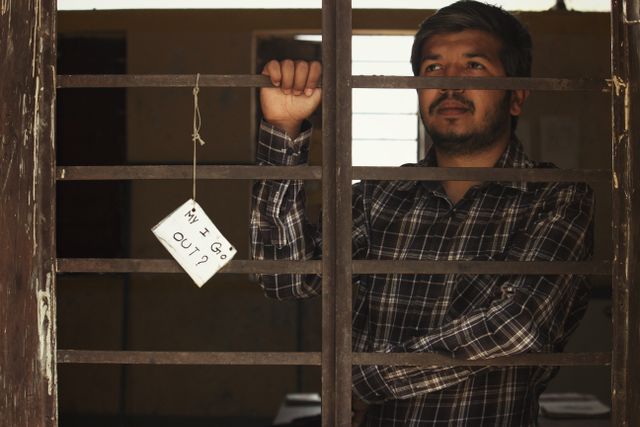

Political protest is one of the most visible expressions of democracy. When opposition leaders organise demonstrations, challenge government decisions, question public institutions or demand accountability, they exercise a political function that extends beyond party competition. Peaceful protest allows citizens to communicate dissatisfaction, draw attention to public concerns and participate in debates that shape national policy. However, when demonstrations lead to police detention, restrictions on public gatherings or criminal proceedings against political figures, a fundamental legal question emerges: where does the authority of the state end and the right to dissent begin?
In India, this question is particularly significant because the Constitution protects freedom of expression and peaceful assembly while also permitting reasonable restrictions in the interests of public order and other legitimate concerns. Authorities may intervene when there is a lawful basis to prevent violence, protect public safety or enforce valid legal orders. Yet the existence of police powers does not automatically make every detention lawful. Each action must be examined in light of the applicable legislation, constitutional safeguards, the circumstances of the protest and the conduct of the individuals involved.
The legal boundaries of political protest therefore require a careful balance between democratic freedom and public order. Neither political status nor opposition to the government creates immunity from the law. Equally, criticism of the government cannot, by itself, justify detention. The central principle is that public authorities must exercise their powers lawfully, proportionately and without using criminal procedure merely to silence legitimate dissent.
Constitutional Protection for Political Protest in India
The Indian Constitution establishes the foundation for peaceful political opposition through several fundamental rights. Article 19(1)(a) guarantees citizens the freedom of speech and expression, while Article 19(1)(b) protects their right to assemble peacefully and without arms. These provisions allow citizens and political organisations to express disagreement with public policies, organise demonstrations, conduct peaceful marches and communicate political demands.
These rights are essential to democratic participation because elections alone do not provide the only opportunity for citizens to influence public affairs. A government may face criticism between elections, and opposition parties may use public demonstrations to question decisions, demand investigations or highlight perceived administrative failures. Peaceful dissent is consequently part of the democratic process rather than an activity that automatically threatens public stability.
Nevertheless, these freedoms are not absolute. Article 19(2) permits reasonable restrictions on freedom of expression on specified constitutional grounds, while Article 19(3) permits reasonable restrictions on peaceful assembly in the interests of the sovereignty and integrity of India and public order. The legal question is not simply whether the government has the power to regulate protests, but whether the particular restriction satisfies the applicable constitutional requirements.
A restriction must have a lawful basis and must be justified by the circumstances. Authorities cannot treat political criticism as equivalent to a public-order threat merely because a demonstration is inconvenient, embarrassing or directed against government policy. At the same time, protesters cannot assume that constitutional protection permits violence, intimidation, unlawful obstruction or the deliberate violation of valid legal orders. The constitutional framework protects peaceful dissent while allowing lawful regulation of conduct that presents genuine risks.
When Can Opposition Leaders Be Detained?
The detention of an opposition leader may occur in several different legal situations. Police may arrest a person when the requirements of criminal law are met, take preventive action where the law authorises it, or intervene when a gathering violates a valid order. These situations must be distinguished because they involve different legal grounds, procedures and safeguards.
An arrest connected with an alleged criminal offence generally requires the police to act within the relevant statutory framework. Depending on the offence and circumstances, the law may permit arrest without a warrant or require a warrant or other procedural steps. The fact that an individual is a political leader does not exempt that person from a lawful investigation. However, arrest must not be treated as an automatic response to participation in a demonstration. Authorities must establish the applicable legal basis and comply with the procedural requirements governing the action.
Preventive action raises a different question. Police and executive authorities may have powers under applicable law to address a sufficiently established risk of violence, serious disorder or another legally recognised threat. Such powers can sometimes be exercised before an anticipated offence occurs. However, preventive measures must remain within the limits established by law. A general prediction that a protest might create difficulties should not become an unrestricted justification for detaining political organisers or preventing peaceful gatherings.
The distinction between temporary intervention and formal arrest is also important. A person may be stopped, moved from a location or temporarily restrained under circumstances governed by specific legal powers. But describing an action as a precautionary measure does not remove the need for legal authority. Its purpose, duration, practical effect and procedural basis all matter when assessing whether the person’s liberty has been lawfully restricted.
In every case, the circumstances must be examined individually. The mere presence of an opposition leader at a protest does not establish criminal liability, and the possibility that some participants may break the law does not automatically justify identical treatment of everyone present.
The Role of Public Order and Police Powers
Maintaining public order is a legitimate responsibility of the state. Large demonstrations can create traffic disruptions, affect access to essential services, increase pressure on emergency routes or generate confrontations between competing groups. Police authorities must consider these risks when deciding how to manage public gatherings.
However, public order should not become a vague expression that allows every restriction to be justified without meaningful scrutiny. The government must distinguish between a genuine threat and the ordinary consequences of peaceful public participation. A demonstration may inconvenience commuters, attract intense media attention or temporarily disrupt normal administrative routines without necessarily becoming unlawful.
The Supreme Court of India has addressed this balance in Mazdoor Kisan Shakti Sangathan v. Union of India, decided in 2018. The case examined restrictions on demonstrations in parts of central Delhi and concerns relating to protests at Jantar Mantar. The Court recognised peaceful protest as a fundamental right under Articles 19(1)(a) and 19(1)(b), while also acknowledging the need to protect residents and regulate demonstrations responsibly. Its reasoning emphasised the importance of balancing competing rights rather than extinguishing the right to protest altogether. The judgment is available through the Supreme Court of India.
This approach demonstrates that public order and democratic freedom should not be treated as mutually exclusive objectives. Authorities can use proportionate measures, establish reasonable conditions and coordinate crowd management without necessarily imposing sweeping prohibitions. Restrictions may be justified in particular locations or circumstances, but their legality depends on the applicable law and the reasons supporting them.
Preventive Detention, Prohibitory Orders and Legal Limits
Preventive policing is often at the centre of disputes involving political demonstrations. Authorities may issue orders restricting gatherings when they believe that an immediate threat to public safety or public order exists. In India, the Bharatiya Nagarik Suraksha Sanhita, 2023, contains provisions governing the issuance of urgent orders in cases of nuisance or apprehended danger, including Section 163, which replaced the earlier Section 144 of the Code of Criminal Procedure.
Such orders may be necessary during emergencies or when credible circumstances indicate a serious risk of disorder. Nevertheless, their use must conform to the statute and the applicable constitutional standards. The existence of a legal provision does not establish that every order issued under it is justified. The factual basis, scope, duration and practical consequences of the restriction remain relevant.
A central concern arises when restrictive orders are repeatedly renewed or applied so broadly that peaceful assembly becomes practically impossible. A measure intended to address an immediate threat should not automatically become a permanent mechanism for excluding demonstrations from an entire area. Authorities must consider whether narrower measures could adequately address the risk while allowing lawful protest to continue.
The Supreme Court’s reasoning in Mazdoor Kisan Shakti Sangathan is relevant here because it highlights the need to balance protest rights with the interests of residents and public administration. The broader principle is that regulation should enable peaceful assembly wherever reasonably possible, rather than make the exercise of constitutional rights ineffective.
International human-rights guidance follows a similar approach. The United Nations Human Rights Committee’s General Comment No. 37 on the right of peaceful assembly explains that restrictions should be lawful, necessary and proportionate to a legitimate aim. It also emphasises that prohibiting an assembly should generally be a measure of last resort. These standards provide an important framework for evaluating state responses to peaceful demonstrations, although their domestic legal effect depends on the relevant national legal framework. The guidance is available through the United Nations human-rights documentation.
Arrest Procedures and the Right to Personal Liberty
The legality of a detention depends not only on why it occurred but also on how it was carried out. Article 21 of the Indian Constitution protects life and personal liberty, providing that no person may be deprived of these except according to procedure established by law. Article 22 provides important safeguards for arrested persons, subject to the exceptions specified in the Constitution.
In ordinary arrest situations covered by Article 22, the arrested person must be informed of the grounds of arrest and must not be denied the right to consult and be defended by a legal practitioner of their choice. The Constitution also generally requires an arrested person to be produced before the nearest magistrate within 24 hours of arrest, excluding the time necessary for the journey, and prohibits detention beyond that period without the magistrate’s authority. Constitutional exceptions, including those relating to certain forms of preventive detention, must be considered separately.
These safeguards are especially important when detention occurs during politically sensitive events. Authorities must follow the applicable legal procedure regardless of whether the arrested individual is a prominent politician, a student activist, a journalist or an ordinary citizen. Political influence cannot create immunity from lawful arrest, but neither should a person’s political position make procedural protections less effective.
Courts also play a crucial role in protecting personal liberty. Depending on the circumstances, an affected person may seek bail, challenge an arrest or detention through appropriate legal proceedings, or request judicial scrutiny of the authorities’ actions. The available remedy depends on the legal basis of detention, the stage of proceedings and the specific facts. The principle remains that executive power is subject to judicial review and cannot operate beyond constitutional and statutory limits.
The Difference Between Political Dissent and Criminal Conduct
One of the most difficult questions in protest-related cases is determining when political activity crosses the boundary into unlawful conduct. A strong speech against the government, a demand for a minister’s resignation or a call for an investigation may be politically controversial without being criminal. Criticism of public officials is an ordinary feature of democratic debate, and the government is not entitled to suppress it merely because it considers the criticism unfair or damaging.
The situation changes when conduct satisfies the legal elements of an offence. Violence, credible threats, deliberate damage to property or other prohibited acts may justify investigation and, where the legal requirements are met, arrest or prosecution. A protest that begins peacefully may also involve unlawful actions by particular participants. However, responsibility must be assessed on the basis of evidence and the applicable law rather than assumed solely from political association or attendance at the event.
This distinction is critical because collective punishment can undermine the rule of law. If a small number of individuals engage in violence, authorities should not automatically treat every protester or organiser as criminally responsible. Equally, organisers cannot be held responsible for every action committed by another participant without a legally sufficient basis for individual liability.
The legal assessment must therefore focus on specific conduct, evidence, intent where relevant and the statutory requirements of the alleged offence. Political disagreement cannot substitute for proof, and a public-order concern cannot remove the obligation to follow lawful procedures.
Are Restrictions on Opposition Protests Applied Fairly?
The impartiality of law enforcement is a central concern whenever opposition leaders face detention. A state may legitimately enforce laws against political figures from any party, but the credibility of that enforcement depends on consistency, transparency and evidence-based decision-making.
Selective enforcement can weaken public confidence in institutions. If similar conduct is treated differently depending on whether a demonstration supports or opposes the government, questions may arise about whether police powers are being exercised neutrally. Such concerns do not, by themselves, prove that a particular detention is unlawful or politically motivated. They do, however, underline the importance of examining the reasons recorded by authorities, the evidence relied upon and the treatment of comparable situations.
Transparency is particularly valuable when authorities invoke preventive powers. Clear explanations of restrictions, properly documented decisions and access to legal remedies help distinguish legitimate public-safety measures from arbitrary interference. Independent judicial scrutiny can also assess whether the action falls within the law and respects constitutional rights.
Political parties, meanwhile, have a responsibility to communicate their allegations accurately. Claims of unlawful detention should be supported by verifiable facts wherever possible, just as official claims of imminent disorder should be supported by a credible legal and factual basis. Responsible public debate requires scrutiny of both state power and the conduct of political actors.
Recent Debates and the Continuing Importance of Judicial Oversight
Debates over protest restrictions remain relevant in India, particularly in politically sensitive areas where demonstrations occur near government buildings, courts or other security-sensitive locations. Recent reporting in October 2026 concerning restrictions on demonstrations in Delhi has again highlighted questions about the use of prohibitory orders, preventive policing, detention and the balance between public order and peaceful assembly. These developments have also brought renewed attention to the role of courts in examining the legality and proportionality of restrictions. The Indian Express’s legal explainer on protest restrictions discusses this wider legal debate.
Such controversies should be evaluated through established legal principles rather than political affiliation alone. A restriction may be justified where a specific and legally recognised danger exists, but authorities should be able to explain why the measure was necessary and why a less restrictive alternative would not adequately address the problem. Likewise, a detention must be assessed under the law applicable to the individual circumstances, not simply accepted or rejected because of the identity of the person involved.
Judicial oversight is particularly important where restrictions affect the practical ability of citizens to express political disagreement. Courts can examine whether executive decisions comply with constitutional requirements, whether detention procedures were followed and whether a restriction has exceeded the authority granted by law. The possibility of review does not mean that every police decision is unlawful; it means that public power remains accountable to legal standards.
The Responsibilities of Political Leaders and Protest Organisers
Constitutional rights operate alongside responsibilities. Political leaders who organise demonstrations should make reasonable efforts to understand applicable permissions, local restrictions, public-safety requirements and lawful directions issued by authorities. They should communicate protest objectives clearly, encourage peaceful conduct and take appropriate steps to prevent foreseeable risks where possible.
Organisers must also recognise that a peaceful protest can still be subject to lawful regulation concerning its timing, location, route or manner. The right to assemble does not automatically establish a right to occupy every public space under every circumstance. Where authorities impose restrictions, however, organisers retain the ability to question their legality through appropriate channels rather than being required to accept every decision without scrutiny.
Police authorities also have responsibilities. They should communicate restrictions clearly, facilitate peaceful gatherings where reasonably possible and distinguish individuals engaged in unlawful conduct from those exercising their constitutional rights. Where force or detention is necessary under law, the action should be proportionate to the circumstances and subject to applicable safeguards.
A democratic system functions best when both sides recognise that legality is not determined by political convenience. Protesters must respect lawful requirements, and the state must respect constitutional freedoms even when demonstrations are challenging, unpopular or directed against those in power.
Conclusion: Protecting Dissent Without Abandoning Public Order
The detention of opposition leaders raises questions that reach beyond individual political disputes. It tests whether constitutional freedoms remain meaningful when citizens challenge government decisions and whether the state can maintain public order without unnecessarily restricting democratic participation.
India’s constitutional framework recognises freedom of expression, peaceful assembly and personal liberty while permitting lawful restrictions in defined circumstances. The challenge is to ensure that those restrictions are applied fairly, supported by adequate legal grounds and proportionate to the risks involved. Arrest and preventive action may be lawful in appropriate cases, but political criticism alone is not a sufficient justification for depriving someone of liberty.
The strongest democratic approach does not treat every detention as proof of political repression or every official order as automatically legitimate. Instead, it asks whether the authorities acted within the law, respected procedural safeguards, relied on credible grounds and chose a measure proportionate to the situation. It also recognises that protest organisers have obligations to maintain peaceful conduct and comply with valid legal requirements.
Ultimately, the legal boundaries of political protest are defined by the relationship between constitutional rights, statutory powers and independent judicial scrutiny. A democracy protects itself not by eliminating disagreement, but by ensuring that disagreement can be expressed peacefully and that any necessary restrictions remain accountable to law. When both public order and political freedom receive meaningful protection, democratic institutions are better positioned to maintain public trust and uphold the rule of law.
Online Internship with Certificate
You may be interested
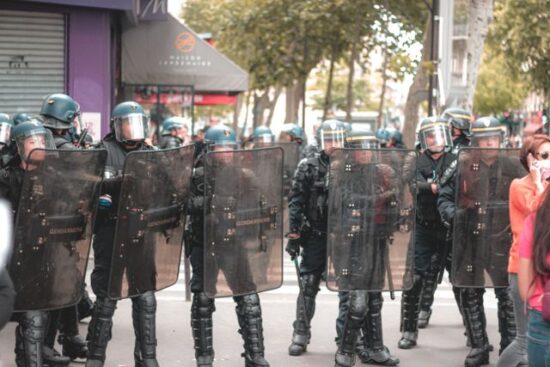
Why Authorities Are Rethinking the Management of Large Public Demonstrations
Anshika Jain - Oct 15, 2026Large public demonstrations have become an important feature of modern democratic societies. From student movements and workers’ strikes to political rallies, environmental campaigns and protests demanding government…
TVK’s Bypoll Wins: What the Party’s First Electoral Test Reveals About Its Political Position
Anshika Jain - Oct 15, 2026The Tamilaga Vettri Kazhagam (TVK), led by Tamil Nadu Chief Minister C. Joseph Vijay, has cleared its first major electoral test since forming the state government. The…

Why Tribal Students Are Marching for Education and Equal Opportunities
Anshika Jain - Oct 15, 2026Education is widely recognised as a pathway to social mobility, economic independence and equal participation in society. For many tribal students in India, however, the journey towards…
Most from this category
Student Protests Over Hostel Facilities: Basic Infrastructure Is Political Issue
Anshika Jain - Oct 15, 2026
Campus Curfews and Women’s Freedom: Safety Rules Become a Discrimination?
Anshika Jain - Oct 15, 2026
Why Internal Disagreements Within Constitutional Institutions Matter to Public Trust
Anshika Jain - Oct 14, 2026
When Police Try to Close a Case: What Legal Remedies Can Victims and Families Pursue?
Anshika Jain - Oct 14, 2026
Student Protests Over Hostel Facilities: Basic Infrastructure Is Political Issue
Anshika Jain - Oct 15, 2026Campus Curfews and Women’s Freedom: Safety Rules Become a Discrimination?
Anshika Jain - Oct 15, 2026Why Internal Disagreements Within Constitutional Institutions Matter to Public Trust
Anshika Jain - Oct 14, 2026