TVK’s Bypoll Wins: What the Party’s First Electoral Test Reveals About Its Political Position

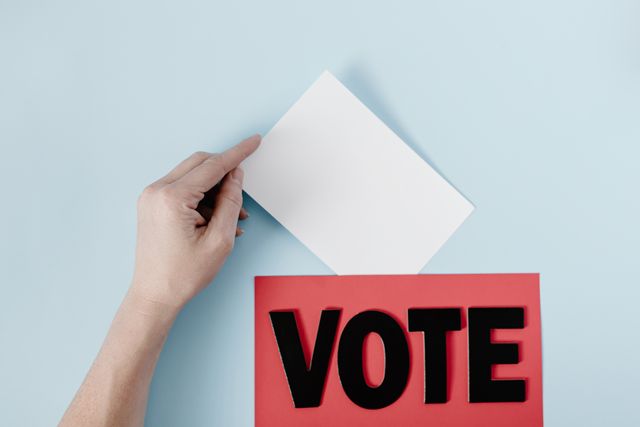

The Tamilaga Vettri Kazhagam (TVK), led by Tamil Nadu Chief Minister C. Joseph Vijay, has cleared its first major electoral test since forming the state government. The party won the Madurantakam and Dharapuram Assembly by-elections held on October 6, 2026, strengthening its legislative position and providing an early indication of how its political influence is developing beyond its breakthrough performance in the Assembly elections earlier this year. However, the results also raise important questions about the strength of Vijay’s personal popularity, the party’s organisational capacity and the challenges facing Tamil Nadu’s established political formations.
The by-elections were particularly significant because both constituencies had elected candidates from the All India Anna Dravida Munnetra Kazhagam (AIADMK) in the April Assembly elections. The two former AIADMK legislators, K. Maragatham Kumaravel and P. Sathyabama, subsequently joined TVK and contested the by-elections under its banner. Their victories demonstrated that the party could retain these constituencies after political defections, while also exposing the difficulties facing the AIADMK in maintaining its traditional support base.
Yet, an electoral victory must be evaluated through more than the final result. The margins, changes in vote share, performance of rival parties and circumstances surrounding the election all influence its political meaning. TVK won both seats, but the outcome fell short of the exceptionally large victory margins that some party leaders had predicted.
The results therefore present a mixed picture. They consolidate TVK’s position as Tamil Nadu’s governing party, reinforce Vijay’s political standing and create additional pressure on the AIADMK. At the same time, they suggest that the party must continue building its organisation and demonstrate that its electoral appeal can translate into sustained political support.
The Background: From Electoral Breakthrough to Government
TVK’s emergence transformed Tamil Nadu’s political landscape during the 2026 Assembly elections. The party entered electoral politics under Vijay’s leadership and challenged a political environment historically dominated by the Dravida Munnetra Kazhagam (DMK) and AIADMK. Its debut performance was substantial, with the party winning 108 of the Assembly’s 234 seats and becoming the single largest party. The DMK won 59 seats, while the AIADMK secured 47.
The result was remarkable because TVK had to compete against established parties with extensive organisational networks, experienced local leaders and decades of electoral experience. Vijay’s popularity as a film star provided the party with considerable public visibility, but translating that visibility into Assembly seats required voters to treat TVK as a political alternative rather than simply an extension of his entertainment career.
Although TVK emerged as the largest party, its 108 seats fell short of the 118 required for a simple majority in the 234-member Assembly. It therefore depended on support from allied parties to form the government. This made legislative stability an important consideration from the beginning of its administration.
Against this background, the by-elections represented an early opportunity to strengthen the party’s Assembly position. Winning both constituencies was important not only because of the additional seats but also because the elections tested whether TVK could maintain support after the political circumstances of the April contest had changed.
For a new governing party, the first by-election can serve as an early assessment of its ability to mobilise voters, coordinate its allies and respond to opposition criticism. TVK’s victories provide evidence of political resilience, although two constituencies alone cannot establish the strength of its support across the entire state.
Madurantakam and Dharapuram: What the Results Show
The two constituencies produced victories for TVK candidates, but the electoral details reveal important differences in the contests. In Madurantakam, K. Maragatham Kumaravel defeated the DMK candidate, I. Paranthaman, by a margin of more than 20,000 votes, according to published results. In Dharapuram, P. Sathyabama defeated the DMK’s S. Suganya by 9,471 votes. The results were reported by public broadcaster News On AIR and other news organisations covering the Tamil Nadu by-elections.
Maragatham Kumaravel’s performance was especially notable because she had won Madurantakam as an AIADMK candidate in April before joining TVK. Her ability to win again under a different party symbol suggests that her personal standing and the changed political alignment both contributed to the outcome. It also raises a broader question about how much of the vote followed the candidate and how much reflected growing support for TVK.
The Dharapuram result was more closely contested. Sathyabama retained the constituency under the TVK banner, but her victory margin was lower than the margin she had achieved in the April Assembly election as an AIADMK candidate. This indicates that a candidate can win a seat while experiencing a different level of electoral support after changing parties.
The distinction matters because the results should not be interpreted as identical expressions of voter behaviour. Madurantakam offered TVK a more comfortable victory, while Dharapuram demonstrated that the party still faced meaningful competition. Together, the outcomes consolidated its legislative position, but they did not establish that every constituency previously won by the AIADMK would automatically move into TVK’s electoral column.
Why the Victory Was Important for Vijay’s Leadership
For Vijay, the bypoll results offered an opportunity to demonstrate that TVK’s political appeal had survived the transition from opposition campaigning to government. Political leaders often benefit from high public visibility when they enter electoral politics, but their long-term influence depends on whether voters continue to support their party after the immediate excitement of a new political movement fades.
Winning two by-elections can strengthen a leader’s authority within the party. It gives the leadership a fresh electoral result to present as evidence of public confidence and can improve morale among party workers. It may also encourage supporters who were previously uncertain about TVK’s ability to compete with established political organisations.
Vijay’s leadership was central to the campaign. His public appearances and active participation helped maintain attention on the two constituencies, while the party presented the victories as an endorsement of its political direction. Following the results, Vijay described the outcome as a victory for political decorum and personal decency, framing the contests as more than a routine electoral exercise.
However, a by-election victory should not be treated as a comprehensive public verdict on every aspect of a government’s performance. Voters may respond to local candidates, constituency-specific concerns, alliances, campaign strategies and dissatisfaction with rival parties. The result does not necessarily mean that all sections of the electorate have endorsed the government’s policies.
Vijay’s larger challenge is therefore to convert electoral momentum into lasting public confidence. This requires effective administration, visible attention to public concerns and a party structure capable of delivering political representation beyond the influence of its leader.
The AIADMK’s Setback and the Challenge of Retaining Its Base
The bypolls also represented a difficult moment for the AIADMK. Both constituencies had elected AIADMK candidates in April, but both seats were subsequently won by those same politicians after they switched to TVK. The change illustrates how defections can reshape electoral competition, particularly when a legislator retains enough local support to win under a new party banner.
The AIADMK’s position became more difficult because it did not simply lose two constituencies to a new political opponent. It lost seats to former members who had previously contested and won under its own symbol. This can create questions about party loyalty, leadership effectiveness and the strength of the organisation at the constituency level.
The outcome also matters because the AIADMK has historically been one of Tamil Nadu’s principal political forces. Its ability to remain competitive depends on maintaining relationships with voters, local leaders and community networks while offering a credible alternative to the government. Losing ground to TVK places additional pressure on the party to explain its electoral strategy and rebuild confidence among its supporters.
Nevertheless, two by-election defeats do not mean that the AIADMK has become politically irrelevant. It retains a substantial Assembly presence and an established identity in Tamil Nadu politics. The more significant question is whether it can respond to TVK’s rise by strengthening its local organisation, retaining experienced leaders and presenting a persuasive political programme.
The results may also encourage further realignments if elected representatives or local political figures believe TVK offers stronger electoral prospects. Such movements could benefit the governing party in the short term, but an organisation that relies heavily on leaders transferring from rival parties must still demonstrate that it can develop its own long-term cadre and constituency-level leadership.
The DMK’s Performance: Defeat With a Political Opportunity
Although TVK won both seats, the DMK’s performance deserves separate attention. The party finished behind TVK in Madurantakam and Dharapuram, but it emerged as the runner-up in both contests. That position allowed it to maintain a visible presence in the electoral competition and challenge the suggestion that TVK’s rise would automatically eliminate the influence of established opposition forces.
The DMK also approached the by-elections in a political environment different from the one it faced during the Assembly election. The alliance landscape had changed, with several parties that had previously been associated with the DMK’s broader political grouping backing TVK in the bypoll contests. This complicated the interpretation of the results because the electoral contest involved not only shifts in individual voter preferences but also changes in party alliances.
For the DMK, finishing second offers an opportunity to reinforce its role as a principal challenger to the government. It can use the results to examine local campaign performance, strengthen constituency-level outreach and identify issues on which the administration may be vulnerable.
At the same time, the party faces a strategic dilemma. It must challenge a new governing party led by a figure with substantial public visibility while retaining its own political identity and support networks. A successful opposition strategy will require more than criticising TVK’s leadership. It must also communicate credible alternatives on governance, welfare, employment and regional development.
The bypoll results therefore suggest that Tamil Nadu’s political competition is changing, but not that the DMK has disappeared from the contest. Its future position will depend on how effectively it adapts to an environment in which Vijay’s party has become the principal governing force.
What the Victory Margins Reveal About TVK’s Limitations
While the two wins strengthened TVK’s Assembly position, the scale of the victories did not match the most ambitious expectations expressed by some party leaders before the results. Reports indicated that projections of exceptionally large margins, including a one-lakh-vote margin in Madurantakam, were not realised. The results were consequently interpreted by some political observers as a victory that was meaningful but less overwhelming than anticipated.
This distinction is important because electoral victory and the magnitude of public support are different measures. In a first-past-the-post system, a candidate needs to secure more votes than any rival, not necessarily an overwhelming majority. A party can win a constituency comfortably while still having room to expand its support base.
Vote comparisons between the April Assembly election and the October bypolls also require caution. The candidates contested under different party banners, alliances changed, and the political context was not identical. Changes in the vote tally cannot automatically be attributed to the popularity of TVK alone.
Even so, the results suggest that Vijay’s personal appeal does not eliminate the need for constituency-level political work. Campaign organisation, local leadership, voter engagement and alliances remain important. A party may generate widespread public enthusiasm but still encounter resistance in areas where rival organisations have established networks or where local issues influence voting decisions.
TVK’s challenge is to transform its high-profile leadership into a durable political organisation. That means maintaining contact with voters between elections, responding to local grievances and demonstrating that its candidates can represent constituencies effectively. The bypolls offered encouraging evidence, but they also reinforced the importance of sustained political work.
Alliance Politics and the Changing Structure of Tamil Nadu Elections
The results also underline the importance of alliances in Tamil Nadu’s evolving political landscape. TVK’s position has been strengthened by cooperation with parties that bring their own voter bases, local leaders and political experience. In Madurantakam, the support of alliance partners and changes in the opposition’s electoral alignment were reported as factors that may have contributed to TVK’s performance.
Alliance politics can help a relatively new party overcome organisational weaknesses. A partner with an established presence in a constituency may contribute campaign networks and local credibility, while the larger party provides leadership visibility and a broader electoral message. However, such arrangements require coordination and a degree of shared political purpose.
The challenge is that alliances can be effective during a particular election without necessarily guaranteeing long-term unity. Partner parties may have their own priorities, expectations and constituencies. A governing party must balance these interests while maintaining a coherent political programme.
For TVK, the bypoll victories suggest that its alliance strategy can be electorally useful. Yet the party must also develop an independent organisational identity that does not depend entirely on temporary political realignments. If it can combine coalition-building with grassroots development, it may become more resilient across future elections.
For rival parties, the results create an incentive to reassess their own alliances and campaign strategies. Tamil Nadu’s political system is not frozen into a permanent arrangement, and the emergence of TVK demonstrates that voter alignments can change more quickly than established political assumptions suggest.
The Governing Challenge: Turning Electoral Support Into Public Confidence
Electoral victories provide political capital, but governing requires a different set of capabilities. Voters who support a new party may expect improvements in public services, employment opportunities, education, infrastructure and administrative responsiveness. If these expectations are not met, the enthusiasm that helped a party win elections may weaken over time.
TVK’s government must therefore demonstrate that its electoral breakthrough can translate into effective administration. This includes setting clear priorities, communicating policy decisions, responding to public grievances and ensuring that the government’s programmes reach their intended beneficiaries.
The party must also maintain stability in the Assembly. Although the two bypoll victories increased its tally from 107 to 109 seats, reports indicated that it continued to depend on allied legislators to sustain its position. The additional seats strengthened the government’s position but did not eliminate the need for coalition management.
This is particularly important for a new party whose political identity is closely associated with one leader. Leadership popularity can attract support, but the government must build institutions and processes that function consistently beyond campaign periods. Experienced administrators, effective local representatives and transparent decision-making can help convert political expectations into measurable results.
The bypolls should therefore be understood as an early checkpoint rather than a final assessment of TVK’s performance. The next stage will depend on how the government handles public demands and whether its policies deliver outcomes that voters can recognise in their daily lives.
Conclusion: A Stronger Position, but Not an Unchallenged Mandate
TVK’s victories in Madurantakam and Dharapuram mark an important moment in Tamil Nadu’s changing political landscape. The party has strengthened its Assembly position, reinforced Vijay’s leadership and demonstrated that it can win elections even after the political circumstances of its candidates change. The defeats have also placed additional pressure on the AIADMK, while the DMK’s second-place finishes indicate that established parties continue to have a role in the state’s evolving competition.
However, the results should not be interpreted as proof that TVK has achieved an unchallenged political position. The victory margins fell short of some expectations, the two constituencies represent only a small part of Tamil Nadu, and local candidates and alliances played important roles in shaping the outcome.
The deeper significance lies in the questions the bypolls raise about the future of Tamil Nadu politics. Can TVK transform Vijay’s popularity into a stable organisation? Can it maintain the support of its allies while developing its own local leadership? Can the AIADMK rebuild its base, and can the DMK establish itself as an effective opposition?
The answers will emerge through governance, future elections and the ability of political parties to respond to public expectations. For now, TVK’s first bypoll victories represent a meaningful consolidation of power, but also a reminder that electoral success must be sustained through organisational strength, credible policies and accountable leadership.
The party has passed its first test in government. Its larger test will be whether it can turn that early success into lasting political confidence across Tamil Nadu.
Online Internship with Certificate
You may be interested
Why Authorities Are Rethinking the Management of Large Public Demonstrations
Anshika Jain - Oct 15, 2026Large public demonstrations have become an important feature of modern democratic societies. From student movements and workers’ strikes to political rallies, environmental campaigns and protests demanding government…
Why Tribal Students Are Marching for Education and Equal Opportunities
Anshika Jain - Oct 15, 2026Education is widely recognised as a pathway to social mobility, economic independence and equal participation in society. For many tribal students in India, however, the journey towards…
Student Protests Over Hostel Facilities: Basic Infrastructure Is Political Issue
Anshika Jain - Oct 15, 2026Hostels are an essential part of higher education, particularly for students who travel from rural areas, smaller towns and economically disadvantaged backgrounds to attend universities in major…
Most from this category

Campus Curfews and Women’s Freedom: Safety Rules Become a Discrimination?
Anshika Jain - Oct 15, 2026
When Opposition Leaders Face Detention: The Legal Boundaries of Political Protest
Anshika Jain - Oct 15, 2026
Why Internal Disagreements Within Constitutional Institutions Matter to Public Trust
Anshika Jain - Oct 14, 2026
When Police Try to Close a Case: What Legal Remedies Can Victims and Families Pursue?
Anshika Jain - Oct 14, 2026
Campus Curfews and Women’s Freedom: Safety Rules Become a Discrimination?
Anshika Jain - Oct 15, 2026When Opposition Leaders Face Detention: The Legal Boundaries of Political Protest
Anshika Jain - Oct 15, 2026Why Internal Disagreements Within Constitutional Institutions Matter to Public Trust
Anshika Jain - Oct 14, 2026