Why Tribal Students Are Marching for Education and Equal Opportunities

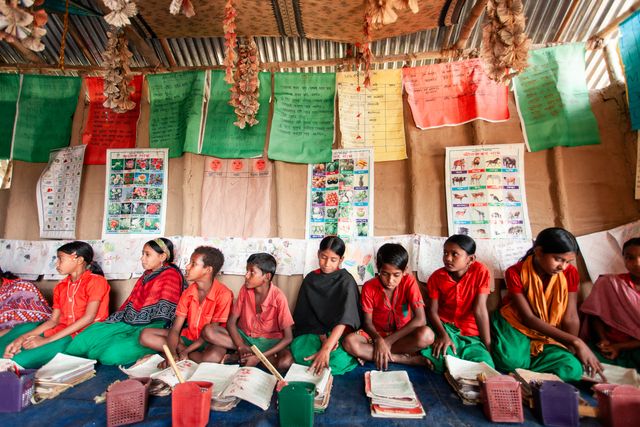

Education is widely recognised as a pathway to social mobility, economic independence and equal participation in society. For many tribal students in India, however, the journey towards educational opportunity involves challenges that extend far beyond classrooms and examinations. Distance from educational institutions, inadequate residential facilities, financial insecurity, language barriers and unequal access to academic resources can make continuing education significantly more difficult.
These challenges have increasingly brought student welfare into public discussion. In October 2026, 32 tribal girls in Shahdol district of Madhya Pradesh reportedly walked approximately 16 kilometres to reach the district collector’s office and raise concerns about poor food quality and inadequate infrastructure at their hostel. Their journey drew attention to the living conditions experienced by students who depend on residential facilities to continue their education. The incident illustrates how a problem that begins inside a hostel can become a wider demand for administrative accountability and equal educational opportunities.
For students who come from remote villages, residential accommodation is often essential rather than optional. A hostel provides access to schools and colleges that may otherwise be too far away for daily travel. When food, sanitation, drinking water, security or basic maintenance becomes unreliable, the consequences can affect students’ health, concentration and ability to remain enrolled.
The demands of tribal students must therefore be understood within a broader discussion about educational equality. Their protests are not simply requests for improved hostel facilities. They also raise questions about whether government schemes reach their intended beneficiaries, whether institutions provide adequate support and whether students from historically underserved communities can access the same educational opportunities as their peers.
Why Tribal Students Face Distinct Educational Challenges
India’s Scheduled Tribe communities are diverse, with different languages, cultural traditions, geographical circumstances and economic conditions. It would be inaccurate to assume that every tribal student experiences the same barriers. Nevertheless, research on tribal education identifies recurring challenges involving poverty, geographical isolation, infrastructure gaps, language differences and limited access to educational support.
A mixed-methods systematic review published in Children and Youth Services Review in June 2026 examined barriers and facilitators affecting education among tribal populations in India. Its findings highlighted issues including teacher shortages, language gaps, poverty, isolation, inadequate infrastructure and gender-related disadvantages. The review also identified scholarships, community support and residential schools as factors that can help improve educational participation and retention.
Geography is one of the most important factors. Some tribal communities live in hilly, forested or sparsely populated areas where secondary schools, colleges, libraries and coaching facilities are difficult to access. Even when students complete their early education locally, pursuing higher secondary or university studies may require them to move to another town or district.
Relocation introduces new expenses, including accommodation, food, transportation, books, internet access and other educational necessities. Families with limited and irregular incomes may struggle to cover these costs consistently. A scholarship that pays tuition fees may not always cover every expense associated with living away from home, particularly when payments are delayed or local living costs rise.
Language can create another barrier. Students who begin their education in a tribal or regional language may encounter teaching and assessment systems that rely heavily on a different language. Without adequate transition support, they may find it harder to understand textbooks, communicate with teachers or participate confidently in classroom discussions.
These challenges do not indicate a lack of ability or ambition among tribal students. They demonstrate why equal opportunity requires more than formally opening educational institutions to everyone. Students must also have the resources and support necessary to participate successfully.
Accommodation: The Foundation of Educational Continuity
Residential facilities play a crucial role in expanding access to education for students who live far from schools and colleges. Without affordable accommodation, many students may be unable to accept admission even when they qualify academically. Government-supported hostels and residential schools can reduce this barrier by providing a place to live closer to educational facilities.
However, the availability of a hostel bed does not automatically guarantee suitable living conditions. Students require safe buildings, clean drinking water, hygienic washrooms, nutritious food, electricity, study spaces and appropriate supervision. When any of these essentials is consistently unavailable, residential accommodation may become a source of hardship instead of a support system.
The reported protest by tribal girls in Shahdol highlights this distinction. According to the report, the students travelled a considerable distance to bring alleged deficiencies in hostel food and infrastructure directly to the district administration. Their decision to approach the collector suggests the importance of accessible grievance mechanisms, especially when students believe their concerns are not being resolved through ordinary channels.
For young women living away from their families, hostel conditions can have additional consequences. Poor sanitation, inadequate security, unreliable food and insufficient access to health services can affect their well-being and sense of safety. Families may also become reluctant to support continued education if residential facilities appear unreliable.
A strong accommodation policy must therefore focus on quality as well as capacity. Constructing more hostels is important, but existing facilities also need regular inspections, reliable maintenance, responsible food-service management and transparent complaint procedures. Residential education can improve access only when students can live and study in conditions that protect their health and dignity.
The Financial Pressure Behind Educational Inequality
Financial insecurity remains a significant obstacle for students from economically disadvantaged households. The costs of education extend beyond tuition fees to include travel, stationery, books, digital devices, examination charges, accommodation and daily living expenses. For students who must relocate to continue their education, these costs can become especially difficult to manage.
A family’s ability to support education may also fluctuate with seasonal employment, agricultural income, illness or other unexpected expenses. Even when parents strongly value education, financial pressure can force students to reduce their expenses, take up work or consider leaving their studies.
Scholarships and direct financial assistance can reduce these barriers, but their effectiveness depends on timely delivery, accessible application procedures and clear eligibility requirements. Students may struggle when they do not receive accurate information about available schemes, encounter difficulties obtaining documents or experience delays in the verification and payment process.
The Ministry of Tribal Affairs administers several education-related scholarship programmes for Scheduled Tribe students. These include pre-matric and post-matric scholarships, national scholarships for higher education, fellowships and the National Overseas Scholarship. The ministry’s official scholarship information explains the broad purpose and eligibility arrangements associated with these forms of assistance.
Financial support should be assessed in relation to the actual costs students face. Tuition assistance may not be sufficient if accommodation is unavailable or living expenses remain unaffordable. Similarly, a scholarship that is approved but reaches a student after essential payments are due may not prevent temporary hardship.
Improving financial access requires coordination between institutions, scholarship authorities and student welfare departments. Clear communication, simpler procedures where possible, effective grievance redressal and timely disbursement can help ensure that support reaches eligible students when they need it.
Government Schemes and the Gap Between Policy and Implementation
India has introduced several programmes intended to expand educational opportunities for Scheduled Tribe students. These initiatives recognise that geographical isolation, financial constraints and inadequate institutional infrastructure can restrict access to quality education.
One prominent initiative is the Eklavya Model Residential Schools programme. According to the Ministry of Tribal Affairs, the programme began in 1997–98 to provide quality education to Scheduled Tribe children, particularly those in remote areas, and help them access higher education and employment opportunities. The schools are intended to provide education from Classes VI to XII, alongside extracurricular activities and broader developmental opportunities.
The government has also expanded the programme’s intended reach. A Ministry of Tribal Affairs announcement in April 2025 described a target of 728 Eklavya Model Residential Schools under the revised expansion framework, including the establishment of additional schools in eligible blocks with significant Scheduled Tribe populations.
These programmes can help reduce the distance between students and educational institutions. Residential schooling can provide a more structured learning environment, while scholarships can help students continue their studies beyond school. However, policy objectives must translate into consistent delivery on the ground.
Implementation involves more than announcing new schools or allocating funds. Institutions require suitable buildings, qualified teachers, reliable supplies, trained residential staff and effective oversight. Construction delays, staffing shortages, maintenance problems or weak grievance procedures can reduce the benefits of otherwise valuable programmes.
The distinction between policy and implementation is central to understanding student protests. Students may be aware that government schemes exist, yet still face problems in their everyday educational experience. Their demands can therefore serve as a form of public feedback, drawing attention to areas where services may not be meeting stated objectives.
Accountability should involve checking whether facilities are operational, whether resources are reaching institutions and whether students are receiving the support intended for them. It should also include listening to students directly, because official records alone may not fully capture the conditions inside residential facilities.
Equal Opportunities Beyond School Admissions
Educational equality cannot be measured only by the number of students admitted to schools and colleges. Meaningful access also involves the ability to remain enrolled, complete a qualification and benefit from the opportunities available within an institution.
Students from underserved communities may encounter disadvantages after admission. They may have limited access to computers, stable internet connections, private study spaces, mentoring, competitive-examination preparation or professional networks. Students who are unfamiliar with institutional procedures may also find it difficult to navigate scholarship applications, internships and career guidance services.
These gaps can influence long-term outcomes. A student may complete a degree but struggle to obtain an internship because of limited professional exposure. Another may have the academic ability to pursue postgraduate research but lack information about fellowships, entrance examinations or application procedures.
Universities and colleges can reduce these barriers by providing accessible career counselling, digital learning facilities, academic mentoring and information about financial assistance. Bridge courses and language support may help students adjust to new academic environments without treating differences in prior educational access as personal shortcomings.
Equal opportunity also requires fair treatment within educational institutions. Students should be able to raise concerns about discrimination, harassment or exclusion without fearing retaliation. Faculty members, administrators and support staff need appropriate awareness of the diverse circumstances of students from tribal communities.
The goal is not to lower academic expectations. It is to ensure that students have a fair opportunity to meet those expectations. When educational institutions combine rigorous teaching with effective support, they can help students develop the knowledge and skills required for further study and employment.
The Additional Barriers Faced by Tribal Girls
Tribal girls may experience overlapping disadvantages related to gender, geography and household finances. The difficulties vary considerably across communities, but some students face additional expectations concerning domestic responsibilities, travel, safety and family care.
When a girl must travel long distances to attend school, the availability of safe transportation and suitable accommodation can influence whether she continues her education. Families may worry about security, especially where residential facilities lack reliable supervision, adequate sanitation or effective complaint mechanisms. In financially constrained households, the cost of education may also compete with other immediate needs.
The reported journey undertaken by 32 tribal girls in Shahdol illustrates how students can become active participants in demanding improvements to their own educational environment. Rather than remaining dependent on others to communicate their concerns, they reportedly approached the district administration to seek attention to hostel conditions.
Such actions should be understood as expressions of agency, not merely as evidence of vulnerability. Tribal girls are students with their own aspirations, priorities and understanding of the conditions required for education. Their experiences can help administrators identify problems that might otherwise remain unnoticed.
Improving educational opportunities for tribal girls requires more than admissions targets. It involves safe and hygienic accommodation, reliable menstrual health facilities, access to health services, adequate nutrition, supportive teaching environments and opportunities to participate in academic and extracurricular activities.
Families and communities are important partners in this process, but institutional responsibility remains essential. Girls should not have to accept unsafe or inadequate conditions as the price of continuing their education.
Why Student Marches and Protests Matter
A march to a district office or a protest outside an educational institution can be an attempt to make an unresolved issue visible to decision-makers. When students believe that routine complaints have failed, collective action may provide a way to demand a response from authorities who have the power to arrange inspections, repair facilities or investigate administrative failures.
Such protests can also draw attention to the distance between the experience of students and the information available to higher-level officials. Administrators may receive reports indicating that a hostel is operational, while residents may continue to experience problems with food, sanitation or essential supplies. Direct engagement with students can help reveal these differences.
Peaceful protest is one form of civic participation, although the applicable rules governing demonstrations vary by location and circumstance. Students can also seek action through written complaints, student representatives, hostel committees and appropriate grievance authorities. These channels need not be alternatives to one another; a public demonstration may bring attention to a concern while formal representations establish a record of the requested action.
The response from authorities is equally important. An immediate visit or verbal assurance may calm a situation, but lasting improvement depends on whether commitments are implemented. Students and administrators should be able to identify what action has been agreed upon, who is responsible and how progress will be assessed.
Protests should not automatically be portrayed as evidence that an institution has failed in every respect, just as they should not be dismissed as unnecessary disruption. Their significance depends on the underlying facts, the demands being raised and the response that follows. When handled constructively, student activism can contribute to better services and stronger public accountability.
Building a More Responsive Tribal Education System
Long-term improvements require coordinated action by governments, educational institutions, residential-school administrations and local communities. The first priority is to ensure that essential facilities meet appropriate standards. Hostels need regular inspections of drinking-water systems, kitchens, sanitation, electrical installations, building safety and sleeping arrangements. Problems that affect students’ health or immediate safety should receive prompt attention.
The second priority is reliable financial and administrative support. Institutions need adequate maintenance budgets, clear responsibility for repairs and transparent procedures for purchasing supplies and managing services. Where scholarships or other financial assistance are involved, students should receive clear information about eligibility, documentation, payment timelines and available remedies for unresolved applications.
The third priority is meaningful student participation. Residential students are often the first to notice recurring problems, and their observations can help institutions identify failures early. Regular meetings with student representatives, confidential complaint channels and published responses to recurring issues can improve trust and reduce the need for prolonged disputes.
Educational support should extend beyond residential facilities. Schools and colleges can provide mentoring, digital access, language support, career guidance and information about higher-education opportunities. These services can help students move from basic educational access towards academic achievement and professional independence.
Finally, governments and institutions should evaluate outcomes rather than rely only on announcements or construction figures. Useful assessments include whether facilities are functioning, whether complaints are resolved promptly, whether students remain enrolled and whether they can progress into higher education and employment. Data should be interpreted carefully and alongside direct feedback from students, families and local communities.
A responsive system recognises that educational inclusion is an ongoing responsibility. It requires regular assessment, transparent decision-making and a willingness to correct problems when the experience of students differs from institutional expectations.
Conclusion: Equal Education Requires Dignified Living Conditions
The demand for education, accommodation and equal opportunities reflects a central principle of educational justice: students cannot benefit fully from learning opportunities unless the conditions necessary to pursue education are also available.
For many tribal students, hostel facilities are directly connected to access itself. Affordable accommodation makes it possible to study far from home, while reliable food, water, sanitation and security allow students to concentrate on their academic goals. Scholarships and financial support can reduce economic barriers, but they must be accompanied by functional institutions and effective systems of accountability.
The reported march by tribal girls in Shahdol brought these concerns into public view. Their journey highlighted the importance of listening to students who depend on residential facilities and ensuring that their complaints lead to meaningful action.
India’s education schemes, including Eklavya Model Residential Schools and scholarship programmes for Scheduled Tribe students, provide important foundations for improving access. Their success, however, depends on consistent implementation, appropriate infrastructure, timely assistance and transparent oversight.
Equal opportunity means more than allowing students to enter a classroom. It means creating conditions in which they can remain enrolled, participate fully, develop their abilities and pursue their ambitions without being held back by avoidable barriers. Tribal students’ demands for better facilities and stronger educational support should therefore be viewed as an important contribution to the wider discussion about the quality and fairness of India’s education system.
Ultimately, the success of educational inclusion will be measured not only by how many students are admitted, but also by whether they receive the support and dignity necessary to complete their education and build the futures they seek.
Online Internship with Certificate
You may be interested

Why Authorities Are Rethinking the Management of Large Public Demonstrations
Anshika Jain - Oct 15, 2026Large public demonstrations have become an important feature of modern democratic societies. From student movements and workers’ strikes to political rallies, environmental campaigns and protests demanding government…
TVK’s Bypoll Wins: What the Party’s First Electoral Test Reveals About Its Political Position
Anshika Jain - Oct 15, 2026The Tamilaga Vettri Kazhagam (TVK), led by Tamil Nadu Chief Minister C. Joseph Vijay, has cleared its first major electoral test since forming the state government. The…
Student Protests Over Hostel Facilities: Basic Infrastructure Is Political Issue
Anshika Jain - Oct 15, 2026Hostels are an essential part of higher education, particularly for students who travel from rural areas, smaller towns and economically disadvantaged backgrounds to attend universities in major…
Most from this category

Campus Curfews and Women’s Freedom: Safety Rules Become a Discrimination?
Anshika Jain - Oct 15, 2026
When Opposition Leaders Face Detention: The Legal Boundaries of Political Protest
Anshika Jain - Oct 15, 2026
Why Internal Disagreements Within Constitutional Institutions Matter to Public Trust
Anshika Jain - Oct 14, 2026
When Police Try to Close a Case: What Legal Remedies Can Victims and Families Pursue?
Anshika Jain - Oct 14, 2026
Campus Curfews and Women’s Freedom: Safety Rules Become a Discrimination?
Anshika Jain - Oct 15, 2026When Opposition Leaders Face Detention: The Legal Boundaries of Political Protest
Anshika Jain - Oct 15, 2026Why Internal Disagreements Within Constitutional Institutions Matter to Public Trust
Anshika Jain - Oct 14, 2026