Middle East Tensions and Oil Prices: Diplomatic Signals Change Global Energy Markets?

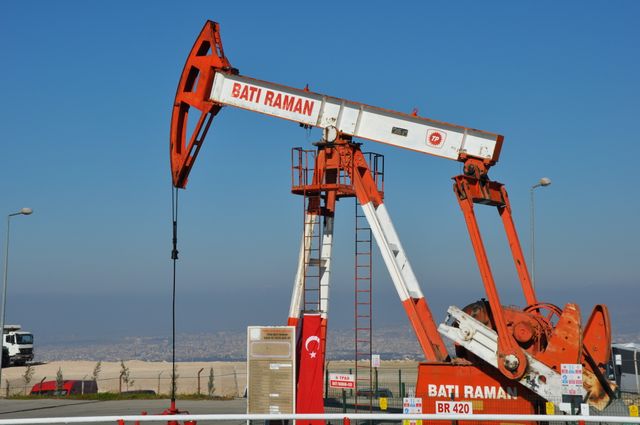

Global oil prices are influenced by much more than the balance between supply and demand. Political stability, international negotiations, military developments, trade restrictions and diplomatic relationships can all affect how energy markets assess future risks. This is particularly evident in the Middle East, a region that plays a central role in global oil production, transportation and exports. Even when oil production continues normally, rising geopolitical tensions can create uncertainty about whether supplies will remain accessible in the coming weeks or months.
Diplomatic signals can therefore have an immediate influence on global energy markets. A ceasefire announcement, progress in nuclear negotiations, an agreement to reopen a shipping route or a statement indicating reduced military confrontation may ease concerns about potential supply disruptions. Conversely, the breakdown of negotiations, threats against energy infrastructure or escalating regional tensions can increase the risk premium incorporated into oil prices.
The relationship between diplomacy and oil markets is complex because traders do not respond only to events that have already affected production. They also respond to expectations about what might happen next. A statement from a government leader may influence market sentiment even before any formal agreement is signed, while an apparently positive diplomatic announcement may have little effect if investors believe that the underlying risks remain unresolved.
Understanding this relationship is essential for governments, businesses, investors and consumers. Changes in international oil prices influence fuel costs, transportation, manufacturing, inflation and household expenses. This article examines how diplomatic developments in the Middle East influence oil prices, why geopolitical risk affects energy supply expectations and how international markets interpret signals of cooperation or confrontation.
Why the Middle East Has Such a Strong Influence on Global Oil Prices
The Middle East occupies a strategically important position in the global energy system because it contains major oil-producing countries and some of the world’s most significant petroleum transportation routes. Saudi Arabia, Iran, Iraq, the United Arab Emirates and Kuwait are important contributors to international oil supply. Their production decisions, export infrastructure and political relationships can influence the availability of crude oil across global markets.
The region’s importance is not limited to the quantity of oil it produces. Its geographical position connects major producers with energy-consuming economies in Asia, Europe and other regions. A disruption to a major export route can therefore affect countries that have no direct involvement in the political tensions causing it.
The Strait of Hormuz is particularly important. It connects the Persian Gulf with international shipping routes and serves as a major transit corridor for crude oil, petroleum products and liquefied natural gas. According to the Congressional Research Service, approximately 27% of global maritime trade in crude oil and petroleum products passes through the strait.
When tensions threaten the security of this passage, traders may anticipate reduced exports, longer shipping journeys, higher insurance costs and delays in deliveries. Even without a complete closure, uncertainty about whether tankers can travel safely may increase the cost of supplying oil to international markets.
This explains why developments in the Middle East can influence oil prices far beyond the region. The market is responding not only to the oil already produced but also to the reliability of the infrastructure that moves it.
How Diplomatic Signals Influence Oil Prices
Peace Negotiations Can Reduce the Geopolitical Risk Premium
Oil prices frequently include a geopolitical risk premium, which represents the additional amount traders are willing to pay because of uncertainty about future supply. This premium can rise when military confrontation threatens production facilities, export terminals, pipelines or shipping routes.
Diplomatic negotiations can reduce this risk premium by changing expectations. When governments announce meaningful progress towards a ceasefire or a negotiated settlement, traders may become less concerned about future supply disruptions. They may expect shipping routes to become safer, export volumes to recover and insurance costs to decline.
This can create downward pressure on crude prices even before the agreement produces a measurable increase in oil supply.
Recent developments illustrate this relationship. On October 29, 2026, Reuters reported that renewed diplomatic efforts between the United States and Iran eased some concerns about Middle Eastern supply disruptions. Brent crude settled lower during the session, although continuing regional risks limited the decline.
The important distinction is that diplomatic optimism does not automatically create additional oil. It changes the probability that existing supply will be disrupted in the future.
Failed Negotiations Can Increase Market Uncertainty
The opposite effect occurs when diplomatic negotiations collapse. If governments reject proposals, issue new military warnings or threaten retaliation, traders may expect further disruptions.
This uncertainty can increase demand for immediate oil purchases, particularly among refiners and importers concerned about future availability. Financial investors may also adjust their positions based on expectations of higher prices.
The resulting increase can happen before any physical shortage develops. Markets are forward-looking, and prices often reflect expectations about future conditions rather than simply the present balance between production and consumption.
This is why a short statement from a government official can sometimes move oil prices. Traders interpret diplomatic language as an indication of whether the probability of escalation is increasing or decreasing.
The Strait of Hormuz: Why Maritime Security Matters
The security of the Strait of Hormuz is one of the most important factors connecting Middle Eastern diplomacy with global energy markets. A large volume of oil exports from Gulf producers depends on shipping through this narrow maritime passage.
If tankers cannot travel safely, producers may face difficulties delivering crude oil even when their production facilities remain operational. Export delays can reduce the amount of oil reaching international buyers and increase competition for available cargoes.
Alternative routes and infrastructure can provide some flexibility. Saudi Arabia, for example, has pipelines that allow oil to move towards the Red Sea, reducing its dependence on the Strait of Hormuz for some exports. However, alternative infrastructure cannot necessarily replace the full volume of shipments that normally pass through the waterway.
Shipping security also affects the economics of oil transportation. Tanker operators consider the possibility of attacks, route restrictions, crew safety concerns and higher insurance premiums before accepting voyages.
The International Energy Agency’s October 2026 Oil Market Report described a fragile recovery in Middle Eastern oil supply. It reported that Gulf crude exports had increased significantly in September, but renewed attacks on energy infrastructure and tanker traffic threatened further recovery. The report also highlighted record tanker rates and the pressure these costs placed on refinery margins.
This shows why reopening a shipping route is not necessarily enough to restore normal energy trade. Traders need confidence that vessels can continue operating safely over an extended period.
Diplomatic Developments and the Current Oil Market
The latest Middle Eastern developments provide a useful example of how diplomatic signals and security conditions can influence oil prices simultaneously.
The conflict involving Iran, the United States and Israel has disrupted regional energy trade and placed the Strait of Hormuz at the centre of international attention. During October 2026, attacks on commercial shipping and concerns about further military escalation contributed to elevated oil prices.
On October 31, Brent crude futures settled at $117.64 per barrel, while US West Texas Intermediate reached $104.12. Reuters reported that prices had climbed to six-month highs amid fears of further escalation and uncertainty surrounding efforts to end the conflict.
However, diplomatic developments have continued to create downward pressure at different points. On November 2, reports indicated that discussions involving Qatari mediation over a potential arrangement to reopen the Strait of Hormuz had eased some market concerns. Oil prices fell by more than 3.5% in the reported trading session as investors reassessed the risk premium.
At the same time, renewed attacks near the strait continued to create uncertainty. This demonstrates that markets can respond positively to diplomatic signals while remaining concerned about the possibility of further disruption.
The situation also illustrates an important limitation of short-term price movements. A decline in oil prices following reports of negotiations does not establish that the conflict has ended or that energy supplies have returned to normal. Traders may reverse their positions if negotiations fail or shipping security deteriorates again.
How Different Diplomatic Actions Affect Energy Markets
Ceasefire Agreements and De-escalation Commitments
A ceasefire can reduce the immediate threat to energy infrastructure and maritime transportation. When opposing parties agree to stop military operations, traders may expect fewer attacks on oil facilities, ports, pipelines and commercial vessels.
However, markets distinguish between a temporary pause and a durable political settlement. A short ceasefire that lacks monitoring arrangements or enforcement mechanisms may not reduce long-term uncertainty significantly.
A more comprehensive agreement can have a stronger impact if it includes commitments to protect shipping, prevent attacks on energy infrastructure and maintain access to international trade routes.
Nuclear Negotiations and Economic Sanctions
Diplomatic negotiations over Iran’s nuclear programme can also influence oil markets because international sanctions affect the country’s ability to export energy.
If negotiations produce an agreement that leads to sanctions relief, Iran may gain greater access to international buyers, financial systems, shipping services and investment. This could potentially increase the amount of Iranian oil available to the global market.
However, sanctions relief depends on formal agreements, legal procedures and the implementation of commitments. A diplomatic announcement alone does not guarantee an immediate increase in exports.
Conversely, a breakdown in negotiations or the introduction of additional restrictions may create expectations of tighter supply. Traders may therefore monitor nuclear diplomacy even when discussions do not directly concern oil production.
Agreements to Protect Shipping Routes
Diplomatic coordination between regional and international governments can improve maritime security. Agreements involving naval coordination, communication channels, vessel monitoring and protection arrangements may encourage shipping companies to resume normal operations.
This can reduce transportation uncertainty and gradually lower freight and insurance costs. It may also make it easier for producers to deliver oil through established routes rather than relying on expensive alternatives.
Nevertheless, shipping companies need credible evidence that security conditions have improved. They may continue avoiding a route even after a political announcement if the risk of attacks remains significant.
Why Oil Prices Do Not Always Fall After Peace Announcements
A diplomatic announcement may create optimism, but oil prices do not necessarily decline immediately or remain lower. Several factors explain this apparent contradiction.
First, markets assess whether the announcement is credible. If previous agreements have collapsed or the parties continue issuing contradictory statements, traders may consider the latest diplomatic signal unreliable.
Second, physical oil supply may remain restricted even after political tensions begin to ease. Damaged infrastructure requires repairs, tankers need time to return to regular routes and export operations may take weeks or months to normalise.
Third, shipping and insurance costs can remain elevated. Companies may demand higher premiums for operating in areas where the threat of attacks has not completely disappeared.
Fourth, global oil inventories may already have declined significantly. If countries have used emergency stocks to compensate for previous disruptions, the market may have less capacity to absorb another supply shock.
The International Energy Agency’s October report highlighted substantial declines in global observed inventories and warned that constrained middle-distillate supplies could persist into 2027.
This means that even successful diplomacy may not immediately restore the market conditions that existed before a crisis.
The Role of OPEC+ in Stabilising Oil Markets
Diplomatic developments are only one part of the oil price equation. Decisions by major oil-producing countries can also influence how the market responds to geopolitical events.
The OPEC+ includes major producers that coordinate production policies through formal meetings and consultations. Its decisions can influence the amount of crude oil entering international markets.
When geopolitical tensions reduce supply, OPEC+ members may face pressure to increase production where spare capacity and operational conditions allow. Additional output can help reduce shortages and limit price increases.
However, production increases cannot necessarily compensate for disrupted transportation routes. Oil that cannot be safely exported may remain unavailable to international buyers regardless of the producing country’s capacity.
On October 12, 2026, OPEC and participating non-OPEC countries reaffirmed their commitment to a stable oil market and emphasised the importance of protecting international maritime routes. Their statement also highlighted unusually high shipping and insurance costs associated with interruptions to energy flows.
This demonstrates that oil market stability depends on coordination among producers, governments, shipping companies and international institutions.
How Diplomatic Uncertainty Affects India and Other Oil-Importing Economies
Countries that depend heavily on imported crude oil are particularly sensitive to geopolitical developments in the Middle East. India is one such economy, importing a substantial proportion of the oil it consumes.
When international crude prices increase, Indian refiners may face higher input costs. These expenses can influence domestic fuel pricing, transportation, manufacturing and the cost of goods.
The impact does not always appear immediately at petrol pumps. Government taxation, refinery margins, currency movements, commercial contracts and domestic pricing decisions can influence how quickly international changes reach consumers.
A weaker Indian rupee can increase the domestic cost of imported oil even when the dollar-denominated crude price remains unchanged. This creates an additional connection between geopolitical tensions, currency markets and inflation.
Higher oil prices can also increase the cost of aviation fuel, logistics, chemicals, plastics and agricultural inputs. Businesses may eventually transfer some of these expenses to consumers, contributing to broader inflationary pressure.
Diplomatic stability in the Middle East is therefore economically important for India. Reduced tensions can improve confidence in shipping routes and energy supply, while continued uncertainty can increase import costs and complicate financial planning.
For policymakers, maintaining diversified energy sources, strategic petroleum reserves, efficient logistics and long-term supply agreements can help reduce exposure to international disruptions.
How Financial Markets Interpret Diplomatic Signals
Oil markets respond to diplomatic developments through a combination of physical trading, futures contracts and investor expectations.
Financial traders monitor government statements, negotiations, military developments and shipping information to estimate future supply risks. They may adjust their positions when the probability of disruption changes.
Futures markets are particularly important because they allow participants to trade contracts for oil delivery at future dates. Changes in the prices of these contracts can reveal how investors view near-term supply conditions compared with longer-term expectations.
For example, if immediate oil supplies appear threatened, short-dated contracts may become more expensive relative to contracts for later delivery. This market structure can reflect the urgency of obtaining physical crude.
Diplomatic announcements can alter these expectations. If traders believe that a shipping route will reopen soon, immediate supply concerns may decline. If negotiations collapse, near-term prices may rise again.
However, financial market reactions should not be confused with guaranteed changes in physical supply. Speculative positioning, currency movements, inventory data and expectations about global economic growth can also influence oil prices.
The Role of Strategic Reserves and Alternative Supply Routes
Governments and international energy agencies maintain strategic petroleum reserves to reduce the impact of major supply disruptions. These reserves can be released when commercial markets face serious shortages or sudden supply interruptions.
Emergency releases may help increase available supply and reduce immediate market pressure. However, reserves are finite, and their use cannot permanently replace regular production and transportation.
On November 2, 2026, ADNOC’s chief executive warned that global energy supply buffers had been significantly depleted during the disruption associated with the Strait of Hormuz. The report highlighted large withdrawals from global inventories and growing pressure on diesel supplies.
Alternative pipelines, diversified import agreements and regional storage facilities can also strengthen energy security. However, their usefulness depends on available capacity, geographical limitations and the ability to move oil to the refineries that need it.
Diplomatic cooperation can complement these measures by reducing the likelihood that emergency arrangements will be required in the first place.
Can AI Predict the Effect of Diplomacy on Oil Prices?
Artificial intelligence is increasingly relevant to energy-market analysis because it can process large volumes of information from different sources. These include shipping records, satellite imagery, oil inventories, production reports, government statements, financial transactions and historical price movements.
Natural language processing systems can analyse diplomatic announcements and identify changes in political language. For example, an AI model could examine whether statements increasingly refer to negotiations, ceasefire arrangements or threats of military action.
Machine learning systems can combine these signals with shipping activity and production information to estimate the potential impact on oil supply. If tanker traffic declines while insurance costs increase and diplomatic negotiations stall, the model may identify a higher probability of supply disruption.
AI can also support scenario analysis. Energy companies and governments could compare the possible market consequences of a successful ceasefire, a temporary shipping agreement or a renewed military escalation.
However, geopolitical forecasting remains difficult. Political leaders may change their positions, confidential negotiations may produce unexpected outcomes and military events can develop rapidly. AI systems can identify patterns and estimate risks, but they cannot reliably predict every diplomatic decision or guarantee future oil prices.
The most useful role for AI is therefore to support human analysis, improve information processing and help organisations prepare for different energy-market scenarios.
Conclusion
Middle East tensions demonstrate that oil prices are influenced not only by production and consumption but also by expectations about political stability and international cooperation. Diplomatic signals can change those expectations rapidly. A credible ceasefire, progress in negotiations or an agreement to protect shipping routes may reduce the geopolitical risk premium, while failed talks and renewed military threats can push prices higher.
The current crisis involving Iran, the United States and Israel illustrates how diplomatic developments around the Strait of Hormuz can influence international oil markets. Recent price movements show that even the possibility of renewed negotiations can ease market pressure, while continuing attacks and shipping uncertainty can prevent a sustained decline.
For oil-importing economies such as India, these developments matter because higher crude prices can influence fuel costs, inflation, industrial production and household spending. Governments and businesses therefore need to consider diplomatic developments alongside traditional supply-and-demand indicators when planning their energy strategies.
Ultimately, stable global energy markets require more than sufficient oil production. They depend on secure transportation routes, reliable international relationships, functioning infrastructure and diplomatic arrangements that reduce the risk of conflict. In an interconnected energy economy, diplomacy is not separate from oil-market stability; it is one of the forces that helps determine whether energy can reach the people and industries that depend on it.
Online Internship with Certificate
You may be interested

Climate Change as a Health Emergency: Researchers Calling for Global Health Action?
Anshika Jain - Nov 02, 2026Climate change is increasingly being recognised as more than an environmental or economic challenge. Its effects are becoming visible in hospitals, communities, agricultural regions and public health…

Rising Commodity Costs: How Do Supply Disruptions Reach Household Budgets?
Anshika Jain - Nov 02, 2026The price of everyday goods is influenced by events that often take place thousands of kilometres away from the people who eventually pay for them. A conflict…
Possible US–Iran Escalation: How Do Military Warnings Affect Regional Stability?
Anshika Jain - Nov 02, 2026Relations between the United States and Iran remain one of the most consequential sources of uncertainty in international security. Their disagreements extend beyond military competition and diplomatic…
Most from this category

Israel’s Election and Coalition Uncertainty: No Political Bloc Secures a Majority
Anshika Jain - Nov 02, 2026



Israel’s Election and Coalition Uncertainty: No Political Bloc Secures a Majority
Anshika Jain - Nov 02, 2026Spain’s Deadly Train Collision: Rail Networks Investing in Maintenance
Anshika Jain - Nov 02, 2026Overtourism and Mountain Infrastructure: India’s Tourist Destinations
Anshika Jain - Oct 30, 2026