Spain’s Deadly Train Collision: Rail Networks Investing in Maintenance

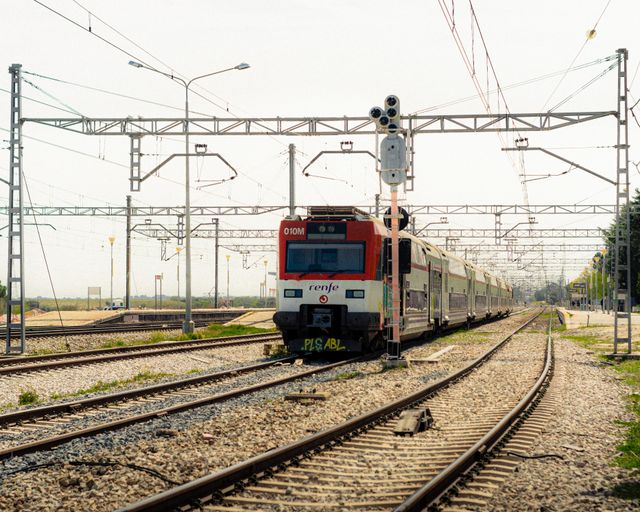

Railways are widely regarded as one of the most efficient forms of mass transportation. Modern trains can carry thousands of passengers, connect distant cities and reduce dependence on road and air travel. Advances in signalling, automated monitoring, high-speed infrastructure and digital control systems have also made railway operations more sophisticated. Yet serious train collisions continue to raise difficult questions about whether technological progress is being matched by sufficient investment in infrastructure maintenance, operational safety and risk prevention.
Spain’s deadly train collision brings these concerns into focus. A major railway accident is rarely just a question of what happened in the final moments before impact. Understanding the wider safety picture requires examining track conditions, signalling systems, inspection procedures, maintenance budgets, operational decisions and the effectiveness of emergency response arrangements. It also requires distinguishing confirmed findings from early reports and avoiding conclusions before investigators have established the cause.
The broader issue extends beyond Spain. Railway networks across Europe and other regions are under pressure to increase capacity, improve punctuality and support growing passenger demand. However, expanding services and introducing advanced technology cannot replace the continuous maintenance of physical infrastructure. A modern railway is safe only when its tracks, trains, control systems, staff procedures and emergency arrangements function together.
This article examines the importance of railway maintenance and safety investment, the role of modern technology in preventing collisions, and the lessons that major accidents can offer to railway authorities around the world.
Spain’s October 2026 Train Collision: What Happened?
Spain’s latest railway tragedy occurred on 28 October 2026 near Urda in Toledo province, on the Madrid–Seville high-speed railway corridor. A Renfe AVE train collided with the rear of a stationary Iryo train after problems with the railway signalling and train-protection system disrupted normal operations. At least 69 people were reported killed, with more than 200 injured, making the collision one of Spain’s most devastating recent railway disasters.
The incident has raised questions about how a high-speed railway system equipped with sophisticated technology could allow two trains to occupy a dangerous situation on the same track. Both trains had been affected by a signalling disruption. The Iryo train remained stationary, while the Renfe train was reportedly authorised to resume normal-speed operation. Investigators are examining the communications between drivers and the Madrid control centre, the information available to controllers and the safety mechanisms that should have prevented the collision.
A preliminary investigation report published on 30 October described a sequence of faults, instructions and operational decisions rather than identifying a single isolated cause. It indicated that a failure in the LZB train-protection system created a hazardous situation and that the subsequent handling of train movements requires detailed examination. The investigation remains ongoing, so the preliminary findings should not be treated as a final determination of responsibility.
The tragedy is particularly significant because Spain also experienced a deadly high-speed railway accident near Adamuz in January 2026. That earlier incident involved the derailment of an Iryo train and a collision with a Renfe Alvia service. Investigators examined possible damage to a rail joint and the condition of the track. Although the January and October accidents involved different immediate circumstances, their occurrence within the same year has intensified public scrutiny of railway maintenance, infrastructure reliability and safety oversight.
Why Modern Railway Networks Still Face Serious Safety Risks
Modern railway systems are designed around multiple layers of protection. These include physical infrastructure inspections, signalling equipment, automatic train protection, speed monitoring, communication networks and operational procedures. Each layer is intended to reduce the likelihood that a single failure will develop into a catastrophic accident.
However, railway safety depends on the reliability of the entire system rather than the presence of advanced technology alone. A high-speed train may have sophisticated braking equipment, but its effectiveness depends on receiving accurate information about track conditions and operating restrictions. Similarly, a signalling system may function correctly under normal conditions but create serious operational challenges when it becomes unavailable and staff must follow alternative procedures.
One of the most important principles in railway engineering is that safety systems should be designed to prevent dangerous outcomes even when individual components or human decisions fail. This is often described as a defence-in-depth approach. If one layer becomes unavailable, another should reduce the risk. When several safeguards fail together, the possibility of a serious accident increases.
The October collision has therefore raised a fundamental question: were Spain’s railway safety arrangements sufficiently resilient to handle a signalling failure, or did the disruption expose weaknesses in the way the network manages abnormal operating conditions?
The Importance of Railway Infrastructure Maintenance
Track Inspection Is More Than a Routine Technical Exercise
Railway tracks experience continuous mechanical stress. Every passing train places pressure on rails, sleepers, fastenings and the supporting ballast. Temperature changes, moisture, vibration, heavy traffic and ground movement can gradually affect the condition of the infrastructure.
Even relatively small defects can become serious if they remain undetected. Cracks, rail-joint damage, loose fastenings, track deformation and changes in alignment can affect train stability. High-speed railway infrastructure requires particularly careful monitoring because trains operate at speeds that reduce the time available to identify and respond to hazards.
Maintenance programmes therefore need to go beyond occasional visual inspections. Railway authorities use different methods to examine track geometry, material condition and structural performance. Depending on the infrastructure and risk assessment, these may include ultrasonic testing, track-recording vehicles, geometry measurements, dynamic inspections and physical examination by trained technicians.
The January Adamuz accident demonstrates why the condition of individual track components attracts such attention after a major derailment. Early reporting described the discovery of a broken rail joint and investigators examined whether the damage existed before the train passed over the section. The final technical findings are essential for establishing the actual sequence of events.
Maintenance Must Be Continuous, Not Merely Scheduled
A railway line can pass an inspection and still develop a defect later. This does not automatically mean that the inspection was inadequate. Infrastructure changes over time, and some defects may be difficult to detect using a particular inspection method.
For this reason, modern maintenance strategies increasingly combine scheduled inspections with condition-based monitoring. Instead of relying only on fixed maintenance intervals, railway operators can use sensor readings and performance records to identify components that show unusual changes.
For example, track-monitoring equipment can detect changes in geometry, while vibration sensors may identify patterns associated with developing mechanical problems. Data from repeated inspections can help engineers distinguish normal variation from deterioration that requires intervention.
However, predictive maintenance is useful only when the information leads to timely action. A system that identifies a possible defect but does not trigger an appropriate inspection, repair or speed restriction cannot provide meaningful protection. Investment must therefore cover not only monitoring technology but also skilled personnel, repair capacity and effective maintenance planning.
Signalling Systems and Automatic Train Protection
Why Signalling Is Central to Railway Safety
Railway signalling systems manage train movements and help prevent conflicting operations. They communicate information about track occupancy, permitted movement, speed restrictions and operating conditions. On high-speed networks, signalling is particularly important because drivers cannot always rely on seeing signals at a distance and reacting visually in the same way as on conventional railway lines.
The LZB system involved in the October incident is a train-control technology that continuously monitors train movement and can activate braking when operating conditions require it. According to preliminary reporting, its failure disrupted normal operations and led to the use of alternative procedures involving communication between controllers and drivers.
This raises an important safety question: what should happen when a primary protection system becomes unavailable?
A robust railway should have clearly defined degraded-mode procedures. These procedures establish how trains can move safely when normal signalling or automatic protection is disrupted. Depending on the situation, trains may need to operate at restricted speeds, follow additional movement authorisations or remain stopped until their safe route is confirmed.
The exact procedures depend on the railway’s technical configuration and applicable operating rules. However, the underlying principle remains consistent: a technical failure should trigger a controlled reduction in operational risk rather than an assumption that normal conditions have returned.
Replacing Ageing Systems and Managing Technology Transitions
The October accident has also intensified debate about the continued use of the older LZB system on parts of Spain’s high-speed network. Railway unions have argued that the system experiences repeated outages and should have been replaced earlier. Government representatives have acknowledged that it can go offline but have defended the country’s ongoing modernisation programme.
This debate illustrates a challenge faced by many railway authorities. Replacing an established signalling system is not as simple as installing new equipment. It can require changes to trackside infrastructure, train equipment, control centres, communication networks, staff training and operational certification.
During the transition, older and newer technologies may operate across different parts of the network. This makes compatibility, maintenance and clear operating procedures especially important.
The European Rail Traffic Management System, or ERTMS, is intended to support greater interoperability and standardisation across European railways. Its European Train Control System component provides train-protection functionality. However, introducing newer technology does not automatically eliminate safety risks. Equipment must be properly installed, tested, maintained and supported by suitable operating procedures.
Modernisation should therefore be evaluated not simply by the amount spent on new technology but by whether the replacement systems improve reliability, operational resilience and protection against foreseeable failures.
Are Railway Networks Investing Enough in Safety?
Determining whether a railway authority is investing enough cannot be answered by looking at one budget figure. Railway safety depends on how resources are distributed between infrastructure expansion, maintenance, rolling stock, signalling, staffing, training and emergency preparedness.
A network may invest heavily in new high-speed lines while existing infrastructure requires additional maintenance. Another may purchase modern trains but retain ageing signalling equipment. A railway operator may introduce automated monitoring without providing enough technicians to investigate the alerts.
The challenge is balancing visible development with less visible safety work. New stations, faster services and expanded routes attract public attention, while rail inspections, replacement of worn components and maintenance of control systems are less noticeable. Yet these activities are essential to keeping the network safe.
Spain’s recent accidents have brought this issue into the public debate. Following the October collision, railway unions raised concerns about staffing levels, working conditions and repeated signalling problems. They have also questioned whether increasing passenger traffic and opening high-speed services to private operators have been matched by sufficient investment in infrastructure and operational capacity. These are claims that require examination through staffing records, maintenance data and independent investigations rather than assumption.
An adequate safety investment strategy should consider the full lifecycle cost of railway infrastructure. This includes initial construction, routine inspections, preventive maintenance, component replacement, system upgrades and the eventual retirement of outdated technology.
The Role of Human Factors in Railway Accidents
Technology is essential to modern railway safety, but railway networks are still operated and supervised by people. Drivers, traffic controllers, signalling engineers, maintenance technicians and emergency personnel all make decisions that can influence operational outcomes.
Human error is often discussed after accidents, but focusing exclusively on the final action of an individual can obscure the wider conditions in which that decision occurred. Staff may be dealing with equipment failures, incomplete information, communication delays, high workloads or unclear procedures.
In the October collision, investigators are examining the instructions given by the control centre and the circumstances under which the Renfe train was authorised to resume normal-speed movement. They are also assessing the wider technical and organisational conditions surrounding the signalling failure.
A reliable safety system should not depend on a single person making every decision correctly under pressure. Operational procedures should provide clear instructions, independent verification where appropriate and automatic safeguards against dangerous movements.
Staffing levels also matter. Railway control centres manage complex operations involving multiple trains, infrastructure restrictions and unexpected disruptions. If workloads become excessive, the risk of communication mistakes or delayed responses may increase. Adequate staffing, regular training, realistic shift patterns and effective fatigue management are therefore important parts of railway safety investment.
How Artificial Intelligence Can Improve Railway Maintenance
Artificial intelligence is becoming an important tool in infrastructure management. Railway networks generate large quantities of information through inspection vehicles, sensors, signalling systems, maintenance records and operational monitoring platforms. AI can help analyse these datasets to identify patterns that may indicate emerging faults.
Predictive Maintenance and Early Fault Detection
Machine learning models can examine historical maintenance records and sensor measurements to identify conditions associated with equipment deterioration. For example, unusual vibration patterns may indicate a developing mechanical issue, while repeated temperature changes or electrical irregularities may suggest problems in particular components.
Predictive maintenance systems can estimate which assets are more likely to require attention and help maintenance teams prioritise inspections. This may reduce the risk of unexpected equipment failure and improve the allocation of limited engineering resources.
However, predictions are not guarantees. Models can produce false alarms or fail to recognise unusual defects that were poorly represented in their training data. Engineers must validate alerts and use physical inspections before making critical maintenance decisions.
Intelligent Monitoring of Signalling Infrastructure
AI can also support the monitoring of signalling equipment. By analysing fault logs, system interruptions and performance records, models may identify components or locations that experience recurring problems.
In a case such as the disruption involving Spain’s LZB system, historical outage information could be useful for understanding the frequency, duration and operational consequences of failures. Such analysis may help authorities prioritise replacement, maintenance or additional monitoring.
However, AI should not independently authorise trains to resume movement. Decisions involving train separation, speed restrictions and route safety must remain governed by certified railway protection systems and established operational procedures.
Digital Twins for Railway Infrastructure
A digital twin is a virtual representation of a physical asset or system that can be updated using operational and inspection data. Railway authorities can use digital twins to model track conditions, infrastructure performance and the effects of maintenance decisions.
For example, a digital model of a railway section could help engineers examine how repeated heavy traffic, temperature changes and infrastructure wear affect particular components. It could also support simulations of signalling failures and operational disruptions.
Digital twins may improve planning, but their reliability depends on accurate data and realistic modelling. They should support engineering judgement rather than replace physical inspection or independent safety assessment.
Emergency Response and Passenger Protection
Preventing collisions is the primary objective of railway safety, but emergency preparedness remains essential when an accident occurs. The speed and coordination of emergency response can influence how effectively passengers receive medical assistance and how safely rescue operations are conducted.
High-speed train accidents can create complicated rescue environments. Carriages may be severely damaged, access routes may be restricted and emergency teams may need to coordinate with railway engineers before approaching certain areas. Electrical systems, damaged tracks and unstable structures can create additional hazards.
Railway operators should regularly test emergency communication arrangements and coordinate with police, fire services, hospitals and local authorities. Passenger evacuation procedures, staff training, emergency access routes and equipment availability should also be reviewed.
Technology can support this process through real-time train-location information, passenger communication systems and digital coordination platforms. However, emergency response ultimately depends on trained personnel and clear command arrangements.
Passenger safety also involves accessible emergency information. Instructions should be understandable to people with different languages, disabilities and levels of familiarity with railway travel. Clear communication can reduce confusion during an already stressful situation.
Lessons for Railway Networks Beyond Spain
Spain’s experience offers important questions for railway authorities worldwide. High-speed railways are expanding in several countries, including India, where new infrastructure and modern signalling systems are central to long-term transport planning.
The lesson is not that modern railway systems are inherently unsafe. Railways remain an important and generally safe form of transportation. Rather, major accidents demonstrate why safety investment must develop alongside network expansion.
India’s railway system faces a different combination of challenges, including high passenger volumes, a large conventional network, diverse operating conditions and ongoing modernisation. Technologies such as automatic train protection, including Kavach, are part of efforts to strengthen operational safety. Their effectiveness depends on comprehensive deployment, testing, maintenance, staff training and compatibility across the network.
Railway authorities in every country should examine whether their maintenance schedules reflect actual infrastructure conditions, whether signalling failures are analysed systematically and whether degraded-mode procedures are sufficiently robust. Independent accident investigations should also result in measurable corrective action rather than recommendations that remain unimplemented.
The wider principle is that railway safety should be evaluated continuously. A network’s reputation, technological sophistication or previous record cannot guarantee future reliability.
Conclusion
Spain’s deadly train collision has renewed an important debate about the relationship between railway modernisation, maintenance investment and operational safety. The preliminary findings surrounding the October 2026 accident point towards a combination of signalling disruption, operational instructions and safety-system failures that investigators are still examining. The January Adamuz disaster has further increased attention on track condition and infrastructure reliability.
These incidents demonstrate why railway safety cannot depend on advanced trains or modern signalling equipment alone. It requires continuous infrastructure inspections, reliable automatic protection, well-designed emergency procedures, sufficient staffing and a culture in which potential risks are reported and addressed before they develop into serious incidents.
Artificial intelligence, predictive maintenance and digital twins can help railway authorities identify emerging problems and allocate resources more effectively. Nevertheless, technology must support qualified engineers, trained operational staff and independent safety oversight rather than replace them.
Ultimately, the question is not simply whether modern rail networks are investing in new technology. It is whether they are investing enough in the complete safety system that makes railway operations reliable. Expansion, speed and passenger capacity matter, but none should take priority over the protection of human life.
Online Internship with Certificate
You may be interested

Climate Change as a Health Emergency: Researchers Calling for Global Health Action?
Anshika Jain - Nov 02, 2026Climate change is increasingly being recognised as more than an environmental or economic challenge. Its effects are becoming visible in hospitals, communities, agricultural regions and public health…

Rising Commodity Costs: How Do Supply Disruptions Reach Household Budgets?
Anshika Jain - Nov 02, 2026The price of everyday goods is influenced by events that often take place thousands of kilometres away from the people who eventually pay for them. A conflict…

Possible US–Iran Escalation: How Do Military Warnings Affect Regional Stability?
Anshika Jain - Nov 02, 2026Relations between the United States and Iran remain one of the most consequential sources of uncertainty in international security. Their disagreements extend beyond military competition and diplomatic…
Most from this category
Middle East Tensions and Oil Prices: Diplomatic Signals Change Global Energy Markets?
Anshika Jain - Nov 02, 2026
Israel’s Election and Coalition Uncertainty: No Political Bloc Secures a Majority
Anshika Jain - Nov 02, 2026


Middle East Tensions and Oil Prices: Diplomatic Signals Change Global Energy Markets?
Anshika Jain - Nov 02, 2026Israel’s Election and Coalition Uncertainty: No Political Bloc Secures a Majority
Anshika Jain - Nov 02, 2026Overtourism and Mountain Infrastructure: India’s Tourist Destinations
Anshika Jain - Oct 30, 2026