
The New Water Crisis: Why Groundwater Is Becoming a Major Concern

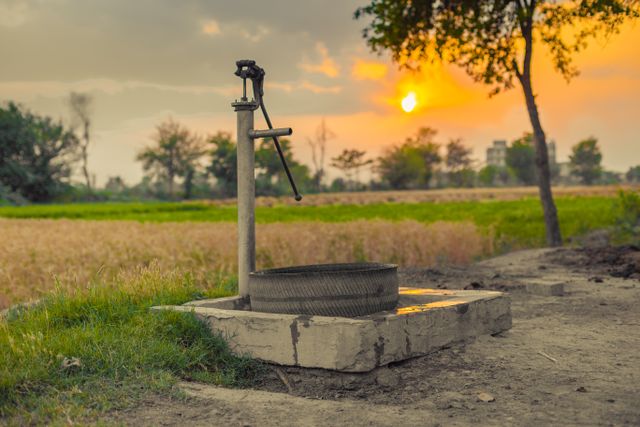

Water is one of the most essential resources for human survival, economic development, and environmental stability. While rivers, lakes, and reservoirs often receive the most attention in discussions about water availability, a significant portion of the world’s freshwater supply lies beneath the Earth’s surface. Groundwater, which is stored in underground layers of soil, sand, gravel, and rock known as aquifers, supports drinking water supplies, agricultural production, industrial activities, and the health of natural ecosystems. For millions of people, it serves as a dependable source of water when surface water becomes scarce or seasonal rainfall fails.
However, groundwater resources are facing growing pressure in many parts of the world. Rapid population growth, expanding agricultural demand, urbanisation, industrial development, and changing climate patterns are increasing the rate at which underground water is extracted. In several regions, groundwater is being consumed faster than natural processes can replenish it. At the same time, pollution, saltwater intrusion, and poor water management are reducing the quality and availability of this valuable resource.
The emerging groundwater crisis is not simply a problem of water scarcity. It is also a challenge involving food security, public health, economic stability, environmental protection, and social equality. As underground water reserves decline, communities may face rising extraction costs, damaged ecosystems, reduced agricultural productivity, and growing competition for access to clean water.
Understanding why groundwater is becoming a major concern is essential for developing sustainable solutions. Protecting this hidden resource requires responsible consumption, effective governance, scientific monitoring, and greater public awareness.
Understanding Groundwater and Its Importance
Groundwater is water that moves through and accumulates within underground geological formations. It originates primarily from rainfall, melting snow, and other sources of surface water that gradually infiltrate the soil and move downward through permeable materials. This process, known as groundwater recharge, replenishes underground reserves over time.
The amount of groundwater available in a particular region depends on several factors, including rainfall, soil characteristics, geological conditions, vegetation, and the rate at which water is extracted. Some aquifers recharge relatively quickly, while others contain water that accumulated over thousands of years. When groundwater is withdrawn from slowly replenished aquifers at a rate that exceeds natural recharge, the resource can become depleted.
Groundwater plays a critical role in supplying drinking water to households, particularly in rural areas where access to centralised water infrastructure may be limited. Wells, borewells, and hand pumps provide water for domestic consumption, sanitation, and other daily activities. In agricultural regions, groundwater supports irrigation and helps farmers maintain crop production during dry periods.
Beyond human use, groundwater also sustains rivers, wetlands, springs, and other ecosystems. In many locations, underground water gradually flows into rivers and lakes, helping maintain water levels during periods of low rainfall. When groundwater reserves decline significantly, these natural connections can weaken, affecting aquatic habitats and biodiversity.
Its importance is therefore much greater than its underground location might suggest. Groundwater is a vital component of the global water cycle and a foundation of water security for communities, industries, and ecosystems.
Why Groundwater Is Becoming a Major Concern
The growing groundwater crisis is driven by the imbalance between extraction and replenishment. As demand for water increases, many regions are relying more heavily on underground reserves to meet their needs. This dependence becomes particularly problematic when groundwater is treated as an unlimited resource rather than a finite natural asset.
Population growth is increasing demand for drinking water, sanitation, food production, and energy. Urban areas require large volumes of water for households, businesses, construction, and public infrastructure. Agricultural regions need reliable supplies to irrigate crops, especially when rainfall is unpredictable or insufficient.
At the same time, groundwater management often lacks accurate monitoring, effective regulation, and long-term planning. In some regions, individuals and industries can extract water without sufficient oversight of how much is being withdrawn or how quickly underground reserves are recovering.
Climate change adds another layer of uncertainty. Rising temperatures can increase evaporation and water demand, while changing rainfall patterns may reduce the frequency or reliability of groundwater recharge. Extended droughts can push communities to pump more water from underground sources, accelerating depletion.
These pressures are interconnected. As surface water becomes less reliable, communities may turn to groundwater. As groundwater levels fall, deeper wells and more powerful pumps may be required. This can increase extraction costs and encourage further dependence on underground reserves, creating a cycle that becomes increasingly difficult to reverse.
Agricultural Dependence and Excessive Groundwater Extraction
Agriculture is one of the largest users of freshwater globally, and groundwater plays a central role in irrigation across many agricultural regions. Farmers depend on underground water to protect crops from irregular rainfall, maintain production during dry seasons, and support food supplies for growing populations.
The use of groundwater for irrigation can improve agricultural reliability, particularly in areas where rainfall is seasonal. However, problems arise when water-intensive crops are cultivated in regions with limited water availability or when irrigation systems encourage excessive consumption.
In some agricultural areas, farmers pump groundwater continuously to meet crop requirements. When extraction exceeds recharge, water tables gradually decline. Wells may become less productive, forcing farmers to deepen them or invest in more powerful pumps. These changes increase operating costs and can place smaller farmers at a disadvantage.
Agricultural policies and market incentives can also influence groundwater use. If farmers receive limited guidance about water-efficient practices or face economic pressure to maximise short-term production, they may have little incentive to reduce extraction. Cropping patterns that require substantial irrigation can further intensify pressure on local aquifers.
Sustainable groundwater management in agriculture requires a combination of improved irrigation practices, appropriate crop selection, soil moisture conservation, reliable water data, and policies that encourage efficient water use. The objective is not to reduce food production unnecessarily but to ensure that agricultural systems remain productive without exhausting the resources on which they depend.
Urbanisation and the Growing Demand for Water
Rapid urbanisation is placing additional pressure on groundwater reserves. As cities expand, the demand for drinking water, commercial activities, construction, sanitation, and public services increases. When municipal water supplies cannot meet this demand, households, businesses, residential complexes, and industries may rely heavily on borewells.
In many developing regions, groundwater provides an important source of water for rapidly growing urban populations. It can be relatively accessible and may offer a practical alternative where water distribution networks are unreliable. However, uncontrolled extraction can gradually reduce groundwater levels beneath cities and surrounding areas.
Urban development can also interfere with natural groundwater recharge. Roads, buildings, parking areas, and other impermeable surfaces prevent rainwater from infiltrating the ground as effectively as it would in natural landscapes. Instead, rainfall may flow into drainage systems and leave the area without replenishing underground reserves.
The consequences can extend beyond water shortages. Excessive groundwater extraction in certain geological conditions can contribute to land subsidence, in which the ground gradually sinks as underground materials compact. This can damage buildings, roads, drainage infrastructure, and other structures.
Cities therefore need integrated water management strategies that combine reliable public water supplies, rainwater harvesting, wastewater treatment and reuse, groundwater monitoring, and urban planning that protects recharge areas.
Groundwater Pollution and Declining Water Quality
Groundwater scarcity is not only about the amount of water available. Its quality is equally important. Even when underground reserves remain physically present, pollution can make them unsafe or unsuitable for drinking, agriculture, and other uses.
Groundwater contamination can originate from agricultural chemicals, industrial waste, poorly managed sewage systems, landfill leakage, mining activities, and the improper disposal of household or commercial waste. Pollutants may enter the ground through soil infiltration, leaking storage systems, or direct contact with underground water sources.
Agricultural practices can contribute to groundwater pollution when fertilisers and pesticides are applied excessively or without appropriate safeguards. Nitrates from fertilisers and sewage can seep into groundwater, while certain pesticides and industrial chemicals may persist in the environment for extended periods.
Inadequately treated wastewater can also contaminate groundwater, particularly where sanitation infrastructure is weak. Contaminated drinking water may expose communities to harmful substances and increase the risk of serious health problems.
Some groundwater quality problems arise naturally. Certain geological formations contain minerals and chemical elements that can dissolve into groundwater. Depending on local conditions, water may contain elevated concentrations of substances such as arsenic, fluoride, or salts. These naturally occurring contaminants can create serious public health challenges when groundwater is consumed without adequate testing and treatment.
Protecting groundwater quality requires pollution prevention, regular testing, safe waste disposal, appropriate sanitation systems, and effective enforcement of environmental standards. Once contamination spreads through an aquifer, remediation can be technically difficult, expensive, and time-consuming.
Climate Change and the Uncertainty of Groundwater Recharge
Climate change is reshaping the relationship between rainfall, surface water, and groundwater. Although groundwater is stored beneath the Earth’s surface, it remains closely connected to atmospheric conditions and the broader water cycle.
Changes in rainfall patterns can affect the amount of water that reaches underground aquifers. In regions experiencing prolonged droughts, reduced precipitation may limit groundwater recharge while increasing the need for irrigation and domestic water supplies. This can intensify the imbalance between extraction and replenishment.
Rising temperatures can increase evaporation from soil and surface water, reducing the amount of moisture available to infiltrate the ground. At the same time, heat can increase water demand for agriculture, landscaping, and household consumption.
Intense rainfall events do not necessarily guarantee effective groundwater recharge. Heavy rainfall may generate rapid surface runoff, particularly in urban areas with extensive paved surfaces or in landscapes where soil infiltration is limited. While some regions may experience increased recharge under changing climate conditions, others may face more frequent periods of water stress.
Groundwater can provide a valuable buffer during droughts because it may remain available after surface water supplies decline. However, relying too heavily on this reserve can weaken its ability to protect communities during future dry periods.
Climate adaptation strategies must therefore include groundwater conservation, recharge protection, improved water storage, reliable monitoring, and planning based on local hydrological conditions.
The Groundwater Crisis in India
Groundwater is particularly important in India, where it supports drinking water supplies, agricultural irrigation, and numerous industrial and commercial activities. Rural households frequently depend on wells and borewells, while farmers use groundwater to support crop production across a wide range of climatic and geographical conditions.
India’s groundwater challenges vary significantly by region. In some areas, intensive agricultural pumping has contributed to declining water levels. In others, groundwater quality is affected by naturally occurring contaminants, industrial pollution, or inadequate sanitation infrastructure. Rapid urban growth has also increased demand for underground water in many cities and towns.
States with substantial irrigation requirements and uneven rainfall patterns face particular challenges in balancing groundwater extraction with natural recharge. In parts of northwestern India, for example, intensive groundwater use for agriculture has placed considerable pressure on underground reserves. Other regions experience seasonal water shortages that encourage communities to depend more heavily on borewells.
Groundwater management in India is closely connected to agricultural policy, rural livelihoods, drinking water access, urban planning, and environmental protection. Farmers require reliable water supplies, households need safe drinking water, and industries depend on water for production. These needs must be balanced against the long-term availability of groundwater.
India’s response requires stronger local water governance, improved groundwater data, protection of recharge areas, efficient irrigation, rainwater harvesting, and greater public participation. Sustainable solutions must also account for the economic realities of farmers and the water needs of vulnerable communities.
The Impact of Groundwater Depletion on Communities
Declining groundwater levels can affect communities in several ways. As underground water becomes harder to access, households may need to invest in deeper wells, additional pumping equipment, or alternative water supplies. These costs can place a disproportionate burden on low-income families and small farmers.
In rural areas, reduced groundwater availability can threaten agricultural livelihoods. Farmers may experience lower crop yields, increased irrigation expenses, or greater uncertainty about planting decisions. These pressures can affect local employment, household income, and food security.
Water scarcity can also increase the time and effort required to collect water. When nearby wells dry up, households may need to travel longer distances or depend on water delivered from other locations. Such challenges can place additional responsibilities on women and children in communities where water collection is part of daily household work.
The crisis may also intensify competition among households, farmers, industries, and local authorities. When groundwater becomes scarce, disagreements over access and allocation can become more difficult to resolve, particularly where regulations are weak or water rights are unclear.
These consequences demonstrate that groundwater depletion is not simply an environmental issue. It is also a matter of economic security, public health, social equality, and community resilience.
The Environmental Consequences of Groundwater Depletion
Groundwater depletion can have significant effects on natural ecosystems. Many rivers, wetlands, springs, and lakes depend partly on underground water to maintain their flow and water levels. When groundwater extraction reduces these contributions, ecosystems may experience declining water availability.
Reduced groundwater discharge can cause streams to become smaller or dry up during periods when they would otherwise continue flowing. Wetlands may lose water, affecting the plants, animals, and microorganisms that depend on them. These changes can reduce biodiversity and weaken the ecological functions of natural habitats.
In coastal regions, excessive groundwater extraction can also encourage saltwater intrusion. When freshwater pressure in an aquifer declines, seawater may move into underground freshwater reserves. This can make groundwater unsuitable for drinking and irrigation without expensive treatment.
Groundwater depletion may also contribute to land subsidence in certain geological settings. As water is removed from underground sediments, some layers can compact, causing the ground surface to sink. In severe cases, this process can permanently reduce the storage capacity of aquifers.
Protecting groundwater is therefore essential not only for human water supplies but also for maintaining the environmental systems that support life.
Sustainable Solutions for Groundwater Conservation
Addressing the groundwater crisis requires a long-term approach that combines responsible consumption, effective management, scientific understanding, and community participation. Since groundwater systems differ across regions, conservation strategies must be adapted to local geological conditions, climate patterns, and water demands.
Rainwater harvesting can help capture rainfall and direct it toward storage or groundwater recharge where conditions are suitable. Rooftop collection systems, recharge pits, infiltration structures, and restored ponds can support local water management when they are properly designed and maintained. However, recharge projects must account for water quality, soil conditions, and the characteristics of the underlying aquifer.
Agricultural water efficiency is another important area. Improved irrigation techniques, soil moisture management, suitable crop choices, and better scheduling can help reduce unnecessary water use. Farmers also need access to practical guidance, affordable technology, and incentives that make sustainable practices economically viable.
Urban areas can reduce pressure on groundwater by improving municipal water distribution, repairing leaks, reusing treated wastewater, and protecting natural recharge zones. Urban planning should recognise that parks, open spaces, wetlands, and permeable surfaces can contribute to water infiltration when supported by appropriate local conditions.
Groundwater monitoring and regulation are equally important. Authorities need reliable information about water levels, extraction rates, recharge patterns, and water quality. This information can support decisions about where pumping needs to be limited, where conservation efforts should be prioritised, and how water resources can be shared more equitably.
Public awareness also plays a significant role. Communities that understand how groundwater is replenished and why excessive extraction creates long-term risks may be better equipped to participate in local water management initiatives.
Technology and Innovation in Groundwater Management
Technology can improve the way groundwater resources are monitored, managed, and protected. Remote sensing, geographic information systems, digital water meters, and groundwater monitoring networks can help researchers and authorities understand changes in water availability across different regions.
Sensors installed in monitoring wells can provide information about groundwater levels over time. When combined with rainfall data, geological surveys, and extraction records, these measurements can help identify areas experiencing increasing water stress.
Digital platforms can also support better decision-making by making water-related information more accessible to farmers, communities, researchers, and public authorities. Data-driven systems may help identify patterns of excessive extraction, monitor recharge projects, and improve planning for drought conditions.
Artificial intelligence and predictive modelling can assist in analysing complex datasets and exploring possible future scenarios. However, these technologies depend on reliable data, transparent methods, and local validation. They cannot replace effective governance or responsible water management.
Technology is most useful when it supports practical conservation measures and helps communities make informed decisions about the water resources on which they depend.
The Role of Governments, Communities, and Individuals
Groundwater conservation requires cooperation among governments, businesses, farmers, households, researchers, and local communities. Governments can establish regulations for groundwater extraction, strengthen water-quality standards, invest in monitoring infrastructure, and support sustainable agricultural and urban water practices.
Local communities can contribute by protecting ponds and recharge areas, maintaining rainwater harvesting systems, reporting pollution, and participating in water-management initiatives. Community-based approaches can be particularly valuable in areas where groundwater is shared among many households or agricultural users.
Businesses and industries also have a responsibility to manage their water consumption, prevent contamination, and adopt efficient production processes. Transparent reporting and responsible water planning can help reduce pressure on local groundwater reserves.
Individuals can contribute by reducing unnecessary water use, maintaining plumbing systems, supporting rainwater harvesting where appropriate, and avoiding the disposal of harmful substances into drains or the environment. While individual actions alone cannot resolve large-scale groundwater depletion, they can reinforce broader conservation efforts.
The most effective approach combines individual responsibility with institutional action. Groundwater protection must be supported by policies, infrastructure, scientific evidence, and sustained public participation.
Conclusion
Groundwater is one of the world’s most valuable natural resources, supporting drinking water supplies, agriculture, industry, and ecosystems. Yet increasing demand, excessive extraction, pollution, urbanisation, and climate-related pressures are placing this essential resource under growing strain.
The groundwater crisis is particularly concerning because underground reserves are often difficult to observe and can take years or even centuries to recover, depending on local conditions. When aquifers are depleted or contaminated, the consequences can extend across entire communities, affecting livelihoods, public health, food security, and environmental stability.
Addressing this challenge requires a fundamental shift in how groundwater is understood and managed. It must be treated as a limited resource that requires careful monitoring, responsible use, and long-term protection rather than as an unlimited supply available whenever surface water becomes scarce.
Sustainable groundwater management depends on efficient agriculture, responsible urban development, pollution prevention, rainwater harvesting, reliable data, and cooperation among governments, industries, and communities. Technology can strengthen these efforts, but lasting progress also requires informed decisions and consistent action.
Protecting groundwater today is essential for securing water availability for future generations. By recognising the value of underground water and managing it responsibly, societies can reduce the risk of water scarcity and build a more resilient and sustainable future.
Online Internship with Certificate
You may be interested
Why Do Heavy Rains Disrupt Transport Beyond the Monsoon Season?
Anshika Jain - Oct 23, 2026Heavy rainfall is often associated with India's monsoon season, when roads become waterlogged, railway services face delays and flights are diverted or cancelled. However, transport disruption is…

Women’s Safety After Dark: Why Street Design, Police Response Must Work Together
Anshika Jain - Oct 23, 2026A city’s safety cannot be measured only by its crime statistics, the number of police stations it operates or the cameras installed across its streets. For women,…

Paper Leaks and Accountability: Competitive Examinations More Trustworthy?
Anshika Jain - Oct 23, 2026Competitive examinations are among the most consequential gateways to education and employment in India. Examinations such as NEET, JEE, CUET, UGC-NET, UPSC and various government recruitment tests…
Most from this category

AI in Examinations: Institutions Detect Cheating Without Accusing Students?
Anshika Jain - Oct 23, 2026

Missing Children and Delayed Investigations: Inter-State Police Coordination Improve?
Anshika Jain - Oct 23, 2026
When a Case Is Solved Years Later: How Forensic Advances Can Reopen Cold Investigations
Anshika Jain - Oct 22, 2026
AI in Examinations: Institutions Detect Cheating Without Accusing Students?
Anshika Jain - Oct 23, 2026Medical Intern Stipend Protests: India’s Healthcare Training System
Anshika Jain - Oct 23, 2026Missing Children and Delayed Investigations: Inter-State Police Coordination Improve?
Anshika Jain - Oct 23, 2026