Why Are Young Indians Protesting Against Voter-List Revisions?

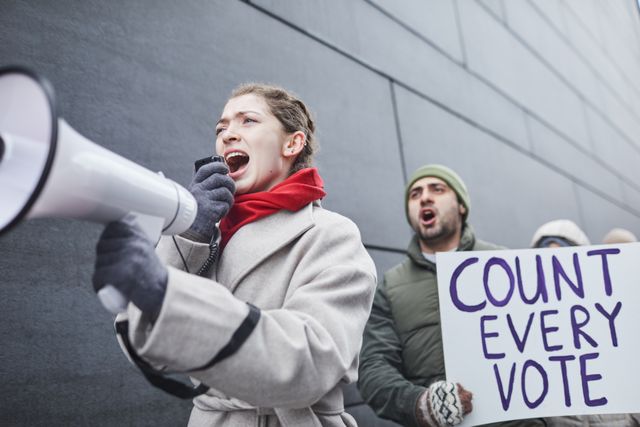

India’s electoral process has become the centre of a growing public debate as young activists, civil society groups and opposition parties protest against changes to voter lists. The controversy centres on the Election Commission of India’s Special Intensive Revision (SIR), an exercise intended to review electoral rolls and verify voter eligibility. While election authorities describe the process as necessary for maintaining accurate voter records, critics fear that it could exclude eligible citizens from participating in elections.
The protests have gained attention in October 2026, with demonstrations in cities including Bengaluru, Mumbai and New Delhi. Young activists have joined wider political campaigns demanding greater transparency from the Election Commission and accountability over the revision process. The emerging youth-led mobilisation has also brought questions about democratic rights, administrative fairness and the credibility of electoral institutions into public discussion. News reports have described substantial voter-list deletions, with critics questioning whether all affected voters have received adequate opportunities to establish their eligibility.
The issue is significant because the right to vote is a fundamental component of representative democracy. Electoral rolls must be accurate enough to prevent duplication and ineligible registration, but the procedures used to maintain them must also protect eligible citizens from wrongful exclusion. The central question is therefore not simply whether voter lists should be revised, but how that revision can be conducted fairly, transparently and without creating unnecessary barriers for legitimate voters.
Understanding the Special Intensive Revision of Electoral Rolls
The Special Intensive Revision is an electoral-roll verification exercise conducted by the Election Commission of India. Its stated objective is to ensure that eligible citizens are included in voter lists while deceased persons, duplicate entries and other ineligible registrations are appropriately addressed. The Commission has invoked its constitutional and statutory responsibilities in carrying out the revision. In May 2026, the government announced another phase of the exercise covering multiple states and Union Territories.
Electoral rolls are essential to the voting process because they identify the people registered to vote in a particular constituency. Changes in residence, deaths, duplicate registrations and newly eligible voters mean that lists require regular maintenance. A person who has turned 18, moved to a new locality or discovered an error in their registration may need to complete the relevant procedures to ensure that their record is correct.
The dispute arises when an intensive verification exercise involves additional documentation, deadlines or procedures that people find difficult to complete. If an eligible voter cannot establish their eligibility through the required process, their name may be removed or remain absent from the relevant electoral roll. Critics argue that the consequences of administrative mistakes can be serious because a person who discovers an omission too late may struggle to correct it before an election.
The Election Commission’s stated goal is to maintain reliable electoral records. Protesters, however, argue that the success of such an exercise should be assessed not only by the number of entries removed but also by whether eligible voters remain protected throughout the process.
Why Are Young Indians Taking to the Streets?
Young Indians are participating in the protests because the controversy touches on their political rights, their confidence in democratic institutions and their expectations of government accountability. For many first-time voters and young adults, registering to vote represents an important transition into civic life. Concerns that legitimate voters could lose access to the electoral process therefore resonate beyond established political party loyalties.
The protests have also become part of a broader youth-driven mobilisation associated with the Cockroach Janta Party, a movement that emerged from student activism and online political commentary. Its participation in demonstrations against the voter-list revision has helped bring the controversy to younger audiences. Reports have described activists and supporters demanding the resignation of Chief Election Commissioner Gyanesh Kumar and questioning the transparency of the SIR process.
Young protesters are not necessarily united by a single political ideology. Some are concerned about the practical possibility of losing their voting rights, while others focus on institutional accountability, civil liberties and the ability of citizens to challenge official decisions. For students and young professionals who follow political developments through social media, the controversy also raises questions about how public institutions respond when citizens demand explanations.
Their participation demonstrates that electoral administration is not merely a technical matter for officials and political parties. It affects how people understand their place in the democratic system and whether they believe their participation will be recognised and protected.
The Scale of Voter Deletions and the Fear of Disenfranchisement
One of the most contentious aspects of the controversy is the reported scale of changes to electoral rolls. Recent reporting by Reuters and other news organisations has referred to approximately 130 million names being removed during the revision process. The figure has become central to the public debate, although the reasons for individual removals and the number of eligible voters affected remain important questions that must be examined separately.
A large number of deletions does not, by itself, establish that every removal was improper. Electoral rolls may contain entries belonging to deceased people, duplicate registrations or individuals who are no longer eligible in a particular constituency. Removing such entries can improve the accuracy of electoral records.
However, the reverse concern is equally important. If a legitimate voter is mistakenly classified as ineligible, the consequences can extend beyond an incorrect administrative record. That individual may lose the practical ability to vote unless the error is identified and corrected within the applicable process.
Protesters fear that a verification exercise involving extensive documentation could place a disproportionate burden on people who have difficulty accessing records or navigating administrative systems. They argue that a voter-list revision must include effective safeguards against mistaken deletions and clear mechanisms through which affected citizens can challenge decisions.
The debate therefore requires careful scrutiny of the evidence. Authorities need to explain the categories of deletions, the verification procedures used and the remedies available to people who believe their names were removed incorrectly. Independent examination of these processes can help establish whether concerns are supported by documented errors and whether corrective action is sufficient.
Why Poorer, Migrant and Vulnerable Communities Are a Major Concern
Criticism of the SIR process has focused particularly on people who may encounter difficulties producing documents, confirming addresses or responding to official notices. Poorer households, elderly citizens, migrant workers and nomadic communities can face practical obstacles that are less common among people with stable housing, secure records and regular access to administrative services.
Migration is especially relevant in a country where people frequently move between villages, towns and major cities for employment, education and family responsibilities. A person may work far from their place of registration, move into temporary accommodation or struggle to complete verification procedures while maintaining a demanding work schedule. If information about deadlines or documentation requirements does not reach them, their registration could be affected.
Elderly citizens may need assistance locating historical records or travelling to offices, while people in remote communities may have limited access to digital services. Individuals whose names, addresses or other details have been recorded inconsistently may also need additional opportunities to correct errors.
Critics argue that administrative systems should account for these realities rather than assume that every citizen has equal access to documentation and official support. The Election Commission, meanwhile, maintains that electoral-roll revision is intended to establish an accurate register of eligible voters.
A fair process must address both concerns. Verification should be robust enough to maintain accurate records, but it should also provide accessible assistance, reasonable opportunities to respond and effective appeal mechanisms. Otherwise, administrative procedures designed to improve accuracy could unintentionally make participation more difficult for the very people who need institutional support.
Allegations of Political Bias and the Election Commission’s Response
The controversy has acquired a strong political dimension because electoral rolls determine who can participate in elections. Opposition parties and protesters have alleged that the revision could disproportionately affect communities whose political preferences differ from those of the ruling Bharatiya Janata Party. Some critics have also raised concerns about the potential impact on minority and economically disadvantaged voters.
These are serious allegations, but they must be distinguished from established findings. A pattern of deletions, even when politically consequential, does not automatically prove that the process was deliberately designed to favour a particular party. Establishing political bias requires reliable evidence about how the rules were applied, whether similar cases received different treatment and whether eligible voters were excluded disproportionately.
The Election Commission has defended the revision as an exercise to remove deceased, duplicate and otherwise ineligible entries while preserving the registration of eligible citizens. Government supporters have argued that accurate electoral rolls are necessary to maintain the integrity of elections and that revision procedures should not be abandoned simply because they are politically controversial.
The disagreement illustrates why institutional transparency matters. When a process affects millions of voters, broad assurances from authorities may not be sufficient to settle public concerns. Detailed explanations, accessible records, independent scrutiny and effective responses to individual complaints can help establish whether the rules are being implemented consistently.
The Election Commission’s credibility depends not only on its authority to revise electoral rolls but also on its ability to demonstrate that the process is impartial and that legitimate voters are protected.
Protests Spread From Bengaluru to New Delhi
Public demonstrations have helped transform the voter-list controversy into a wider national debate. On October 8, 2026, civil society organisations, youth groups and activists gathered at Freedom Park in Bengaluru to protest against the SIR process. Participants called for greater transparency and expressed concern that eligible voters could be excluded. The gathering included a people’s tribunal intended to bring public experiences and grievances into the discussion.
Demonstrations have also taken place in Mumbai and New Delhi. The Cockroach Janta Party and other activists have demanded accountability from the Election Commission, including calls for Chief Election Commissioner Gyanesh Kumar to resign. The protests have attracted political figures and opposition supporters, widening the campaign beyond its original youth-led base.
The response from authorities has itself become a subject of controversy. News reports have described extensive detentions and restrictions on demonstrations in New Delhi, with police taking action against protesters attempting to march despite security barriers. Opposition leaders have criticised the handling of the demonstrations, while authorities and government supporters have defended public-order measures.
These developments have created two connected debates: whether the voter-list revision is being conducted fairly and whether citizens can protest against the process without facing disproportionate restrictions. Both questions are important to public confidence. Even where authorities have legitimate reasons to manage large gatherings, their response should be proportionate, lawful and consistent with citizens’ rights to peaceful expression and assembly.
Social Media and the Changing Nature of Youth Activism
Digital platforms have played an important role in bringing the controversy to younger audiences. Videos from demonstrations, explanations of the SIR process and accounts of alleged voter deletions can circulate rapidly through social media. Online networks allow people to share experiences, organise meetings and draw attention to administrative problems that might otherwise receive limited coverage.
For young Indians who rely on digital platforms for political information, online activism can lower the barriers to participation. Students and first-time voters can engage with public debates without necessarily belonging to established political organisations. Digital campaigns can also encourage citizens to check their registration details, discuss voting rights and seek explanations from public institutions.
However, social media also presents challenges. Unverified claims about the number of affected voters, misleading interpretations of official documents or politically motivated content can spread quickly. Short videos may show genuine incidents without providing the context needed to understand what happened before or after them. Users may also encounter information that reinforces their existing political beliefs rather than encouraging careful examination.
Responsible digital activism requires a distinction between documented facts, personal accounts and allegations that still need verification. Official notices, court records, credible journalism and information from the Election Commission can help establish the factual basis of a claim. Young people can strengthen public debate by using digital platforms not only to mobilise support but also to demand evidence, compare explanations and correct inaccurate information.
Why Voter-List Accuracy Matters for Indian Democracy
Electoral rolls are a foundational part of democratic administration. Elections can only represent eligible citizens effectively when the registration process is accurate, accessible and impartial. Errors can occur in both directions: ineligible or duplicate entries may remain on a list, while eligible citizens may be omitted or wrongly removed.
These risks require a balanced approach. A system that never removes incorrect entries may weaken the reliability of electoral records. A system that removes names without adequate verification or accessible remedies may undermine the right of eligible citizens to participate. The objective should be to minimise both types of error rather than treating one as more important than the other.
Public trust is also essential. Citizens must have confidence that registration rules are applied consistently, that decisions can be challenged and that political affiliation does not determine eligibility. When doubts arise, transparent procedures and credible review mechanisms are necessary to prevent an administrative dispute from developing into a wider crisis of confidence.
The controversy also highlights the importance of communicating electoral procedures in accessible language. Citizens need to understand how to check their names, what documentation may be required, how to correct errors and where to seek help. Clear communication can reduce confusion and help voters respond before deadlines become a problem.
Ultimately, a reliable electoral roll is not simply a database maintained by officials. It is a practical link between citizenship, political participation and representative government.
What Should Happen Next?
Resolving the dispute requires more than political statements or competing claims. The Election Commission should provide clear explanations of the revision methodology, the categories of entries removed and the procedures available to people who believe their registration has been affected. Where legally permissible, accessible data and independent scrutiny could help determine whether the process has produced disproportionate errors.
Equally important is an effective system for correcting mistakes. Citizens should be able to check their registration status, receive understandable information about any problem and submit the necessary applications or objections through accessible channels. People who lack digital access should not be left without practical alternatives.
The Election Commission’s official voter-services portal provides facilities for searching electoral records and accessing registration-related services, including Form 6 for new voter registration. Citizens affected by a revision should consult the official portal and the relevant state election authorities for the procedures applicable to their circumstances. The availability of these services does not, by itself, resolve concerns about how revisions have been implemented, but it provides an official starting point for checking records and seeking corrections.
Political parties and civil society organisations also have a responsibility to verify cases before presenting them as evidence of systematic wrongdoing. Documented examples, carefully analysed data and transparent investigations can make public criticism more credible and help identify specific administrative failures.
At the same time, peaceful protest should be met with proportionate responses that respect lawful civic participation. A democratic resolution will require both accurate voter records and meaningful protection against wrongful exclusion.
Conclusion: Protecting the Right to Vote While Maintaining Accurate Records
Young Indians are protesting against voter-list revisions because they see the issue as a question of democratic participation, institutional accountability and the protection of eligible voters. The controversy surrounding the Special Intensive Revision has raised concerns about the scale of deletions, the burden of verification, the potential effects on vulnerable communities and the transparency of electoral administration.
The Election Commission argues that accurate voter lists are essential to credible elections and that the revision is intended to remove ineligible entries. Protesters and opposition groups counter that the process must not exclude legitimate citizens or create barriers that are difficult to overcome. The evidence needed to assess these competing positions includes transparent data, documented individual cases and effective review of disputed removals.
The broader lesson is that electoral accuracy and voter inclusion should not be treated as opposing objectives. Both are necessary for a trustworthy democratic system. The revision process must be rigorous enough to maintain reliable records while providing fair procedures, accessible support and timely remedies for eligible citizens.
For India’s young generation, the protests represent an effort to make electoral institutions answerable to the people whose participation gives them democratic legitimacy. Whether the controversy leads to lasting reforms will depend on the quality of public evidence, the willingness of authorities to address legitimate concerns and the ability of institutions to demonstrate that every eligible citizen’s voting rights are protected.
Online Internship with Certificate
You may be interested

Why Internal Disagreements Within Constitutional Institutions Matter to Public Trust
Anshika Jain - Oct 14, 2026Constitutional institutions are the foundations of a democratic system. They establish the rules through which public power is exercised, protect citizens' rights, oversee elections, interpret laws and…
When Police Try to Close a Case: What Legal Remedies Can Victims and Families Pursue?
Anshika Jain - Oct 14, 2026For victims of crime and their families, registering a police complaint is often the first step towards justice. They may provide statements, submit documents, identify witnesses and…
Murder Case: Court Sentenced Muskan Rastogi and Sahil Shukla to Death
Anshika Jain - Oct 14, 2026The Meerut blue drum murder case has become one of India's most widely discussed criminal cases because of the circumstances surrounding the killing of Saurabh Rajput, the…
Most from this category
Journalists Detained During Protests: Police Authority End and Press Freedom Begin?
Anshika Jain - Oct 14, 2026
Politics of Protest Bans: Balancing Public Order With the Right to Demonstrate
Anshika Jain - Oct 14, 2026

AI as a Government Tool: Where Real-Time Algorithms Are Already Entering Public Administration
Anshika Jain - Oct 13, 2026
Journalists Detained During Protests: Police Authority End and Press Freedom Begin?
Anshika Jain - Oct 14, 2026Politics of Protest Bans: Balancing Public Order With the Right to Demonstrate
Anshika Jain - Oct 14, 2026Why Digital Payments Are Entering a New Regulatory Phase in India
Anshika Jain - Oct 13, 2026