Politics of Protest Bans: Balancing Public Order With the Right to Demonstrate

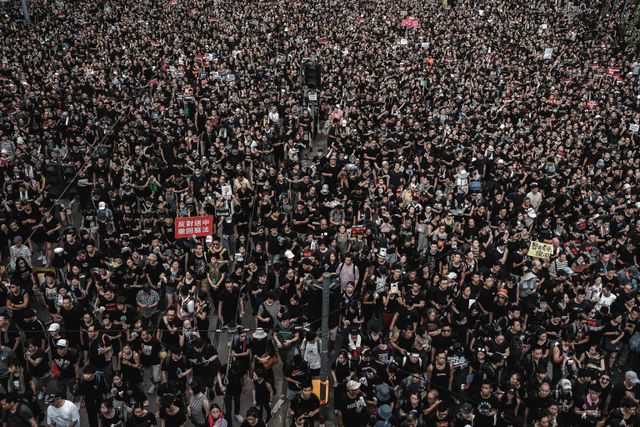

Protests are an essential feature of democratic life. They allow citizens to express dissatisfaction with government policies, challenge institutional decisions, demand social justice and bring neglected issues into public discussion. From student demonstrations and workers’ movements to campaigns for civil liberties and environmental protection, public protests provide a visible means through which citizens can influence political debate. However, governments and law enforcement agencies sometimes restrict or prohibit demonstrations, citing public safety, traffic disruption, the possibility of violence or threats to essential services. These decisions raise a fundamental question: when does protecting public order become a restriction on democratic freedom?
The politics of protest bans concerns more than the practical management of crowds. It involves questions about who gets to use public spaces, which forms of dissent are considered acceptable and how governments respond to criticism. A restriction imposed to prevent an immediate threat may be justified, while a broad or prolonged ban that prevents peaceful opposition can undermine democratic participation. The distinction depends on the legal basis of the restriction, the evidence supporting it, its duration and whether less restrictive alternatives are available.
In India, the issue is particularly significant because the Constitution protects freedom of speech and peaceful assembly while also permitting certain reasonable restrictions. Governments must maintain public order, but they must also respect citizens’ ability to challenge authority. Understanding this balance requires examining the constitutional framework, the reasons governments impose protest bans, their political consequences and the safeguards necessary to ensure that public safety does not become a justification for suppressing legitimate dissent.
Understanding the Right to Protest in a Democracy
The right to protest is closely connected to freedom of expression, peaceful assembly and political participation. Demonstrations allow individuals to communicate collectively, particularly when they believe that ordinary channels of representation have failed to address their concerns. A peaceful gathering can attract media attention, encourage public discussion and place pressure on decision-makers to explain or reconsider their policies.
In India, Article 19(1)(a) of the Constitution guarantees citizens the right to freedom of speech and expression, while Article 19(1)(b) guarantees the right to assemble peaceably and without arms. These provisions establish important constitutional foundations for public demonstrations. However, the rights are not absolute. Article 19(2) permits reasonable restrictions on freedom of expression on specified grounds, while Article 19(3) allows reasonable restrictions on peaceful assembly in the interests of the sovereignty and integrity of India and public order.
The existence of these restrictions means that governments can regulate demonstrations under appropriate circumstances. Authorities may impose conditions concerning the location, timing, route or manner of a gathering when supported by law and justified by legitimate concerns. Such regulation, however, should not be confused with an unrestricted power to prohibit demonstrations simply because they criticise the government or create political discomfort.
The democratic value of protest lies partly in its ability to challenge dominant viewpoints. If only demonstrations that are convenient for those in power are permitted, the practical meaning of freedom of assembly becomes significantly weaker. Constitutional protections therefore require authorities to distinguish between peaceful dissent and conduct that creates a genuine, legally recognisable threat.
Why Governments Impose Protest Bans
Governments generally defend restrictions on demonstrations by pointing to public safety, the prevention of violence and the need to protect ordinary civic activity. Large gatherings can obstruct roads, disrupt transport, create pressure on emergency services or bring opposing groups into close proximity. Authorities may also receive information suggesting that a particular event could lead to clashes, property damage or other unlawful conduct.
In densely populated cities, managing demonstrations can be especially challenging. A gathering near a hospital, railway station, major intersection or critical government facility may create risks that require careful planning. Police may need to redirect traffic, establish security arrangements or restrict access to specific locations. When credible and immediate threats exist, temporary restrictions can serve a legitimate protective purpose.
Another justification involves preventing confrontations between rival groups. When competing demonstrations are planned in the same area, authorities may consider separation, alternative routes or limits on attendance to reduce the possibility of violence. Such measures should be based on the actual circumstances rather than assumptions that a particular political, religious or social group is inherently dangerous.
The difficulty arises when governments respond to uncertainty by imposing sweeping prohibitions. A blanket ban may be easier to administer than a carefully designed security plan, but administrative convenience alone does not establish that a restriction is necessary. Authorities should consider whether additional police deployment, negotiated routes, time limits or other targeted measures could address the identified risks while preserving the right to demonstrate.
The Legal Framework Governing Protest Restrictions in India
India’s legal framework allows authorities to regulate public gatherings, but these powers operate within constitutional and statutory limits. The Constitution establishes the fundamental rights that government action must respect, while criminal procedure and local laws provide mechanisms for responding to specific public-order concerns.
One provision frequently discussed in relation to public gatherings is Section 163 of the Bharatiya Nagarik Suraksha Sanhita, 2023. It empowers a competent executive magistrate to issue certain urgent orders in cases where immediate prevention or speedy remedy is desirable to prevent specified dangers or disturbances. Depending on the circumstances, such orders may restrict particular acts or gatherings. The provision is not a general permission to prohibit all protests indefinitely or without relevant justification.
The legality of a restriction depends on factors including the authority issuing the order, the circumstances requiring intervention, the scope of the restrictions and compliance with applicable procedural requirements. An order must be assessed against the statutory conditions and constitutional guarantees that govern its use. Authorities should be able to explain why the restriction was necessary and why its scope and duration were appropriate.
Judicial review is an important safeguard where a restriction is challenged as arbitrary, excessive or inconsistent with fundamental rights. Courts can examine whether the authority acted within its legal powers and whether constitutional requirements were respected. The availability of legal remedies matters because an administrative order can affect not only the people planning a demonstration but also the wider public’s ability to receive information and participate in political debate.
A sound legal framework therefore requires more than formal authority. It requires reasoned decision-making, clear communication, appropriate limits and meaningful opportunities to challenge restrictions that may unlawfully interfere with peaceful assembly.
When Public Order Becomes a Political Argument
Public order is a legitimate responsibility of government, but it can also become a politically powerful justification for restricting dissent. A protest may challenge a ruling party’s policies, expose administrative failures or draw attention to unpopular decisions. In such circumstances, authorities may face pressure to restore normal activity quickly, particularly when demonstrations attract substantial media coverage.
The political risk emerges when inconvenience is treated as equivalent to danger. Peaceful protests can cause traffic delays, disrupt schedules or temporarily affect commercial activity. These effects may require reasonable management, but they do not automatically justify a complete ban. Democratic participation often involves some inconvenience, especially when citizens use public spaces to raise issues that require government attention.
A further concern is selective enforcement. If demonstrations organised by one group are permitted while comparable gatherings organised by its opponents are prohibited without a clear and consistent explanation, public confidence in neutrality can weaken. Even when restrictions are legally framed, unequal application may create the perception that public-order powers are being used to manage political competition rather than genuine risks.
Determining whether a ban is politically motivated requires evidence. The timing of an order, its stated reasons, the treatment of comparable events, the availability of less restrictive alternatives and the authorities’ response to requests for permission may all be relevant. Political disagreement alone does not prove abuse, but neither should official explanations be accepted without scrutiny.
Transparent criteria for approving, regulating or prohibiting demonstrations can reduce these concerns. When similar situations are treated consistently and reasons are made public, authorities are better positioned to demonstrate that restrictions serve public safety rather than political convenience.
The Impact of Protest Bans on Students and Young Citizens
Students and young citizens often use demonstrations to raise concerns about education, employment, examination policies, campus administration, social justice and government accountability. Protests can provide practical experience in democratic participation by encouraging young people to research issues, organise collectively, engage with public institutions and communicate their demands.
Restrictions on student demonstrations can have consequences beyond the immediate event. If gatherings are prohibited without clear justification, students may conclude that formal channels for expressing grievances are ineffective. Repeated restrictions can also discourage participation among people who are unfamiliar with legal procedures or worried about disciplinary and criminal consequences.
At the same time, educational institutions and authorities have legitimate responsibilities to protect students, staff and facilities. A gathering that threatens safety or involves violence may require intervention. The appropriate response should distinguish between peaceful expression and unlawful conduct, rather than assuming that all student mobilisation presents a security threat.
Universities and public authorities can often reduce tensions through structured dialogue, clear demonstration policies and accessible procedures for requesting permission where required. Designated spaces, agreed timings and communication between organisers and administrators can allow peaceful demonstrations while minimising disruption.
For a younger generation accustomed to expressing opinions through digital platforms, the ability to assemble physically remains significant. Online discussion can spread information quickly, but it cannot always replace the collective visibility of a public gathering. Protecting lawful student protest therefore contributes to the development of informed and engaged citizens.
Digital Protests, Internet Restrictions and the Expanding Scope of Control
Protest management increasingly extends beyond physical gatherings. Social media platforms allow organisers to circulate announcements, coordinate meeting points, share recordings and communicate demands. These tools can make mobilisation faster and help people participate in public debate even when they cannot attend an event in person.
However, digital mobilisation has also led authorities to examine online communication during periods of tension. In some circumstances, governments may impose restrictions on internet access or online services, citing concerns about violence, misinformation or the coordination of unlawful activity. Such measures can have broad consequences because the same communication networks are used for education, employment, business, emergency information and ordinary social interaction.
A restriction on digital communication can affect a protest even when no physical demonstration has been formally prohibited. Organisers may struggle to inform participants about changes, journalists may find it harder to verify events, and citizens may lose access to reliable information. Broad measures can therefore affect many people who are not involved in any unlawful activity.
The legitimacy of digital restrictions depends on their legal basis, necessity, proportionality and duration. Authorities should identify the specific risks they seek to address and consider whether targeted measures could achieve the same purpose with less disruption. Clear public explanations and timely review are important, particularly when restrictions affect essential communication services.
Digital spaces have become part of the wider environment in which democratic participation takes place. Protecting freedom of assembly in contemporary society therefore requires attention not only to streets and public squares but also to the communication systems through which citizens organise and share information.
The Economic and Social Costs of Protest Bans
Protest bans can have immediate economic effects, particularly when demonstrations are planned in commercial districts, transport corridors or areas containing major public institutions. Restrictions may be imposed to prevent business disruption, but they can also affect street vendors, small shops, transport workers and service providers who depend on activity in those locations.
The economic consequences of a protest itself should be distinguished from those of a prohibition. A demonstration may cause temporary disruption, while a poorly planned restriction can close areas unnecessarily, prevent workers from reaching their destinations or interfere with legitimate community activities. The actual impact depends on the scale of the gathering, the location, the duration and the alternatives available.
There are also broader social consequences. When citizens believe that peaceful grievances cannot be expressed publicly, distrust between communities and authorities may deepen. Some people may withdraw from formal political participation, while others may become more confrontational. These outcomes are not inevitable, but they illustrate why restrictions should be evaluated for their long-term effects rather than only their immediate administrative convenience.
A balanced approach seeks to protect essential services and minimise unnecessary disruption without treating economic normality as the only public interest that matters. The right to protest is itself part of the social and political environment that governments are responsible for protecting.
The Role of Police in Managing Demonstrations
Police are often responsible for implementing restrictions, maintaining safety and responding to unlawful conduct during protests. Their actions can strongly influence whether a demonstration remains peaceful or escalates into confrontation. Clear communication, restraint and consistent enforcement are therefore essential to effective protest management.
A well-planned response begins with assessing the specific risks associated with a gathering. Authorities can communicate with organisers, establish safe routes, protect emergency access and explain any conditions imposed on the event. When a restriction is necessary, providing clear reasons and practical alternatives may reduce confusion and conflict.
The use of force requires particular care. Police intervention may be necessary to address immediate threats or unlawful violence, but the response should be governed by applicable law and relevant standards of necessity and proportionality. Peaceful participants should not be treated as violent simply because other individuals in a crowd engage in unlawful conduct.
Documentation and accountability also matter. Records of orders, arrests and the use of force can help establish whether police action was justified. Independent investigation of credible allegations of misconduct can reinforce public confidence and provide remedies where rights have been violated.
Police neutrality is essential because officers implement public authority on behalf of the state rather than serving the political interests of a particular party. Effective policing should make peaceful demonstrations safer and unlawful conduct less likely, while preserving the space necessary for legitimate democratic expression.
The Role of Courts and Civil Society
Courts, civil society organisations, legal professionals and independent media can help ensure that protest restrictions remain within constitutional boundaries. When authorities impose a ban that appears excessive or arbitrary, judicial review can provide a mechanism for examining its legality. Courts may consider whether the restriction has a valid legal basis, whether the stated risks justify its scope and whether the relevant constitutional protections have been respected.
Civil society organisations can also help citizens understand their rights and the procedures for challenging restrictions. Legal assistance, public education and documented reporting can make it easier for people to respond to unlawful interference. Independent journalists contribute by examining official explanations, reporting the experiences of affected communities and verifying claims about the conduct of demonstrations.
These institutions are not substitutes for responsible administration. Their role is to ensure that decisions are open to scrutiny and that people have meaningful opportunities to challenge actions affecting their rights. Transparent procedures can also help authorities correct mistakes before disputes become more serious.
Public debate should remain evidence-based. Not every protest ban is necessarily unlawful, and not every claim of political suppression is automatically established. Equally, an official assertion of public-order concerns should not prevent legitimate questions about necessity, fairness and proportionality.
A healthy democratic system makes space for these disagreements and provides lawful mechanisms through which they can be resolved.
Finding a Balance Between Safety and Freedom
Balancing public order with the right to demonstrate requires a framework that takes both interests seriously. Authorities should begin by identifying the specific risk presented by a planned gathering rather than assuming that a protest is inherently dangerous. They should then consider whether the risk can be managed through conditions on location, timing, attendance or route, or through additional safety arrangements.
A complete prohibition should be supported by a stronger justification than a minor restriction because it prevents the planned gathering altogether. The decision should account for the seriousness and likelihood of the identified danger, the availability of alternatives and the likely impact on constitutional rights. Restrictions should also be limited to the period and area reasonably required by the circumstances.
Communication is equally important. Protest organisers should have accessible procedures for seeking permission or clarifying conditions where applicable, while authorities should provide timely decisions and understandable reasons. Where circumstances change, restrictions should be reviewed rather than continued automatically.
Citizens also have responsibilities. Peaceful demonstrators should respect lawful safety requirements, avoid violence and recognise the rights of others. Organisers can help by communicating expectations, coordinating with relevant authorities and discouraging conduct that puts participants or bystanders at risk.
A balanced approach does not eliminate every disagreement or inconvenience. Instead, it recognises that public order and democratic freedom are compatible when restrictions are evidence-based, limited and accountable.
Conclusion: Protest Is Not the Opposite of Public Order
The politics of protest bans reveals a fundamental tension within democratic governance. Governments must protect citizens, maintain essential services and respond to credible threats. At the same time, they must preserve the freedom of people to assemble peacefully, express dissatisfaction and challenge public decisions. Neither responsibility should be used to erase the other.
In India, constitutional protections establish the foundation for this balance, while the legal framework permits reasonable restrictions under specified conditions. The central challenge is ensuring that such powers are exercised fairly and proportionately. A temporary restriction supported by a genuine safety concern is different from a sweeping prohibition that prevents peaceful criticism without sufficient justification.
The consequences of poorly designed protest bans can extend beyond a single demonstration. They may weaken public trust, discourage young citizens from participating in politics, restrict independent reporting and deepen divisions between authorities and communities. Conversely, transparent procedures and accountable policing can help prevent violence while preserving legitimate dissent.
A democratic society should not measure successful protest management solely by the absence of crowds in public spaces. It should also consider whether citizens can express grievances, whether authorities respond fairly and whether legal protections remain meaningful during moments of political disagreement.
Online Internship with Certificate
You may be interested
Why Internal Disagreements Within Constitutional Institutions Matter to Public Trust
Anshika Jain - Oct 14, 2026Constitutional institutions are the foundations of a democratic system. They establish the rules through which public power is exercised, protect citizens' rights, oversee elections, interpret laws and…
When Police Try to Close a Case: What Legal Remedies Can Victims and Families Pursue?
Anshika Jain - Oct 14, 2026For victims of crime and their families, registering a police complaint is often the first step towards justice. They may provide statements, submit documents, identify witnesses and…
Murder Case: Court Sentenced Muskan Rastogi and Sahil Shukla to Death
Anshika Jain - Oct 14, 2026The Meerut blue drum murder case has become one of India's most widely discussed criminal cases because of the circumstances surrounding the killing of Saurabh Rajput, the…
Most from this category
Journalists Detained During Protests: Police Authority End and Press Freedom Begin?
Anshika Jain - Oct 14, 2026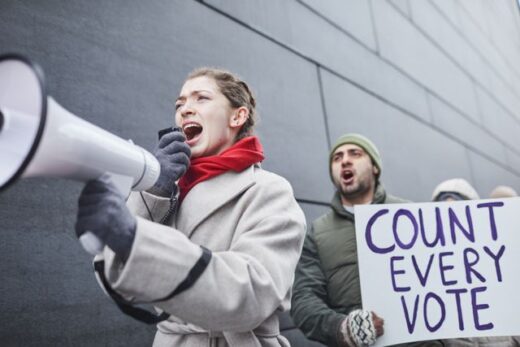

AI as a Government Tool: Where Real-Time Algorithms Are Already Entering Public Administration
Anshika Jain - Oct 13, 2026
Journalists Detained During Protests: Police Authority End and Press Freedom Begin?
Anshika Jain - Oct 14, 2026Why Are Young Indians Protesting Against Voter-List Revisions?
Anshika Jain - Oct 14, 2026Why Digital Payments Are Entering a New Regulatory Phase in India
Anshika Jain - Oct 13, 2026