

Smart Cities and Public Transport: Can Technology Improve Urban Mobility?

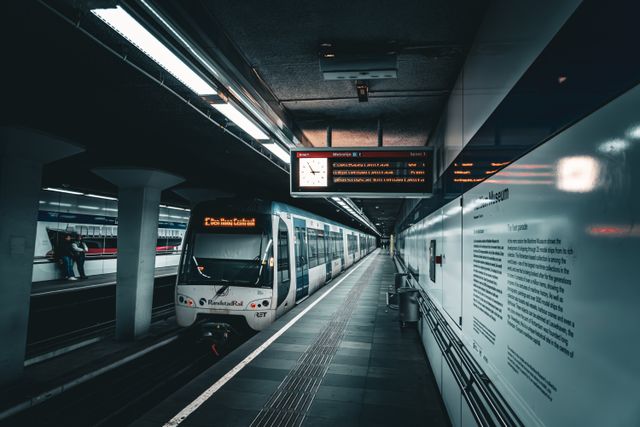

Cities are growing rapidly, and with this growth comes a complex challenge: how to move millions of people efficiently, safely, affordably, and sustainably. Roads that were designed for smaller populations now carry increasing numbers of cars, buses, motorcycles, taxis, delivery vehicles, bicycles, and pedestrians. As urban populations expand, congestion, air pollution, parking shortages, unreliable travel times, and overcrowded public transport can become increasingly difficult to manage.
Technology is changing the way cities approach these problems. The concept of the smart city brings together digital infrastructure, data systems, connected devices, artificial intelligence, sensors, mobile applications, automated services, and intelligent transportation systems to improve how urban environments operate. Public transport is one of the areas where these technologies can have a particularly significant impact.
Smart public transport is not simply about putting computers on buses or creating mobile applications for passengers. It involves using technology to understand transportation patterns, coordinate different modes of travel, provide accurate information, improve infrastructure, manage traffic, and make public transportation more responsive to passenger needs. When these systems work together, technology can become an important tool for improving urban mobility.
However, technology alone cannot solve every transportation problem. Urban mobility is also influenced by infrastructure, land-use planning, affordability, accessibility, population density, government policy, and passenger behaviour. The real challenge for smart cities is therefore to use technology as part of a broader transportation strategy rather than treating digital innovation as a replacement for effective planning.
The Urban Mobility Challenge
Transportation is one of the most visible challenges faced by rapidly expanding cities. As more people travel for work, education, healthcare, shopping, and recreation, demand for mobility increases. When private vehicle ownership grows faster than transportation infrastructure, roads can become increasingly congested.
Traffic congestion has consequences beyond longer travel times. Vehicles spending extended periods in traffic can increase fuel consumption and emissions. Unpredictable journeys can affect productivity and make it more difficult for people to reach workplaces, educational institutions, hospitals, and other essential services on time.
Public transport can provide a more efficient way of moving large numbers of people, particularly in densely populated areas. Buses, metro systems, suburban railways, trams, and other shared transportation services can carry many passengers using considerably less road space per person than individual cars.
The difficulty lies in making public transport convenient enough for people to choose it regularly. Passengers need reliable schedules, reasonable travel times, safe stations, convenient payment systems, accessible vehicles, clear information, and connections between different modes of transport. Technology can contribute to many of these requirements.
What Makes Public Transport “Smart”?
Smart public transport uses digital technologies and data to improve the operation and experience of transportation systems. Traditional transport systems often depend on fixed schedules, manual monitoring, paper-based processes, and limited information about real-time conditions. Smart systems can respond more dynamically to what is happening across a city.
Sensors installed on buses, trains, roads, stations, and traffic infrastructure can collect information about vehicle locations, passenger volumes, traffic conditions, and equipment performance. Communication networks can transmit this information to control centres, while software can analyse it and support operational decisions.
For passengers, the visible side of smart transportation may be a mobile application showing when the next bus is expected to arrive. Behind that simple feature, however, may be a complex system involving GPS data, communication networks, scheduling software, traffic information, and predictive algorithms.
The goal is to create transportation systems that are more connected, responsive, and informed by real-world conditions.
Real-Time Tracking and Passenger Information
One of the most practical applications of technology in public transport is real-time vehicle tracking. GPS and connected communication systems can allow transport operators and passengers to see where buses, trains, or other vehicles are located.
For passengers, accurate arrival information can make public transport more predictable. Instead of waiting without knowing whether a bus will arrive in five minutes or thirty minutes, passengers may be able to receive estimated arrival times through digital displays or mobile applications.
Real-time information can also help passengers make decisions when disruptions occur. If a service is delayed or a route is temporarily unavailable, digital platforms can communicate alternative options.
However, the usefulness of real-time information depends on data quality. If arrival predictions are inaccurate or information is delayed, passenger trust can decline. Smart transportation therefore requires not only technology but also reliable data collection, maintenance, communication infrastructure, and operational management.
Artificial Intelligence and Traffic Management
Artificial intelligence can play a role in analysing the enormous amounts of data generated by urban transportation systems. Traffic signals, public transport vehicles, road sensors, cameras, navigation systems, and ticketing platforms can produce information about movement patterns across a city.
AI systems can analyse this information to identify congestion patterns, estimate demand, and support transportation planning. In some systems, adaptive traffic signals can adjust signal timing according to changing traffic conditions rather than relying entirely on fixed schedules.
Predictive models can also help transport agencies anticipate periods of high demand. If data indicates that a particular route consistently experiences increased passenger numbers at certain times, operators can potentially adjust service frequency or vehicle capacity.
The value of AI in this context lies less in replacing human decision-making and more in helping transportation authorities understand complex systems that are difficult to analyse manually.
Smart Ticketing and Digital Payments
Technology is also changing how passengers pay for public transport. Traditional ticketing systems may require cash, paper tickets, or separate passes for different services. Digital ticketing can make transactions faster and potentially create more integrated transportation systems.
Contactless cards, mobile payments, QR-based tickets, smart cards, and mobile applications can allow passengers to access public transport without purchasing physical tickets for every journey.
Integrated payment systems can be particularly useful when cities have multiple transportation operators. If buses, metro systems, suburban railways, and other services can be accessed through compatible payment mechanisms, passengers may experience fewer barriers when changing between modes.
However, digital payment systems must be designed with accessibility in mind. Not every passenger owns a smartphone or has reliable internet access. Smart-city transportation should therefore avoid creating situations in which people without advanced digital devices are excluded from essential mobility services.
Connecting Different Modes of Transport
Urban mobility rarely depends on one transportation mode. A passenger may walk to a bus stop, take a bus to a metro station, travel by metro, and then use another bus or walk to reach the final destination.
Technology can help connect these different stages of a journey. Journey-planning applications can combine multiple transportation modes and provide route suggestions based on factors such as travel time, transfers, and service availability.
This concept is often associated with Mobility as a Service, in which different transportation options are brought together through a connected digital platform. Instead of thinking about buses, trains, taxis, bicycles, and shared mobility as completely separate services, the passenger can potentially view them as components of one transportation network.
Such integration can make public transport more competitive with private vehicles because passengers are not required to plan every stage of a journey independently.
Smart Buses and Connected Fleets
Buses are particularly important in urban transportation because they can operate across extensive networks without requiring fixed rail infrastructure. Technology can make bus networks more responsive and efficient.
Modern buses can be equipped with GPS systems, passenger-counting technologies, cameras, communication devices, and sensors that monitor vehicle performance. Operators can use this information to track vehicles, identify delays, monitor occupancy, and plan maintenance.
Predictive maintenance is another emerging application. Instead of waiting for a component to fail, transportation operators can analyse vehicle data to identify signs of potential problems. Maintenance can then be scheduled before a serious breakdown occurs.
This can improve fleet reliability while reducing unexpected service interruptions. However, such systems require investment in sensors, data platforms, skilled personnel, and maintenance processes.
Electric Public Transport and Smart Energy Systems
The transition toward electric buses and other electric transportation technologies is creating another connection between mobility and digital infrastructure. Electric vehicles require charging systems, battery monitoring, energy management, and careful route planning.
A smart transportation system can potentially coordinate charging with operational schedules and electricity availability. Fleet operators need to know which vehicles require charging, how much energy they need, how long charging will take, and whether vehicles can complete their assigned routes.
Electric public transport can also benefit from predictive monitoring of battery performance. Understanding battery condition can help operators plan maintenance and replacement more effectively.
The integration of transportation and energy systems illustrates a broader characteristic of smart cities: urban infrastructure is becoming increasingly interconnected. Transportation is no longer an isolated system but part of a larger network involving electricity, telecommunications, buildings, and public services.
Data Can Improve Transport Planning
One of the most valuable resources generated by smart transportation systems is data. Traditional transportation planning often relies heavily on surveys, manual counts, historical records, and periodic studies. Digital systems can provide more continuous information about how people move.
Aggregated transportation data can reveal which routes experience high demand, where passengers transfer between services, when congestion occurs, and where gaps in transportation coverage may exist.
This information can help authorities make more informed infrastructure decisions. Instead of expanding roads solely because congestion is visible, planners can examine broader mobility patterns and consider whether improved public transport, better pedestrian infrastructure, or more efficient connections could address the underlying demand.
At the same time, transportation data raises important privacy questions. Information about individual journeys can become sensitive if it can be linked to identifiable people. Smart cities therefore need strong governance, appropriate data protection measures, and clear rules about how mobility data is collected and used.
Improving Accessibility Through Technology
Smart mobility should also address the needs of people with disabilities, older adults, children, and passengers who may face other barriers when using public transport.
Digital information systems can provide accessibility information about stations, elevators, ramps, accessible vehicles, and service disruptions. Audio announcements, visual displays, navigation assistance, and accessible mobile interfaces can make transportation easier to use.
Technology can also support more inclusive planning by helping authorities understand where accessibility gaps exist. However, digital tools cannot replace physical accessibility. A mobile application cannot compensate for a station that lacks a functioning elevator or a bus stop that is difficult to reach safely.
The most effective smart-city approach combines digital innovation with inclusive physical infrastructure.
The Role of Sensors and the Internet of Things
The Internet of Things, commonly known as IoT, connects physical devices to communication networks so that they can collect and exchange information. In smart transportation, IoT devices can be used across vehicles, stations, roads, parking systems, traffic signals, and other infrastructure.
Sensors can monitor vehicle movement, road conditions, passenger occupancy, air quality, equipment performance, and other variables. When these systems communicate with one another, transportation operators can gain a more complete picture of urban mobility.
For example, information about traffic congestion can potentially be combined with bus locations to identify routes where public transport is experiencing delays. This information could then support operational adjustments.
The challenge is that large connected systems also require cybersecurity. Transportation networks are critical infrastructure, and vulnerabilities in connected systems could create operational and security risks. Smart transportation therefore needs strong cybersecurity alongside technological innovation.
Can Technology Reduce Traffic Congestion?
Technology can help manage congestion, but it cannot guarantee its elimination. Congestion is influenced by fundamental factors such as population density, road capacity, travel demand, land use, vehicle ownership, and the location of employment and housing.
Intelligent transportation systems can improve traffic signal coordination, provide real-time route information, manage incidents, and improve public transport operations. These measures can make transportation networks more efficient.
However, increasing road capacity alone can sometimes encourage additional vehicle use. For this reason, smart mobility strategies increasingly focus on giving people attractive alternatives to private cars.
Reliable buses, efficient metro systems, safe walking infrastructure, cycling networks, integrated ticketing, and convenient connections can influence transportation choices. Technology can strengthen these systems by making them easier to understand and use.
Smart Mobility and Environmental Sustainability
Transportation is closely connected to environmental sustainability. Cities seeking to reduce emissions need to consider how people and goods move through urban areas.
Public transport can support more efficient mobility by moving many people through shared services. Electrification can further reduce tailpipe emissions from buses and other vehicles. Digital systems can support these efforts through route optimisation, energy management, predictive maintenance, and demand analysis.
However, technology should not be viewed as an automatic solution to environmental problems. The environmental impact of transportation also depends on electricity sources, vehicle manufacturing, infrastructure, travel demand, and how effectively public transport attracts passengers from higher-emission alternatives.
Smart mobility is therefore most effective when digital tools support broader environmental and transportation policies.
Challenges of Building Smart Transportation Systems
Despite their potential, smart transportation systems can be expensive and technically complex. Cities may need to upgrade outdated infrastructure, install sensors, develop software platforms, improve telecommunications networks, train staff, and maintain digital systems over many years.
Interoperability is another challenge. Different transportation agencies and technology providers may use different systems, databases, and communication standards. If these systems cannot exchange information effectively, passengers may experience fragmented services.
Digital inequality also matters. A transportation system that assumes every passenger has a smartphone, mobile data, digital payment access, and technological confidence may unintentionally exclude vulnerable populations.
There are also concerns about surveillance and data governance. Technologies such as cameras, location tracking, and automated monitoring can provide useful transportation information, but cities must establish appropriate safeguards to protect privacy and public trust.
The Future of Urban Mobility
The future of smart transportation is likely to involve greater integration between physical infrastructure and digital systems. Artificial intelligence, connected vehicles, electric fleets, automated payment systems, real-time information, and predictive analytics may increasingly operate as parts of interconnected transportation networks.
Autonomous vehicles may eventually become another component of urban mobility, although their role and impact will depend on technological development, regulation, infrastructure, economics, and public acceptance.
The broader direction is toward transportation systems that can respond more dynamically to changing demand. Instead of operating entirely according to fixed schedules and static assumptions, future systems may use continuous information to adjust services.
Yet the ultimate purpose should remain straightforward: helping people move around cities safely, affordably, reliably, and efficiently.
Conclusion
Technology is changing the way cities understand and manage transportation. Real-time tracking, digital ticketing, artificial intelligence, connected vehicles, smart traffic signals, predictive maintenance, electric fleets, and integrated journey-planning platforms can improve different parts of the urban mobility experience.
However, a smart transportation system is not defined simply by the number of sensors, applications, or AI systems it contains. Its success depends on whether technology contributes to practical improvements for passengers and transportation operators.
The most effective approach is likely to combine digital innovation with strong public transport networks, accessible infrastructure, thoughtful urban planning, reliable services, environmental objectives, privacy protection, and inclusive design.
Smart cities should therefore not ask only how technology can make transportation more sophisticated. They should also ask how technology can make mobility more useful for the people who depend on it. When digital systems are designed around that purpose, technology can become an important part of building urban transportation networks that are more connected, responsive, accessible, and prepared for the demands of growing cities.
Online Internship with Certificate
You may be interested

How Crowdfunding Is Changing the Way People Respond to Emergencies
Anshika Jain - Sep 30, 2026Emergencies can change a person's life within minutes. A serious accident, unexpected medical condition, natural disaster, house fire, sudden loss of income, or family crisis can create…

Why Train Travel Is Becoming Popular Again Among Young Travellers
Anshika Jain - Sep 30, 2026For many years, air travel was associated with speed, convenience, and modern mobility, while trains were often viewed as a traditional form of transportation. Young travellers in…

Why Local Stories Are Becoming Viral National News
Anshika Jain - Sep 30, 2026News has traditionally been organised around geography. A local newspaper might focus on events in a particular city, district, or neighbourhood, while national publications concentrated on stories…
Most from this category




The Business Behind Sports Merchandise and Fan Communities
Anshika Jain - Sep 30, 2026Water Security: The Next Major Challenge for Growing Cities
Anshika Jain - Sep 29, 2026The Growing Importance of Subsea Internet Cables in Global Security
Anshika Jain - Sep 29, 2026