

How Crowdfunding Is Changing the Way People Respond to Emergencies

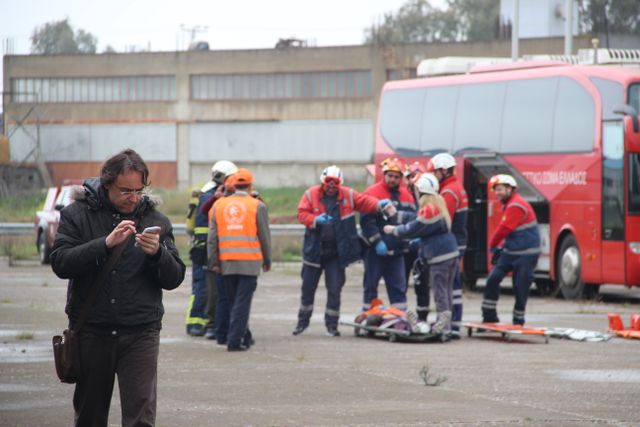

Emergencies can change a person’s life within minutes. A serious accident, unexpected medical condition, natural disaster, house fire, sudden loss of income, or family crisis can create financial pressure at a time when individuals are already dealing with emotional and practical difficulties. Traditionally, people facing such situations have depended on family members, friends, charitable organisations, government assistance, insurance, banks, or community institutions for support. While these sources remain important, digital technology has introduced another increasingly visible way of responding to urgent needs: crowdfunding.
Crowdfunding allows individuals, families, organisations, and communities to raise money from a large number of people through online platforms. Instead of relying entirely on one institution or a small group of donors, a fundraising campaign can reach hundreds, thousands, or even millions of potential contributors. Social media, messaging applications, digital payments, online banking, and mobile technology have made it possible for emergency fundraising campaigns to spread rapidly across geographical boundaries.
The growth of crowdfunding is changing not only how money is collected but also how people discover emergencies, participate in community support, and respond to crises. A person who previously would have been unaware of a family’s financial difficulty can now encounter a fundraising campaign through a social media post or messaging group and contribute within minutes.
However, crowdfunding also introduces important questions about trust, transparency, privacy, verification, platform responsibility, and unequal access to digital networks. Understanding these changes is essential for recognising both the opportunities and limitations of digital emergency fundraising.
From Local Support to Digital Communities
Community support has always existed in some form. Families have traditionally helped relatives during difficult circumstances, neighbours have contributed to local emergencies, and charitable organisations have collected donations for people in need. What has changed is the scale and speed at which these relationships can now operate.
Digital crowdfunding platforms allow a fundraising campaign to move beyond a person’s immediate community. A medical emergency that once might have been known only to relatives and neighbours can now reach former classmates, professional contacts, online communities, distant relatives, and strangers who identify with the situation.
This creates a new form of digital community participation. People do not necessarily need to know the recipient personally before deciding to contribute. A compelling story, a shared connection, or a perceived urgent need can motivate individuals to provide financial support.
The internet therefore changes the geography of charitable response. Physical distance becomes less significant when information and digital payments can move almost instantly.
Speed Has Become a Major Advantage
Emergencies often require immediate action. Medical expenses, temporary accommodation, disaster recovery, food, transportation, and other urgent needs can arise before traditional assistance becomes available.
Crowdfunding can sometimes provide a faster mechanism for collecting support because campaigns can be created and shared without requiring physical fundraising events. Once a campaign is active, organisers can distribute its link through social media, messaging applications, email, and other digital channels.
The speed of information sharing can also create a rapid response cycle. Someone may publish a fundraising appeal, supporters may share it with their networks, and donations can begin arriving shortly afterward.
This does not guarantee that a campaign will raise sufficient funds, and successful fundraising depends on many factors. Nevertheless, digital crowdfunding has reduced some of the logistical barriers associated with organising emergency support.
Social Media Has Become a Fundraising Infrastructure
Social media plays a central role in modern crowdfunding. A fundraising campaign can travel through networks that were not traditionally available to individuals seeking assistance.
A single post can be shared by friends, relatives, community groups, influencers, professional networks, or organisations. Each share can potentially introduce the campaign to another group of people. This creates a network effect in which fundraising visibility can expand rapidly.
Visual storytelling is particularly important. Photographs, videos, personal messages, updates, and explanations can help potential donors understand the circumstances behind a campaign.
At the same time, the connection between social media and fundraising creates a challenge. Online attention can be unpredictable. Some emergencies may receive significant visibility while others remain largely unnoticed, even when the financial need is equally serious. The ability to raise money can therefore depend partly on digital reach, communication skills, and the strength of a person’s online network.
Digital Payments Have Made Small Donations Easier
Crowdfunding has developed alongside the growth of digital payments. Mobile wallets, online banking, payment gateways, QR-based payments, and other electronic payment methods have made it easier for individuals to contribute without physically handling cash.
This has encouraged a culture in which small contributions can become meaningful when combined across a large group of donors. A person who may not be able to provide a large amount individually can still participate by making a modest contribution.
The psychological barrier to donating can also be lower when the process is simple. If a supporter can access a campaign, select an amount, complete a digital payment, and receive confirmation within minutes, participation becomes more convenient. This convenience is one of the fundamental characteristics of digital fundraising. The technology does not necessarily change people’s desire to help, but it can change how easily that desire can be converted into action.
Crowdfunding Creates New Forms of Community Participation
Emergency crowdfunding can create a sense of collective responsibility. When people see others contributing, they may feel that their own participation can become part of a larger community response.
This is particularly visible during natural disasters and large-scale emergencies. Crowdfunding campaigns can emerge alongside broader relief efforts, allowing individuals to support specific families, local communities, shelters, medical cases, or recovery projects.
Such campaigns can provide a personalised alternative to large institutional donations. Instead of contributing to a general relief fund, a donor may choose to support a specific person or clearly defined need.
This personal connection can make the act of donating feel more immediate. However, it also means donors need to understand how funds are being used and whether the campaign has been appropriately verified.
Medical Crowdfunding and the Cost of Unexpected Treatment
Medical emergencies are one of the most visible areas of crowdfunding. Unexpected treatment can create substantial expenses, particularly when costs involve hospitalisation, surgery, specialised treatment, medication, rehabilitation, or long-term care.
Families may turn to crowdfunding when savings, insurance coverage, or existing financial support are insufficient. A campaign can provide an opportunity to explain the situation publicly and seek assistance from a wider community.
Medical crowdfunding has therefore become part of the broader conversation about healthcare financing in many countries. It can provide financial support to some individuals, but it also highlights questions about healthcare affordability and access.
Crowdfunding should not be viewed as a replacement for insurance, public healthcare systems, social protection, or institutional assistance. Instead, it functions as an additional source of support for people who meet the conditions and circumstances under which online fundraising can be effective.
Disaster Response Is Becoming More Distributed
Natural disasters such as floods, earthquakes, cyclones, wildfires, and storms can affect large populations simultaneously. Government agencies, humanitarian organisations, and established charities typically play central roles in disaster response, but digital crowdfunding can add another layer of community participation.
Individuals can raise funds for emergency supplies, temporary housing, food, clothing, medical needs, and reconstruction. Local communities can also use online fundraising to support people whose needs may not immediately receive institutional attention.
This creates a more distributed model of emergency response. Instead of assistance moving only through large organisations, some resources can flow directly between individuals and communities.
However, disaster situations can also create opportunities for fraud. Emotional urgency can make people more willing to donate quickly without checking information. This makes verification and transparency particularly important during major crises.
Trust Has Become the Foundation of Online Fundraising
The success of crowdfunding depends heavily on trust. Donors need confidence that a campaign is genuine, that the stated need exists, and that collected funds will be used appropriately.
Crowdfunding platforms can support trust through identity verification, campaign review, payment controls, reporting mechanisms, and systems for investigating suspicious activity. Campaign organisers can also strengthen trust by providing accurate information, explaining how funds will be used, and sharing appropriate updates.
Transparency becomes especially important when campaigns raise large amounts of money. Donors may reasonably want to understand whether the original financial target remains appropriate and whether circumstances have changed.
Trust cannot be created by technology alone. It depends on the behaviour of campaign organisers, donors, platforms, payment providers, and other participants in the fundraising ecosystem.
The Risk of Fraud and Misleading Campaigns
The openness of crowdfunding also creates vulnerabilities. Not every fundraising campaign published online is necessarily legitimate. Fraudulent campaigns may use fabricated stories, manipulated photographs, false identities, or misleading financial claims. Scammers may also exploit major disasters or widely publicised emergencies by creating fake donation campaigns that imitate legitimate organisations.
This makes digital literacy an increasingly important part of online giving. Potential donors should consider whether the campaign provides sufficient information, whether the organiser’s identity can be verified, whether the platform is reputable, and whether the payment process appears legitimate.
The emotional nature of emergencies can make careful evaluation difficult. People may feel pressure to donate immediately because they fear that delaying will reduce the chance of helping. Responsible digital fundraising therefore requires a balance between compassion and verification.
Privacy and the Cost of Telling a Personal Story
Crowdfunding campaigns often depend on storytelling. To convince potential donors that assistance is needed, organisers may share information about a person’s health, financial circumstances, family, location, photographs, or personal history.
This can create a difficult privacy question. The more personal information a campaign shares, the easier it may be for donors to understand the situation. At the same time, public exposure can have long-term consequences for the individual receiving assistance.
Medical crowdfunding presents particularly sensitive privacy concerns because health information can be deeply personal. A campaign may remain searchable or shareable long after the emergency has ended. Campaign organisers therefore need to consider whether every detail is necessary. Digital fundraising can be effective without requiring the complete public disclosure of a person’s private life.
Crowdfunding Can Give Individuals a Stronger Voice
Traditional charitable systems often require individuals to interact with institutions. Crowdfunding allows people to communicate their circumstances directly to potential supporters. This can give individuals greater control over how their needs are presented. They can explain their situation in their own words, provide updates, and communicate directly with their communities.
The result is a more personalised fundraising environment. Instead of being represented only through an organisation, an individual can become the centre of their own fundraising campaign.
However, this responsibility can also be demanding. People experiencing emergencies may not have the time, emotional energy, technical knowledge, or communication skills required to manage a successful campaign. This highlights an important limitation of crowdfunding: access to the technology does not necessarily mean equal access to fundraising success.
The Digital Divide Still Matters
Crowdfunding is based on internet connectivity, digital payment systems, smartphones, social networks, and digital literacy. People who lack reliable access to these resources may have difficulty creating or promoting campaigns.
Similarly, individuals with limited online networks may struggle to attract attention even when their financial need is significant.
This can create an uneven distribution of fundraising opportunities. People who have large social networks, strong communication skills, or connections to influential online communities may be able to reach donors more easily than people with fewer digital connections. Crowdfunding can therefore expand access to financial support while simultaneously creating new forms of inequality.
The Role of Transparency and Updates
Successful crowdfunding increasingly involves communication after the initial donation request. Donors often want to know what happened after they contributed.
Campaign updates can explain how funds were used, whether the original situation has changed, and what progress has been made. This can strengthen relationships between campaign organisers and supporters.
Transparency can also help prevent misunderstandings. If an emergency develops differently from what was originally expected, communicating that change can help maintain donor confidence.
The relationship between a campaign organiser and donors is therefore not necessarily completed when money is transferred. Digital crowdfunding can create an ongoing communication process in which updates become part of accountability.
Crowdfunding Is Changing the Culture of Giving
Perhaps the most significant change created by crowdfunding is cultural. Digital fundraising has made financial assistance more visible, immediate, and participatory.
People can discover emergencies through their phones while commuting, studying, working, or browsing social media. They can contribute small amounts and share campaigns with others. Giving becomes integrated into everyday digital behaviour rather than remaining limited to formal charitable activities.
This can encourage a broader culture of participation. A person does not necessarily need to consider themselves a regular donor to support a campaign that reaches them through a trusted connection.
At the same time, the constant visibility of emergencies can create emotional fatigue. People may encounter fundraising appeals frequently and feel overwhelmed by the number of people requesting assistance.
The future of digital giving will therefore depend partly on how platforms balance accessibility, visibility, trust, and responsible communication.
The Future of Emergency Crowdfunding
Crowdfunding is likely to remain an important component of digital emergency response as internet access, mobile payments, social media, and online communities continue to develop.
Future platforms may increasingly use verification systems, automated fraud detection, identity checks, payment monitoring, and improved transparency tools to strengthen trust. Technology may also make it easier for donors to understand campaign histories and track how funds are being used.
Artificial intelligence and data analysis could potentially assist platforms in identifying suspicious campaigns or unusual fundraising patterns, although such systems would also need to address privacy, fairness, and false-positive concerns.
The broader role of crowdfunding will depend on how it develops alongside traditional systems. Government assistance, insurance, charitable organisations, community groups, healthcare institutions, and emergency agencies will continue to play important roles. Crowdfunding is most useful when it complements rather than attempts to replace these structures.
Conclusion
Crowdfunding has changed the way people can respond to emergencies by connecting individuals in need with large digital communities. What once required physical fundraising events, local networks, or institutional assistance can now be organised through an online campaign and shared across geographical boundaries.
The combination of social media, digital payments, mobile technology, and online storytelling has made it possible for people to participate in emergency support quickly and directly. Medical expenses, disaster recovery, family crises, and community emergencies can all become subjects of digital fundraising.
At the same time, crowdfunding brings important challenges. Trust, fraud prevention, privacy, unequal digital access, emotional pressure, and financial transparency remain central concerns. A successful digital fundraising environment therefore requires more than convenient payment technology. It requires responsible campaign management, informed donors, effective platform safeguards, and clear communication.
Ultimately, crowdfunding represents a broader transformation in how communities organise support. It demonstrates how digital platforms can turn individual acts of generosity into collective responses. As technology continues to influence everyday life, emergency fundraising is likely to become increasingly connected, immediate, and community-driven while continuing to depend on the fundamental human willingness to help others during difficult moments.
Online Internship with Certificate
You may be interested

Why Train Travel Is Becoming Popular Again Among Young Travellers
Anshika Jain - Sep 30, 2026For many years, air travel was associated with speed, convenience, and modern mobility, while trains were often viewed as a traditional form of transportation. Young travellers in…

Why Local Stories Are Becoming Viral National News
Anshika Jain - Sep 30, 2026News has traditionally been organised around geography. A local newspaper might focus on events in a particular city, district, or neighbourhood, while national publications concentrated on stories…

The Business Behind Sports Merchandise and Fan Communities
Anshika Jain - Sep 30, 2026Sports have always been more than competition. For millions of people around the world, following a team or athlete can become part of personal identity, community, entertainment,…
Most from this category

Smart Cities and Public Transport: Can Technology Improve Urban Mobility?
Anshika Jain - Sep 30, 2026



Smart Cities and Public Transport: Can Technology Improve Urban Mobility?
Anshika Jain - Sep 30, 2026Water Security: The Next Major Challenge for Growing Cities
Anshika Jain - Sep 29, 2026The Growing Importance of Subsea Internet Cables in Global Security
Anshika Jain - Sep 29, 2026