Student Protests Over Hostel Facilities: Basic Infrastructure Is Political Issue

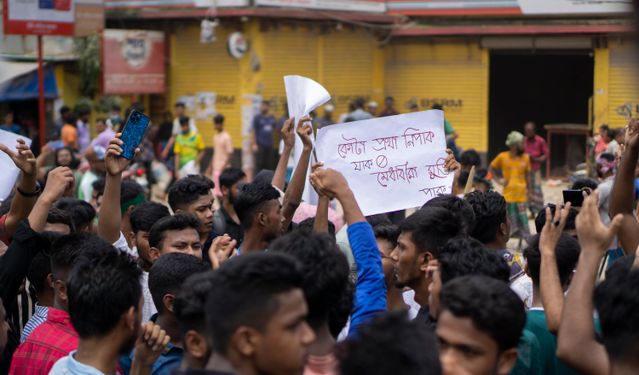

Hostels are an essential part of higher education, particularly for students who travel from rural areas, smaller towns and economically disadvantaged backgrounds to attend universities in major cities. For these students, a hostel is not simply a place to sleep. It is where they study, prepare for examinations, develop friendships and manage daily life away from their families. Access to clean drinking water, hygienic washrooms, nutritious food, reliable electricity and secure accommodation is fundamental to their ability to pursue education effectively.
However, student protests over hostel facilities have increasingly highlighted the gap between the promise of higher education and the reality of campus living. Students across Indian institutions have raised concerns about water shortages, deteriorating buildings, inadequate sanitation, poor food quality, overcrowding, maintenance failures and disputes over accommodation charges. What may initially appear to be a routine administrative problem can quickly develop into a wider controversy involving university leadership, public funding, student representation and political accountability.
Recent incidents illustrate this shift. In May 2026, students at the National Law School of India University in Bengaluru protested over alleged unsafe hostel conditions and infrastructure deficiencies, arguing that residential facilities had not kept pace with the institution’s expansion. In the same month, residents of the University Hostel for Women at Delhi University protested over alleged water disruptions, accommodation disputes and penalty charges. These incidents demonstrate how problems affecting everyday student life can become questions about institutional responsibility and governance.
The growing political significance of hostel protests does not necessarily mean that every demonstration is organised by political parties. Rather, it reflects the fact that infrastructure is connected to public expenditure, institutional priorities, equality and the responsibilities of educational authorities. When students repeatedly demand facilities that should already be available, their protests become a way of questioning how universities are managed and whose needs receive attention.
Why Hostel Infrastructure Is More Than an Administrative Issue
The quality of hostel infrastructure directly influences students’ educational experience. A student who has access to clean water, functioning sanitation, adequate lighting and a quiet study environment is better positioned to concentrate on academic work. Conversely, students living in overcrowded rooms or dealing with repeated service interruptions must spend time and energy managing problems unrelated to their studies.
The impact is particularly significant for students who cannot afford private accommodation. Many students choose university hostels because they are more affordable than rented apartments or private paying guest facilities. Scholarships, family savings and educational loans may cover tuition fees, but the additional cost of alternative housing can place considerable pressure on limited household finances. When hostel conditions become unsuitable, students may have little practical choice other than to tolerate them or risk interrupting their education.
Infrastructure also affects students’ physical well-being and dignity. Unsafe buildings, poorly maintained electrical systems, unhygienic kitchens and inadequate drinking-water arrangements can create risks that extend beyond inconvenience. Students should not have to choose between affordable accommodation and basic living standards.
The National Education Policy 2020 recognises the importance of student participation, campus life, medical facilities and increasing hostel availability where needed, particularly to support students from rural backgrounds. Its broader approach treats student welfare and residential support as relevant components of a functioning higher education system.
This makes hostel infrastructure a question of educational access, not merely comfort. A university cannot fully achieve its academic objectives if residential conditions systematically interfere with students’ ability to study, remain healthy and participate in campus life.
How Water Shortages and Sanitation Problems Trigger Student Protests
Among the most immediate causes of hostel protests are failures involving drinking water, washrooms, electricity and routine maintenance. These problems affect large numbers of residents simultaneously and can become especially difficult during periods of extreme heat or important examinations.
A May 2026 report concerning Panjab University described a protest by students at Boys Hostel-6 over non-functional water coolers and an alleged shortage of drinking water. Students claimed that most of the installed coolers were not working and that earlier complaints had remained unresolved. The protest ended after university representatives visited the hostel and provided assurances regarding repairs.
Such incidents illustrate why apparently minor maintenance issues can escalate. If students report the same problem repeatedly without receiving a clear response, they may begin to view the failure as evidence of administrative indifference. The issue is no longer limited to a broken appliance; it becomes a question about whether the institution takes residents’ concerns seriously.
Water shortages can affect drinking, cooking, bathing and sanitation. Faulty electrical systems can interrupt study schedules and compromise safety. Poorly maintained washrooms can create serious hygiene concerns, while unreliable internet connectivity can make it harder for students to access online learning resources, submit assignments and prepare for examinations.
The consequences are often unequal. Students with greater financial resources may be able to purchase drinking water, use paid study facilities or move elsewhere. Students dependent on subsidised accommodation have fewer alternatives. Consequently, infrastructure failures can deepen existing economic inequalities within the same university.
A responsive administration should treat essential-service failures as operational priorities. Clear maintenance schedules, accessible complaint systems, emergency repairs and transparent updates can prevent routine problems from developing into prolonged confrontations.
The Politics of University Funding and Administrative Accountability
Hostel infrastructure becomes a political issue when students begin questioning why facilities remain inadequate despite the collection of fees, the availability of public funding or repeated institutional commitments. These questions concern budget allocation, procurement, construction quality, maintenance contracts and the accountability of university leadership.
Universities operate through complex financial arrangements. Public institutions may receive government grants, tuition revenue, hostel fees and other funding, while private institutions may depend on tuition, residential charges, private investment and institutional resources. The precise funding structure varies, so a hostel’s poor condition does not automatically prove that money has been misused. Nevertheless, students are entitled to seek reasonable explanations about maintenance priorities and the use of funds allocated to student facilities.
Problems can arise when institutions expand admissions faster than their residential capacity. An increase in student intake may generate additional revenue and improve access to education, but it also increases demand for accommodation, water, sanitation, security and common facilities. If infrastructure development does not keep pace, overcrowding and service failures become more likely.
The reported protest at the National Law School of India University in May 2026 reflected precisely this concern: students alleged that the expansion of the student population had not been matched by adequate infrastructure.
This issue raises a broader governance question. Universities must balance the objective of expanding access to higher education with the responsibility to maintain acceptable living and learning conditions. Growth should not be measured exclusively through admissions, new courses or institutional rankings. The ability to provide safe and functional facilities is also an important indicator of institutional performance.
When students demand explanations, they are therefore engaging with questions of resource allocation and accountability that extend beyond hostel management. Their protests may prompt scrutiny from university governing bodies, government departments, elected representatives and the wider public.
Student Protests as a Form of Democratic Participation
Universities are not isolated from democratic life. They bring together students from different social backgrounds, economic circumstances, regions and political perspectives. Residential campuses also provide opportunities for students to organise collectively, discuss shared concerns and challenge decisions that affect their daily lives.
A hostel protest can begin with a specific complaint about water supply or food quality and develop into a demand for transparent administration. Students may seek meetings with wardens, submit written representations, organise peaceful sit-ins or request intervention from senior university officials. These activities allow individuals to combine their concerns and demand a collective response.
Protests become particularly significant when students believe that ordinary complaint channels are ineffective. If repeated written complaints produce no action, public demonstrations may appear to be the only way to draw attention to an unresolved problem. Media coverage can then place pressure on university officials to explain their decisions and announce corrective measures.
However, student activism should not be romanticised as automatically effective or entirely free from political influence. Student organisations may have different priorities, and political groups can sometimes attempt to use campus disputes to strengthen their own visibility. This does not invalidate legitimate complaints, but it makes it important to distinguish the original grievance from the political messaging that may develop around it.
The strength of a protest ultimately depends on the credibility of its demands, the evidence supporting its claims and the administration’s response. Peaceful demonstrations, documented complaints and constructive negotiations can help ensure that the central issue remains visible rather than being overshadowed by partisan arguments.
University authorities should recognise student representation as a potential source of institutional feedback. A well-functioning administration does not have to agree with every demand, but it should provide clear explanations, investigate genuine concerns and communicate the reasons behind its decisions.
Food Quality, Hostel Fees and the Question of Fair Treatment
Food quality is another recurring source of dissatisfaction in residential institutions. Students may complain about inadequate portions, unhygienic preparation, repetitive menus, poor nutritional quality or differences between promised and actual services. For students who depend on hostel mess facilities for most of their meals, these concerns directly affect their health, daily routine and academic concentration.
Disputes over hostel fees can intensify such grievances. Students may question why residential charges increase when maintenance remains inadequate or why additional penalties are imposed during disagreements about accommodation. When students believe that they are paying for services they do not receive, the issue becomes one of fairness and financial transparency.
The Delhi University women’s hostel protest reported in May 2026 illustrates how several concerns can converge. Residents alleged that water supply had been disrupted in parts of the hostel and raised objections to proposed eviction arrangements and penalty charges. The dispute developed into a public demonstration, prompting wider scrutiny of the administration’s handling of accommodation and essential services.
Such cases underline the importance of clear hostel agreements, transparent fee structures and fair procedures for handling disputes. Students should know what facilities are included in their charges, how maintenance complaints are assessed and what process applies when accommodation arrangements change.
Institutions also need to distinguish between legitimate disciplinary measures and penalties that are unclear, inconsistent or inadequately explained. A disagreement should be handled through established procedures rather than escalating unnecessarily into a confrontation that affects students’ access to housing or essential facilities.
Why Economically Disadvantaged Students Are More Vulnerable
Hostel infrastructure problems do not affect all students equally. Students from low-income families, rural communities and marginalised backgrounds may rely heavily on subsidised accommodation because alternatives are financially inaccessible. For them, an unsafe or poorly maintained hostel can become a serious obstacle to continuing higher education.
Private accommodation may require higher monthly rent, deposits, transportation costs and additional utility payments. Moving to a different location can also increase travel time and reduce access to campus resources. If a student is unable to afford these expenses, leaving the hostel may mean missing classes, delaying examinations or abandoning a course.
Students from remote areas may also have fewer opportunities to return home temporarily while problems are resolved. A shortage of accommodation can be especially difficult for students who have already travelled long distances to enrol in a university. These circumstances make reliable hostel services particularly important for educational inclusion.
The consequences can extend to gender equality. Women students may face additional concerns involving personal safety, transport availability and the distance between alternative accommodation and campus. Students with disabilities may depend on accessible washrooms, lifts, ramps and other facilities that cannot easily be replaced elsewhere.
This is why infrastructure policy should consider more than the total number of beds available. It should also examine affordability, accessibility, sanitation, safety and the ability of different groups to use facilities independently.
A university that provides admission opportunities without adequate residential support may formally expand access while leaving some students unable to benefit fully from that opportunity. Improving hostel infrastructure is therefore an important part of making higher education more equitable.
Student Grievance Mechanisms and Institutional Responsibility
An effective grievance system can prevent infrastructure complaints from escalating into prolonged protests. Students need a clear way to report problems, receive acknowledgements, understand expected repair timelines and escalate unresolved concerns to a higher authority.
In India, the University Grants Commission’s University Grants Commission (Redressal of Grievances of Students) Regulations, 2023, establish a framework for student grievance redressal in covered higher educational institutions. The UGC provides official information about these regulations through its student-centric regulations portal.
The existence of a formal mechanism is only the beginning. A complaint system is useful when students can access it easily and when complaints receive timely, reasoned responses. If students repeatedly encounter silence or unclear responsibility, confidence in the process may decline.
Universities can improve accountability by maintaining digital maintenance registers, publishing clear procedures for reporting urgent problems and assigning responsibility to specific departments. Hostel representatives can meet regularly with wardens and administrators to review recurring issues, while independent inspections can help identify problems that residents have reported but that have not been resolved.
Institutions should also provide transparent information about major repair projects, planned improvements and unavoidable delays. Where funding is insufficient, administrators should explain the constraint and identify realistic steps rather than make commitments that cannot be fulfilled.
Students, in turn, can strengthen their representations by recording the dates of complaints, describing the facilities affected and documenting conditions accurately. Peaceful protest and formal grievance procedures can complement each other, allowing students to demand urgent action while maintaining a clear record of their concerns.
Moving Beyond Temporary Repairs Towards Long-Term Solutions
An administration’s response to a protest is often judged by whether the immediate problem disappears. Water may be supplied, a damaged cooler may be repaired or a meeting may be arranged. Such actions can be necessary, but long-term improvement requires attention to the systems that caused the problem.
Universities need preventive maintenance plans for plumbing, electrical systems, kitchens, washrooms, lifts and residential buildings. Regular inspections can identify faults before they become emergencies. Maintenance budgets should reflect the age of buildings, the number of residents and the frequency with which facilities are used.
Infrastructure planning must also be linked to student intake. Before increasing residential admissions, institutions should assess whether water systems, sanitation, dining areas, security arrangements and study facilities can accommodate the additional population. Where expansion is necessary, the planning process should consider both immediate capacity and future demand.
Food services require similar attention. Institutions can establish transparent standards for hygiene, nutritional quality, portion sizes and supplier accountability. Student representatives can contribute feedback without having to wait for a crisis before their concerns are considered.
Most importantly, universities should measure success through service quality rather than announcements alone. A new hostel building is valuable only when it is safe, accessible and properly maintained. A larger budget matters when it produces reliable facilities, and a grievance policy matters when students can see that complaints lead to action.
These measures can reduce conflict while improving the daily experience of students. They also allow administrators to respond to infrastructure needs as a continuing responsibility rather than an emergency triggered by public criticism.
Conclusion: Hostel Facilities Are a Measure of Educational Governance
Student protests over hostel facilities reveal a wider debate about the responsibilities of universities in a changing higher education system. Clean water, safe buildings, hygienic food, functional sanitation and affordable accommodation are not unrelated to academic excellence. They are part of the conditions that allow students to learn, remain healthy and complete their education with dignity.
When these basic requirements remain unmet, students may begin to question how institutions allocate resources, respond to complaints and prioritise their welfare. The resulting protests can become political because they expose issues involving public expenditure, administrative transparency, equality and institutional accountability.
The solution is not to dismiss demonstrations as disruptive or to treat every infrastructure complaint as evidence of political failure. Instead, universities should investigate the specific problems, communicate openly and establish practical mechanisms for resolving grievances. Students should also be encouraged to express concerns peacefully and participate constructively in decisions affecting campus life.
India’s higher education system cannot be evaluated solely through enrolment figures, examination results or institutional rankings. The quality of residential facilities and the responsiveness of university administration also matter. Students who travel far from home to pursue education deserve living conditions that support rather than undermine their ambitions.
Ultimately, hostel protests are a reminder that education is not confined to classrooms. It depends on the wider environment in which students live and study. When basic infrastructure fails, the consequences reach beyond maintenance departments and become questions about the purpose, fairness and accountability of higher education itself. A university that listens to its students and addresses their essential needs demonstrates that educational excellence begins with respecting the people education is meant to serve.
Online Internship with Certificate
You may be interested
Why Authorities Are Rethinking the Management of Large Public Demonstrations
Anshika Jain - Oct 15, 2026Large public demonstrations have become an important feature of modern democratic societies. From student movements and workers’ strikes to political rallies, environmental campaigns and protests demanding government…

TVK’s Bypoll Wins: What the Party’s First Electoral Test Reveals About Its Political Position
Anshika Jain - Oct 15, 2026The Tamilaga Vettri Kazhagam (TVK), led by Tamil Nadu Chief Minister C. Joseph Vijay, has cleared its first major electoral test since forming the state government. The…
Why Tribal Students Are Marching for Education and Equal Opportunities
Anshika Jain - Oct 15, 2026Education is widely recognised as a pathway to social mobility, economic independence and equal participation in society. For many tribal students in India, however, the journey towards…
Most from this category

Campus Curfews and Women’s Freedom: Safety Rules Become a Discrimination?
Anshika Jain - Oct 15, 2026
When Opposition Leaders Face Detention: The Legal Boundaries of Political Protest
Anshika Jain - Oct 15, 2026
Why Internal Disagreements Within Constitutional Institutions Matter to Public Trust
Anshika Jain - Oct 14, 2026
When Police Try to Close a Case: What Legal Remedies Can Victims and Families Pursue?
Anshika Jain - Oct 14, 2026
Campus Curfews and Women’s Freedom: Safety Rules Become a Discrimination?
Anshika Jain - Oct 15, 2026When Opposition Leaders Face Detention: The Legal Boundaries of Political Protest
Anshika Jain - Oct 15, 2026Why Internal Disagreements Within Constitutional Institutions Matter to Public Trust
Anshika Jain - Oct 14, 2026